
Grow Skin-Boosting Plants Natural Home Facial Treatments Guide
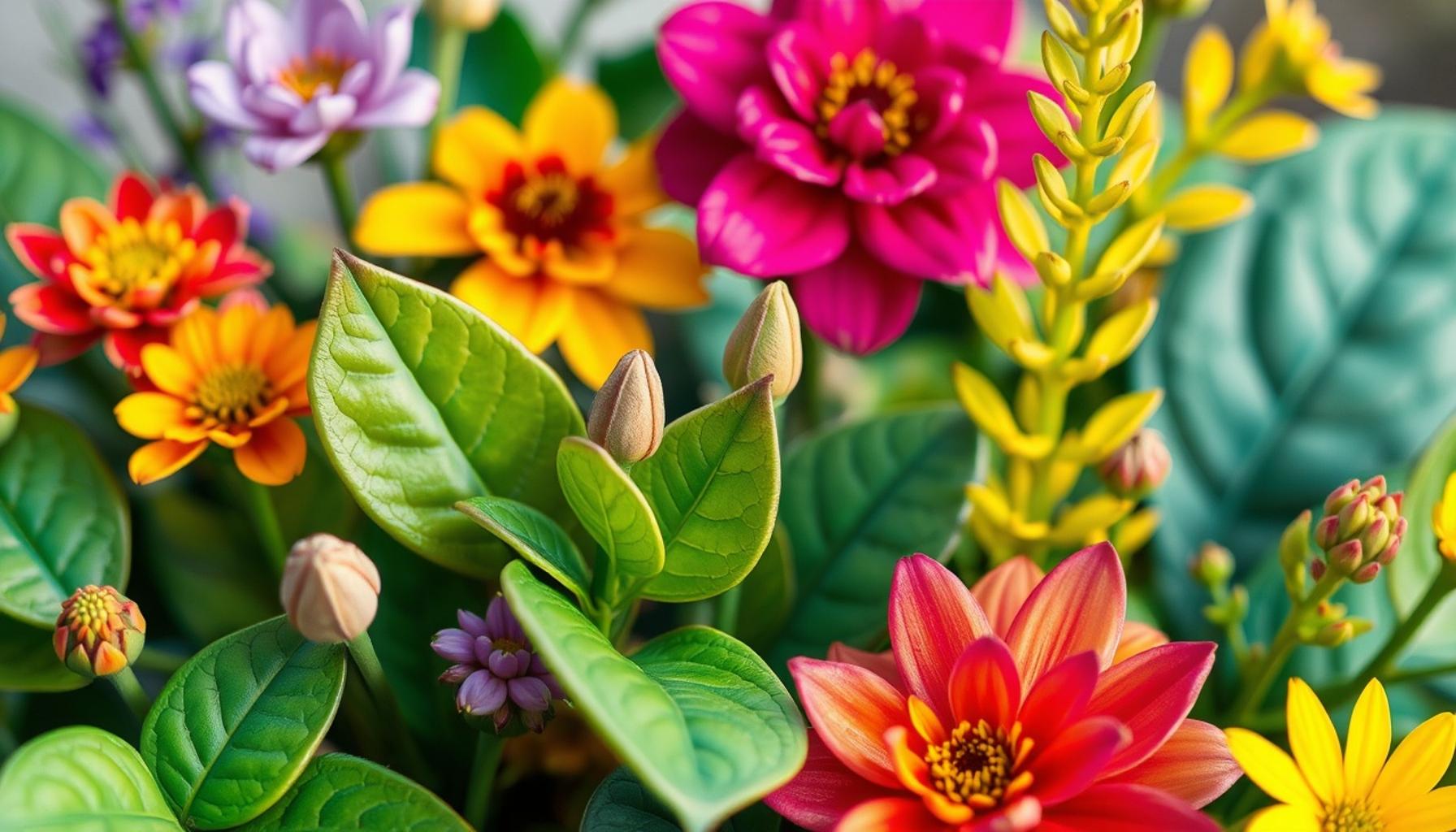
Discover the Benefits of Homegrown Skin Enrichment
In today’s world, many people are turning to nature for solutions to their skincare needs. Growing your own plants not only allows you to create a beautiful garden but also opens up the possibility of using these plants as natural treatments for your skin. With the right knowledge, you can cultivate specific plants that offer numerous skin benefits right in your backyard or windowsill.
For beginners in gardening, this journey can be both rewarding and educational. Understanding the properties of various plants will empower you to create your own skincare regimen that is free from harsh chemicals. In this guide, we will explore the top five plants that can improve your skin’s health and enhance your natural beauty.
Get Ready to Bloom
As you embark on this journey, you’ll learn:
- How to grow skin-boosting plants effectively
- The unique skin benefits each plant offers
- Simple ways to incorporate these plants into your beauty routine
- Tips for maintaining a beginner-friendly garden
- Additional resources to deepen your knowledge
Join us as we delve into the Top 5 plants that can elevate your skincare experience and promote a healthier complexion.
DISCOVER: Click here to find DIY facial mask recipes
Top 5 Plants for Natural Skin Treatments: A Home Gardening Guide
With the increased interest in holistic and natural beauty routines, many people are turning to nature’s bounty for skincare solutions. By cultivating these plant wonders at home, not only can you save money, but you also gain the added benefits of gardening. This guide will delve into the top five plants you can grow for your skincare toolkit. Each plant is handpicked for its unique properties and ease of cultivation, making your skin glow and your garden lush. Let’s embark on this green journey starting from fifth place!
5. Mint
Mint, known for its invigorating aroma and culinary uses, is also a skincare gem. This herb is not only easy to grow, but it also brings a multitude of benefits for your skin.
- Cooling Effect: Mint leaves provide a natural cooling sensation. When applied to the skin, mint can soothe irritation and alleviate the discomfort of sunburns. This makes it a fantastic addition to your summer skincare routine.
- Astringent Properties: For those battling oily skin and acne, mint acts as a natural astringent, helping to reduce excess oil production and minimize breakouts by tightening pores.
- Easy to Grow: Mint is one of the easiest plants to grow. It thrives in various conditions, whether in a garden bed or a pot on your windowsill. Just ensure it gets adequate sunlight, and watch it flourish.
Incorporate mint into your skincare by crushing its leaves to form a fresh paste or steeping them in hot water to create a refreshing facial rinse. This approach will leave your skin feeling rejuvenated and clean.
4. Aloe Vera
Aloe Vera is considered the go-to plant for skincare enthusiasts. Its thick, succulent leaves are packed with a gel-like substance that is a natural powerhouse for skin care.
- Moisturizing: The gel extracted from Aloe Vera is a superb natural moisturizer. It hydrates the skin without leaving a greasy residue, making it suitable for all skin types.
- Healing Properties: Aloe Vera is renowned for its ability to heal minor skin abrasions, burns, and irritations due to its anti-inflammatory and regenerative properties.
- Simple Cultivation: It is a hardy plant that does not require much maintenance. It can be grown both indoors and outdoors, provided it gets plenty of sunlight.
Harvest the gel by slicing open a leaf of the Aloe Vera plant. Apply the gel directly to the skin for immediate relief from dryness and irritation.
3. Lavender
Celebrated for its calming scent, Lavender is more than just an aromatic plant. Its skin-enhancing properties make it a favorite for natural skincare enthusiasts.
- Relaxing Fragrance: The pleasant scent of lavender is not just for relaxation — it reduces stress, which in turn can improve skin health. Stress often leads to skin issues like acne and eczema.
- Antiseptic Properties: Lavender’s antiseptic abilities make it a great choice for those dealing with acne. It can help cleanse the skin and prevent scars.
- Grow in Pots: Lavender thrives in pots, making it ideal for apartment dwellers or anyone with limited space. Ensure your lavender gets enough sunlight for optimal growth.
Utilize lavender in skincare routines by steeping its flowers to create a tea. This infusion can serve as a calming facial rinse, or you can mix lavender essential oil into your lotion or moisturizer to enhance its rejuvenating effects.
2. Chamomile
Chamomile is widely known for its soothing tea, but its merits extend to skincare, making it an indispensable plant for achieving a glowing complexion.
- Anti-inflammatory: Chamomile acts as an anti-inflammatory agent, reducing redness and calming sensitive skin, which is particularly beneficial for conditions like rosacea and dermatitis.
- Skin Brightening: Regular use of chamomile can help to brighten and even out skin tone, effectively reducing hyperpigmentation and providing a natural glow.
- Well-Suited for Beginners: This plant is easy to cultivate and can adapt to various soil conditions, making it an excellent option for novice gardeners.
Chamomile can be brewed into a tea and used as a face wash or applied with a cloth as an eye compress to reduce puffiness and refresh tired eyes.
1. Calendula
Ranked at the top of the list, Calendula, or pot marigold, is renowned for its vibrant flowers and robust skin benefits.
- Wound Healing: Calendula has long been celebrated for its exceptional ability to accelerate wound healing, making it a staple in medicinal and skincare use.
- Anti-Aging Benefits: Its antioxidant properties help protect the skin by neutralizing free radicals, thereby reducing the signs of aging such as wrinkles and fine lines.
- Versatile Usage: Calendula can be utilized in various forms, from homemade salves to soothing teas and potent oil infusions, providing flexibility for incorporation into daily routines.
To maximize Calendula’s impact, steep its flowers in olive oil for a few weeks to create a soothing skin oil. This oil can be applied directly to the skin, offering nourishment and protection.
By growing these plants at home, you enhance your gardening experience while tapping into the wealth of natural skincare remedies nature offers. Your skin and garden will thank you for these thoughtful additions. Happy gardening!
| Category | Description |
|---|---|
| Aloe Vera | Aloe vera is known for its soothing properties. It provides hydration and helps cure sunburn, while its antibacterial effects can reduce acne. |
| Green Tea | Rich in antioxidants, green tea can help reduce skin irritation and redness. Applying green tea extract can also assist in diminishing the appearance of fine lines. |
| Calendula | Calendula is celebrated for its anti-inflammatory properties. It aids in healing wounds and alleviates conditions such as eczema and psoriasis. |
| Lavender | Lavender oil is known for its relaxing scent and skin benefits. It can help promote a clear complexion and reduce scars or blemishes due to its healing properties. |
DIVE DEEPER: Click here to discover easy DIY facial mask recipes!
Frequently Asked Questions About Cultivating Skin-Beneficial Plants
Which plants are best for skin care?
Plants known for their skin benefits include aloe vera</strong, calendula, and chamomile. Aloe vera is rich in vitamins and minerals, making it excellent for moisturizing the skin. Calendula has anti-inflammatory properties that help soothe irritated skin, while chamomile offers antioxidant protection and is known for calming properties. These plants can be easily cultivated at home to create natural remedies.
How do I prepare these plants for skin treatments?
To prepare plants for skin treatments, ensure they are fresh and clean. Aloe vera</strong leaf can be sliced open to scoop out the gel for direct application or mixed into homemade masks. Calendula</strong flowers can be dried and used to prepare infused oils or made into a soothing salve. Chamomile</strong can be steeped in hot water to create a gentle tea or toner. Collect each plant's usable parts at their peak for maximum benefit.
Can I grow these plants indoors?
Yes, many skin-beneficial plants can be grown indoors. Aloe vera</strong thrives in pots with adequate drainage and plenty of sunlight. Calendula</strong requires a sunny spot to produce vibrant blooms. Chamomile</strong can be grown in containers with good soil. Ensure they receive enough light and water to mimic outdoor conditions. Indoor cultivation not only saves space but also provides easy access to your skincare garden.
Are there any precautions I should be aware of?
While natural treatments are generally safe, it’s important to consider potential allergies. Perform a patch test before using any homemade skincare product. Some plants can cause irritation for sensitive skin types. Additionally, please ensure that the plants you cultivate and use are free from pesticides and other chemicals. By using fresh and organic plants, you can ensure that your skin benefits from their natural properties.
DISCOVER MORE: Click here to learn how to cultivate your own skincare plants
Conclusion: Cultivating Skin-Enhancing Plants at Home
Cultivating plants that benefit the skin is not only a rewarding gardening endeavor but also a sustainable way to incorporate natural facial treatments into your daily routine. Through this guide, we have explored the top five plants that offer significant skin benefits: Aloe Vera, Lavender, Chamomile, Calendula, and Rose. Each plant brings unique properties that can help soothe, hydrate, and rejuvenate the skin.
For beginners in gardening, starting with Aloe Vera is highly recommended due to its resilience and versatile benefits. It’s an excellent plant for soothing sunburns and moisturizing the skin. Lavender offers calming properties and helps reduce inflammation when used as a facial steam or in oil form. Chamomile, with its anti-inflammatory qualities, is perfect for sensitive skin, while Calendula’s ability to promote healing makes it useful for treating minor cuts and blemishes. Finally, Rose not only provides an exquisite scent but also contributes to toning and rejuvenating the skin.
The importance of this topic lies in the empowerment it gives to individuals seeking natural alternatives for skincare. By growing these beneficial plants at home, you not only enhance your gardening skills but also gain access to fresh, chemical-free skincare solutions. It promotes a deeper connection with your environment and a healthier lifestyle.
Incorporating these plants into your garden marks the beginning of a journey toward sustainable self-care. As you nurture these plants, they, in turn, contribute to the health and radiance of your skin. Remember, the key is patience and consistency, allowing you to reap the full benefits of natural skincare right from your backyard.
