
Grow Beauty Cultivate Plants for DIY Natural Skincare at Home
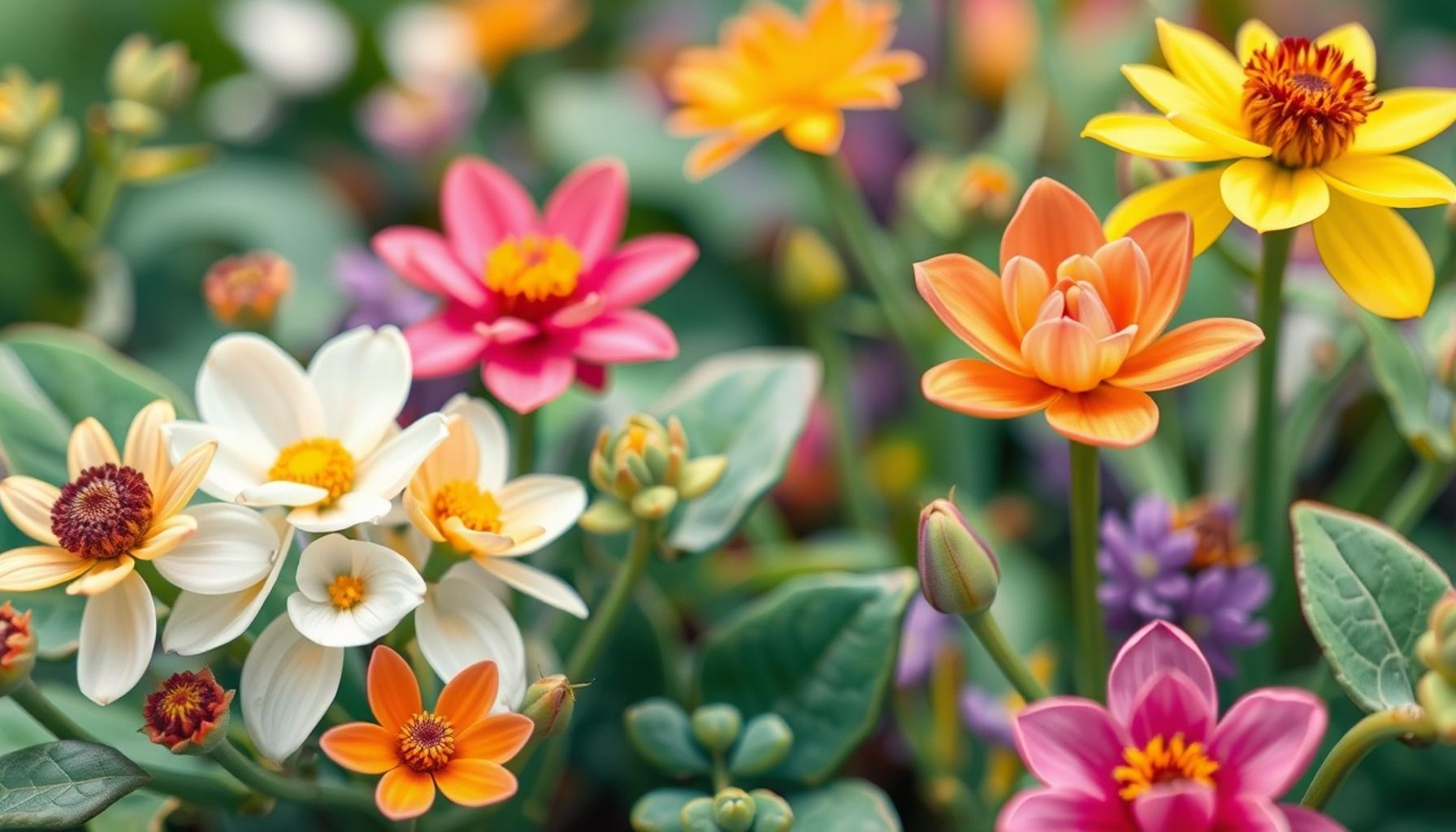
Unlocking Nature’s Beauty Secrets
Embracing gardening as part of your daily life not only enhances the aesthetic appeal of your living environment but also provides a unique opportunity to harness the power of plants for creating natural beauty products at home. With a growing interest in sustainable living, home gardening serves as an eco-friendly alternative to mass-produced beauty items that often contain harsh chemicals. By nurturing specific plants, you can tap into their inherent beauty-enhancing properties right from your own backyard.
Why Grow Your Own Beauty Plants?
- Cost-effective: Cultivating your own beauty plants can significantly reduce the amount you spend on expensive commercial beauty products. Imagine being able to whip up a face mask or hair tonic without a costly trip to the store.
- Fresh ingredients: One of the main benefits of home gardening is the ability to harvest plants at their peak potency, ensuring the purity and effectiveness of your skincare creations. There’s nothing quite like using fresh aloe vera directly from the plant for soothing skin conditions.
- Empowering: Growing these plants fosters a sense of empowerment as you develop skills in both gardening and natural skincare. You’ll become more knowledgeable about the benefits of various botanicals, from how to cultivate them to how they can be best utilized in your beauty routine.
In this article, we will guide you through the Top 5 plants that are not only easy to grow at home but also incredibly versatile in their application for DIY beauty treatments. Each plant offers a myriad of benefits, providing a simplified and engaging way for beginners to embark on their natural skincare journey.
Top 5 Plants You Can Grow for Homemade Beauty Products
Are you interested in enhancing your beauty routine using plants you can easily cultivate at home? Growing plants specifically for beauty products is not only rewarding but it also allows you to use natural ingredients that can have wonderful benefits for your skin and hair. Whether you have a sprawling garden or a compact balcony, you can cultivate some of nature’s best-kept secrets and blend them into your beauty regimen. Let’s delve into the lush world of botany and explore the top five plants you can grow to craft effective and natural beauty solutions.
5. Calendula (Marigold)
Calendula, often known for its striking orange and yellow blossoms, is celebrated for its robust anti-inflammatory and antiseptic properties. These attributes make it a fantastic option for addressing skin irritations and enhancing the healing process for minor cuts or scrapes. To cultivate calendula, plant the seeds in well-draining soil and position them in an area that enjoys full exposure to the sun’s nourishing rays.
- Maintaining consistent watering is crucial; ensure the soil remains moist but avoid waterlogging.
- Once the flowers are in full bloom, harvest them to create infused oils or tinctures that can provide soothing relief to the skin.
Beyond its healing benefits, calendula can be an excellent addition to homemade balms and salves designed to treat dry skin patches. Moreover, its vibrant colors bring a beautiful aesthetic to your garden, making it a dual-purpose plant for beauty enhancement and garden decor.
4. Aloe Vera
Aloe vera needs little introduction when it comes to skin care. Revered for its hydrating and healing capabilities, aloe vera is an adaptable plant that thrives both indoors and outdoors, making it a staple in home-grown beauty. While it can be a bit challenging to grow from seeds, acquiring a mature aloe vera plant is a straightforward process.
- Choose a pot with excellent drainage and fill it with a cactus potting mix to simulate its natural dry habitat.
- Position the plant in bright light, avoiding harsh, direct sunlight which can damage its succulent leaves.
To tap into the aloe vera’s beauty benefits, cut a leaf, slice it open, and scoop out the gel within. This gel offers remarkable versatility; it can be applied directly to the skin to alleviate sunburns, infused into face masks for hydrating benefits, or used as a gentle remedy for acne. Its soothing properties make it an indispensable ingredient in any DIY beauty kit.
3. Lavender
Lavender is admired not only for its enchanting fragrance but also for its calming and anti-inflammatory qualities. Renowned for promoting relaxation and peace, lavender can seamlessly transition from garden staple to beauty essential. This aromatic herb is straightforward to grow in pots or directly in the garden soil, where it flourishes in sunny environments with well-drained soil.
- Exercise moderation in watering to prevent root rot, which can quickly compromise the plant’s health.
- Regularly prune the flower stalks; this encourages the growth of bushier foliage and an increased yield of blooms.
Lavender’s versatility shines in DIY beauty applications. It can be transformed into lavender-infused oils perfect for massages or calming face sprays that relax the skin and mind alike. Moreover, its soothing scent turns your bathroom into a spa-like sanctuary, providing an aromatic escape from the daily grind.
2. Rosemary
Rosemary is a powerhouse herb traditionally used in culinary arts, yet it holds potent benefits for hair and scalp health. This resilient perennial thrives with minimal care, favoring sunny settings to grow robustly. Its evergreen nature ensures that you have a year-round supply to enrich your beauty routine.
- Plant rosemary in soil that drains well and keep its hydration in balance, watering when the top inch of soil is dry.
- Its ability to flourish in containers makes rosemary an excellent choice for indoor gardening enthusiasts.
With rosemary’s enticing aroma and health-promoting properties, it can be brewed into infusions for hair rinses that foster healthy hair growth. Craft invigorating hair tonics by infusing rosemary in oils, offering both conditioning and revitalizing effects to the scalp.
1. Peppermint
Peppermint emerges as the leader among these plants, celebrated for its versatility and invigorating cooling properties. A seemingly unrestrained grower, peppermint can quickly spread throughout the garden. Hence, it is advisable to keep it contained in pots to prevent it from overshadowing neighboring plants.
- Avoid planting peppermint directly into the garden soil to manage its tendency to overpopulate; potting the plant is ideal.
- Ensure the peppermint plants receive optimum sunlight and maintain consistent watering to keep the soil moist yet not soggy.
Peppermint leaves are ideal for concocting refreshing face masks that soothe the skin and uplift the senses. The leaves can be crushed into hair care products to invigorate scalp health, while their minty aroma can turn your homemade body scrubs into sensory delights. Add them to foot soaks for an unparalleled refreshing experience that rejuvenates weary feet.
In conclusion, cultivating these five plants not only beautifies your home and garden but also provides you with the essential ingredients for DIY beauty treatments that are effective and natural. By integrating these plants into your beauty routine, you’re embracing a sustainable and wholesome approach to skincare and haircare. Happy gardening!
| Category | Key Features |
|---|---|
| Aloe Vera | Soothing properties for skin irritations and sunburns. |
| Lavender | Calming aroma helps reduce stress and promote a good night’s sleep. |
| Rosemary | Stimulates hair growth and enhances scalp health. |
| Peppermint | Refreshing sensation and promotes circulation in skin. |
When cultivating plants that can be used in homemade beauty products, there are a variety of plants to consider which provide distinct benefits. For instance, Aloe Vera is a popular choice known for its soothing properties. The gel extracted from its leaves can be applied directly to the skin to help alleviate sunburns and skin irritations, making it an ideal addition to your beauty routine.Another excellent plant is Lavender, recognized not only for its calming aroma but also for its ability to reduce stress. The fragrant flowers can be used to create soothing body oils or even added to bath products, enhancing your self-care moments. Incorporating lavender into your beauty regimen can provide both fragrance and relaxation.Additionally, Rosemary is celebrated for its ability to enhance hair health. Its extracts can be used in hair oils and shampoos to stimulate hair growth and improve scalp health, making it a vital component for those looking for natural hair care solutions.Lastly, Peppermint stands out for its invigorating scent and refreshing sensation when applied to the skin. It also promotes better circulation, making it a fantastic ingredient when blended into body scrubs or creams.By growing these plants, not only can you enjoy their beauty in your garden, but you also gain access to a treasure trove of natural remedies that can enhance your homemade beauty products significantly.
DISCOVER MORE: Click here for DIY facial masks
Frequently Asked Questions on Growing Plants for Homemade Beauty Products
What are some common plants used in homemade beauty products?
Common plants used in homemade beauty products include lavender, aloe vera, chamomile, rosemary, and calendula. Each of these plants possesses different properties beneficial for the skin and hair. For example, aloe vera is known for its soothing and moisturizing qualities, making it ideal for skin care products.
How much sunlight do these plants need?
The sunlight requirement varies depending on the plant. For instance, lavender and rosemary prefer full sunlight, requiring about 6 to 8 hours a day, whereas aloe vera can thrive in partial shade with around 4 to 6 hours of sunlight. It’s crucial to understand the needs of each plant to ensure they grow healthily and produce the desired effects for beauty products.
Can I grow these plants indoors?
Yes, many of these plants can be grown indoors, but they require the right conditions to thrive. Aloe vera and chamomile are excellent choices for indoor gardening as they can adapt well to indoor light conditions. Ensure that they receive enough light, water them appropriately, and use well-draining soil to prevent root rot.
How do I use these plants in my beauty routine?
You can use these plants in various forms such as extracts, oils, or simply fresh leaves. For example, you can create a soothing aloe vera gel by extracting the inner leaf gel and applying it directly to the skin. Alternatively, infuse dried lavender in a carrier oil to create a calming facial oil.
What should I do if a plant shows signs of distress?
If a plant is showing signs of distress, such as yellowing leaves or stunted growth, it’s important to assess its environment. Check for proper sunlight exposure, ensure it’s not over or under-watered, and inspect for pests. Adjust these conditions accordingly and provide nutrients, like a balanced fertilizer, to help revive the plant to good health.
DISCOVER MORE: Click here for easy DIY facial mask recipes
Conclusion: Growing Plants for Homemade Beauty Products
In conclusion, cultivating plants for use in homemade beauty products offers a multitude of benefits that extend beyond mere aesthetics. Not only does growing these plants provide access to fresh ingredients, it also fosters a deeper connection with nature and enhances our understanding of sustainable practices. For budding gardeners, the process is an inviting entry point to learn about plant care and the intricate relationship between flora and personal well-being.
Throughout the article, we explored five key plants that can be successfully grown at home: lavender, aloe vera, chamomile, rose, and calendula. Each of these plants has unique properties that contribute to various beauty applications, such as skin soothing, moisturizing, and anti-inflammatory effects.
- Lavender: Offers calming and antiseptic benefits, ideal for skin care and relaxation treatments.
- Aloe Vera: Known for its healing properties, perfect for moisturizing and treating skin ailments.
- Chamomile: Provides soothing and anti-inflammatory effects, beneficial for sensitive skin.
- Rose: Rich in antioxidants, great for toning and rejuvenating the skin.
- Calendula: Packed with antimicrobial properties, helping heal and protect the skin.
Embracing the cultivation of these plants emphasizes the importance of self-sufficiency and encourages environmentally friendly habits. Beginners can start small by setting up minor plots or pots, gradually expanding as their confidence and understanding grow. Through this garden adventure, individuals can develop a rewarding hobby that not only beautifies their skin but also nourishes their passion for gardening.
Ultimately, by choosing to cultivate these beneficial plants, we can integrate botanical wonder into our everyday self-care routines, while supporting the environment. This harmonious blend of gardening and beauty encourages healthier lifestyles and cultivates a sense of achievement in creating products that are both effective and responsible.
