
Grow Anti-Aging Herbs at Home Tips Recipes Health Benefits
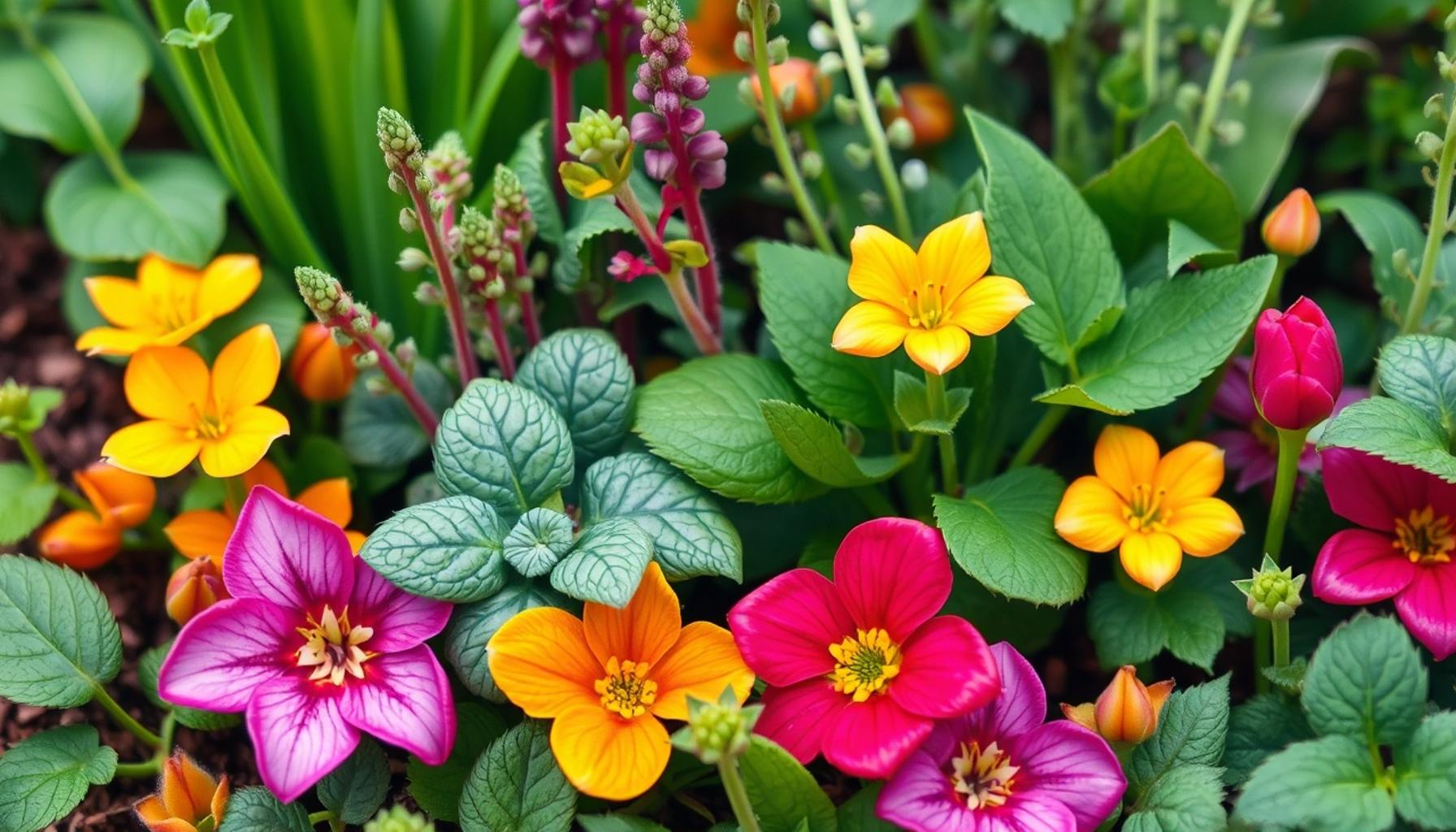
In today’s fast-paced world, the quest for natural solutions to promote youthfulness and vitality has gained significant attention. Cultivating anti-aging herbs in your home garden not only enriches your living space but also offers numerous health benefits. For beginners, growing these herbs is an accessible way to include fresh, organic ingredients in your diet.
Here are some of the key reasons why it’s worth exploring:
- Health Benefits: Many herbs are packed with antioxidants and nutrients that help combat the effects of aging.
- Easy to Grow: Most anti-aging herbs require minimal care and can thrive in small spaces.
- DIY Recipes: Using fresh herbs allows you to create delicious and beneficial recipes at home.
In this article, we’ll explore practical tips for growing these herbs, share simple recipes, and highlight their incredible benefits. Get ready to discover the Top 5 anti-aging herbs that you can easily cultivate in your home garden.
DISCOVER MORE: Click here to learn about the healing benefits of air-purifying plants
Top 5 Ways to Grow Anti-Aging Herbs at Home: Recipes and Benefits
In today’s world, where the quest for health, longevity, and vitality is ever-pressing, many individuals are turning back to nature, seeking remedies that are both timeless and effective. Enter herbs, the verdant treasures of the plant kingdom known for their potent anti-aging properties. Growing your own herbs at home not only saves money but also provides a fresh and abundant supply of culinary delights and health-boosting benefits.
In this comprehensive guide, we will explore the top five herbs you can cultivate at home to supercharge your anti-aging routine. Let’s start with the fifth herb and build up to the ultimate anti-aging champion!
5. Thyme
Thyme may be small in size, but it packs a punch when it comes to health benefits. As a staple in Mediterranean and European cuisines, thyme is revered not just for its robust flavor but for its health-boosting properties. It is rich in antioxidants, compounds that play a crucial role in combating oxidative stress, one of the key contributors to the aging process. Frequent oxidative stress can damage skin cells, leading to premature aging.
Although thyme enhances dishes from roasted vegetables to hearty soups, it is also known for its skin healing properties thanks to its anti-inflammatory and antimicrobial traits. Here is how you can grow this humble but powerful herb at home:
- Well-draining soil: Thyme thrives in soil that does not retain excess water.
- Sunny spot: Aim for about 6-8 hours of sunlight daily.
- Moderate watering: Allow the soil to dry out between waterings to prevent root rot.
To incorporate thyme in your diet, infuse it into oils, add it to marinades, or steep it in hot water for a refreshing tea that can add an antioxidative boost to your day.
4. Mint
Mint is not only a refreshing addition to beverages and culinary creations, but its benefits extend well beyond just taste. Rich in antioxidants and anti-inflammatory properties, mint is adept at soothing the digestive system and improving skin health.
Mint’s ability to cool and rejuvenate is well documented, and consuming it can help alleviate symptoms of indigestion and promote a youthful appearance by maintaining skin health.
To cultivate mint at home:
- Partial to full sunlight: Mint grows well in both, but sunlight maximizes its leaf production.
- Consistently moist soil: Keep the soil damp but not waterlogged.
- Container gardening: Plant in containers to control its rapid spread.
Mint leaves can be incorporated into daily meals and beverages. Brew a calming mint tea, blend leaves into your smoothie, or sprinkle fresh mint over salads for a burst of freshness that nourishes the body from the inside out.
3. Basil
Basil, often recognized as the king of herbs, is famed not only for its zesty flavor in culinary creations but also for its remarkable anti-aging benefits. With a wealth of essential oils and antioxidants, basil helps protect the body’s cells from free radical damage, a major factor in the signs of aging.
In addition to promoting skin health, basil’s anti-inflammatory properties make it beneficial for overall well-being, preventing the wear and tear of time on the body.
To successfully grow basil:
- Full sunlight: Basil requires at least 6 hours of sun each day for optimal growth.
- Regular watering: Let the top inch of soil dry out between waterings.
- Pruning: Trim leaves regularly to encourage a bushy growth and delay flowering.
Basil can be a versatile star in your kitchen. Use it in refreshing pesto, sprinkle torn leaves over a classic Margherita pizza, or as an aromatic garnish to a fruit salad to add a hint of sweetness with a protective health edge.
2. Rosemary
Rosemary is a robust herb that serves as both a culinary and medicinal ally. Its aroma and flavor make it a beloved component of marinades and stews, while its powerful antioxidants help combat memory decline and improve cognitive function. Rosemary may also help stimulate blood circulation, which benefits skin health and gives a youthful glow.
For successful rosemary cultivation at home:
- Well-drained soil: Rosemary prefers a drier habitat.
- Full sunlight: As with many Mediterranean herbs, rosemary loves the sun.
- Cooler climates: Use a container to move it indoors during winter months.
Rosemary’s versatility shows in its use — incorporate it into marinades for a fragrant meat preparation or steep it into infused oil. The aroma alone can be uplifting and mood-enhancing, adding mental rejuvenation to its list of benefits.
1. Aloe Vera
Aloe Vera, a staple in natural remedies, takes the top spot due to its multifaceted anti-aging properties. Known for being a hydration powerhouse, it provides a natural way to nourish the skin as its gel is rich in essential vitamins and minerals. Aloe vera soothes irritated skin, reduces inflammation, and helps retain the skin’s moisture, acting as an anti-aging powerhouse both externally and internally.
Growing aloe vera requires minimal effort:
- Cactus mix or well-draining soil ensures the roots do not sit in water, which can lead to rot.
- Indirect sunlight: Preferably keep aloe vera where it can receive indirect sunlight.
- Dry soil: Allow the soil to dry thoroughly between waterings.
Aloe vera gel can be applied directly to skin to relieve burns and irritation, or it can be incorporated into smoothies for an internal health boost, making it an indispensable herb in your home garden.
By incorporating these herbs into your daily routine, you can enhance your diet and naturally support your body’s fight against aging. Cultivating these herbs at home offers not just health benefits but also an enjoyable and rewarding gardening experience.
| Herb Category | Advantages |
|---|---|
| Rosemary | Rich in antioxidants, which help combat free radicals, thus reducing the signs of aging. |
| Mint | Known for its cooling effect on the skin and its ability to tighten pores, contributing to a fresher appearance. |
| Thyme | Contains thymol, which has antimicrobial properties, helping to maintain healthy skin and accentuate youthfulness. |
| Sage | Packed with vitamins A, C, and E, sage is known for promoting skin elasticity and reducing wrinkles. |
Incorporating these herbs into your daily routine can yield significant benefits. For instance, rosemary can be brewed in tea or infused in oils for skin application. Mint can be used in drinks or as an ingredient in scrubs to exploit its refreshing qualities. Thyme can be added to cooking and face masks, while sage can be infused into creams for topical use. Understanding the specific advantages of each herb allows you to tailor your personal cultivation of these plants to target your skincare goals effectively. The natural properties of these herbs make them ideal candidates for anyone looking to enhance their anti-aging skincare routine organically.
DIVE IN: Click here to discover DIY facial mask recipes using garden ingredients
Frequently Asked Questions about Cultivating Anti-Aging Herbs at Home
What are some of the best anti-aging herbs to grow at home?
Some of the most effective anti-aging herbs you can grow at home include rosemary, sage, basil, and mint. These herbs are not only easy to grow but also packed with antioxidants that help fight the signs of aging. Rosemary, for example, is known to improve skin health and memory, while sage has anti-inflammatory properties. Basil and mint can be used to rejuvenate and refresh the skin.
How can I begin cultivating these herbs at home?
To start growing these herbs, you will need a sunny spot, pots or a garden bed, quality soil, and seeds or seedlings. Begin by planting the seeds according to the instructions on the packet or transplanting the seedlings into pots. Water them regularly but be careful not to overwater, as herbs like rosemary prefer drier soil. Ensure they get plenty of sunlight, ideally 6-8 hours a day.
What are some tips for maintaining herb plants to ensure their longevity?
Regular pruning helps keep your herb plants healthy and encourages fresh growth. Always remove any dead leaves or stems. Keep the soil well-drained, and ensure your plants have enough space to receive adequate air circulation. Additionally, using organic fertilizers can provide essential nutrients to your herbs. Watch for signs of pests and act quickly if you notice any, as herbs can be quite sensitive.
How can I incorporate these anti-aging herbs into my daily routine?
There are several ways to use anti-aging herbs in your daily routine. You can add them fresh to salads, stews, or teas. For a refreshing facial treatment, try making a homemade facial steam with rosemary and mint. Mix sage into your skincare routine by infusing it into oils or creating a soothing lotion. These methods can help you take advantage of their anti-aging benefits conveniently.
Are there any precautions to take when using these herbs?
While these herbs are generally safe, it’s important to use them in moderation and consult with a healthcare provider if you have underlying health conditions or are pregnant. Some herbs, like sage, can interact with medications or affect certain medical conditions. Always perform a patch test before applying new herbs to your skin to check for any allergic reactions.
DISCOVER MORE: Click here for insights on air-purifying plants
Conclusion: Cultivating Anti-Aging Herbs at Home
Cultivating anti-aging herbs at home offers numerous advantages, making it an attractive venture for gardening beginners. Throughout this article, we’ve explored the top five herbs with potent anti-aging properties: rosemary, sage, thyme, mint, and basil. Each of these herbs is not only celebrated for its therapeutic qualities but also for its adaptability to home gardens.
One of the key benefits emphasized is the accessibility and convenience of growing these herbs in your own backyard or even windowsill. For beginners, this means you can embark on a gardening journey without the need for extensive space or resources. With a little effort and care, you can enjoy a sustainable supply of fresh herbs that contribute to a healthier lifestyle.
The value of these herbs extends beyond their aesthetic appeal and culinary uses. Their rich antioxidant content supports skin health and overall well-being. By integrating them into your daily routine, whether through teas, tinctures, or recipes, you can harness their age-defying benefits.
Empowerment Through Gardening
In conclusion, cultivating anti-aging herbs at home empowers you to take charge of both your nutrition and health. It fosters a sense of connection to nature while providing tangible health benefits. This practice is not merely about growing plants but about enhancing your quality of life through simple and mindful actions. As you nurture these plants, you cultivate not just your garden but also your well-being.
Remember, gardening is a journey that grows with you. Whether you’re motivated by the health benefits, the joy of nurturing life, or the flavors these herbs add to your meals, you’re embarking on a rewarding path. Happy gardening!
