
Grow Medicinal Herbs at Home for Natural Remedies DIY Guide
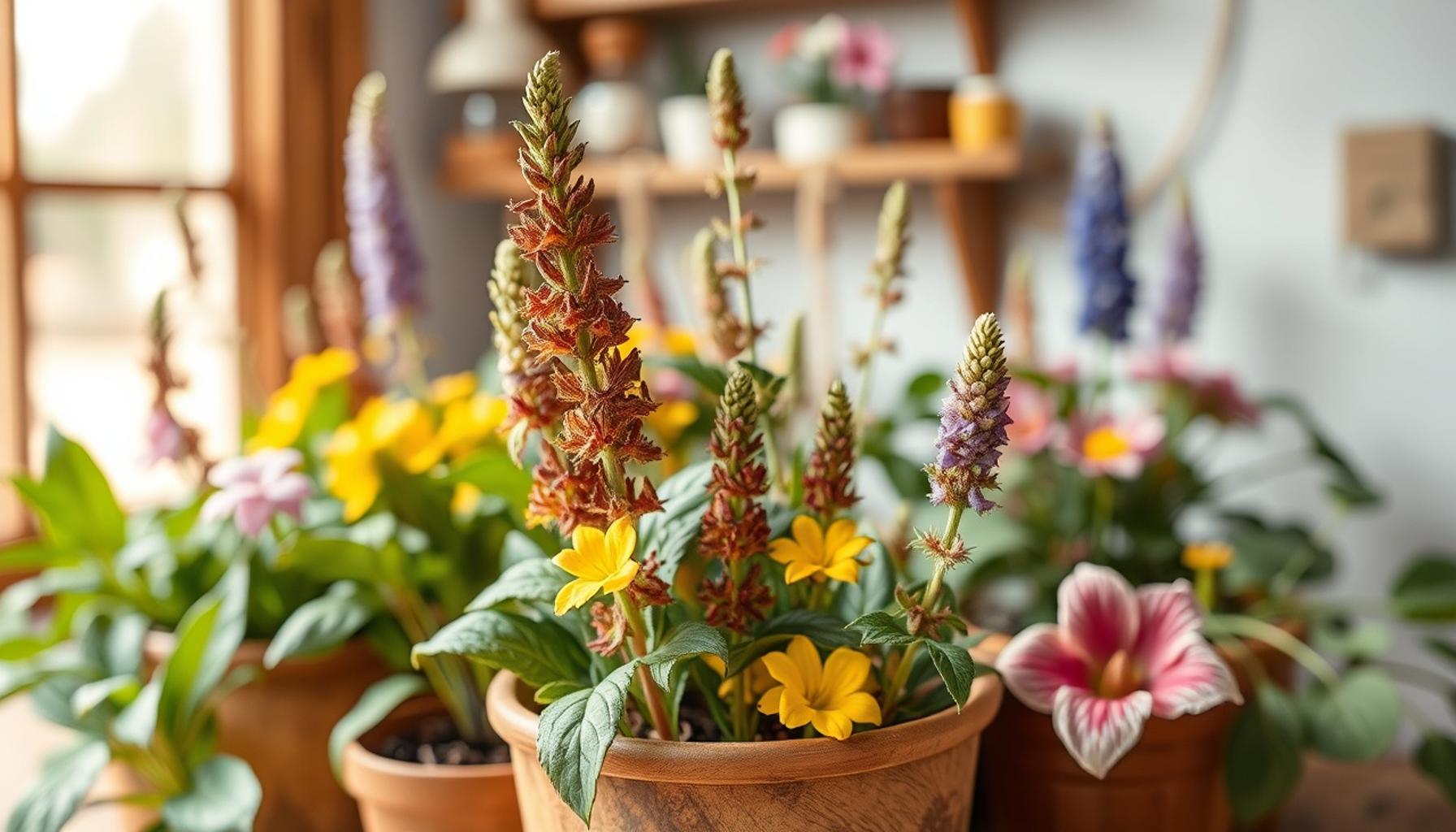
Incorporating medicinal herbs into your home garden can be a rewarding venture, offering both aesthetic pleasure and practical health benefits. As more people seek to embrace a natural lifestyle, the ability to grow your own plants not only empowers you but helps foster a deeper connection with nature. For beginners, starting a home herb garden is an accessible project that can provide fresh remedies right at your fingertips.
Growing herbs at home allows you to create customized remedies tailored to your family’s needs. Plus, it’s a sustainable practice that reduces reliance on commercial products filled with preservatives. To guide you in this rewarding pursuit, we’re excited to present the Top 5 medicinal herbs you can easily cultivate in your home garden.
These selections are perfect for beginning gardeners and offer easy-to-follow tips on how to nurture each herb, ensuring you can enjoy the many benefits they provide. Let’s dig in and explore the world of home-grown healing!
DISCOVER MORE: Click here for easy DIY facial mask recipes
Top 5 Ways to Grow Medicinal Herbs at Home for Natural Remedies
Growing your own medicinal herbs at home can be a rewarding and beneficial endeavor. Not only can it provide you with fresh ingredients for natural remedies, but it can also enhance your gardening skills and deepen your appreciation for nature. Herbs have been used for thousands of years across various cultures as natural remedies for common ailments, and today, growing them at home is increasingly popular among those looking to integrate holistic and sustainable practices into their lifestyles. In this article, we will explore the top five methods to cultivate medicinal herbs effectively, ranked from fifth to first. Let’s dive in and discover how to create your own herbal sanctuary at home!
5. Selecting the Right Herbs
The first step in cultivating medicinal herbs is choosing the right plants for your needs. Selection is crucial, as it determines the range of medicinal benefits you can harvest throughout the year. Some herbs are known for their healing properties, while others are great for flavoring food. Consider starting with a few of the following popular medicinal herbs:
- Basil: This aromatic herb is excellent for digestive issues and inflammation, commonly used in teas and as a topical application for its soothing properties.
- Peppermint: Widely recognized for its refreshing aroma, peppermint is known for aiding digestion and alleviating respiratory problems. It’s often used in teas or essential oils for its calming effect on the stomach.
- Chamomile: Known for its calming effects, chamomile is a staple for those who need help with nerves and sleep. A cup of chamomile tea before bed can serve as a natural sedative that soothes the mind.
- Thyme: Thyme is celebrated for its antibacterial and antifungal properties. This hardy herb can support your immune system and is often used in gargles to relieve sore throats.
Understanding the benefits of each herb can guide you to select the most appropriate plants for your particular needs. This initial selection sets the stage for a successful gardening experience, providing you with the raw materials to make teas, tinctures, salves, and more. Choosing the right herbs also encourages a deeper understanding of their traditional uses and potential benefits, fostering a holistic approach to health and wellbeing.
4. Choosing the Right Location
After selecting your herbs, finding the right location for cultivation in your home or garden is the next step crucial to your success. Most medicinal herbs require ample sunlight and well-drained soil, so their placement must be carefully considered. Here are some tips for choosing an ideal spot:
- Sunlight: Aim for at least six hours of direct sunlight each day. South-facing windows or open garden spaces are ideal for optimizing light exposure, which is essential for photosynthesis and healthy plant growth.
- Soil: Choose rich, nutrient-dense soil, preferably organically composted. A well-aerated soil mix enhances root health and promotes nutrient absorption.
- Protection: Ensure areas are sheltered from harsh winds and extreme weather. Using windbreaks like taller plants or garden structures can protect delicate herbs.
By properly selecting the right location, you will help your herbs to thrive and develop their medicinal properties to their fullest potential. An optimal environment not only supports strong plant growth but also enhances the concentration of active compounds within the herbs, which are responsible for their health benefits.
3. Planting Techniques
Next, the manner in which you plant your herbs can significantly affect their growth and eventual yield. Employing effective planting techniques can make a substantial difference in the overall health of your plants. Here are some proven strategies:
- Seed vs. Seedlings: Consider whether you will start from seeds or seedlings. While starting from seeds is cost-effective and allows for a wide variety of choices, seedlings offer a quicker, more immediate result, especially beneficial for beginner gardeners.
- Spacing: Adequate spacing ensures good air circulation, which reduces the risk of fungal diseases. It also allows plants access to sufficient nutrients and sunlight.
- Watering: It’s essential to water plants deeply right after planting to help establish their roots. However, avoid overwatering as this can lead to root rot, a common yet preventable issue.
Assess your time, space, and resources before deciding on a technique. By adhering to these planting practices, you will increase your chances of a healthy yield of medicinal herbs. These techniques not only support plant health but also help in acclimating herbs to their new environments, maximizing both their growth potential and their medicinal potency.
2. Care and Maintenance
Once planted, caring for your medicinal herbs involves regular maintenance and monitoring to ensure they reach their full potential. Continuous care is crucial for the plants to develop their valuable properties:
- Watering: Maintaining consistent soil moisture is key, but avoid making it soggy. Adjust watering frequency based on weather conditions, increasing it during hot spells.
- Fertilizing: Utilize organic fertilizers to provide your plants with essential nutrients, enhancing their growth and resilience against pests and diseases. Compost tea or fish emulsion can offer a great nutritional boost.
- Pest Control: Keep an eye out for unwanted garden pests and implement natural pest control methods when needed, such as neem oil or introducing beneficial insects like ladybugs and predatory wasps.
Regularly caring for your plants will yield rich, aromatic herbs full of medicinal properties ready for your natural remedies. Vigilant care not only promotes healthy growth but also aids in richly developing the herbs’ active ingredients, which can be harvested toward improving health and well-being.
1. Harvesting and Using Your Herbs
The final step, and perhaps the most satisfying, is harvesting your herbs. Proper harvesting techniques ensure you preserve the essential oils and active compounds effectively:
- Timing: Harvest in the morning when oils are most concentrated. This is the ideal time because plants have not yet been exposed to the day’s heat, which can decrease oil quality.
- Clip Carefully: Use scissors or shears to snip stems, leaving enough of the plant to continue growing. This careful approach allows for multiple harvests from a single plant through the growing season.
- Storage: Dry or freeze your herbs for longevity. Dried herbs can be stored in airtight containers away from direct sunlight, while freezing preserves flavor. Use them fresh in teas, tinctures, or cooking for optimal potency.
By properly harvesting and utilizing your herbs, you’ll not only enjoy the fruits of your labor but also promote better health through natural remedies. This final step encapsulates the entire process of home gardening for natural medicine, providing you with a sense of accomplishment and wellness. What a fulfilling way to connect with nature and improve your well-being!
Now that you’ve been guided through the top five methods to cultivate medicinal herbs at home, it’s time for you to roll up your sleeves and start your own herb garden. The journey from seed to remedy fosters a unique connection to the plants and the earth, delivering both health benefits and a profound appreciation for the natural world.
To effectively cultivate medicinal herbs at home for natural remedies, understanding the essential components and practices of herb gardening is imperative. This section will explore vital techniques that facilitate successful herb growth and the potential health benefits they provide.One must start by selecting the right *herbs* suited for indoor or outdoor growth. Popular choices include basil, mint, chamomile, and rosemary, each offering unique health benefits. For example, mint is renowned for its digestive properties, while chamomile is often used for its calming effects.Proper *soil preparation* is crucial for healthy herb growth. Using well-draining soil enriched with organic materials can make a significant difference. Consider incorporating compost or well-rotted manure, as they supply essential nutrients for your plants. Furthermore, ensuring the soil has a slightly acidic to neutral pH will promote robust root development.In conjunction with soil quality, *lighting* conditions should also be optimized. Herbs require at least 6-8 hours of sunlight daily. If natural light is insufficient, employing grow lights can create a similar environment, supporting photosynthesis and overall plant health. Another important aspect is *watering*. Over-watering can lead to root rot, while under-watering stresses the plants. A balanced approach is key—ensure the top inch of soil dries out before watering again. This practice mimics the natural environment in which many herbs thrive.Maintaining an ideal *temperature* is also essential. Most medicinal herbs prefer temperatures between 65°F and 75°F. Be mindful of fluctuations, as extreme temperature changes can adversely affect growth.It’s also beneficial to engage in regular *harvesting*. Regularly trimming and harvesting your herbs encourages bushier growth and enhances flavor potency. Remember, certain herbs like basil benefit significantly from being harvested frequently; they will produce more leaves, providing you with a plentiful supply for your remedies.Furthermore, consider *companion planting*. Some herbs can deter pests or attract beneficial insects when planted alongside others. For instance, planting basil next to tomatoes not only maximizes space but also enhances flavor while keeping pests at bay.Lastly, be sure to understand the *best methods for preserving* your herbs, whether through drying, freezing, or making infused oils. Each method will allow you to retain their medicinal properties for future use. Drying is a popular technique; simply bundle herbs and hang them upside down in a warm, dark place.In summary, cultivating medicinal herbs at home requires careful planning and maintenance. By selecting the right herbs, optimizing soil and light conditions, managing water and temperature, and employing effective harvesting and preservation techniques, individuals can enjoy the benefits of these natural remedies. Using herbs such as mint and chamomile can not only enhance culinary experiences but also contribute to personal well-being.
DIVE DEEPER: Click here to discover easy DIY facial mask recipes
Frequently Asked Questions About Growing Medicinal Herbs at Home for Natural Remedies
How do I start an indoor herbal garden?
To start an indoor herbal garden, choose a spot in your home that gets plenty of natural sunlight. Use pots with drainage holes to prevent over-watering and ensure proper soil aeration. Beginner-friendly herbs like basil, mint, and thyme are ideal choices. Start by planting the seeds in a small pot filled with a mix of high-quality soil and compost. Keep the soil moist but not soaked, and regularly check for pests or diseases. With consistent care, your herbs will grow robustly.
What are the easiest medicinal herbs to grow at home?
Some of the easiest medicinal herbs to grow at home include aloe vera, chamomile, peppermint, and lavender. These herbs require minimal maintenance and offer a multitude of healing properties. For example, aloe vera is excellent for soothing skin irritations, while chamomile can be used to make a calming tea. Place them in a sunny spot and water them regularly, and they will thrive.
Can I grow medicinal herbs in an apartment with limited space?
Yes, you can definitely grow medicinal herbs even in an apartment with limited space. Consider using vertical gardens or window boxes to maximize growing areas. Herbs such as chives, parsley, and oregano are suitable for smaller containers and can be placed on windowsills or balconies. Additionally, using multi-tiered planters can help you cultivate more varieties in compact spaces.
How do I ensure my herbs maintain their medicinal properties?
To ensure your herbs maintain their medicinal properties, focus on proper harvesting techniques. Harvest herbs in the morning after the dew has dried but before the sun becomes too strong. This is when essential oils are most concentrated in the leaves. Use sharp scissors to cut the stems and avoid stripping too many leaves at once. Proper drying and storage, such as air-drying in a cool, dark place, will also help preserve their beneficial properties.
What common mistakes should I avoid when growing medicinal herbs?
Common mistakes to avoid include over-watering, poor lighting, and neglecting pest control. Over-watering can lead to root rot, so ensure your pots have good drainage and water only when the soil feels dry to the touch. Many herbs need about six hours of sunlight per day, so placing them in the wrong spot may inhibit their growth. Regularly inspect your plants for signs of pests and diseases to keep your garden healthy. Address issues promptly with natural remedies like neem oil or insecticidal soap.
DISCOVER MORE: Click here to learn about the healing benefits of air-purifying plants
Conclusion: Cultivating Medicinal Herbs at Home for Natural Remedies
Embracing the cultivation of medicinal herbs at home offers numerous benefits, both for your physical health and emotional well-being. As outlined in the article, growing your own herbs is not only a sustainable practice but also an enriching hobby, allowing you to take control of your health using natural resources.
Firstly, start with the selection of easy-to-grow herbs such as basil, mint, and lavender, which provide a great foundation for beginners. Their therapeutic properties range from calming effects to digestive aid, making them versatile additions to your home garden. By understanding the needs of each plant, from sunlight exposure to watering schedules, you set the groundwork for a thriving herbal garden.
The article provided an insightful guide on creating a suitable environment indoors for your herbs, emphasizing the importance of adequate lighting and space. Remember, even if you are limited in space, creativity through vertical gardens or windowsill pots can enable you to grow herbs effectively.
Moreover, developing a basic knowledge of harvesting and using herbs in remedies is crucial. Learn how to properly dry, store, and prepare your natural medicines, ensuring that you can use them efficiently when needed.
The Importance of Cultivating Herbal Knowledge
As you embark on or continue this gardening journey, bear in mind that patience and persistence are key. Cultivating medicinal herbs not only contributes to a healthier lifestyle but also fosters a deeper connection with nature. The artistry of growing plants develops mindfulness and understanding of biological processes, benefitting beginners and experienced gardeners alike.
Ultimately, the practice of growing medicinal herbs at home creates an opportunity to enrich your life with natural wellness solutions and enhances your gardening skills. It is an empowering venture, nurturing not only the body but also the gardener’s soul. Embrace this journey for continual learning and personal growth.
