
Beginners Guide Anti-Aging Garden Plants for Radiant Skin
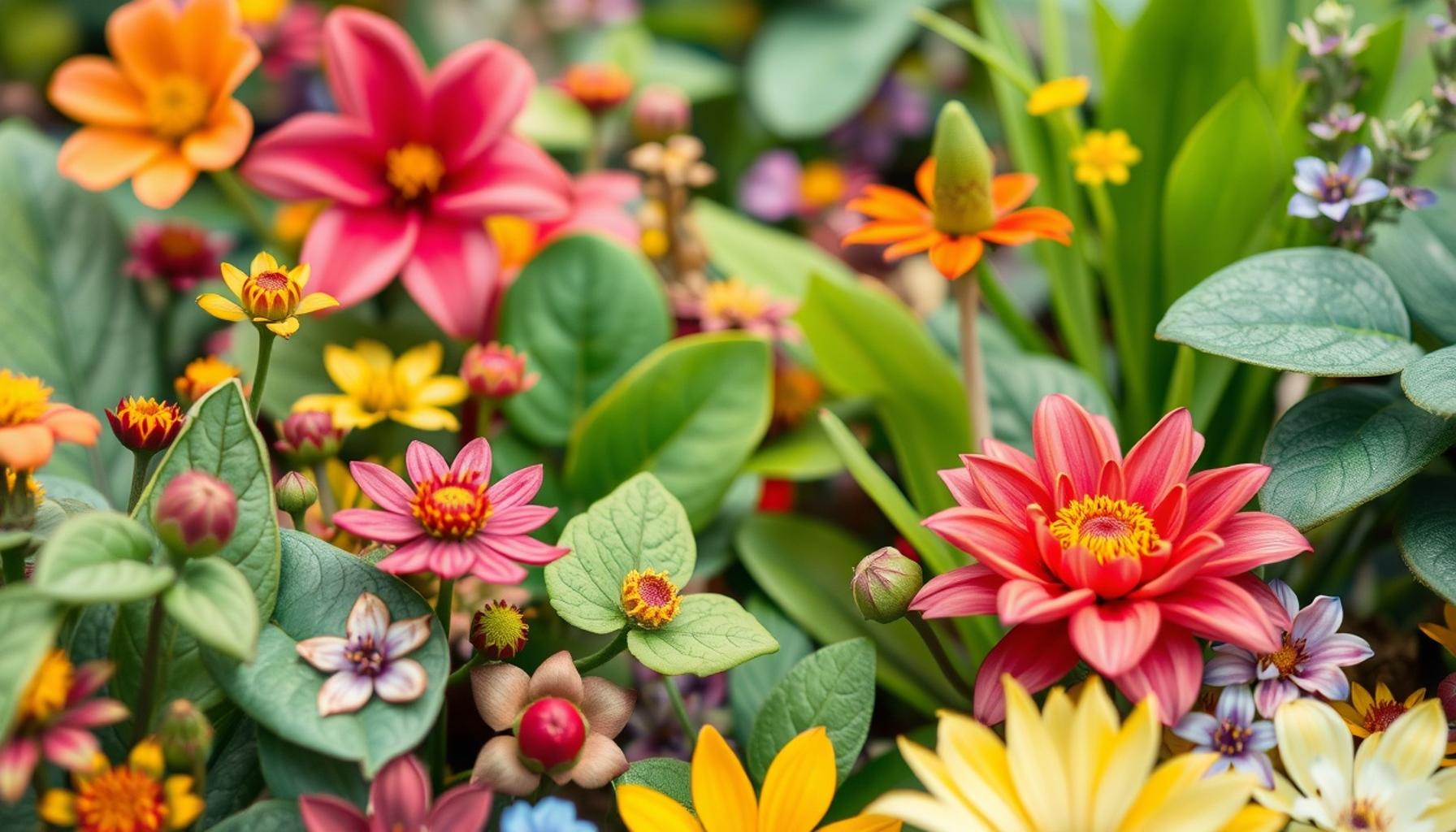
Gardening is not just a leisurely hobby; it is also a great way to enhance your well-being and skin health. As we age, our skin goes through various changes, making it vital to nourish and protect it from environmental stressors. With the right plants at your fingertips, you can cultivate a home garden that not only beautifies your space but also promotes radiant skin.
For beginners, the idea of starting a garden focused on skincare may seem daunting, but it is entirely achievable. Here are some reasons why incorporating anti-aging plants can be beneficial:
- Natural Remedies: Many plants contain antioxidants and vitamins that are essential for skin health.
- Stress Reduction: Gardening can lower stress, which is crucial for maintaining youthful skin.
- Accessible Care: Growing these plants at home means you have immediate access to fresh ingredients for your skincare routine.
This article will prepare you to navigate the wonderful world of skincare gardening. We will rank the Top 5 plants that every beginner should consider for achieving that coveted radiant glow. Get ready to dig in and discover how your garden can become a fountain of youth!
DISCOVER MORE: Click here to learn about the healing benefits of air-purifying plants
Top 5 Plants for Radiant Skin: A Beginner’s Guide to an Anti-Aging Garden
Have you ever thought about creating an anti-aging garden to enhance the radiance of your skin? This might sound more like a beauty fantasy than reality, but with the right plants, such a garden is entirely achievable. By cultivating specific plants known for their skin-enhancing properties, you not only enjoy engaging with nature but also tap into the natural benefits these plants offer in improving your complexion. Let’s delve deeper into the top five plants that can transform your garden and your skincare regime!
5. Green Tea Plant (Camellia sinensis)
The Green Tea Plant is a remarkable choice for those looking to infuse their gardens with anti-aging horticulture. Revered for its high concentration of antioxidants—famed in the beauty industry—green tea protects skin cells from oxidative stress, which is a significant contributor to premature aging. These antioxidants, specifically catechins, help in reducing the damage caused by free radicals, notorious for accelerating skin aging.
To harness the full potential of the Green Tea Plant, here are some critical growing tips:
- Well-draining soil: Essential for the healthy cultivation of green tea plants, reducing water retention which can lead to root rot.
- Partial sunlight: The plant thrives under partial sunlight, absorbing sufficient energy for growth without the harsh effects of direct sunlight.
- Regular watering regimen: While consistent watering is beneficial, caution against waterlogging as it can harm the plant’s health.
Incorporating green tea into your skincare regime is as simple as brewing a pot of tea or applying the cooled leaves directly to your skin for a refreshing mask or compress. Both approaches allow you to enjoy its myriad benefits, enhancing your skin’s youthful glow.
4. Aloe Vera (Aloe barbadensis miller)
A true champion in skincare, Aloe Vera is famed for its hydrating and rejuvenating properties, making it a staple in skincare routines around the world. This succulent plant is a powerhouse of vital nutrients, including vitamins, enzymes, and amino acids that generously nourish and repair the skin.
Here is a simple guide for growing Aloe Vera in your garden:
- Bright, indirect sunlight: Aloe Vera flourishes when exposed to warm sunlight, albeit indirectly, avoiding the harshness of direct rays.
- Well-draining potting mix: Prevents water retention, ensuring the roots remain healthy and the plant vibrant.
- Sparse watering: A minimalistic approach works best, allowing the soil to dry thoroughly before rewatering.
Harvesting Aloe Vera is incredibly straightforward. Snip off a leaf close to the base, slice it open, and scoop out the gel. Apply it directly onto your skin, and within days, notice how it soothes irritation, reduces skin damage, and diminishes the appearance of fine lines, providing a natural facelift.
3. Lavender (Lavandula angustifolia)
Lavender blesses gardens not only with its beauty and fragrance but also its multiple benefits for the skin. The essential oils derived from lavender offer potent anti-inflammatory and antifungal benefits. These properties are instrumental in calming irritated skin, reducing the risk of acne outbreaks, and enhancing skin texture.
Here’s what you need to know to cultivate lavender successfully:
- Full sun exposure: This ensures optimal growth and bloom richness, allowing your lavender to thrive.
- Excellent drainage: Ensures root health, preventing the waterlogging issues that can inhibit growth and cause diseases.
- Regular pruning: After blooming, trim the plants to promote new growth and maintain their shape.
Using lavender in homemade balms or facial steam treatments can significantly enhance your skin’s appearance. Moreover, its aroma helps reduce stress, which in turn, has a positive effect on skin health by minimizing stress-induced skin issues.
2. Rose (Rosa spp.)
Beyond their emblematic beauty, Roses offer abundant benefits in skincare, thanks to their petals, rich antagonists against oxidative stress. Vitamin-rich rose petals are used in beauty products for their soothing and hydrating properties.
To successfully grow roses, adhere to the following guidelines:
- Full sun positioning: At least six hours of sunlight daily is crucial for robust flowering and health.
- Rich, well-draining soil: Provides a fertile environment that supports their growth demands.
- Regular pruning: Encourages bushiness, ensuring your plants remain healthy and aerated.
One popular method of utilizing roses is by creating rose water, an excellent natural toner. It hydrates the skin, maintains its pH balance, and diminishes redness. Regular use can lead to skin that feels refreshed and looks vibrant.
1. Chamomile (Matricaria chamomilla)
Ruling at the top of our list is Chamomile, a plant lauded for its calming effects, appreciated far beyond just a soothing tea. Chamomile is packed with antioxidants, making it remarkably effective for calming irritated skin and reducing redness and inflammation, ideal for sensitive skin types.
To cultivate chamomile effectively:
- Sunny planting area: A sunny spot ensures the plant thrives robustly and effectively.
- Moist but well-draining soil: A balance that facilitates healthy growth without oversaturating the plant.
- Consistent harvesting: Encourages more growth and maintains the plant’s health.
Brew its flowers into a tea or create chamomile infusions or face masks to calm your skin and spirits. Regular inclusion of chamomile in your routine can dramatically boost complexion and skin resilience, making it a staple in any anti-aging garden.
In conclusion, successfully cultivating a garden with these five plants will not only provide a refreshing escape but imbue your daily skincare regime with natural, rejuvenating properties. They require varying degrees of care, suitable for any gardening enthusiast, and each promises unique benefits that will help preserve the youthful appearance of your skin. Why rely solely on synthetic products when nature itself offers such potent solutions? Unleash the beauty and power of these plants, enriching both your garden and your reflection in the mirror.
| Category | Details |
|---|---|
| Botanical Ingredients | Plants like aloe vera and green tea are rich in antioxidants and hydration properties, essential for maintaining a youthful glow. |
| Natural Remedies | Utilizing herbs such as rosemary and lavender can enhance skin rejuvenation and provide calming effects, reducing stress-related skin issues. |
| DIY Skincare | Creating masks from cucumber or honey helps to deeply nourish and brighten the skin, offering easy home solutions for anti-aging. |
| Nutrient-Rich Plants | Plants like spinach and kale are not only great for salads but also provide vital nutrients for the skin when consumed, promoting health from within. |
The integration of natural plants into your skincare routine can be transformative. Each category outlined above highlights different aspects of how plants can contribute to anti-aging and skin health. For instance, incorporating botanical ingredients known for their anti-aging properties is a powerful method to enhance the skin’s appearance without relying on harsh chemicals.When exploring natural remedies, consider the soothing effects that herbs such as rosemary and lavender not only impart on your skin but also on your overall mental well-being. These plants can contribute to a holistic approach to beauty, emphasizing the connection between stress management and skin vitality.Moreover, DIY skincare solutions are not only cost-effective but also allow for tailored treatments that suit your individual skin type. Using fresh ingredients from your kitchen can promote better skin health while giving you confidence in knowing what you are applying to your skin.Lastly, incorporating nutrient-rich plants such as spinach and kale into your diet offers an internal approach to anti-aging. A well-balanced diet plays a significant role in maintaining skin elasticity and preventing signs of aging. With a little effort, you can create a garden that supports not only your beauty regimen but also your overall health. Each plant in your garden can become a valuable ally in your quest for radiant, youthful skin.
DISCOVER MORE: Click here for tips on natural facial treatments
Frequently Asked Questions about Radiant Skin Plants
How can plants contribute to radiant skin?
Plants can greatly enhance skin radiance by offering natural ingredients that are gentle and nourishing. Many plants are rich in antioxidants, vitamins, and minerals that help combat free radicals, reduce inflammation, and promote cell regeneration. For example, Chamomile is known for its soothing properties, while Aloe Vera provides moisture and can help heal damaged skin.
What are the best plants to start with for skincare?
For beginners, starting with widely accessible plants like Lavender, Calendula, and Rose can be beneficial. These plants have antimicrobial, anti-inflammatory, and moisturizing properties. Lavender can calm irritated skin, Calendula can promote healing, and Rose can hydrate and rejuvenate the skin. These plants are not only effective but also relatively easy to grow and maintain in a garden.
Can growing a garden with these plants improve my overall health?
Absolutely! Creating a garden with these anti-aging plants not only benefits your skin but also enhances your overall well-being. Gardening itself is a therapeutic activity that reduces stress and anxiety. Additionally, being surrounded by plants boosts mood and provides a sense of connection to nature, which is important for holistic health. The physical activity involved in gardening also promotes cardiovascular health and helps maintain flexibility.
How should I incorporate these plants into my skincare routine?
Incorporate these plants into your skincare routine by using them in DIY recipes or purchasing products that contain them as ingredients. For instance, you can make a simple face mist with rose water, or use aloe vera gel directly from the plant after cleansing. Ensure to patch test any homemade product to check for allergic reactions. Consistency is key, so try to integrate these practices into your daily routine for maximum benefits.
Are there any precautions when using plants on the skin?
Yes, it’s essential to know your skin type and any allergies before applying plant-based products. Some individuals may have allergies to certain plants, even if they are generally considered safe for most skin types. Always perform a patch test by applying a small amount to a discreet area of your skin and wait for 24 hours to check for any adverse reactions. Additionally, ensure the plants are free of pesticides and contaminants before use.
DISCOVER MORE: Click here to enhance your skincare routine
Conclusion
Embarking on the journey of growing a garden focused on anti-aging benefits is not only achievable but immensely rewarding. This guide has walked you through the benefits and applications of the top 5 plants: aloe vera, chamomile, green tea, lavender, and rosehip. Each contributes uniquely to promoting healthier, more radiant skin, offering an enriching experience for any gardening enthusiast.
Aloe Vera stands out with its hydrating and healing properties, effectively soothing skin irritations. Chamomile, with its calming effects, can be a wonderful addition, especially for those battling inflammation or eczema. The antioxidant benefits of Green Tea help protect and rejuvenate skin, while Lavender not only offers a delightful fragrance but also bolsters skin health by promoting relaxation and combating bacteria.
Meanwhile, Rosehip comes packed with vitamins A and C, essential for skin regeneration and elasticity. Setting up a garden with these plants, even with limited space or experience, can significantly enhance your skincare routine while bringing life into your home environment.
For beginners, the emphasis should be on starting small and gradually expanding as confidence grows. Having a personal anti-aging garden can be a fulfilling endeavor that contributes to both physical health and mental well-being, turning daily self-care into a more sustainable and holistic practice. Understanding the potency of these plants not only leads to a radiant complexion but also underscores the importance of natural solutions and sustainable living—a trend that is becoming more valuable in today’s world.
