Menu

Sustainable Gardening Techniques to Minimize Carbon Footprint

Discover eco-friendly gardening practices that minimize your carbon footprint while enhancing your outdoor space. Embrace sustainable techniques like organic gardening, water conservation, and composting to foster biodiversity and improve soil health. Each action cultivates a greener, healthier future for our planet and promotes environmental stewardship.

Using Recycled Materials in Gardening to Reduce Waste

Gardening with recycled materials promotes sustainability and reduces waste, transforming everyday items into functional and creative solutions. Embracing practices like composting and vertical gardening not only enhances the garden's appeal but also encourages community collaboration, making a positive environmental impact. Enhance your garden while nurturing the planet.

Vertical Gardening: A Sustainable Solution for Limited Space Environments

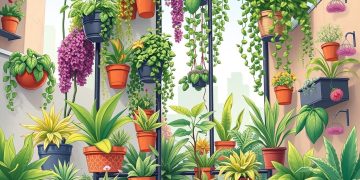
Vertical gardening is an innovative, sustainable solution for urban environments with limited space. By utilizing vertical layers, it maximizes growing potential, improves air quality, enhances food security, and supports biodiversity. This eco-friendly approach transforms neglected areas into vibrant green spaces, fostering community engagement and healthier lifestyles in cities.

The Influence of the Seasons on Plant Selection for Beginners

Understanding seasonal influences is essential for beginners in gardening. Each season impacts plant selection, growth cycles, and maintenance needs. By recognizing temperature, sunlight, and precipitation patterns, novice gardeners can choose the right plants for their climate, ensuring vibrant, resilient gardens that thrive year-round.


Cultivating Native Plants: Benefits for the Local Ecosystem and Climate Adaptation

Cultivating native plants offers significant benefits for local ecosystems and climate adaptation. These plants enhance biodiversity, improve soil health, and reduce water consumption. By supporting wildlife habitats and fostering resilience against climate change, native flora create sustainable landscapes that contribute to ecological integrity and environmental well-being.

Impact of Climate Change on Plant Selection for Initial Gardens

As climate change impacts plant selection for initial gardens, new gardeners must adapt to shifting temperatures, precipitation patterns, and increased pests. Focusing on resilient, drought-tolerant, and native species ensures sustainable gardening practices that thrive and contribute to local biodiversity in changing environments.

How to Create a Garden Resilient to Extreme Climate Conditions

This guide explores effective strategies for creating a garden resilient to extreme climate conditions. It emphasizes adapting plant selection, enhancing soil health, implementing efficient water management, and fostering biodiversity. By focusing on local climate understanding and sustainable practices, gardeners can cultivate thriving, resilient green spaces that withstand environmental challenges.

How Beginners Can Choose Climate-Resilient Plants for Gardens

Learn how to choose climate-resilient plants that thrive despite weather challenges. Discover tips for selecting hardy species, understanding your local climate, and effectively planning your garden. This guide empowers beginners to cultivate sustainable, bountiful gardens with confidence, turning unpredictable climates into opportunities for growth.

Home Composting Key to Reducing Carbon Footprint in Gardening

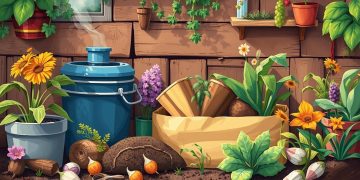
Discover the eco-friendly benefits of home composting. Transform kitchen scraps into nutrient-rich soil to boost your garden's productivity. Even beginners can easily reduce their carbon footprint while enhancing plant growth and overall health. Embrace sustainable gardening practices and watch your green spaces thrive.

How to Choose Climate-Resilient Plants for Gardening Beginners

Explore the essentials of climate-resilient gardening for beginners, focusing on selecting adaptable plants that thrive in changing conditions. Discover the advantages of native species, effective soil health, and water management techniques to cultivate a sustainable garden that minimizes maintenance while enhancing environmental resilience.