How to Create a Garden Resilient to Extreme Climate Conditions
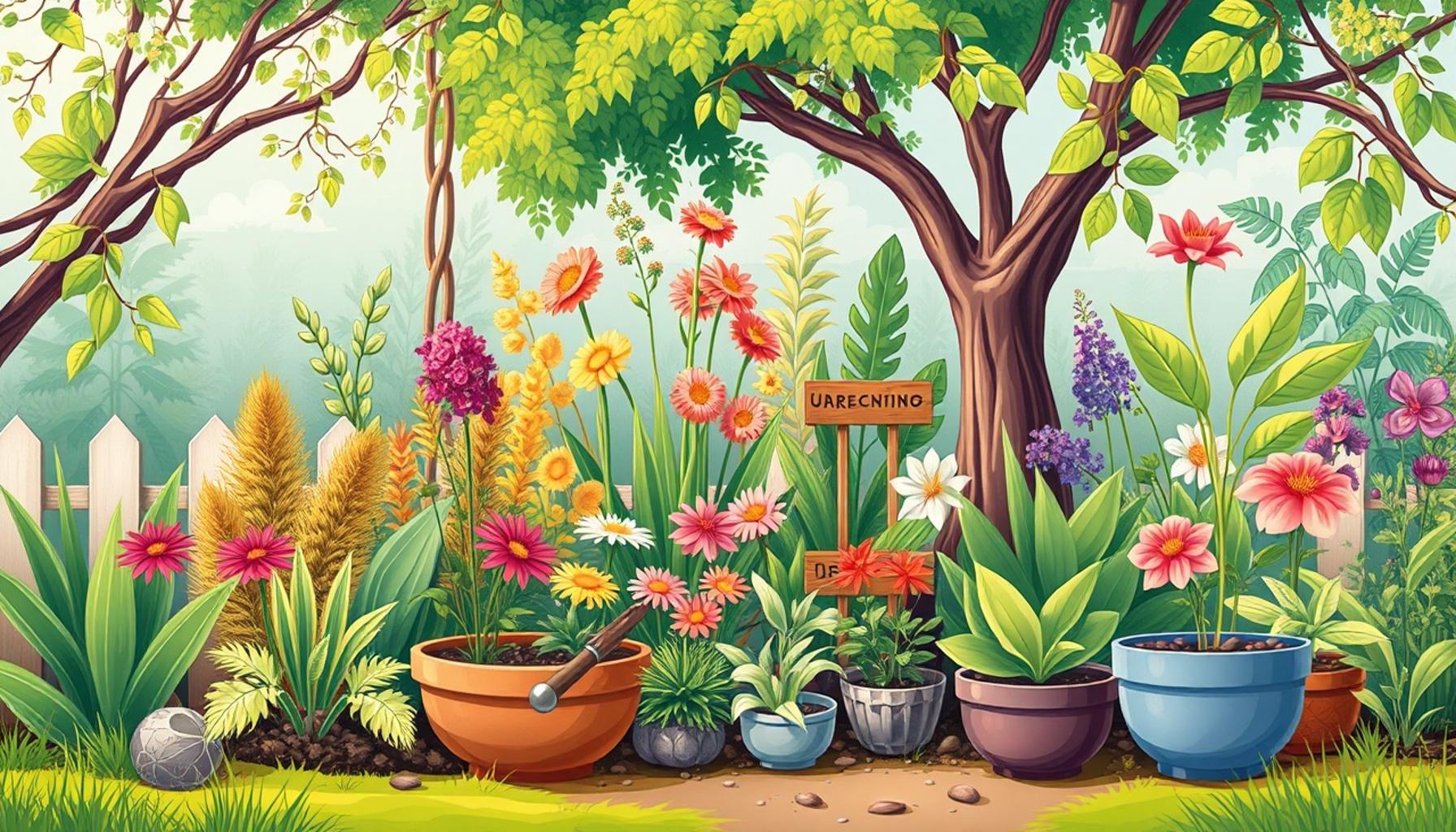
Adapting Your Garden to Extreme Climate Conditions
In light of the increasingly unpredictable weather extremes witnessed across the United States, gardening enthusiasts are presented with both challenges and opportunities. While the old adage of “the right plant in the right place” remains steadfast, it is now bolstered by a deeper understanding of climatic adaptability. This knowledge allows gardeners to embark on an exciting journey of creating beautiful, thriving gardens that can withstand severe droughts, strong storms, or dramatic temperature swings.
Understand Your Climate
The first step towards cultivating a resilient garden is to familiarize yourself with local weather patterns. This means not only paying attention to annual rainfall and temperature fluctuations but also understanding microclimates—that is, the unique climate conditions of specific areas in your landscape. For instance, areas near rivers may experience more humidity, while west-facing slopes may retain more sunlight. Resources such as the National Oceanic and Atmospheric Administration (NOAA) and local agricultural extension offices can provide invaluable data regarding regional climate trends.
Select Native Plants
Choosing native plants is a pivotal strategy for adapting to extreme weather. Native flora has evolved to cope with local climatic extremes, often requiring less water and being more resistant to pests and diseases. For example, in the arid landscapes of Southwestern states, plants such as agave or desert marigold have adapted to thrive with minimal water. In contrast, eastern regions can benefit from indigenous species like the native dogwood tree or black-eyed Susan, which are well-equipped to handle localized storms and flooding conditions.
Implement Soil Conservation Techniques
Healthy soil is the cornerstone of a thriving garden. Practices such as mulching, cover cropping, and composting not only improve soil structure but also enhance its ability to retain moisture. For instance, a layer of organic mulch can significantly reduce evaporation and keep roots cool during hot spells. Additionally, adopting no-till practices can protect soil integrity and promote earthworm populations, further enriching the soil. By prioritizing soil health, gardeners provide their plants with the essential nutrients and resilience needed to weather adverse conditions.
Enhance Biodiversity
Lastly, fostering biodiversity within your garden can create a network of support that enhances resilience. A diverse plant palette encourages beneficial insects and wildlife, which can help manage pests naturally. Planting a mix of flowers, shrubs, and trees can also create habitats for birds and pollinators, which are crucial for maintaining ecological balance. For example, incorporating plants that bloom at different times can ensure continuous food sources for pollinators throughout the growing season, even amidst fluctuating climates.
Through the integration of these strategies—understanding your local climate, selecting native plants, implementing soil conservation methods, and enhancing biodiversity—you can create a thriving garden poised to withstand the extremes of nature. As we delve further into specific methods and practical tips in the sections that follow, prepare to equip yourself with the knowledge and inspiration to transform your garden into a sanctuary of resilience and beauty.
DIVE DEEPER: Click here to learn about using mulch effectively
Essential Practices for a Resilient Garden
As you begin to manifest your vision of a climate-resilient garden, it’s crucial to implement a range of effective practices that will enable your plants to thrive, no matter the weather challenges they face. Every step taken in this direction aids in fortifying your garden against the unpredictability of extreme conditions. Below are several powerful techniques to keep in mind as you develop a more sustainable gardening approach.
Strategic Water Management
Efficient water management is perhaps one of the most pivotal aspects of creating a garden resilient to extreme climate conditions. As droughts become more frequent and severe, understanding how to use water wisely can make a significant difference. Consider implementing the following strategies:
- Rainwater Harvesting: Installing rain barrels or cisterns can help collect and store rainwater for later use, ensuring that you have a sustainable water source during dry spells.
- Drip Irrigation: This targeted watering method minimizes waste, enabling you to deliver water directly to the roots of your plants, drastically increasing efficiency.
- Soil Moisture Monitoring: Utilize moisture sensors to track soil conditions. This technology helps you determine when to water, preventing both overwatering and underwatering.
By implementing these water management techniques, you can significantly enhance the resilience of your garden, allowing your plants to better withstand periods of drought.
Mindful Plant Placement
Another essential component of a resilient garden is mindful plant placement. Each plant has its unique requirements regarding sunlight, shade, and protection from wind. To maximize plant health and longevity, consider these factors during the layout of your garden:
- Sunlight Exposure: Map out areas that receive full sun versus partial shade throughout the day. Position sun-loving plants in the brightest spots while placing shade-tolerant species where they can benefit from intermittent light.
- Windbreaks: Use taller plants or fences as windbreaks to shield shorter plants from strong gusts. This can help prevent damage during storms and reduce moisture loss in dry conditions.
- Group Plants with Similar Needs: Planting in clusters allows you to water and fertilize effectively, and it minimizes competition for nutrients and moisture.
Throughout the growing season, being mindful of your garden’s layout can assist you in nurturing healthy plants that are more adapted to withstand the trials of extreme weather.
Utilize Climate-Resilient Landscaping Techniques
In addition to selecting resilient plant varieties and managing water effectively, employing climate-resilient landscaping techniques will bolster your garden’s adaptability. Some of these techniques include:
- Permaculture Practices: This approach focuses on mimicking natural ecosystems, resulting in a self-sustaining environment rich with biodiversity.
- Creating Contours: Shaping your garden beds to follow the natural contours of the land can help manage rain runoff, allowing water to soak into the ground rather than wash away.
- Using Ground Covers: Cover crops and ground-covering plants like clover can prevent soil erosion, reduce evaporation, and improve soil health.
These landscaping techniques not only enhance the resilience of your garden but also contribute to a more sustainable ecosystem that benefits both plants and wildlife.
By focusing on these essential practices—strategic water management, mindful plant placement, and climate-resilient landscaping techniques—you equip your garden with the tools necessary to confront the challenges posed by extreme climate conditions. With each step, you move closer to a flourishing oasis capable of thriving despite adversity.
Strategies for Building a Resilient Garden
Creating a garden that can withstand extreme climate conditions requires thoughtful planning and execution. Here are some strategic approaches to consider:
1. Select Drought-Resistant Plants
Choosing drought-resistant plants is crucial for a resilient garden. These species have adapted to survive in low-water conditions and can thrive during heatwaves and dry seasons. Look for native varieties; they often require less water and provide greater benefits to local wildlife.
2. Implement Efficient Watering Techniques
Utilizing efficient watering techniques, such as drip irrigation or rainwater harvesting, can significantly reduce water waste. Drip irrigation delivers water directly to the roots of plants, minimizing evaporation and ensuring optimal hydration. Additionally, installing rain barrels can collect water during storms, providing a sustainable source for dry periods.
3. Create Microclimates
Designing your garden to take advantage of microclimates can protect plants from extreme temperatures. Planting in sheltered areas or using structures such as pergolas or trellises can provide shade and reduce wind exposure. Similarly, strategic use of mulch can help regulate soil temperature and moisture levels.
4. Soil Health and Composition
Building healthy soil is fundamental for fostering plant resilience. Incorporating organic matter like compost improves soil structure and nutrient availability. Healthy soil retains moisture better and supports a diverse ecosystem, helping your garden weather climate extremes more effectively.
5. Regular Maintenance and Monitoring
Establishing a regular maintenance routine is essential. Keep an eye on plant health, remove pests, and adjust care based on weather changes. Monitoring moisture levels, especially during dry spells, ensures plants receive adequate hydration.By implementing these strategies, you can cultivate a garden that not only survives but thrives, regardless of environmental challenges. Stay tuned for more insights and practical tips to enhance your gardening journey.
DISCOVER MORE: Click here to learn about seasonal garden planning
Enhancing Soil Health for Resilience
Healthy soil is the foundation of a resilient garden. Its ability to retain moisture, support microbial activity, and provide nutrients is crucial, especially when faced with extreme climate conditions. To bolster your soil health, consider integrating these practices:
Soil Amendments
Incorporating organic matter such as compost, aged manure, and biochar can significantly improve soil structure and fertility. These soil amendments enhance water retention, encouraging deeper root systems that can access moisture during dry spells. Additionally, organic matter is rich in beneficial microbes that improve nutrient availability. Regularly adding these amendments helps maintain a vibrant soil ecosystem capable of adapting to varying climate challenges.
Mulching Techniques
Applying a layer of mulch around your plants serves multiple purposes: it helps retain soil moisture, regulates soil temperature, and suppresses weeds. Organic mulches, such as straw or wood chips, can break down over time, further enriching the soil. When selecting mulch, aim for materials that decompose slowly and offer additional benefits to the soil, allowing you to create a protective barrier for your garden even during harsh weather conditions.
Choosing the Right Plants
Plant selection plays a pivotal role in the overall resilience of your garden. Opting for drought-tolerant and native species is a proactive strategy that aligns well with local climate conditions:
Drought-Tolerant Varieties
When selecting plants, prioritize varieties known for their drought resistance. Many native plants have adapted to local environmental conditions and typically require less water once established. Examples include black-eyed Susans, coneflowers, and lavender—all of which thrive in less-than-ideal moisture conditions. These plants not only beautify your garden but also reduce the demand for supplemental watering, freeing you from dependency during dry seasons.
Companion Planting
Companion planting is another effective strategy for enhancing garden resilience. By grouping compatible plants together, you can create a natural ecosystem that maximizes health and minimizes pest issues. For instance, planting tomatoes alongside basil can not only enhance flavor but also deter pests. Such synergistic relationships can reduce the need for chemical interventions, further promoting a sustainable garden environment.
Adapting to Climate Changes
As the climatic patterns evolve, it is essential to remain adaptable in your gardening approach. Monitoring local climate conditions and understanding your garden’s microclimates can inform your practices:
Season Extension Techniques
Using season extension techniques such as hoop houses, cold frames, and row covers can provide crucial protection for your plants during unexpected weather changes. These methods create a microclimate that can shield delicate plants from frost or excessive heat, allowing you to cultivate a wider variety of crops throughout the year.
Continuous Learning and Experimentation
Gardening is an evolving practice, especially in the face of climate change. Engaging with local gardening communities or resources, such as Cooperative Extension Offices, can provide valuable insights into which plants thrive under local conditions and how to modify your practices for better resilience. Being open to experimentation not only hones your skills but also contributes to a more robust gardening approach as conditions shift.
By focusing on soil health, plant selection, and adapting to climate changes effectively, gardeners can cultivate environments that thrive despite extreme climate conditions. These practices continue to pave the way for sustainable gardening, ensuring that your green sanctuary remains a flourishing retreat for years to come.
LEARN MORE: Click here to discover common garden pests
Conclusion
In summary, creating a garden that thrives under extreme climate conditions demands a multifaceted approach that emphasizes soil health, effective plant selection, and a readiness to adapt to changing environments. By enriching your soil with organic amendments and employing strategic mulching techniques, you can cultivate an ecosystem that retains moisture and nourishes plants, even in the driest spells.
Choosing drought-tolerant and native species not only aligns your garden with its local climate but also boosts resilience against pests and water scarcity. Furthermore, techniques such as companion planting can enhance plant relations and reduce dependency on external interventions, fostering a more sustainable environment.
As climate patterns shift unpredictably, it is crucial to incorporate season extension techniques and remain open to continuous learning. Engaging with local gardening communities and utilizing resources can provide critical insights specific to your region, ensuring ongoing adaptability. Whether you are nurturing a small vegetable patch or developing a sprawling flower garden, these effective strategies create not just a garden, but a flourishing sanctuary resilient to the fluctuations of climate.
Ultimately, the work you put into cultivating a resilient garden is not just an investment in your green space but a commitment to sustainability that can inspire a larger movement toward environmental stewardship. As we face the challenges posed by climate change, every garden can be a testament to our collective resilience and creativity.