Using Mulch to Retain Soil Moisture: A Beginner’s Guide
The Importance of Mulch in Garden Care
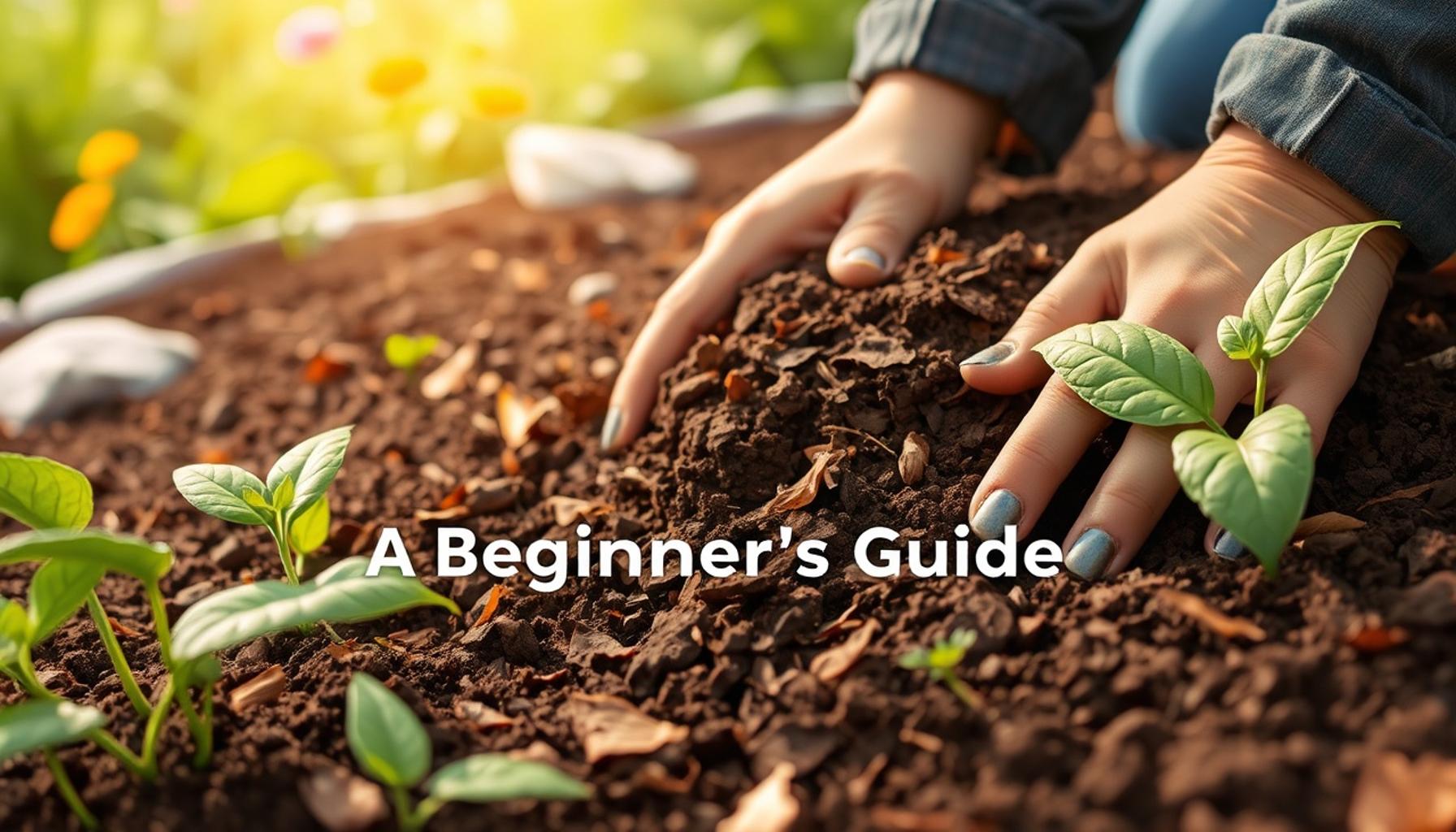
Mulch is an essential element in garden care that goes far beyond aesthetics. It serves as a multipurpose tool that aids in creating an optimal environment for plant growth and soil preservation. By maintaining soil moisture, mulch not only nurtures your plants but also supports sustainable gardening practices essential for any landscape enthusiast. Especially during scorching summer months, utilizing mulch can make a significant difference in the health of your garden.
Key Advantages of Using Mulch
Understanding the myriad benefits of mulch can empower gardeners to make informed choices that enhance their gardens. Here are some key advantages:
- Temperature Regulation: Mulch acts as an insulating blanket for the soil. During the summer, it helps maintain a cooler root zone, which is crucial for plant vitality. Conversely, in winter, it retains heat, providing a stable environment for soil organisms and roots. For example, wood chips can lower soil temperatures significantly on hot days, thereby minimizing plant stress.
- Weed Suppression: Installing a thick layer of mulch can dramatically reduce weed growth. Weeds compete aggressively for water and nutrients, and by obstructing sunlight from reaching the soil, mulch delays their germination. A landscape covered with organic mulch, like straw or shredded leaves, can suppress weeds effectively while breaking down to enrich the soil.
- Soil Erosion Prevention: Heavy rains can wash away topsoil, damaging plants and degrading garden soil structure. Maluch acts as a barrier, cushioning the soil against the impact of raindrops. This protective layer is vital for hillsides or areas particularly prone to erosion, ensuring that valuable soil remains in place and retains its nutrients.
- Organic Matter Enrichment: Many types of mulch, especially organic options, decompose over time, slowly enriching the soil with nutrients. This continuous cycle of decomposition supports soil health, helping beneficial organisms thrive. For instance, using shredded leaves, a common mulching option in many U.S. gardens, can foster a rich habitat for earthworms and other soil creatures.
Selecting the Right Mulch
Choosing the right type of mulch is critical to maximizing its benefits. Options are plentiful, ranging from natural materials—like shredded bark or grass clippings—to inorganic materials such as gravel or rubber mulch. Each type embodies distinct characteristics influencing moisture retention and overall garden health. For instance, rubber mulch is popular in playground settings due to its durability, while organic mulches often provide the added bonus of improving soil health.
In this comprehensive guide, we will delve deeper into the various mulch types, effective application techniques, and expert tips for optimizing moisture retention in your garden. By the conclusion, you will not only understand the multifaceted role of mulch but also be empowered with the knowledge to implement these strategies in your gardening efforts. Nurturing a lush, healthy garden is within reach, and mulch is your key ally.
DISCOVER MORE: Click here for essential tips on seasonal garden planning
Understanding Different Types of Mulch
When it comes to using mulch to retain soil moisture, one of the first steps is understanding the different types available. Each type of mulch comes with its unique properties and advantages, making it crucial for garden enthusiasts to choose wisely based on their specific requirements. Below are some of the most popular mulch options, along with their moisture-retaining capabilities:
- Organic Mulches: These include materials like wood chips, straw, grass clippings, and shredded leaves. Organic mulches not only retain moisture effectively but also break down over time, enriching the soil with nutrients. For instance, using straw can conserve moisture, while simultaneously enhancing soil fertility as it decomposes.
- Inorganic Mulches: Options such as gravel, rocks, or rubber can provide a long-lasting barrier that doesn’t improve soil fertility. While they are excellent for reducing evaporation and regulating temperature, they do not contribute organic content. However, in areas where you want to minimize soil disturbance or prevent weeds, inorganic mulches can be a practical choice.
- Living Mulches: These are ground-cover plants that grow alongside your main crops, providing a natural barrier while retaining soil moisture. Incorporating clover or vetch can help protect the soil from erosion and suppress weeds while enhancing moisture retention.
How to Apply Mulch for Maximum Moisture Retention
Once you’ve selected the appropriate type of mulch, applying it correctly is essential to optimize its benefits. Here are some effective techniques to consider:
- Layer Thickness: A general guideline is to apply mulch in a layer that is about 2 to 4 inches thick. This thickness is effective in preventing evaporation while ensuring that water and nutrients can still reach the soil below.
- Distance from Plant Bases: When applying mulch around your plants, it’s crucial to keep the material a few inches away from the stems. This helps prevent moisture-related issues like rot and fungus that can arise from trapping excess moisture around the base of the plants.
- Maintenance: Regularly check your mulch to ensure it hasn’t decomposed too much or become compacted. Replenishing the layer annually or as needed will keep your garden environment healthy and moisture-rich.
By understanding the various types of mulch and mastering application techniques, gardeners can significantly improve their soil moisture retention, leading to healthier plants and a more sustainable garden landscape. This foundational knowledge sets the stage for exploring additional strategies, such as combining mulch with efficient irrigation practices to further enhance your garden’s water management.
Understanding the Benefits of Mulch for Soil Moisture Retention
When it comes to effective gardening and landscaping, using mulch is a simple yet powerful strategy that beginners can easily adopt. Not only does it help with soil moisture retention, but it also adds numerous benefits to the growing environment. By applying a thick layer of mulch around your plants, you create a protective barrier that conserves water during hot months.
Types of Mulch for Optimal Results
There are various types of mulch available, including organic and inorganic options. Organic mulches, such as wood chips, straw, and grass clippings, decompose over time, enriching the soil with nutrients while holding moisture. Conversely, inorganic mulches like gravel or plastic sheets serve as a durable barrier, effectively preventing moisture loss and weed growth, but do not add nutrients.
How Mulch Affects Soil Temperature
Mulch also plays a critical role in regulating soil temperature. The layer of mulch acts as an insulator, keeping the soil cooler in the summer and warmer during colder months. This is especially beneficial for young plants that are still developing their root systems and are sensitive to temperature fluctuations.
Combatting Weeds and Erosion
By covering the soil, mulch effectively suppresses weed growth, which can compete for moisture and nutrients. Reducing weed competition means your plants can access more water. Furthermore, when heavy rains occur, mulch helps prevent soil erosion by protecting the soil structure, making it less likely to wash away.
| Advantage of Using Mulch | Details |
|---|---|
| Soil Moisture Retention | Mulch reduces evaporation, keeping the soil consistently moist. |
| Nutrient Enrichment | Organic mulches break down over time, adding essential nutrients to the soil. |
Incorporating mulch into your gardening routine not only promotes healthier plant growth but also fosters a more sustainable environment. Understanding these fundamental benefits will motivate you to use mulch strategically.
DISCOVER MORE: Click here to learn how
Integrating Mulch with Water Conservation Practices
While selecting and applying the right type of mulch is crucial for retaining soil moisture, integrating mulch with effective water conservation techniques can further enhance your garden’s water management strategy. Understanding how to combine these methods can make a significant difference in maintaining healthy soil and plants throughout the growing season.
Drip Irrigation and Mulch: A Perfect Match
One of the most effective ways to optimize your garden’s moisture retention is by employing drip irrigation systems alongside mulch. This technique releases water directly to the root zone of plants, minimizing evaporation and runoff. By installing a drip system beneath your mulch layer, you can ensure that water is delivered efficiently to the soil, keeping it consistently moist without over-saturating the surface. This method not only conserves water but also works synergistically with organic mulches that break down and enrich the soil with nutrients over time.
Create a Barrier with Landscape Fabric
Applying mulch over landscape fabric is another beneficial strategy for water conservation. Landscape fabric creates a barrier that helps in moisture retention while preventing weeds from competing for water and nutrients. When you lay down a layer of fabric before mulching, you can significantly reduce evaporation and soil temperature fluctuations—two critical factors that can affect soil moisture levels. This method is especially effective in gardens where weeds proliferate rapidly, making it easier to manage both moisture and plant health.
Seasonal Mulching Considerations
It’s also important to consider the seasonal applications of mulch. In warmer months, fresh mulch can help reduce soil temperatures, making it easier for plants to thrive without excessive watering. Conversely, in colder climates, a thicker layer of mulch can insulate the soil during winter, preventing freezing and thawing cycles that may disrupt moisture levels in the soil. Just make sure to adjust your mulching practices as the seasons change to maximize their benefits throughout the year.
Composting and Soil Health: A Holistic Approach
Combining mulch with composting is another avenue worth exploring. Compost adds essential nutrients back into the soil while also promoting moisture retention. When applied together with mulch, compost can serve as a powerful soil amendment that not only retains moisture but also supports a healthier ecosystem for plants. By creating a vibrant microbial community in the soil, composting helps break down organic matter in the mulch, further enhancing moisture retention and nutrient availability.
Monitoring Soil Moisture Levels
Finally, employing tools like soil moisture sensors can greatly inform your watering and mulching strategies. By regularly monitoring soil moisture, you can better understand the efficiency of your mulch and whether adjustments are needed. This data-driven approach enables you to fine-tune your watering schedules and prevent excess water usage, promoting both sustainability and optimal plant health.
With these advanced techniques and strategies for integrating mulch with water conservation practices, gardeners can significantly enhance their ability to retain soil moisture while fostering a thriving garden environment. The journey towards mastering mulch application doesn’t end with the basics; it expands into a holistic approach that ensures plants receive the best care possible while conserving precious water resources.
DISCOVER MORE: Click here for essential gardening tips
Conclusion
In summary, using mulch to retain soil moisture is an invaluable technique for gardeners looking to enhance plant health while conserving water. From organic materials to inorganic options, the variety of mulches available allows for customization based on individual garden needs and aesthetics. As we’ve explored, integrating mulch with water conservation strategies, such as drip irrigation and landscape fabric, maximizes moisture retention and creates a thriving ecosystem for plants.
Moreover, understanding the seasonal applications of mulch, combined with composting, provides a holistic approach to garden management. Adjusting mulch thickness and types according to seasonal changes can further optimize soil moisture despite fluctuating weather conditions. Additionally, monitoring with soil moisture sensors empowers gardeners to make informed decisions, ensuring both sustainable practices and healthy plant growth.
As you venture into the world of gardening, remember that the journey with mulch is not just about maintaining moisture—it’s about fostering a healthy environment that nurtures growth, conserves resources, and embraces the natural ecosystem around us. Equip yourself with knowledge, experiment with different techniques, and watch as your garden flourishes under the protective embrace of mulch. Dive deeper into this essential gardening practice and discover how small efforts today can lead to vibrant blooms and bountiful harvests in your future.