Vertical Gardening: A Sustainable Solution for Limited Space Environments
Redefining Gardening in Urban Spaces
As our cities grow and space becomes increasingly limited, the traditional notion of gardening is evolving, allowing city dwellers to reconnect with nature in innovative ways. Vertical gardening offers a creative and space-efficient solution, enabling individuals to cultivate greenery without needing a sprawling backyard.
This innovative approach utilizes vertical layers to grow a variety of plants on walls, fences, and trellises, effectively transforming otherwise neglected areas into vibrant green spaces. The advantages are multifold and particularly appealing to urban residents for several reasons:
- Maximizes Space: Vertical gardens are exceptionally suited for urban settings like apartments or balconies where horizontal space is a luxury. For instance, using wall-mounted planters, residents can grow herbs, flowers, or even vegetables, thereby maximizing every square inch.
- Improves Air Quality: Plants are natural air purifiers. They absorb carbon dioxide and filter out toxins while releasing oxygen. Research indicates that indoor plants can significantly improve air quality, making living spaces healthier.
- Enhances Food Security: Growing your own food helps in reducing reliance on supermarket produce, which can be particularly advantageous during food shortages. This practice also translates into savings and fresher produce, especially in a city like New York, where access to fresh produce can sometimes be limited.
- Encourages Biodiversity: Vertical gardens attract various pollinators such as bees and butterflies, contributing to the ecosystem. Planting native species can help sustain local wildlife and promote a thriving urban biodiversity.
Vertical gardening is not limited to ornamental purposes; it offers customizable solutions to meet diverse needs. Homeowners and renters alike can explore a variety of structures and systems, including:
- Living Walls: These installations can serve as stunning indoor features in restaurants, offices, or homes, providing not only beauty but also air purification benefits.
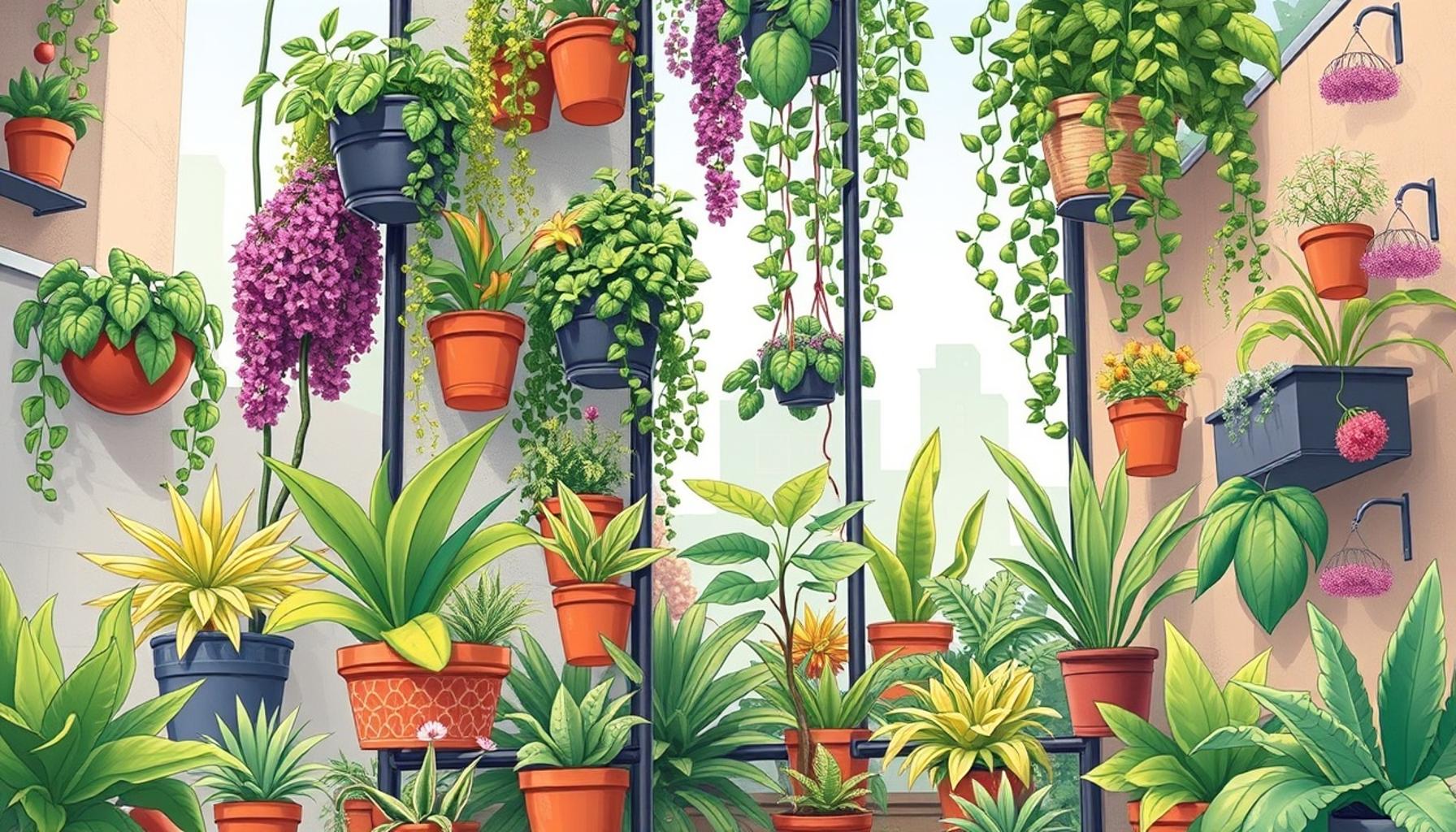
- Container Gardens: Using stacked pots and hanging plant setups is an effective way to get creative while introducing greenery to any space.
- Hydroponics and Aeroponics: Soilless growing methods are particularly appealing for urban gardeners seeking efficiency. Hydroponics uses nutrient-rich water instead of soil, while aeroponics suspends plants in air, allowing for rapid growth and a minimal environmental footprint.
The rise of vertical gardening is more than just a trend; it reflects a growing movement towards sustainability and ecological responsibility within urban environments. By reframing how we think about space, individuals can play an active role in cultivating green spaces, fostering community engagement, and promoting healthier lifestyles. Whether you’re a seasoned gardener or a curious beginner, exploring vertical gardening offers exciting possibilities to make gardening accessible and rewarding, no matter your living situation.
DISCOVER MORE: Click here to learn about essential soil preparation techniques
Unveiling the Potential of Vertical Gardening
Vertical gardening is not merely an artistic endeavor; it’s a practical response to the challenges posed by urban living. With an increasing number of residents squeezing into metropolitan areas, innovative solutions that merge style with sustainability have never been more critical. Beyond aesthetics, vertical gardening provides an effective means of maximizing limited spaces while addressing environmental concerns.
The foundation of vertical gardening lies in its versatility. Homeowners and apartment dwellers alike can implement a variety of systems tailored to their specific needs and available space. Here are some of the notable techniques that exemplify the adaptability of vertical gardening:
- Green Walls: Also known as living walls or bio-walls, these vertical installations can feature a diverse range of plants, effectively creating a mini-ecosystem. They can help reduce urban heat, improve insulation, and reduce noise pollution in densely populated areas.
- Vertical Planter Boxes: These are simple structures that can be mounted on walls or fences and are ideal for growing edibles like herbs and vegetables. The convenience of having fresh produce at arm’s reach greatly enhances a kitchen’s capabilities.
- Pallet Gardens: An innovative and cost-effective way to start a vertical garden, repurposed wooden pallets allow for a creative planting setup. Whether used for herbs or flowers, they can be a charming focal point for any environment.
- Freestanding Trellises: Perfect for small yards or patios, freestanding trellises support climbing plants such as tomatoes, cucumbers, and peas. This approach not only elevates the plants, making them easier to harvest but also increases air circulation and reduces disease risks.
Moreover, vertical gardens can substantially contribute to reducing carbon footprints. According to the National Oceanic and Atmospheric Administration (NOAA), indoor plants are effective at removing volatile organic compounds (VOCs) and particulate matter from the air. These pollutants often stem from paints, cleaning products, and office furniture, making plants an essential ally in promoting indoor air quality. As urban dwellers strive to create healthier living environments, the emphasis on incorporating green elements into their spaces takes center stage.
Another compelling reason to consider vertical gardening is the growing interest in local food production. Many urban residents are turning to home gardening as a means of combating food insecurity and ensuring access to fresh, nutritious produce. The United States Department of Agriculture (USDA) highlights how community gardens and urban farms cultivate both sustainability and community cohesion, and vertical gardening encapsulates this movement perfectly. By growing food right in their homes, city dwellers can significantly reduce their reliance on store-bought groceries, connecting them more closely with what they consume.
As urbanization continues to unfold, the importance of green initiatives such as vertical gardening will only intensify. This approach reimagines how we utilize space, encouraging a deeper connection with nature and fostering a more sustainable future. In this ever-evolving landscape, vertical gardening emerges not just as a trend, but as a profound shift in how we cultivate our environment.
| Advantages | Details |
|---|---|
| Space Efficiency | Vertical gardening utilizes vertical space effectively, making it ideal for urban dwellers with limited square footage. |
| Environmental Benefits | These gardens contribute to reducing urban heat, improving air quality, and can even prevent soil erosion. |
| Accessibility | Vertical setups make it easier to care for plants without bending down, catering to all age groups. |
| Increased Yield | By maximizing space vertically, gardeners can grow more produce in a smaller area, enhancing food sustainability. |
The space efficiency of vertical gardening is one of its most compelling features, allowing people to cultivate gardens even in small apartments or patios. This innovative approach not only creates a scenic environment but also provides a productive space for growing fresh herbs and vegetables. Moreover, the environmental benefits associated with vertical gardens cannot be overstated. They play a significant role in mitigating urban pollution and enhancing biodiversity, fostering refuge for various species. Importantly, accessibility is a cornerstone of vertical gardening, as these gardens are often designed to be user-friendly. Elderly individuals and those with mobility challenges can enjoy the therapeutic benefits of gardening without the physical strain.Lastly, the prospect of increased yield signifies a revolutionary approach towards food production. With limited land, maximizing output through vertical growth techniques paves the way for sustainable eating habits in urban settings. The adoption of vertical gardening systems not only nurtures plants but also nurtures a sustainable lifestyle.
DISCOVER MORE: Click here for essential tips
Enhancing Biodiversity and Urban Resilience
Beyond its aesthetic appeal and air purification capabilities, vertical gardening plays a vital role in promoting biodiversity and urban resilience. In cities worldwide, the rise of impervious surfaces—such as asphalt and concrete—has led to significant habitat loss for birds, insects, and other wildlife. Integrating vertical gardens into urban landscapes can mitigate this loss by offering natural habitats even in densely populated areas.
Research conducted by the Green Roofs for Healthy Cities initiative indicates that green roofs and vertical gardens can significantly support local ecosystems. These vertical landscapes not only provide shelter for various species but also serve as urban refuges for pollinators like bees and butterflies, which are vital for maintaining biodiversity and ensuring food security. Implementing vertical gardening practices in urban settings can help restore ecological balance, allowing nature to thrive alongside architectural developments.
Moreover, with climate change posing an increasing threat to urban environments, vertical gardens can enhance resilience against extreme weather. These green structures can absorb rainwater, thus reducing the risk of flooding—a common issue in urban areas during intense rainstorms. According to the U.S. Environmental Protection Agency (EPA), green infrastructures can assist in managing stormwater runoff while alleviating the burden on municipal drainage systems.
Vertical Gardening as an Educational Tool
Vertical gardening isn’t just for seasoned horticulturists; it serves as an educational platform for communities and schools alike. Creating vertical gardens can engage individuals of all ages in learning about plant biology, nutrition, and sustainability. Educational institutions in urban settings have begun incorporating vertical gardens into their curriculums, allowing students to cultivate plants while enhancing their understanding of environmental science and food systems.
Programs that promote urban agriculture often showcase vertical gardening as an essential component. Schools that create vertical gardens not only benefit from direct access to fresh produce but also cultivate a sense of responsibility and pride among students. By seeing the fruits of their labor, young minds can develop a deeper appreciation for the environment, sustainability, and nutrition.
Community Initiatives and Urban Development
The role of vertical gardening extends into community initiatives aimed at revitalizing urban areas. Local governments and organizations across the United States are increasingly recognizing the importance of green spaces in enhancing community well-being and social ties. For example, initiatives such as the Greening the Grid program in Chicago encourage residents to transform underutilized public spaces into vibrant community gardens. By focusing on vertical gardening, these initiatives not only beautify neighborhoods but also foster collaborations among residents.
Public service projects that utilize vertical gardens can serve as a demonstration of sustainable practices, encouraging nearby residents to adopt similar initiatives in their homes. As urban development continues to evolve, the integration of vertical gardens can contribute hand-in-hand with other sustainability efforts, fostering cohesive communities that prioritize environmental stewardship.
Ultimately, the potential of vertical gardening as a sustainable solution for limited space environments cannot be overstated. With its multifaceted benefits ranging from enhancing air quality to bolstering biodiversity, vertical gardening is paving the way for healthier, more resilient urban living. As more individuals and communities embrace the concept, the impact of this innovative approach will only grow, inspiring a new generation of city-dwellers to cultivate their environments sustainably.
LEARN MORE: Click here to discover expert tips on watering your garden
Conclusion: Embracing Vertical Gardening for a Sustainable Future
In conclusion, vertical gardening emerges as a transformative solution for addressing the challenges posed by limited space environments, particularly in urban settings. As cities grapple with rapid population growth and environmental degradation, the benefits of vertical gardens extend beyond their visual appeal. They are vital ecosystems that contribute to cleaner air, enhanced biodiversity, and increased resilience against climate change impacts.
The integration of vertical gardens not only provides habitat for wildlife but also fosters community engagement and educational opportunities. Schools and urban initiatives utilizing vertical gardening create awareness about sustainable practices and healthy living, empowering the next generation to take active roles in environmental stewardship. This hands-on approach enhances public understanding of food systems and ecological responsibility, essential components for a sustainable future.
Furthermore, as municipalities embrace green infrastructure like vertical gardens, they pave the way for extensive urban revitalization. Initiatives across the United States, such as the Greening the Grid program, illustrate how collective efforts can convert dreary urban landscapes into vibrant green spaces that nurture social connections and foster community well-being.
As we move forward, prioritizing vertical gardening in urban planning and local development strategies will be crucial. The potential of this innovative approach is immense, promising not only aesthetic enhancement but also ecological resilience and sustainability. In an era where urban spaces continue to evolve, embracing vertical gardening may well be the key to cultivating a greener, healthier planet for generations to come.