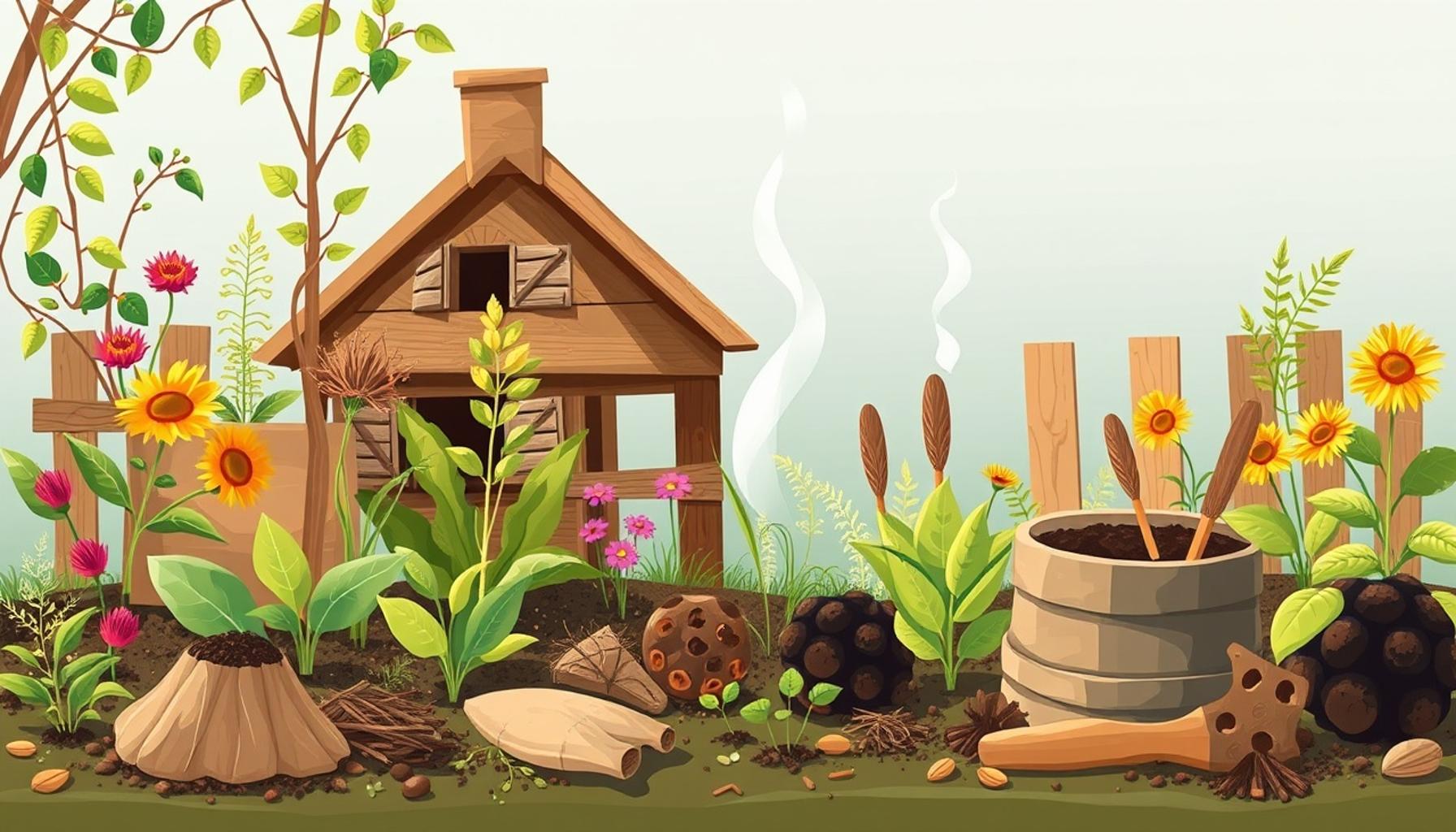
Cultivating Native Plants: Benefits for the Local Ecosystem and Climate Adaptation

Importance of Native Plants
In a time when environmental concerns are at the forefront of global discussions, the role of native plants is critical not only for ecological stability but also for aesthetic and practical gardening practices. Although often overlooked, native flora offer solutions to some of the pressing challenges related to climate change and biodiversity loss. Whether you are a seasoned gardener or a curious beginner, understanding the profound impact of local species on your garden and the wider environment can lead to more sustainable choices.
Ecological Benefits
Native plants play a pivotal role in creating a balanced ecosystem. They are a primary food source for many wildlife species, including bees, butterflies, and hummingbirds. For example, the Eastern Red Cedar provides berries for birds and crucial habitat for various insects, while also supporting flora unique to its ecosystem. By incorporating such plants, gardeners can foster rich habitats right in their backyards, which stimulate local food webs and promote biodiversity.
Soil Health and Water Conservation
The advantages of native plants extend to soil health as well. Plants like Butterfly Weed or Prairie Dropseed develop deep root systems that contribute to improved soil structure. This not only reduces erosion but also enhances the soil’s ability to retain moisture and nutrients, creating a self-sustaining environment that fosters healthy plant growth. Moreover, native plants are naturally adapted to local precipitation levels, often thriving with minimal water input. This inherent resilience translates into significant water savings, making them an eco-friendly choice for the increasingly water-scarce regions across the United States.
Climate Adaptation and Resilience
As extreme weather patterns become more common, the immediate benefits of integrating native plants into our landscapes are clear. They are not only hardier but also better adapted to withstand challenges such as drought or flooding. For instance, Swamp Milkweed thrives in wetter conditions, making it ideal for areas susceptible to heavy rainfall. In doing so, native plants help to bolster community resilience against climate adversities, providing a buffer that protects both the environment and local ecosystems.
Lower Maintenance and Biodiversity Support
Those who choose native plants often find that they require less maintenance once established, which translates into lower gardening costs over time. Native plants typically need fewer fertilizers and pesticides, thus enhancing both human and environmental health. Furthermore, fostering biodiversity in your garden supports native organisms, which often face habitat loss and declining populations due to urbanization and agricultural expansion. By selecting plants such as Coneflower or Black-eyed Susan, you provide crucial resources for native pollinators, contributing to the ecological balance that is vital for community health.
In summary, the many advantages of cultivating native plants offer a profound opportunity for individuals and communities to make informed, sustainable choices that benefit both themselves and the environment. Taking steps to familiarize oneself with local flora can transform ordinary gardens into lush, resilient landscapes. By choosing native plants, we not only beautify our surroundings but also champion the health of our ecosystems. Join the movement towards sustainability and witness how your gardening choices resonate far beyond your backyard.
DISCOVER MORE: Click here for expert tips on timing your planting
Enhancing Local Biodiversity
The integration of native plants into our gardens and landscapes serves as a gateway to enriching local biodiversity. In the United States, where urban sprawl frequently threatens natural habitats, the introduction of indigenous species can play a critical role in maintaining ecological balance. Unlike non-native flora, which may require additional resources to thrive and often resonate poorly with local wildlife, native plants have co-evolved with the local ecosystem, forming essential relationships with wildlife and contributing to the overall health of the environment.
Supporting Pollinator Populations
One of the most salient benefits of cultivating native plants is their ability to support crucial pollinator populations, such as bees, butterflies, and hummingbirds. According to the U.S. Fish and Wildlife Service, pollinators contribute to the production of more than 75% of the fruits, vegetables, and nuts in the United States. By fostering a garden rich in native species, such as Milkweed for Monarch butterflies or Bee Balm for various bee species, gardeners can create a rewarding ecosystem that sustains these essential creatures.
Key Native Plants to Consider
Some of the most beneficial native plants to consider include:
- Echinacea purpurea (Purple Coneflower): Attracts butterflies and other pollinators.
- Asclepias tuberosa (Butterfly Weed): A magnet for butterflies, particularly Monarchs.
- Rudbeckia hirta (Black-eyed Susan): Supports various pollinators and thrives in sunny areas.
- Solidago spp. (Goldenrod): Vital for late-season pollinators, blooming in late summer and fall.
These plants not only provide food and habitat for local wildlife but can also help preserve critical insect populations that are responsible for plant pollination. The decline of bee populations, particularly in agricultural areas, is leading to a growing awareness of the importance of maintaining a healthy ecosystem. To that end, choosing native plants can be an effective strategy to support conservation efforts irrespective of one’s gardening expertise.
Natural Pest Management
In addition to providing nourishment for wildlife, native plants can benefit gardeners by naturally deterring pests. Certain native species possess characteristics that make them less appealing to invasive pests while attracting beneficial insects that prey on these unwanted visitors. For example, plants like Lantana and Marigolds can serve as natural repellents, reducing the need for chemical pesticides. This organic approach not only supports a healthier garden environment but also fosters a holistic relationship with nature, promoting a more sustainable framework for gardening within the community.
By understanding the critical role native plants play in supporting local biodiversity, individuals can make informed decisions that positively impact their habitats. As gardeners, we have the power to create vibrant ecosystems by choosing to cultivate native flora, thus paving the way for a greener, healthier future for our communities and the planet.
The process of cultivating native plants is not merely a gardening trend but a vital practice that offers remarkable benefits to local ecosystems and enhances climate adaptation. These plants, well-adapted to the local environment, play a key role in supporting biodiversity and maintaining ecological health. By choosing to cultivate native species, gardeners and landowners can contribute to restoring habitats that have been altered by human activity.
One essential aspect of native plants is their ability to promote wildlife conservation. These plants provide crucial resources such as food and shelter for native fauna. Birds, insects, and other wildlife have co-evolved with local flora, relying on specific plants for survival. Preserving these relationships ensures that ecosystems remain balanced and robust. Furthermore, cultivating a diverse range of native species helps to create vibrant landscapes, enhancing the beauty of our surroundings and fostering a sense of connection with nature.
Moreover, native plants are often more disease-resistant and require less maintenance than non-native varieties, reducing the need for chemical fertilizers and pesticides. This not only saves time and money for gardeners but also protects local soil and water quality, which are essential for sustaining healthy ecosystems. As climates change, these resilient species will remain better equipped to thrive since they have adapted to the local variables over millennia.
To further reveal the numerous advantages of cultivating native plants, consider the following table:
| Category | Key Features |
|---|---|
| Biodiversity | Supports a variety of local species, enhancing ecosystem resilience. |
| Sustainability | Requires minimal inputs; adapts efficiently to local climate conditions. |
With these benefits in mind, the importance of native plants extends beyond aesthetics—it’s a crucial factor in fostering healthy ecological practices. As communities begin to recognize the immense value of integrating these plants into everyday environments, the potential for environmental enhancement becomes palpable. This exploration of native plants not only has significant local impacts but can also catalyze a broader shift towards sustainable living practices in response to climate challenges.
LEARN MORE: Click here for essential soil preparation tips
Climate Resilience and Adaptation
As the planet grapples with the effects of climate change, the role of native plants in fostering resilience in local ecosystems becomes increasingly vital. Unlike exotic species, native plants are inherently adapted to their local climate and soil conditions, making them more resilient to changing weather patterns, droughts, and other environmental stresses. By incorporating native plants into our landscapes, we support not only regional biodiversity but also enhance our natural defenses against climate impacts.
Water Conservation
Water scarcity is a pressing issue in many regions of the United States, and choosing native plants can significantly reduce water consumption. Many native species have evolved to thrive in local conditions, requiring less supplementary irrigation compared to non-native plants. For instance, California Poppy (Eschscholzia californica) and Creosote Bush (Larrea tridentata) are desert dwellers that can survive with minimal rainfall, making them ideal for arid environments. In contrast, popular ornamental plants from other climates may demand extensive watering, exacerbating water shortages. Gardeners seeking to lower their water footprint can turn to native flora to create sustainable, moisture-conserving landscapes.
Soil Health and Erosion Control
Native plants are not only adept at surviving challenging conditions; they also contribute to soil health. Their extensive root systems help prevent soil erosion by anchoring the soil and improving its structure. For example, Little Bluestem (Schizachyrium scoparium) is known for its robust root system that holds soil in place while promoting nutrient recycling within the ground. By planting native species, communities can cultivate resilient landscapes that protect the soil from degradation, thereby enhancing the land’s overall ecological integrity.
Carbon Sequestration and Air Quality
As society faces increasing levels of carbon emissions, native plants offer an environmentally sound solution for climate adaptation by acting as natural carbon sinks. Plants absorb carbon dioxide and release oxygen through photosynthesis, and indigenous species are particularly effective due to their long lifespans and capacity for healthy growth in their native environments. For instance, planting native trees such as White Oak (Quercus alba) can sequester substantial amounts of carbon, thereby contributing to cleaner air and mitigating climate change impacts.
Furthermore, integration of native plants in urban areas can improve air quality by reducing pollutants. Green spaces filled with native vegetation can act as natural filters, catching airborne particulates and purifying the air for city inhabitants. This aspect of choosing native plants provides multiple layers of benefit—not only for the ecosystem but also for public health.
Engaging in the cultivation of native plants can offer communities an effective, viable strategy to combat climate change while enhancing their local ecosystems. As individuals harness the power of native flora, they contribute to a broader movement encouraging sustainable practices that prioritize resilience and biodiversity in a world with shifting climate patterns. This proactive step toward the use of indigenous species represents a collective commitment to the wellbeing of our planet and its inhabitants.
DISCOVER MORE: Click here to delve into soil microbiology for your home garden!
Conclusion
The cultivation of native plants represents not merely a gardening trend, but a crucial strategy for fostering ecological integrity and enhancing climate resilience. As communities across the United States contend with the escalating impacts of climate change, embracing indigenous flora allows us to restore natural habitats, reduce water consumption, and improve soil health. These plants have evolved to thrive in local environments, making them inherently more resilient to the stresses of drought and unpredictable weather patterns.
Moreover, native plants play a pivotal role in carbon sequestration, helping mitigate atmospheric carbon levels while simultaneously enhancing air quality. By incorporating species such as the White Oak into both residential gardens and public spaces, we can cultivate green infrastructures that actively promote healthier ecosystems and improve community well-being.
Engaging with native plant cultivation is not merely about aesthetics; it’s a sustainable practice that encourages individuals and municipalities alike to consider their environmental impact. This grassroots movement is essential for creating landscapes that not only support diverse wildlife but also serve as natural defenses against climate-related challenges. As we witness the changes in our environment, the call to action becomes clearer: by prioritizing native plant species, we embrace a future that respects local biodiversity and responds to the pressing demands of climate adaptation.
In conclusion, the adoption of native plants signifies our commitment to ecological stewardship and highlights the importance of working in tandem with nature. Each small step taken towards cultivating native species contributes significantly toward building resilient ecosystems that thrive amid change.