DIY Organic Pest Control Solutions for Small Gardens
Transform Your Garden with Natural Solutions
Small gardens are often vulnerable to pests, turning your green paradise into a battleground. With the increasing demand for organic gardening, many are seeking effective, non-toxic pest control methods. Why rely on harsh chemicals when nature provides powerful alternatives? Embracing organic practices not only benefits your garden but also supports the overall health of the environment.
Benefits of DIY Organic Pest Control
Organic pest control solutions come with numerous advantages, and understanding these can make all the difference in your gardening experience. Here are the key benefits:
- Environmental safety: By using organic methods, you protect not only your plants but also vital organisms like beneficial insects and pollinators such as bees and butterflies. These creatures are essential for plant reproduction and maintaining ecological balance.
- Healthier produce: Growing your fruits and vegetables without harsh chemicals ensures they remain chemical-free. This not only benefits your health but can also enhance the flavor of your produce, making your homegrown fruits and vegetables taste better than store-bought ones.
- Cost-effective: Many organic pest control solutions can be made from common household items. For instance, a mixture of soap and water is often effective against soft-bodied insects, while essential oils like peppermint or lavender can serve as natural repellents.
By implementing simple DIY techniques, you can reclaim your garden from invasive pests. Recipes for natural repellents, such as a garlic spray (made by blending garlic cloves with water) or a cayenne pepper mix, can deter many garden invaders. Additionally, compost tea is a powerful boost for plants, enhancing not only growth but also resilience against pests, fortifying the garden’s overall health.
What to Explore Further
This article will delve into various DIY organic pest control methods suited for small gardens, providing you with valuable insights. Here, we will cover:
- Easy-to-follow recipes for natural deterrents, offering step-by-step guidance to ensure success.
- Tips on enhancing biodiversity in your garden, such as introducing native plants and creating habitats for predatory insects, which can help naturally keep pest populations in check.
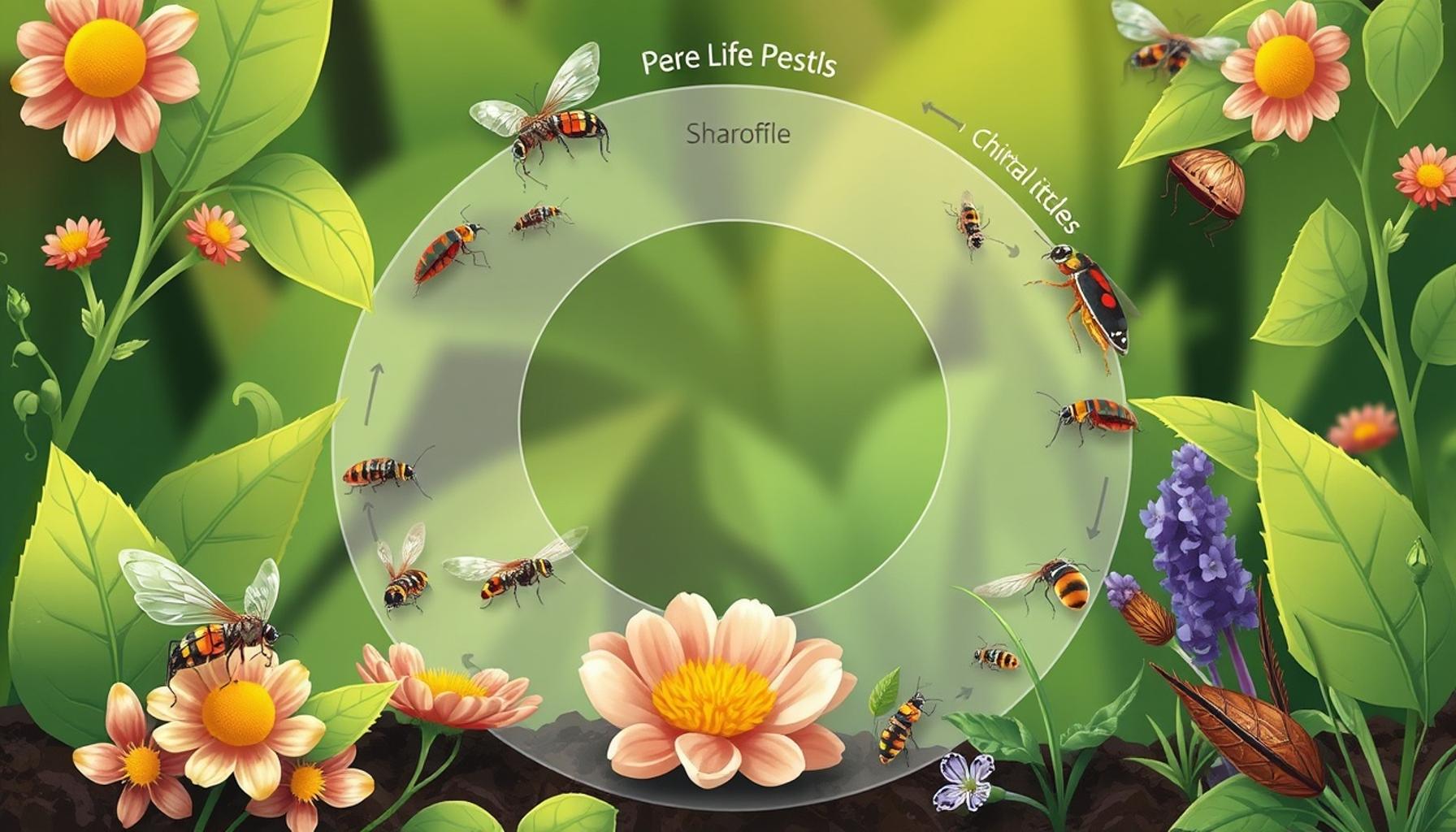
- How to monitor and manage pest populations effectively, including the use of traps, regular plant inspections, and understanding pest life cycles to implement timely interventions.
With these methods, you can embrace sustainable gardening practices that not only safeguard your plants but also nurture the environment. Enjoy the satisfaction of a thriving garden that flourishes naturally, supporting both your desire for a healthy garden and the well-being of the planet.
DIVE DEEPER: Click here for low-maintenance plant ideas
Effective Homemade Remedies
In the realm of DIY organic pest control solutions, creativity and resourcefulness can be your greatest allies. Many remedies are inspired by traditional practices and utilize ingredients that are not only effective but also easy to source. By making your own pest control sprays and treatments, you can ensure you know exactly what goes into your garden, eliminating any harmful chemicals. Let’s explore some of the most effective homemade solutions.
Common DIY Recipes for Pest Control
- Soap Spray: This is one of the simplest yet most effective solutions. To create this insecticidal soap, combine 2 tablespoons of pure liquid soap (like Castile soap) with one quart of water. Mix well and pour into a spray bottle. Target pests such as aphids and spider mites by spraying directly on infested plants, ensuring coverage on both the tops and bottoms of leaves.
- Garlic Spray: Known for its strong aroma, garlic acts as a natural deterrent for many pests. Blend 2 whole garlic bulbs with 2 cups of water, strain the mixture, and add a few drops of liquid soap to help it adhere to plant surfaces. Spray this concoction on plants to ward off whiteflies, beetles, and other unwanted visitors.
- Cayenne Pepper Solution: This fiery mix is great for repelling soft-bodied insects. Combine 1 tablespoon of cayenne pepper with 1 quart of water and a few drops of liquid soap. Allow it to sit overnight before straining and spraying it on affected areas. Just be cautious with the application, as it may irritate your skin and cause discomfort if it gets in your eyes.
- Neem Oil: Extracted from the seeds of the neem tree, neem oil is an excellent natural pesticide that disrupts the life cycle of insects. Dilute 2 tablespoons of neem oil with one quart of water and a few drops of dish soap. This mixture can be sprayed on plants to combat pests such as thrips, mealybugs, and whiteflies.
In addition to these easy recipes, it’s important to mention that some organic pest control solutions work best when used preventively. For example, regularly spraying your plants with a diluted mixture of compost tea helps promote healthy growth while fortifying them against pest invasions. This nutrient-rich brew provides essential microbes that enhance plant immunity, allowing them to better resist pests.
Know Your Pests
Before implementing any pest control methods, it’s beneficial to identify the specific pests wreaking havoc in your garden. Each pest has its own weaknesses, and targeting them with the right homemade remedy is key to success. Common pests like aphids, caterpillars, and slugs require different approaches. Regularly inspect your plants, noting signs of infestation, and employ your crafted solutions accordingly for optimal results.
With a bit of experimentation and attention to detail, you can develop a customized pest control regimen that works for your small garden. In the next sections, we will delve into enhancing biodiversity in your gardening space and the various steps you can take to create a balanced ecosystem, ultimately supporting your garden’s health and vitality.
| Advantage | Benefit |
|---|---|
| Eco-Friendly Approach | Utilizing natural ingredients ensures that the garden remains safe for beneficial insects and pets, promoting a healthy ecosystem. |
| Cost-Effective Solutions | Many DIY pest control methods use common household items, which reduces the need for expensive commercial pesticides and helps save money. |
Implementing DIY organic pest control solutions not only enhances the well-being of your small garden but also empowers you as a gardener. The eco-friendly approach uses readily available ingredients, transforming your garden into a sanctuary for both flora and fauna. Meanwhile, the financial benefits of low-cost materials open up possibilities for greater experimentation in your pest control strategies.Many gardeners have found success with homemade insecticidal soaps or garlic sprays. These methods effectively deter pests without compromising the integrity of plants or the surrounding environment. Additionally, the rewarding feel of caring for your garden while adhering to sustainable practices leads to a more fulfilling gardening experience. The hands-on element in tackling pest problems fosters a deeper connection to nature and heightens awareness of the balance needed in small garden ecosystems, confirming that organic doesn’t have to mean complicated.
DISCOVER MORE: Click here to learn about sustainable irrigation techniques
Enhancing Biodiversity in Your Garden
To effectively tackle pest problems, it’s crucial to understand that biodiversity plays a significant role in maintaining a healthy garden ecosystem. By encouraging a variety of plants, insects, and animals, you not only create a more vibrant environment but also introduce natural pest control mechanisms into your garden. Let’s dive deeper into the benefits of biodiversity and how you can enhance it in your small garden.
Companion Planting Strategies
- Basil and Tomatoes: These two plants make fantastic companions. Basil not only repels harmful insect pests like aphids and fruit flies but also enhances the flavor of tomatoes. Planting these together can lead to a more fruitful yield.
- Marigolds: By introducing marigolds into your garden, you provide a trap for nematodes and deter nematodes and various beetles, including the notorious cucumber beetle. Their bright blooms also attract beneficial insects, such as ladybugs and lacewings.
- Nasturtiums: These bright flowers are not just visually appealing; they act as a natural repellent for aphids and whiteflies. Moreover, nasturtiums serve as a trap crop, luring pests away from your other plants and protecting them.
Implementing companion planting is an effective DIY technique that not only enhances biodiversity but also improves your garden’s overall resilience against pests. By strategically selecting plant combinations that thrive together, you create a more balanced ecosystem.
Attracting Beneficial Insects
Encouraging beneficial insects into your garden is another pivotal aspect of fostering biodiversity. Many insects play crucial roles in pest control, acting as natural predators to creatures that harm your plants. To attract these helpful allies, consider the following tactics:
- Planting Nectar-Rich Flowers: Flowers such as dill, fennel, and yarrow serve as food sources for beneficial insects like ladybugs and hoverflies. These insects help to keep aphid populations under control and contribute significantly to plant health.
- Providing Shelter: Build small insect hotels using natural materials such as straw, wood, or bamboo. These shelters offer homes for beneficial insects, allowing them to thrive and reproduce in your garden.
- Water Sources: A small birdbath or a collection of shallow dishes filled with water can attract not only birds, which eat pests, but also beneficial insects, providing hydration they need to flourish.
By implementing these strategies, you create a welcoming environment for beneficial insects while organically mitigating pest issues. Understanding the role each creature plays in your garden can transform your approach to pest control, rendering traditional remedies less necessary.
Creating Habitats for Wildlife
Incorporating wildlife into your gardening strategy can enhance resilience against pests significantly. Birds, frogs, and bats are natural predators that can help reduce pest populations effectively. Here are ways to observe and support them:
- Native Plants: Cultivating native plants not only fosters biodiversity but also attracts wildlife. Native flora supports the local ecosystem, making it easier for beneficial insects and animals to thrive.
- Creating Habitat Zones: Establish specific areas within your garden for wildlife, such as dense brush piles, wildflower meadows, or small ponds. These natural settings encourage animals to visit and provide essential support in controlling pests.
By embracing biodiversity and taking steps to create a balanced ecosystem, you empower your small garden to defend itself against pests more effectively. In the next section, we will explore how maintaining soil health can further enhance your garden’s resilience and vitality, contributing to successful organic pest management.
DISCOVER MORE: Click here to learn about effective soil preparation
Conclusion: Embracing Nature’s Wisdom for Pest Management
In summary, DIY organic pest control solutions for small gardens not only promote a healthier ecosystem but also foster a sustainable approach to gardening. By enhancing biodiversity through companion planting, attracting beneficial insects, and creating habitats for wildlife, you transform your garden into a self-regulating environment capable of naturally mitigating pest issues. The strategies outlined—such as integrating marigolds and nasturtiums, providing shelter for insects, and utilizing native plants—are effective steps towards building a robust, resilient garden.
Furthermore, by utilizing these organic methods, you not only safeguard your garden’s health but also contribute to the conservation of local ecosystems. As you implement these techniques, you will likely find that observing the intricate relationships between plants and creatures adds a new depth to your gardening experience. It becomes not just a task, but a symbiotic journey with nature.
Finally, remember that taking a holistic approach to your small garden can lead to not just pest management, but also enhanced soil health and improved crop yields. Explore the dynamic interactions within your green space and continue to research innovative organic practices. Each small step you take is a giant leap toward creating a flourishing garden free from harmful chemicals and full of life, ensuring that your gardening endeavors bloom beautifully for seasons to come.