Seasonal Pest Management: Tips for Protecting Your Home Garden Throughout the Year
Understanding the Challenge of Garden Pest Control
Protecting your home garden from pests is an ongoing challenge that requires foresight and strategy. With the changing seasons, different pests emerge, each potentially devastating your hard work. Understanding the seasonal patterns of these invaders can make all the difference in safeguarding your beloved plants. This knowledge forms the foundation of effective garden maintenance and pest control.
Seasonal Pests and Their Impact
Seasonal pests are a significant factor to consider when planning your garden’s defense. For instance, in the United States, aphids tend to flourish in spring when new plant growth is abundant. These small, sap-sucking insects can quickly multiply, leading to stunted plant growth and even plant death if left unchecked. In summer, beetles, such as the cucumber beetle or the Japanese beetle, emerge, damaging vegetable leaves and flowers, and continuing the cycle of destruction. By identifying and anticipating these pests, gardeners can implement timely interventions that minimize their impact.
Preventative Measures for Effective Defense
Proactive preventative measures are critical to maintaining a healthy garden. Regularly inspecting your plants for signs of pests can help catch infestations early before they escalate into a larger problem. Look for discolored leaves, webbing, or actual pests, and act swiftly. Additionally, physical barriers like row covers or netting can effectively deter many pests from accessing your plants, fostering a protective shield around them. Companion planting, where you strategically plant different species in proximity, can also help repel pests. For example, planting basil near tomatoes can naturally deter hornworms.
Natural Remedies: Organic Solutions for a Healthy Garden
Using natural remedies offers a sustainable approach to pest control that is increasingly popular among modern gardeners concerned about the impacts of chemical pesticides. Organic methods like neem oil can disrupt the life cycle of various pests when applied thoroughly. Another effective strategy includes utilizing companion planting. For example, interspersing marigolds throughout your vegetable beds can repel nematodes and attract beneficial insects that prey on harmful pests. This symbiotic relationship not only keeps pests at bay but also promotes overall garden health.
Staying Informed: The Key to Defense
Furthermore, staying informed about local pest trends is invaluable. Different regions face unique pest challenges; for instance, Southern states may encounter different insect issues compared to Northern climates. Gardeners who regularly check agricultural extensions or local gardening clubs can gain insights into emerging threats in their area. Research suggests that timely responses tailored to your specific climate and garden type can drastically reduce pest-related damage. With careful attention to seasonal changes and pest behavior, your garden can thrive, remaining vibrant and productive throughout the year.
DISCOVER MORE: Click here for essential tools for your garden
Seasonal Pest Management Strategies
To effectively manage seasonal pests, gardeners must adopt a comprehensive approach that aligns with the unique challenges each season presents. As the weather warms in spring, pest populations begin to thrive. Therefore, implementing timely strategies tailored to each season is essential for maintaining a thriving garden. Here are several key tactics to consider:
Spring Strategies: Early Detection and Action
Spring signifies not only the renewal of plant life but also the awakening of pests, such as aphids and slugs. As these insects begin to invade, vigilance is crucial. Start by conducting regular inspections of your plants and note any anomalies:
- Check for discolored or curled leaves, which could indicate aphid infestations.
- Look for slime trails to spot slugs hiding in the soil or beneath mulch.
- Apply insecticidal soap to affected areas, as it is an effective method for controlling soft-bodied pests.
Additionally, planting trap crops can divert pests from your prized plants. For example, radishes can lure away flea beetles, minimizing their impact on other crops.
Summer Solutions: Managing Established Threats
As temperatures rise, so does the risk of encountering damaging pests like Japanese beetles and cucumber beetles. These pests not only feed on plants but can also facilitate the spread of diseases. Here are methods to deal with them effectively:
- Introduce beneficial insects like ladybugs and lacewings, which prey on common garden pests.
- Utilize organic repellents such as garlic spray or hot pepper wax to deter pests.
- Regularly inspect plants and handpick pests where feasible, especially on smaller plants where populations can be quickly controlled.
Implementing these strategies during the summer months helps prevent pest populations from exploding. Remember, maintaining healthy plants through watering and fertilizing is vital. A well-nourished plant can better resist pest attacks.
Autumn Preparations: Creating a Pest-Free Environment
As autumn approaches, pest control shifts toward prevention and preparation for the colder months. Many pests look for shelter as temperatures drop, which can include your garden or home. Consider these autumn tactics:
- Clear away debris and fallen leaves to eliminate breeding grounds for overwintering pests.
- Mulch your garden beds to protect plant roots but avoid excessive mulch that can harbor pests.
- Plant fall crops like kale or collards that can survive frost, deterring pests that are less active in cooler temperatures.
By addressing pest management throughout the year and adapting strategies to seasonal changes, you can cultivate a vibrant and resilient home garden. Being proactive and observant allows for effective pest control, ensuring that your plants continue to thrive despite seasonal challenges.
| Category | Description |
|---|---|
| Early Spring Preparation | Preparing your garden in early spring is essential for effective pest management. This stage involves soil testing and ensuring proper nutrient levels. |
| Integrated Pest Management (IPM) | Implementing IPM strategies helps minimize the use of pesticides while effectively controlling pest populations through monitoring and cultural practices. |
| Seasonal Monitoring | Regularly checking for signs of pest infestations can lead to early interventions and less damage to your garden. |
| Companion Planting | Utilizing plants that deter pests or attract beneficial insects alongside your crops can boost the overall health of your garden. |
| Fall Cleanup | Properly cleaning up debris and dead plants in the fall reduces overwintering pests and diseases, setting up a healthier garden for spring. |
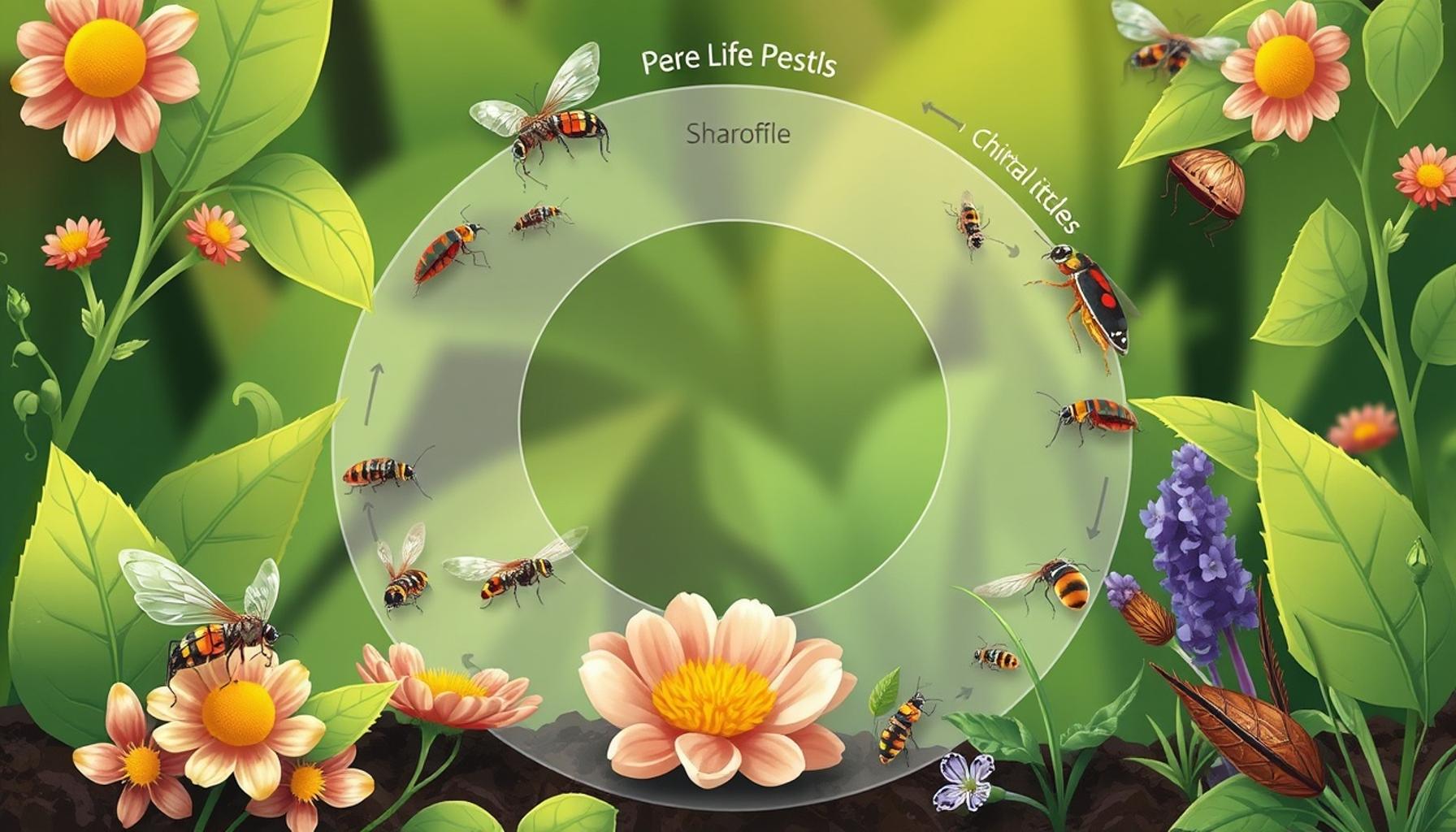
As the seasons change, so do the challenges posed by pests. Understanding the lifecycle of common pests throughout the year is critical for effective pest management. Tailoring your approach for each season not only enhances the resilience of your plants but can also lead to a more bountiful harvest. The strategies described above serve as a guideline to fortify your home garden against unwanted intruders. With an informed approach, gardening year-round can transform your space into a thriving and sustainable ecosystem. Engaging in these practices will arm you with knowledge and prevention techniques, ensuring your garden flourishes season after season.
DIVE DEEPER: Click here to learn about essential soil preparation tips
Winter Strategies: Protecting Against Hidden Threats
As winter sets in, many gardeners might believe that pest management tasks are finished until spring. However, several pests are adept at surviving harsh temperatures and can pose threats to your garden come spring. Understanding how to protect your garden during these colder months is crucial for long-term success. Below are some effective winter strategies to keep in mind:
- Conduct a thorough garden cleanup: Remove any dead or dying plant material, as these can harbor overwintering pests like spider mites and whiteflies. Disposing of these materials reduces potential breeding grounds for pests when the weather warms.
- Use row covers: Installing lightweight fabric or frost blankets can shield your garden from potential pests while providing insulation for delicate plants. These covers are especially beneficial for fall-planted crops that may be vulnerable to late frosts.
- Inspect for pests in storage: If you have any stored bulbs, seeds, or vegetables, check them for signs of infestation. Pests like mice or weevils can find their way into storage areas, risking the health of your plants for the upcoming season.
Integrated Pest Management (IPM): A Year-Round Approach
One of the most effective ways to ensure your garden remains healthy is to adopt Integrated Pest Management (IPM). This holistic approach emphasizes a combination of techniques, allowing you to minimize pest impact while promoting environmental health. Here are some key components of IPM to apply throughout the year:
- Monitoring and Identifying Pests: Regularly survey your plants to identify pests early. Familiarize yourself with the pests common in your area, such as leafhoppers or aphids, so that you can identify infestations quickly.
- Encouraging Natural Predators: Create a habitat that attracts beneficial insects. Planting a variety of flowers like dill and yarrow can attract natural pest controllers like predatory wasps and nectar-seeking beetles.
- Cultural Practices: Diversify your crops and rotate them each year to disrupt pest cycles. For instance, if you had tomatoes in a particular space last year, try planting peas or beans in that location the next season.
Educating Yourself and Staying Informed
To successfully manage seasonal pests, continuous learning is essential. Engaging with local gardening communities, attending workshops, or participating in Master Gardener programs can enhance your knowledge. Local agricultural extensions offer resources tailored to your region, providing insight on current pest threats and effective control methods. Furthermore, using online platforms dedicated to gardening can help you stay updated on the latest pest control methods, as well as connect you with fellow gardening enthusiasts facing similar challenges.
By taking a proactive and informed approach to pest management, gardeners can protect their investment and enjoy a fruitful harvest year-round. Each season offers unique challenges, but with the right strategies in place, maintaining a vibrant garden is absolutely achievable.
DISCOVER MORE: Click here to learn about natural pest control methods
Conclusion: Cultivating a Pest-Resilient Garden Year-Round
In the ever-changing landscape of gardening, seasonal pest management is essential for protecting your home garden and ensuring it flourishes throughout the year. Each season brings its own unique set of challenges, but through consistent care and informed strategies, you can mitigate the risks posed by pests. By engaging in seasonal preparations, such as thorough cleanups in winter and proactive monitoring in spring and summer, you set the stage for a robust garden ecosystem.
Implementing an Integrated Pest Management (IPM) approach—blending cultural practices, encouraging natural pest predators, and continuous education—will empower you to understand and tackle pest threats effectively. Remember, creating a diverse and resilient garden not only shields your plants but also supports local biodiversity. Engaging with local gardening communities, attending seminars, and utilizing online resources will keep you well-informed on the latest pest control strategies tailored for your region.
As you invest time in nurturing your garden, consider that every effort contributes to a vibrant and healthy environment. With these tips at your disposal, you can welcome each season with confidence, ensuring that your garden is a sanctuary for growth and a source of joy throughout the year. Embrace the journey of seasonal pest management—it’s a path that leads to not just abundant harvests, but also a deeper connection with the land around you.