Understanding the Life Cycle of Common Garden Pests to Improve Control
The Challenge of Pest Management
Each season, as gardens flourish, they also attract various pests that threaten plant health. These adversaries can be quite persistent, making a gardener’s job incredibly challenging. A deeper understanding of these pests, particularly their life cycles, can prove invaluable in implementing effective management strategies. By comprehending the distinct developmental stages of various pests, gardeners can effectively time their interventions and safeguard their green spaces from infestations.
Common Types of Garden Pests
Among the most notorious garden pests are:
- Aphids – These tiny, often green or black insects cluster on tender plant parts, sucking sap and weakening the plant. Their capability to reproduce rapidly—sometimes giving birth to live young—means an infestation can explode in a matter of days.
- Caterpillars – As the larval stage of moths and butterflies, caterpillars can be extremely destructive. They munch voraciously on leaves, sometimes stripping entire plants bare. Identifying them early can prevent irreversible damage.
- Spider mites – Though minuscule, these pests can wreak havoc. Known for their fine webs and speckled appearance on leaves, spider mites thrive in hot, dry conditions. Regular monitoring can help intercept their growth before significant damage occurs.
- Whiteflies – These minute insects resemble tiny moths and often swarm around plants. Their feeding can lead to yellowing leaves and plant stress, making them a foe every gardener should know how to tackle.
Understanding Life Cycles for Effective Management
Each pest follows a unique life cycle from egg to larva, pupa, and finally adult, with specific vulnerabilities at each stage. For instance, applying pesticide treatments during the egg or larval stages can greatly reduce the population before it matures and reproduces. Additionally, gardeners can encourage natural predators such as ladybugs, which feast on aphids, thus enhancing the ecosystem’s balance.
Equipped with this knowledge, gardeners can:
- Determine optimal treatment timing – For example, targeting aphids during their peak reproductive phase can significantly reduce their numbers.
- Select appropriate treatments – Choosing between organic options, like neem oil or insecticidal soap, versus chemical treatments ensures you are using methods that align with your gardening philosophy.
- Foster a healthy ecosystem – Creating habitats that attract beneficial insects can fundamentally reduce pest populations over time.
As we explore these pests in greater detail, we unveil not only methods to combat their presence but also strategies to cultivate a thriving garden ecosystem. With a proactive approach grounded in knowledge of pest life cycles, gardeners can turn their plots into vibrant showcases that reflect both beauty and resilience against invasive species.
DISCOVER MORE: Click here for stunning garden inspiration
Decoding the Life Cycle of Garden Pests
Understanding the intricacies of the life cycle of common garden pests is pivotal for gardeners seeking to improve control methods. Each species you encounter in your garden—from aphids to caterpillars—embarks on a unique journey through several distinct stages of life. By unraveling this mystery, you can implement timely and effective interventions, turning the tide against infestations before they escalate out of control.
The Four Stages of Life
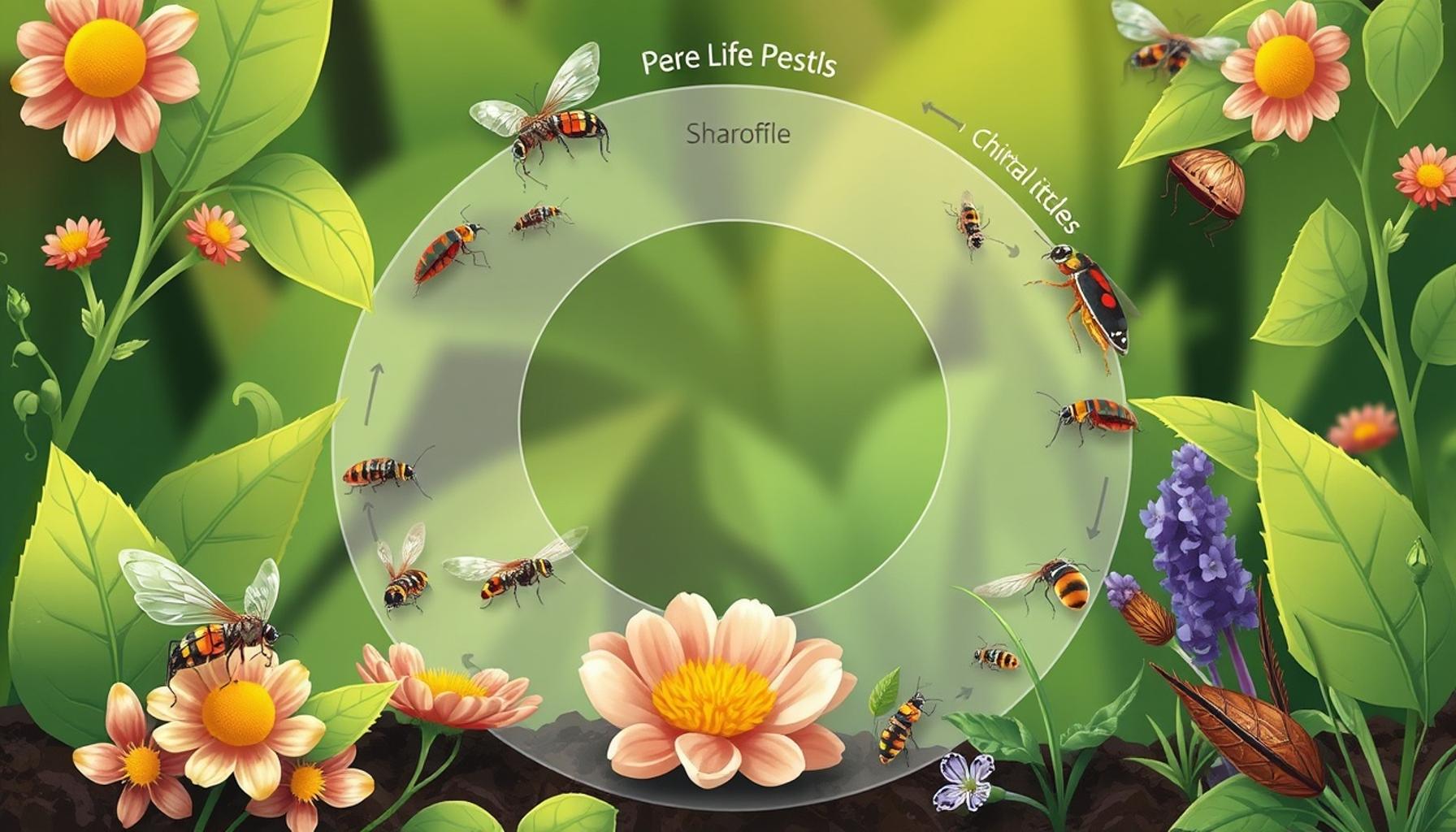
The life cycle of most garden pests can be broken down into four key stages: egg, larva, pupa, and adult. Each stage presents different vulnerabilities and opportunities for control, making it essential for gardeners to tailor their management strategies accordingly.
1. Egg Stage
Many pests begin their life as eggs laid on or near host plants. For example, aphids produce clusters of small, often camouflaged eggs that can blend seamlessly into the plant’s foliage. During this stage, it’s crucial to monitor your plants regularly—pest infestations often begin unnoticed with just a few eggs. Applying organic insecticidal sprays or natural predators during this stage can significantly reduce the likelihood of an explosion in population.
2. Larval Stage
The larval phase typically marks the first instance of significant damage to gardens. Caterpillars, as larvae of moths and butterflies, can rapidly defoliate crops before the gardener even recognizes their presence. Their voracious feeding habits mean that they can severely weaken plants in just a few days. Identifying and removing them early can protect your plants from irreversible harm. Furthermore, using biological controls, like introducing parasitic wasps that target caterpillar larvae, can provide a sustainable solution to larval infestations.
3. Pupal Stage
Next, pests enter the pupal stage, where they undergo metamorphosis. Although they are relatively inactive at this point, this stage is critical as it leads to the emergence of adult pests. During this period, the focus should shift to ensuring that the environment remains inhospitable for any pupae clinging to the debris in your garden. Regular cleaning and removal of plant waste can disrupt their development, preventing future adult infestations.
4. Adult Stage
Finally, the adult stage is characterized by the pest’s reproductive capability. For instance, female aphids can give birth to live young without mating, making their population growth potential astronomical. Understanding the timing of their reproductive cycles allows gardeners to apply preventative measures, such as targeted treatments in the early spring when adults commence laying eggs. Recognizing and managing the transition from larva to adult is crucial—an adult population can reproduce rapidly and overwhelm the garden.
By comprehensively understanding the life cycle of these common garden pests, gardeners can design proactive strategies that not only address existing problems but also minimize future risks. With a strategic focus on timing and method, it’s possible to cultivate a resilient garden ecosystem that withstands the challenges posed by these garden invaders.
| Advantage | Explanation |
|---|---|
| Enhanced Pest Identification | Understanding the life cycle stages of pests such as aphids or caterpillars allows for better identification and targeting of control methods. |
| Timing of Intervention | Knowledge of when pests are most vulnerable can significantly increase the effectiveness of control measures, reducing damage to plants. |
By gaining an understanding of the life cycles of common garden pests, gardeners can optimize their pest control methods. This includes identifying specific life stages that could be targets for interventions, thereby streamlining efforts and decreasing unnecessary pesticide applications. For example, while larvae may be highly destructive, they are also highly vulnerable during their early stage. Thus, knowing when these stages occur allows for a more strategic approach to pest management. Moreover, being aware of seasonal patterns, such as the emergence of adult moths in the spring, enables timely interventions that can disrupt the reproductive cycle of pests, effectively limiting their population growth in subsequent generations. This proactive strategy not only enhances pest control outcomes but can also lead to a healthier garden ecosystem overall. As gardeners delve deeper into these strategies, they will uncover additional nuances of pest behavior, which might lead them to explore innovative organic solutions, further enriching their gardening practices. Understanding the life cycle is not just about controlling pests; it’s about creating a thriving garden environment.
DIVE DEEPER: Click here to discover essential techniques
Invasive Species and Their Impact on the Life Cycle
In the realm of gardening, one significant challenge arises from invasive species. Invasive pests can disrupt not only the life cycle of plants but also the delicate balance of your garden ecosystem. For instance, the introduction of the spotted lanternfly, an invasive species in parts of the eastern United States, has wreaked havoc on local flora by affecting native plants and the insects that depend on them. Understanding the life cycle of such pests, which includes their prolific reproduction and resilience, is essential for effective control measures.
Identifying the Threat
Many garden pests, such as the Japanese beetle, undergo a complete metamorphosis similar to most other insects with four distinct life stages. However, their larval stage, known as grubs, poses a threat underground, damaging roots and disrupting nutrient uptake. To fend off these pests, gardeners should regularly inspect the soil and look for the tell-tale signs of damage. Utilizing beneficial nematodes can be an effective organic solution during this stage, targeting grub larvae before they transition to their damaging adult forms.
The Role of Natural Predators
One key aspect of controlling garden pests lies in exploiting the natural predators that can be found in every ecosystem. Consider ladybugs, which thrive on aphids and are instrumental in keeping their populations in check. Encouraging these beneficial insects to thrive within your garden can create a self-regulating system. Planting flowers like marigolds and dill can attract ladybugs and provide them with habitats that support their life cycle, forming a natural balance against garden pests.
Seasonal Fluctuations in Lifecycle Activity
Seasonality plays a critical role in understanding and managing a pest’s life cycle. Many pests complete their life cycles in cycles synced with the changing seasons and environmental conditions. For example, early spring often heralds the emergence of pests such as mites and thrips, which can begin breeding at an alarming rate. In contrast, other pests like the cabbage white butterfly may align their life cycle to coincide with the peak growth of their preferred host plants in late spring and summer. Gardeners should adjust their monitoring and preventive tactics in anticipation of these seasonal changes, applying preventative measures just before a pest species reaches its peak reproductive period.
Advanced Control Techniques
Technological advancements are also aiding in pest management strategies. Integrated Pest Management (IPM) combines various control methods, including cultural, mechanical, biological, and chemical measures. Monitoring tools, such as traps and pheromone lures, can provide real-time data on pest activity and inform timely interventions. With a detailed understanding of a pest’s life cycle, gardeners can deploy sprays when individuals are most vulnerable, such as during the larval stage or just before adults are set to reproduce.
In summary, navigating the complexities of the life cycle of common garden pests, including both traditional and invasive species, is fundamental to developing effective control strategies. By integrating knowledge of their life stages, environmental factors, the pest community, and advanced control technologies, gardeners can work towards cultivating a thriving and pest-resistant garden. This nuanced approach not only helps combat current infestations but also fortifies the garden against future threats, creating a resilient landscape for all its inhabitants.
DISCOVER MORE: Click here to learn how essential oils can keep pests at bay
Conclusion: Harnessing Knowledge for Effective Pest Control
In the pursuit of sustainable gardening, a thorough understanding of the life cycles of common garden pests emerges as a crucial strategy for enhancing pest control efforts. By unraveling the intricate stages of these pests—from egg to larva, pupa, and adult—gardeners gain invaluable insights that can inform precise interventions. This knowledge is not only essential for identifying when and where to apply control measures but also for fostering a healthier ecosystem within the garden.
The impact of invasive species serves as a stark reminder of the delicate balance that exists within our gardens. By recognizing the habits and vulnerabilities of pests such as the spotted lanternfly or the Japanese beetle, gardeners can anticipate threats and act proactively to mitigate damage. Furthermore, embracing the role of natural predators, such as ladybugs, contributes to an eco-friendly approach that reduces dependency on chemical treatments.
Incorporating seasonal awareness into pest management allows gardeners to time their interventions more effectively, making use of methods like Integrated Pest Management (IPM) and leveraging advances in technology. As we navigate these evolving challenges, it becomes clear that adopting a comprehensive understanding of pest life cycles and employing thoughtful strategies can lead to thriving gardens resistant to future infestations.
Ultimately, by making informed decisions based on the life cycles of garden pests, we not only protect our plants but also nurture the overall health of the environment. As gardeners continue to innovate and adapt, the combination of knowledge, strategy, and respect for nature will pave the way for flourishing landscapes.