Aesthetic Plant Selection: Creating a Visually Pleasing Garden with Color and Texture
Designing an Enchanting Outdoor Sanctuary
The garden is often seen as a simple patch of land, but with an imaginative approach, it can transform into a visually stunning escape. The power of nature lies in its ability to evoke feelings of tranquility and wonder. With the right selection of plants, combined with thoughtful design elements, you can create an environment that captivates the senses and invites exploration.
Achieving such an aesthetic wonder requires an understanding of aesthetic plant selection. This art involves balancing colors, textures, and seasonal surprises to curate a landscape that evolves over time.
Color Palette
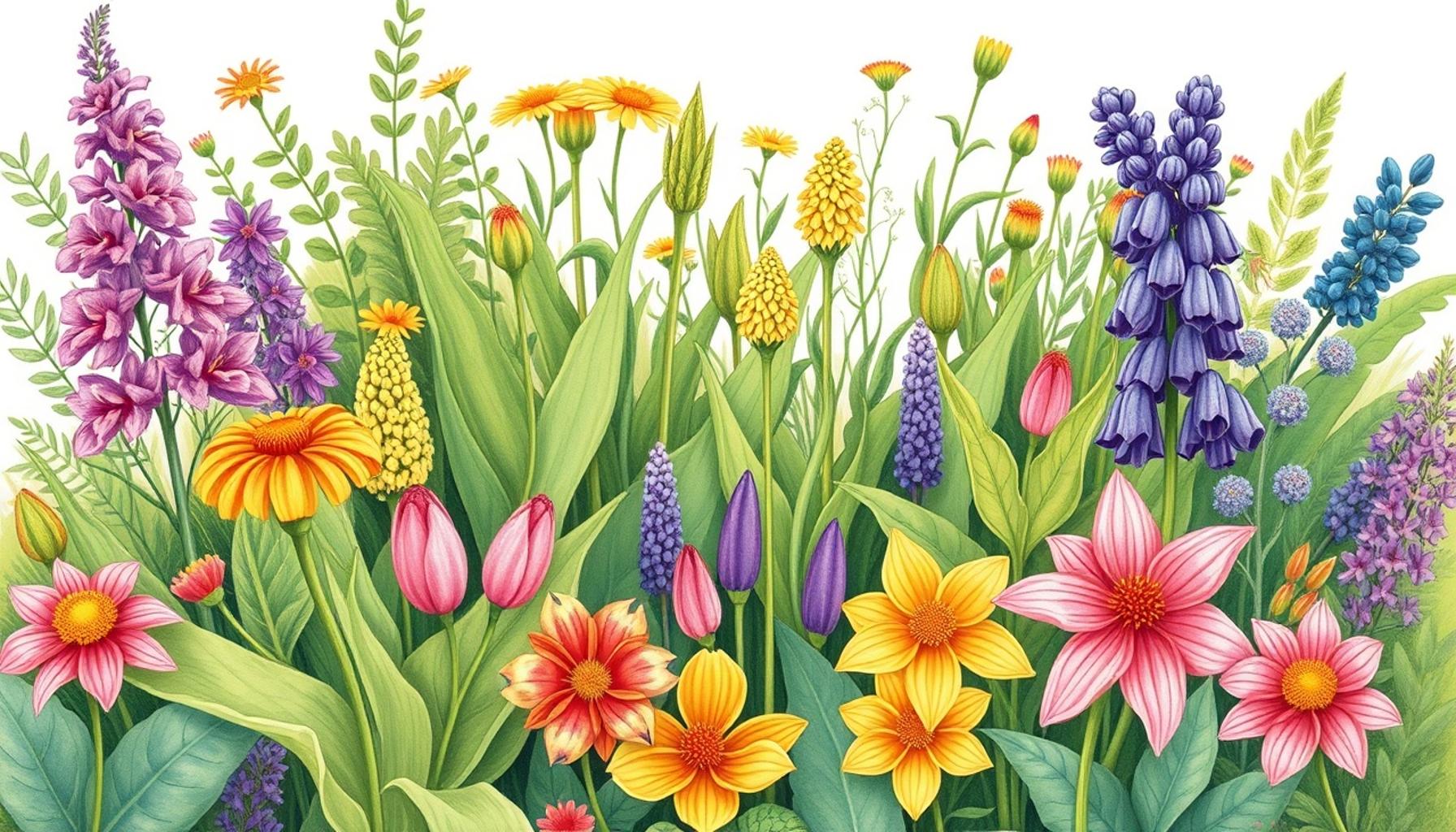
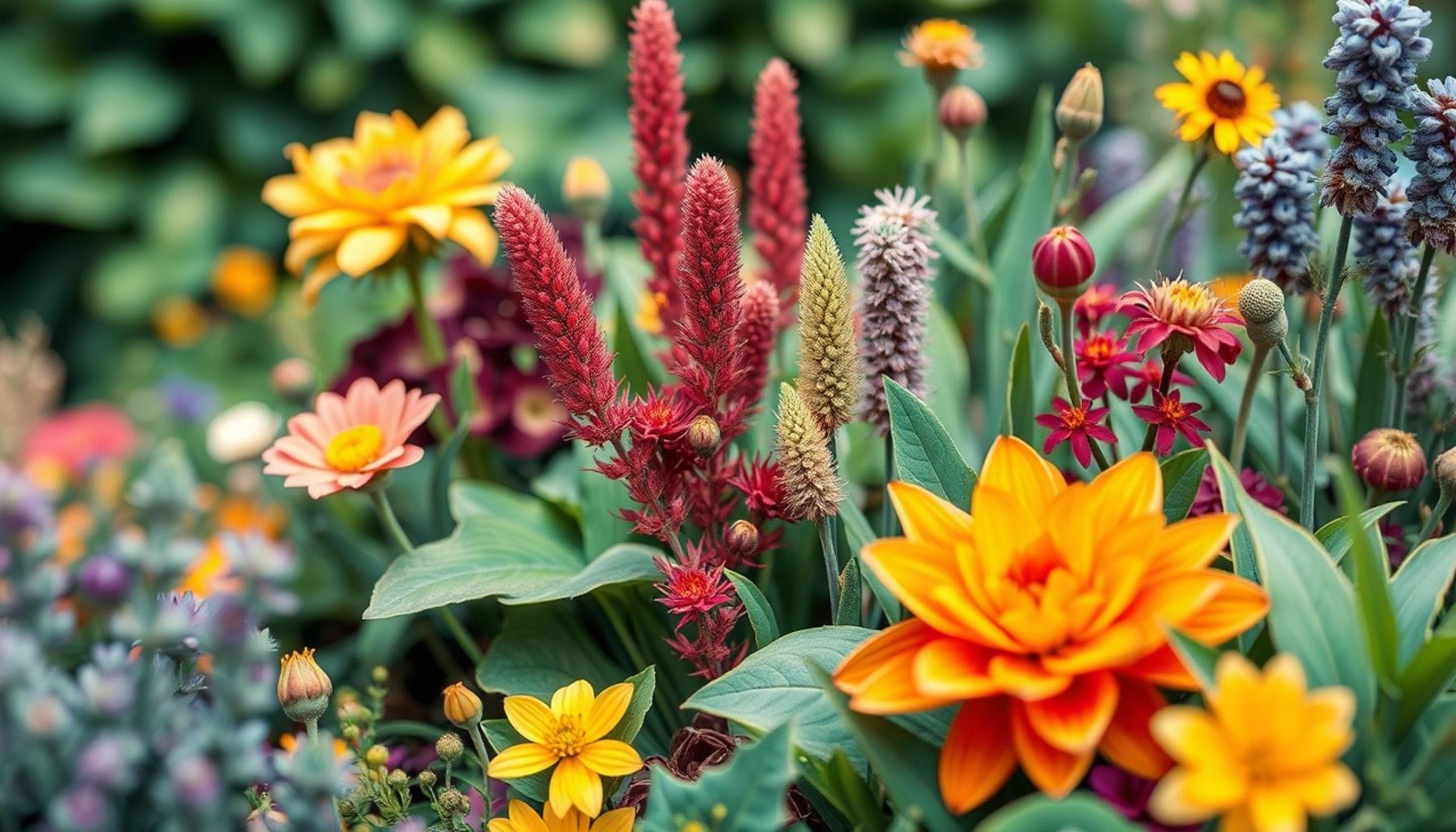
The first consideration in your garden transformation is the color palette. When selecting plants, look for a harmonious mix of colors that complement each other. For example, combining warm hues like deep reds and vibrant oranges can create an inviting atmosphere, while cooler blues and lush greens can bring a sense of calm. Consider iconic American flowers; a classic choice is the Black-eyed Susan with its golden yellow petals, paired beautifully with the rich blue of Delphinium. This strategic color combination can enhance the visual dynamic of your garden.
Texture Variety
Next, delve into texture variety. A successful garden isn’t just about color; it’s about the interplay of various leaf shapes and sizes. For instance, you might combine the broad, waxy leaves of Hostas with the delicate, feathery fronds of Athyrium (lady fern). This combination not only adds dimension but also creates inviting contrasts as you walk through your garden. Incorporating plants with spiky, rounded, and cascading shapes can further enrich the sensory experience as the light plays off their surfaces.
Seasonal Blooms
To ensure your garden remains lively throughout the year, consider seasonal blooms. By selecting plants that flower at different times, your garden can continuously unveil new surprises. For example, the cheerful Daffodil kicks off spring, followed by the summer brilliance of Lavender, leading into the fiery hues of Asters in fall. This continuous cycle not only maintains visual interest but can also encourage local pollinators, creating a thriving ecosystem in your backyard.
After choosing your plants, it’s essential to pay attention to their strategic placement. Utilizing height differences allows you to create layers, with taller plants serving as backdrops for shorter varieties, guiding the eye through the landscape. You may also consider creating focal points with standout specimens or ornamental features such as birdbaths or sculptures that can draw attention and foster conversation.
As you embark on designing a visually pleasing garden, remember that each decision impacts the overall atmosphere. The perfect blend of colors, textures, and seasonal interest can not only beautify your outdoor space but also invite you to step outside and immerse yourself in nature’s artistry. In discovering how best to select and combine plants, your garden can evolve into a personalized sanctuary, offering a serene escape from the hustle and bustle of daily life.
DISCOVER MORE: Click here to learn about the role of soil microbiology
Exploring Essential Elements of Aesthetic Plant Selection
Your garden is an opportunity for creative expression, where the interplay of color and texture can shape a breathtaking outdoor experience. Beyond merely selecting plants that are aesthetically pleasing, the journey begins with understanding how these elements can work together to create a cohesive and enchanting landscape. As you navigate this artistic endeavor, consider the following key components to ensure your garden flourishes visually and sensorially.
Harmonizing Colors
The art of selecting plants is greatly influenced by the color scheme. Understanding color theory can help you create combinations that evoke specific emotions and set the atmosphere for your garden. You might start by considering complementary colors—those that accentuate each other’s beauty. For instance, the bright yellow blooms of Coreopsis can coexist beautifully with the rich purple of Sedum, offering an eye-catching contrast. Alternatively, you might gravitate towards a monochromatic scheme, varying shades of a single color such as the humble Pansy in layered purples, providing harmony and sophistication.
Furthermore, the arrangement of colors in your garden can create patterns that enhance visual interest. Think of using a defined color wheel to strategically place colors according to their temperature. Warm colors (reds, oranges, yellows) typically attract attention, making them perfect for areas you’d like to highlight, while cooler colors (blues, greens, purples) can serve as relaxing backdrops.
Utilizing Texture
Texture is an essential aspect of aesthetic plant selection that is often overlooked. The varying shapes and surfaces of leaves can create a multi-dimensional garden that intrigues the eye. For example, the coarse, jagged foliage of Ornamental Grasses can contrast strikingly with the smooth leaves of Hellebores, generating a sense of dynamic movement within the space. Incorporating plants that exhibit diverse textures can significantly enhance visual depth.
To maximize texture variety, consider the following popular plant groupings:
- Bold Textures: These include plants like Canna Lilies and Elephant Ears, which boast large leaves that make a statement.
- Delicate Textures: Plants such as Ferns and Baby’s Breath offer finer foliage that softens surroundings.
- Unique Shapes: Incorporate spiky plants like Blue Fescue alongside rounded plants like Boxwoods to create striking contrasts.
Impact of Seasonal Changes
When planning your garden, it’s crucial to think about how your choices will not only appeal to the eye in a single season but also across the year. Selecting plants based on their flowering times ensures continuous blooms and evolving beauty. For instance, a garden can start with the vibrant rise of Cherry Blossoms in early spring, transition into the bright colors of Rudbeckia in summer, and end with the rustic tones of Chrysanthemums in autumn. Such a carefully curated timeline maintains interest and excitement, encouraging frequent visits and appreciation.
Ultimately, by thoughtfully considering color, texture, and seasonal shifts, you can forge a captivating sanctuary that invites reflection and appreciation. The balance of these elements will not only enhance the visual appeal of your garden but foster an environment for tranquility and joy in nature’s embrace.
Aesthetic Plant Selection: Creating a Visually Pleasing Garden with Color and Texture
Continuing our exploration of the art of garden design, it’s essential to delve deeper into the importance of plant selection. The right plants can dramatically alter the visual appeal of your space, creating harmony through carefully curated color palettes and diverse textures. By strategically choosing and arranging these elements, you can transform an ordinary garden into a stunning landscape that thrives throughout the seasons.
When considering color, it’s crucial to understand the psychological effects that different hues can impart. For instance, cooler colors like blues and purples evoke tranquility, whereas warm tones such as yellows and reds can energize a space. Planting in blocks of color or creating a gradient effect can guide the eye and establish a pleasing flow throughout your garden, drawing visitors into different areas and ensuring their attention is captured.
Texture is another vital aspect. Combining velvety leaves with spiky grasses or smooth blossoms creates a diverse sensory experience. This interplay of different surface qualities allows gardeners to evoke emotions and create visual interest. For example, the waxy leaves of succulents juxtaposed with the delicate lace-like foliage of ferns offers a stunning contrast, enticing viewers to delve deeper into the garden’s design.
Moreover, integrating seasonal blooms adds an element of surprise and anticipation. Imagine how delightful it is when spring bulbs push through the soil, followed by summer sunflowers reaching for the skies, and autumn foliage igniting in fiery colors. By selecting plants that bloom at different times of the year, you ensure that your garden remains dynamic and engaging.
In addition to aesthetic benefits, a well-balanced garden can also attract beneficial wildlife, such as pollinators, which play a crucial role in maintaining ecological stability. The sudden burst of colors from flowering plants not only pleases the human eye, but it also serves as a beacon for bees, butterflies, and hummingbirds. Each element in your garden contributes to sustainability and harmony, enhancing its overall beauty.
As we explore further into landscape design techniques, we can learn about creating layers and levels that promote visual depth. Utilizing ground covers, medium-height plants, and tree canopies together creates a rich tapestry that invites exploration. Each layer offers unique views and experiences, encouraging you to appreciate the natural beauty in a variety of formats.
| Category | Advantages |
|---|---|
| Color Harmony | Enhances visual appeal and creates a vibrant atmosphere. |
| Textural Contrast | Adds depth and interest, making the garden more engaging. |
Incorporating both color and texture into your garden design is not just a decorative endeavor, but a means to foster a loving relationship with nature. By thoughtfully selecting plants, you can create a sanctuary that reflects your personal style while providing essential ecological benefits.
DIVE DEEPER: Click here to learn about essential watering routines
Creating Focal Points and Layers in Garden Design
Establishing focal points is vital in enhancing the aesthetic appeal of your garden. A focal point draws the eye and serves as a visual anchor amidst the lush greenery and colorful blooms. Whether it’s a striking sculpture, a statement tree like the Magnolia grandiflora, or an exquisite water feature, integrating these elements encourages exploration and admiration. Consider arranging your plants around these focal points, creating a seamless transition between the natural flora and functional design aspects.
Layering for Depth and Dimension
Another important technique is the art of layering, a method that plays significantly into the visual dynamic of your garden. Layering involves arranging plants in varying heights and sizes to create a sense of depth. For example, taller plants such as Sunflowers or Peonies can stand majestically in the back, while medium-sized plants like Lavender provide a middle frame, and ground cover options like Creeping Thyme fill in the lower spaces. This arrangement not only adds visual interest but also ensures that each plant has its moment to shine without overshadowing others.
Additionally, think about the spatial relationship between your plants as well. Using an approach similar to staggered rows can yield extraordinary benefits; this method creates an organic and lush feel, simulating the look of a natural forest where plants grow without strict lines or symmetry.
Incorporating Lighting in Design
Surprisingly, the proper integration of lighting can transform your garden into an enchanting space, especially in the evening. Consider how garden lights can highlight specific plants or sculptures, adding a new dimension to your aesthetic plant selection. Uplighting on a beautiful specimen tree, for instance, or softly glowing pathway lights leading to a garden arrangement can create a welcoming ambiance. Select plants that also have unique silhouettes at night, such as Moonflowers or Night-Blooming Jasmine, which can make your garden not only a visual delight during the day but also a luxurious experience after sunset.
Choosing Native Plants for a Sustainable Aesthetic
Integrating native plants into your garden design aligns aesthetic appeal with environmental responsibility. Native species are adapted to local soil, climate, and rainfall conditions, often requiring less maintenance and water than non-native varieties. For example, incorporating Purple Coneflower and Black-Eyed Susans not only supports local wildlife but also brings vibrant colors and textures to your garden. Such plants blend beautifully with native fauna, ensuring a seamless look while sustaining local ecosystems. Educating yourself on which native plant species thrive in your area can be a rewarding venture that enhances both beauty and biodiversity.
The journey of aesthetic plant selection leads you through a world where artistry meets nature. By innovatively incorporating focal points, layering techniques, lighting methods, and sustainable choices, your garden can evolve into a vibrant tapestry that evolves with the seasons, continually inviting wonder and discovery. As you design your outdoor space, consider how each element works in harmony with color and texture, ultimately making your garden a true extension of your artistic vision.
LEARN MORE: Click here to discover essential tips
Conclusion: The Art of Aesthetic Plant Selection
In conclusion, the creation of a visually pleasing garden through aesthetic plant selection is an art that interweaves creativity with nature. Embracing the principles of design—such as establishing focal points, layering for depth, integrating lighting, and opting for native plants—offers endless possibilities for transforming your garden into a sanctuary of beauty and tranquility. Each choice you make, from the vibrant hues of Daylilies to the subtle textures of ornamental grasses, contributes to a harmonious composition that captivates both the eyes and senses.
As you embark on your gardening journey, remember that the most compelling gardens reflect personal expression and the unique characteristics of your environment. Observe how the interplay of seasons affects your design and be open to adjusting your selections for continuous improvement and inspiration. Additionally, consider engaging with local gardening communities or resources to broaden your understanding of native plants and sustainable practices that enhance both aesthetics and ecological responsibility.
Your garden is more than just a collection of plants; it is an evolving canvas that invites you to explore the intricate relationship between color and texture. By embracing innovative garden design techniques, you not only create a breathtaking outdoor space but also foster a deeper appreciation for the natural world. Ultimately, the essence of aesthetic plant selection lies in the joy of discovery, invitation, and the endless potential for growth—both for your garden and within yourself.