Top Tools Techniques for Effective Soil Preparation in Home Gardening
Soil preparation is a fundamental step in home gardening that often gets overlooked by beginners. A well-prepared soil not only sets the stage for healthy plants but also enhances nutrient availability and moisture retention. With the right tools and techniques, you can create an optimal growing environment that supports the vibrant garden you envision.
Understanding how to prepare soil effectively is crucial for anyone looking to cultivate their own vegetables, herbs, or flowers. Here are a few reasons why this topic deserves your attention:
- Boost Plant Health: Healthy soil leads to strong plants, reducing vulnerability to pests and diseases.
- Improve Yield: Well-prepared soil can significantly increase the quantity and quality of your harvest.
- Save Time and Resources: Proper preparation can decrease maintenance needs and conserve water.
In this article, we will explore the Top 5 tools and techniques that every home gardener should know. Whether you are just starting or looking to improve your gardening skills, these essentials will help you lay the groundwork for a successful garden.
LEARN MORE: Click here to discover the perfect plants for your climate zone
Top 5 Essential Tools and Techniques for Effective Soil Preparation in Home Gardening
In the world of home gardening, the foundation of your gardening success lies beneath the surface—in the soil. Proper soil preparation is crucial for healthy plant growth, and having the right tools and techniques can make all the difference. Whether you are planting a small flower bed or a large vegetable garden, understanding soil health and taking deliberate steps to enhance it can lead to bountiful results. Here, we present the top five essential tools and techniques for effective soil preparation in home gardening.
5. Soil Test Kit
Before diving into any gardening project, knowing your soil’s current condition is paramount. A soil test kit allows you to evaluate key factors such as pH levels, nutrient content, and organic matter presence. By understanding your soil’s makeup, you can amend it appropriately to better support your plants. For instance, some plants thrive in slightly acidic soil, while others prefer a more alkaline environment. Many local extension offices offer testing services, or you can find handy kits at gardening centers.
When you test your soil, it’s crucial to consider several elements:
- pH level: This measures how acidic or alkaline your soil is. Most plants prefer a pH between 6 and 7.
- Nutrients: Identifying essential nutrients like nitrogen, phosphorus, and potassium helps in crafting fertilization plans.
- Organic matter: Indicates the amount of decomposed material, impacting soil structure and fertility.
With the results in hand, you can make informed decisions about how to prepare your soil effectively by adding lime to raise pH, sulfur to lower it, or fertilizers to address nutrient deficiencies.
4. Garden Fork
A garden fork is an indispensable tool for any gardener, especially when it comes to preparing the soil. This tool is designed to aerate and loosen compacted soil, making it easier for roots to penetrate and absorb nutrients and water. Compact soil often means restricted root growth, which limits plant development. The pointed tines of the garden fork can break up hard clumps and integrate organic matter like compost into the soil, enriching its structure and fertility.
To use a garden fork effectively:
- Spear the fork into the soil and lift slightly to allow air and water to circulate, which aids in root development.
- Work systematically across the entire area to ensure even preparation and coverage.
- Mix in organic material such as compost or leaf mold to enhance soil structure immediately.
Utilizing a garden fork will not only prepare your soil but also promote healthy root development in your plants, leading to more robust and vibrant growth.
3. Compost Tumbler
Healthy soil is rich in organic matter, and a compost tumbler helps you create nutrient-dense compost that enhances your soil quality. Composting is a sustainable practice that recycles kitchen scraps and yard waste into valuable organic matter. Instead of buying commercial fertilizers, you can produce your own eco-friendly alternative, making the gardening process more sustainable.
By using a compost tumbler, you can:
- Speed up the decomposition process with regular aeration, ensuring bacteria effectively break down organic matter.
- Easily turn and mix the compost for even breakdown, creating uniform compost.
- Control moisture levels by sealing the tumbler, preventing excess water from inhibiting decomposition.
Integrating homemade compost into your soil fosters a healthy environment for microorganisms and improves moisture retention, leading to robust plant growth. Compost tumblers expedite this process, reducing the typical composting time significantly.
2. Rototiller
For larger gardens or heavily compacted soil, a rototiller can dramatically reduce your workload and improve efficiency. This powerful machine breaks up compacted soil, mixes in organic matter, and prepares a fine seedbed for planting. A well-prepared seedbed offers the delicate seedlings an ideal environment for rooting and growth. While it can be an investment, a rototiller saves significant time and effort compared to manual methods.
When using a rototiller, remember to:
- Ensure the soil is slightly moist for the best results—too wet leads to clumping, while too dry creates dust.
- Start in a corner and work in overlapping passes, ensuring no part of the garden area is missed.
- Keep the depth consistent for uniform preparation to support evenly distributed root growth across your plants.
A rototiller can transform your garden space into a thriving environment for your plants, setting a solid base for growth that is both effective and efficient in enhancing plant health.
1. Garden Hoe
At the top of our list is the garden hoe, a versatile and essential hand tool that every gardener should have. The hoe is perfect for breaking up soil, removing weeds, and creating seed furrows. Its simplicity and effectiveness make it an unparalleled tool for preparation and maintenance.
Using a garden hoe effectively involves:
- Breaking up hard soil by scraping and chopping, which improves soil texture and readiness for planting.
- Weeding by slicing below the surface to uproot adversarial plants quickly and efficiently.
- Creating straight furrows for planting seeds or bulbs, which helps in organizing your garden layout systematically.
A garden hoe allows you to maintain control over your soil preparation, creating an optimal condition for new plants to thrive. Investing in a high-quality hoe ensures durability and efficiency, making it a staple in every gardener’s toolkit. Thus, these essential tools and techniques ensure that your home garden thrives, providing beauty, bounty, and satisfaction. Remember, the healthier your soil, the more thriving your plants will be, leading to a joyous and fruitful gardening experience.
| Category | Details |
|---|---|
| Soil Testing | Conducting soil tests helps determine pH levels and nutrient content, providing vital information to adjust soil conditions effectively. This ensures a balanced nutrient environment for plant growth. |
| Soil Amendments | Incorporating compost, manure, or peat moss enriches the soil with organic matter. This boosts soil fertility, improves moisture retention, and enhances overall soil structure. |
| Tillage Techniques | Using proper tillage methods, such as double digging or no-till farming, optimally aerates the soil while minimizing disruption to microbial life and soil structure. This promotes a healthier growing environment for plants. |
| Mulching Practices | Applying mulch helps retain soil moisture, suppress weeds, and regulate soil temperature. This creates an ideal microenvironment for plant roots to thrive, reducing the need for frequent watering. |
When preparing soil for home gardening, one of the most effective first steps is conducting soil tests. This allows gardeners to evaluate essential parameters such as pH level, nitrogen, phosphorus, and potassium content. Adjusting these elements accordingly can ensure plants receive the adequate nutrients necessary for healthy growth.Following soil testing, amendments such as compost or organic fertilizers should be introduced to the soil. These not only improve soil fertility but also enhance the soil structure, creating a more favorable environment for root development. Another crucial technique is the application of tillage. Various tillage methods like double digging can effectively aerate the soil, helping to break up compacted areas while preserving organic life vital for nutrient cycling. Alternatively, no-till practices minimize soil disturbance, reducing erosion and maintaining moisture levels.Moreover, the implementation of mulching is a beneficial practice that has multiple advantages. It retains soil moisture, reducing the requirement for watering sessions, and significantly aids in weed suppression, fostering a healthier growing area. Using organic materials for mulch will gradually improve soil quality as they decompose.Incorporating these tools and techniques not only enhances soil preparation but also cultivates a prosperous home garden, emphasizing the connection between healthy soil and flourishing plants.
LEARN MORE: Click here to discover your perfect plants
Frequently Asked Questions: Essential Tools and Techniques for Effective Soil Preparation in Home Gardening
What are the basic tools needed for soil preparation in home gardening?
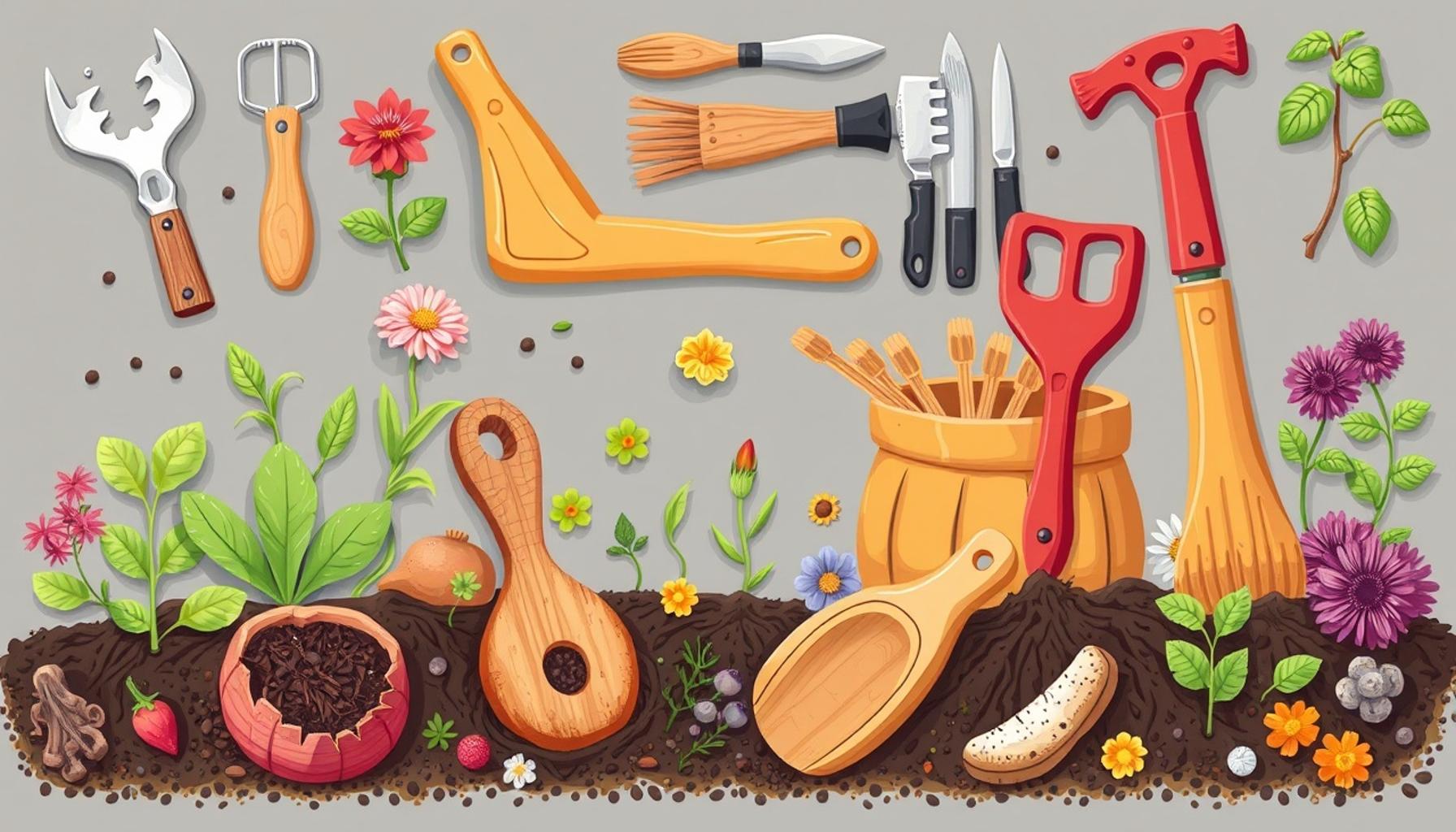
For effective soil preparation, you’ll need a few basic tools. A garden fork is essential for turning over soil and breaking up large clods. A spade is useful for digging and moving soil around. You’ll also need a rake to smoothen and level the surface. Additionally, a hoe can help with weeding and cultivating the soil. Investing in a wheelbarrow can make it easier to transport soil and organic matter. These tools help ensure your soil is well-prepared for planting.
How can I improve the quality of the soil in my garden?
Improving soil quality involves several strategies. Start by adding organic matter like compost or well-rotted manure to introduce nutrients and enhance soil structure. This also encourages beneficial microorganisms. Conducting a soil test can inform you of nutrient deficiencies, allowing you to amend the soil accordingly with specific fertilizers. By regularly rotating your crops and planting cover crops, you can further maintain soil health and structure. These techniques can significantly enhance soil fertility and productivity.
Why is soil aeration important, and how do I achieve it?
Soil aeration is crucial because it ensures that roots get sufficient oxygen and that excess carbon dioxide can escape, promoting healthy plant growth. Aerated soil also improves water absorption and reduces runoff. You can achieve aeration by turning the soil with a fork or tiller. For smaller gardens, using a simple garden fork to puncture the soil at regular intervals can suffice. Regular aeration supports a thriving and productive garden ecosystem.
What role does pH play in soil preparation, and how can I adjust it?
The pH level of soil determines nutrient availability for plants. Most plants thrive in a slightly acidic to neutral pH range of 6.0 to 7.0. To adjust soil pH, begin with a pH test. If the soil is too acidic, applying lime can raise the pH. For soil that’s too alkaline, incorporating organic matter or using a product like sulfur can lower the pH. Regular testing and adjustment ensure your plants have optimal growing conditions.
DISCOVER MORE: Click here to learn about sustainable irrigation techniques
Conclusion
Preparing soil effectively is the cornerstone of successful home gardening. As we have explored throughout this article, the journey begins with understanding your soil type and enhancing its quality through thoughtful amendments. Utilizing the right tools, such as a spade, garden fork, and tiller, can greatly simplify the process and ensure your garden beds are well-prepared for planting. Knowing how to work the soil with these tools both makes the job easier and sets the stage for healthy plant growth.
The techniques of testing soil pH and nutrient levels are essential for tailoring your gardening approach to your soil’s specific needs. A soil test can guide you in choosing the correct fertilizers and organic matter to enrich your ground. Furthermore, adopting practices like double digging and the use of cover crops not only improve soil structure but also enhance its fertility in sustainable ways.
Incorporating these essential tools and techniques ensures that you aren’t just gardening, but gardening smart. Healthy soil cultivation is an investment in your garden’s future prosperity, increasing both the yield and the quality of your plants. For beginners, applying these principles means setting a solid foundation that allows for successful, rewarding, and sustainable gardening. This thoughtful preparation not only nurtures your plants but also enhances your overall gardening experience, leading to a vibrant and thriving garden that delights season after season.