Using Recycled Materials in Gardening to Reduce Waste
Innovative Solutions for a Greener Garden
Gardening is a rewarding hobby that connects us with nature, but it can also generate significant waste. By using recycled materials in gardening, enthusiasts can not only beautify their outdoor spaces but also play a crucial role in reducing landfill contributions. This trend is gaining momentum in the United States, where home gardening continues to flourish.
Why Recycle in Your Garden?
Utilizing recycled materials offers numerous benefits, enhancing both the aesthetic and functional aspects of gardening:
- Waste Reduction: By reusing materials, gardeners significantly decrease the amount of trash sent to landfills. For example, the Environmental Protection Agency (EPA) reports that food scraps and yard waste can account for over 30% of what we throw away, making recycling a vital step toward sustainable living.
- Cost Efficiency: Using recycled materials can save money on garden supplies. Imagine creating a vibrant herb garden in an old refrigerator, or using wine bottles as unique garden edging—this not only saves cash but sparks creativity and individuality.
- Environmental Impact: By adopting these practices, individuals can reduce their carbon footprint. Reusing materials helps conserve natural resources, lessening the demand for new production, which often involves energy-intensive processes.
Many gardeners are already exploring a variety of reused items that can be repurposed effectively. Here are some popular materials that can enhance gardening efforts:
- Plastic Bottles: These can be transformed into self-watering systems, ensuring your plants remain hydrated with minimal effort. Simply cut a bottle in half, fill it with water, and invert it into the soil—this method gradually releases moisture and conserves water.
- Pallets: Wooden pallets can be upcycled into raised garden beds. By securing pallets together, gardeners can create an elevated structure perfect for growing vegetables and flowers, providing a visually appealing display while improving drainage and preventing soil compaction.
- Old Tires: Rather than being discarded, tires can be creatively painted and stacked to form colorful garden planters. These make for eye-catching centerpieces in any garden, all while keeping tires out of landfills. Additionally, the rubber material provides a unique growing environment by retaining warmth.
As we delve deeper into the world of recycled gardening, we will uncover practical tips, innovative ideas, and inspiring stories that illustrate the creative possibilities of this sustainable practice. For example, community garden initiatives across the country often share successful strategies for incorporating recycled materials, showcasing diverse plantings while bringing neighbors together. Embracing these practices not only beautifies our gardens but also fosters a sense of responsibility toward the planet.
In conclusion, the journey into recycled gardening reflects a growing awareness of environmental stewardship. It offers a powerful way for individuals to contribute to sustainability while nurturing their green spaces. To inspire your own garden transformation, consider browsing local gardening forums, attending workshops on eco-friendly practices, and connecting with like-minded enthusiasts dedicated to making a difference, one plant at a time.
DISCOVER MORE: Click here to learn efficient gardening techniques
Transforming Waste into Wonder: Practical Applications
With a growing desire for more sustainable practices, gardeners are increasingly turning to the versatility of recycled materials to not only beautify their spaces but also reduce waste. The potential applications of these materials in gardening are extensive and can elevate the gardening experience to a new level of creativity and resourcefulness. Here, we explore a variety of commonly available items that can be easily adapted for gardening purposes.
Creative Uses for Recycled Items
In the quest for sustainability, think outside the traditional gardening realm. Here are a few innovative ways to repurpose everyday items:
- Egg Cartons: Perfect for starting seedlings, egg cartons provide an ideal environment for germination. Fill each compartment with soil and place a seed inside. Once the seedlings sprout, simply cut the carton into sections and plant them directly into the garden, cardboard included, to reduce root disturbance.
- Glass Jars: These can double as stylish plant containers or mini greenhouses. Large jars can house herbs or small flower arrangements while smaller mason jars can be used for individual plants or as decorative candle holders around the garden. Their transparency allows for observing root growth and moisture levels.
- Fabric Scraps: Old fabric can be transformed into colorful garden markers. Cut the fabric into small squares and use a permanent marker to label each plant. Simply stake them into the ground to keep your garden organized and visually appealing.
- Broken Pots: Instead of discarding broken pottery, use the pieces to create a unique mosaic path in your garden. The colorful shards add texture and interest to otherwise neglected areas, giving your garden a personalized touch.
- Wine Corks: Accumulating wine corks can serve as excellent drainage material. Place them at the bottom of pots to prevent soil from becoming waterlogged. Additionally, corks can be used to stake small plants or to create a cute corkboard in your garden shed for organizing tools.
The ingenuity displayed by those utilizing recycled materials in gardening shows that sustainability does not have to compromise creativity. From upcycled containers to artistic solutions for plant care, the possibilities are virtually limitless. Each repurposed item not only reduces waste but also tells a unique story, adding character to your garden.
Moreover, community efforts promoting the use of recycled materials in gardening are growing across the United States. Neighborhood initiatives often organize workshops where participants can share their creative upcycling techniques, from building compost bins out of pallets to creating vertical gardens with repurposed wood. These gatherings not only inspire individual gardeners but also strengthen local bonds through shared eco-friendly practices.
As awareness around environmental issues continues to rise, diving into the world of recycled gardening presents an engaging opportunity to contribute positively to our environment while enjoying the art of growing plants. Assessing household waste with an innovative mindset can transform your gardening approach into a joyous quest for sustainability.
| Advantages | Details |
|---|---|
| Cost-Effective | Using recycled materials can significantly reduce gardening expenses, as many materials are sourced for free or at a minimal cost. |
| Sustainability | Promoting ecological balance, this practice helps in diverting waste from landfills and gives a new life to discarded items, making gardening more sustainable. |
Incorporating recycled materials into gardening practices not only aids in reducing waste but also enhances the overall appeal and functionality of the garden. For instance, old pallets can serve as rustic planting beds, while plastic bottles can be used as innovative watering solutions. Such creative repurposing leads to unique garden designs while contributing to environmental stewardship.Moreover, using recycled materials fosters a sense of community, as gardeners often share ideas and materials with one another, inspiring innovation and collaboration. Workshops focused on creating garden tools and decorations from recycled items further educate and empower individuals to create environmentally friendly spaces.In essence, employing recycled materials in gardening serves multiple purposes beyond aesthetics, aligning with ecological practices that make an enduring impact. Exploring these techniques offers gardeners a wealth of knowledge and experience contributing positively to their surroundings.
DISCOVER MORE: Click here for essential tips!
Innovative Gardening Strategies with Recycled Materials
As gardeners embrace the idea of sustainability, the focus shifts from merely using recycled materials to incorporating innovative strategies that enhance their gardening practices. The integration of these materials into everyday gardening tasks not only cuts down on waste but also encourages a more mindful and creative approach to cultivation.
Composting: A Sustainable Cycle
Integrating composting into gardening is one of the most effective ways to utilize kitchen scraps and yard waste, transforming potential landfill contributions into nutrient-rich soil. Starting a compost pile can involve a variety of recycled items, such as:
- Fruit and Vegetable Peels: Items like potato skins, apple cores, and carrot tops break down naturally, enriching the compost.
- Old Bread and Grains: Stale bread and leftover rice can be added to compost, providing a rich source of carbon.
- Paper Products: Shredded newspaper, cardboard, and paper towels can all be composted. Just ensure they are free of glossy coatings and inks that may be harmful to the soil.
By establishing a compost system, gardeners can create a self-sustaining ecosystem that not only reduces household waste but also supports a healthy garden.
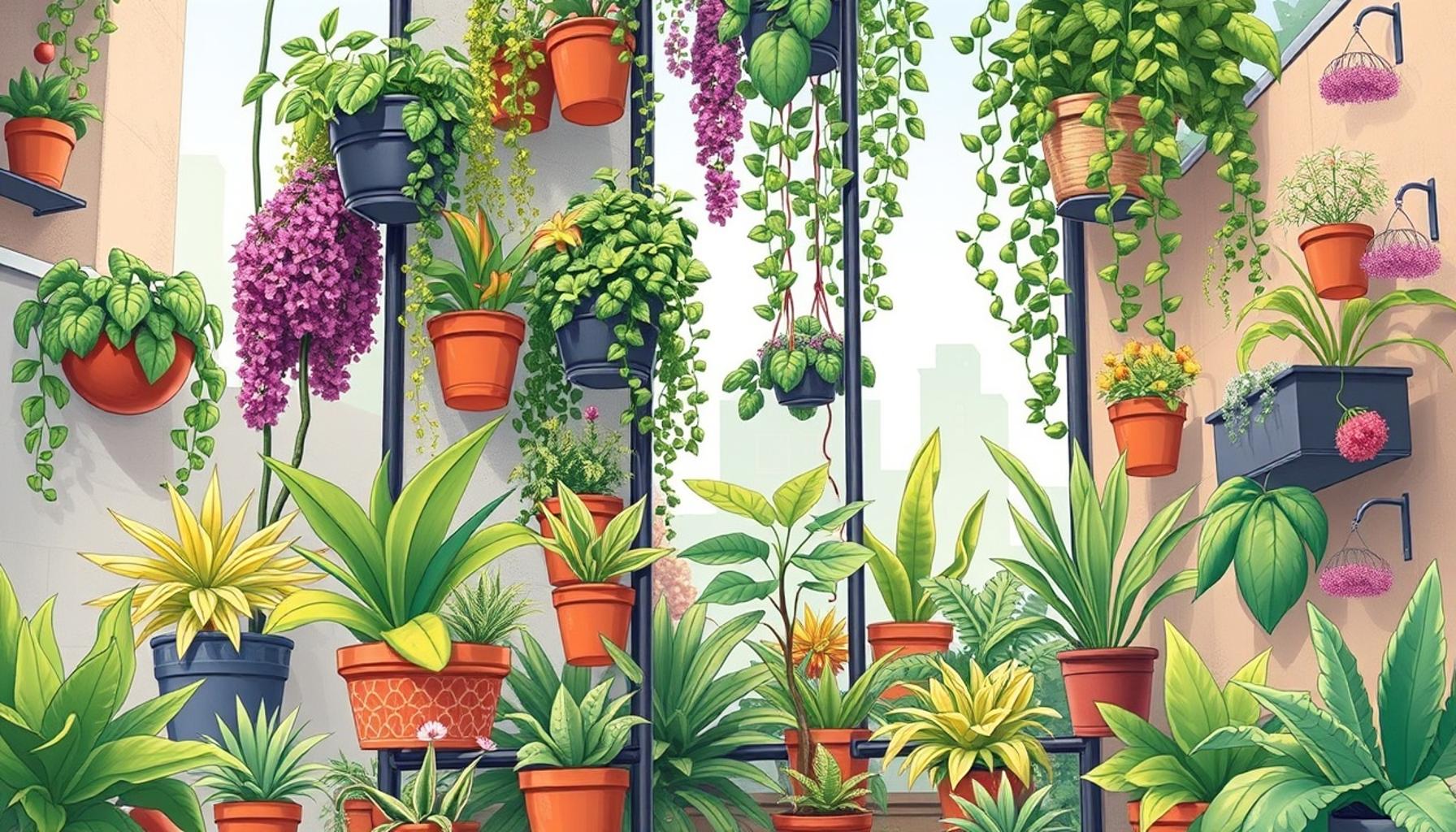
Vertical Gardening: Utilizing Small Spaces
With urban spaces becoming increasingly limited, vertical gardening emerges as a viable solution that promotes the use of recycled materials. This gardening style involves creating structures that allow plants to grow upward rather than outward, thus maximizing space. Here are some common recycled items that can be employed:
- Palettes: Old wooden palettes can be repurposed into vertical planters by attaching landscape fabric to create planting pockets filled with soil.
- Plastic Bottles: Cut in half and hung on walls or fences, these containers can grow herbs, flowers, or even strawberries, keeping them off the ground.
- Old Sewn Bags: Repurposed burlap or jute bags can be hung and filled with soil to grow potatoes or other root vegetables in small spaces.
This method not only recycles materials but also adds unique visual interest to gardens and balconies.
The Role of Community in Recycled Gardening
Community gardening initiatives have gained momentum across the country, emphasizing the importance of shared knowledge and resources in implementing sustainable practices. Many local organizations encourage group projects that focus on using recycled materials. This includes creating:
- Community Compost Bins: Shared composting stations can help reduce kitchen waste while providing a collective supply of compost to all participants.
- Material Swaps: Gardening clubs often host events where members can trade recycled items, such as pots, tools, or seeds, stimulating a culture of sharing and reducing unnecessary purchases.
- Workshops on Upcycling: Educational events focusing on how to creatively repurpose household waste into functional gardening solutions can empower participants to think innovatively.
Through these collective initiatives, the gardening community fosters a supportive environment promoting sustainability and resilience, demonstrating that using recycled materials can lead to a healthier planet.
Incorporating recycled materials into gardening not only provides cost-effective solutions but also ignites a passion for sustainability. As gardeners navigate their own recycled journeys, the wealth of possibilities continues to expand, further encouraging ecological stewardship.
LEARN MORE: Click here for essential soil preparation techniques
Conclusion: The Future of Sustainable Gardening
The movement towards using recycled materials in gardening is a transformative step towards sustainable living and waste reduction. As we have explored, embracing composting not only minimizes landfill waste but also enhances soil quality, creating a rich foundation for healthy plants. Furthermore, vertical gardening opens up new avenues for urban dwellers to cultivate green spaces, utilizing everyday items that might otherwise be discarded. It demonstrates that every item, no matter how seemingly insignificant, can be reimagined as a valuable contribution to our gardens.
The role of community initiatives cannot be overlooked. By fostering collaboration through material swaps and group composting endeavors, we not only enrich our gardens but also strengthen community bonds. The synergy that emerges from these projects propels the conversation about sustainability forward, encouraging innovative problem-solving and shared learning among gardening enthusiasts.
As individuals engage with the possibilities of recycling in their gardening practices, they create not just beautiful landscapes but also a profound environmental impact. The journey towards a sustainable gardening ethos begins in our own backyards, fostering a culture that values both creativity and ecological responsibility. Every plant sown with recycled material serves as a reminder of our capability to make a difference. With the right mindset and resources, gardeners can lead the way in reducing waste and cultivating a greener future for all.