Rainwater Harvesting: A Sustainable Approach to Watering Your Home Garden
Why Consider Rainwater Harvesting?
With the mounting pressures of climate change manifesting in unusual weather patterns and increased droughts, homeowners are more than ever looking for sustainable methods to manage their gardens effectively. One innovative approach that is garnering widespread interest is rainwater harvesting. This practice entails capturing and storing rainwater for later use, primarily aimed at conserving water and decreasing dependence on municipal supplies. Given the water scarcity challenges many regions across the United States face, such as California during its prolonged droughts, rainwater harvesting emerges as a practical strategy for responsible water management.
Benefits of Rainwater Harvesting
- Cost-effective: Utilizing harvested rainwater can result in substantial savings on water bills. Homeowners can significantly reduce their expenses on irrigation, especially in areas where water is metered and priced according to usage.
- Eco-friendly: This system supports environmental sustainability by minimizing stormwater runoff, which can lead to erosion and pollution in local waterways. Rainwater harvesting also helps recharge groundwater levels, contributing to the overall health of the ecosystem.
- Improved plant health: Rainwater is naturally soft, lacking the chlorination and minerals often found in tap water. As a result, using rainwater for irrigation can lead to healthier plants, with improved growth rates and enhanced nutrient absorption.
How It Works
The implementation of a rainwater harvesting system is manageable and effective. Homeowners can easily set up their systems by following these basic steps:
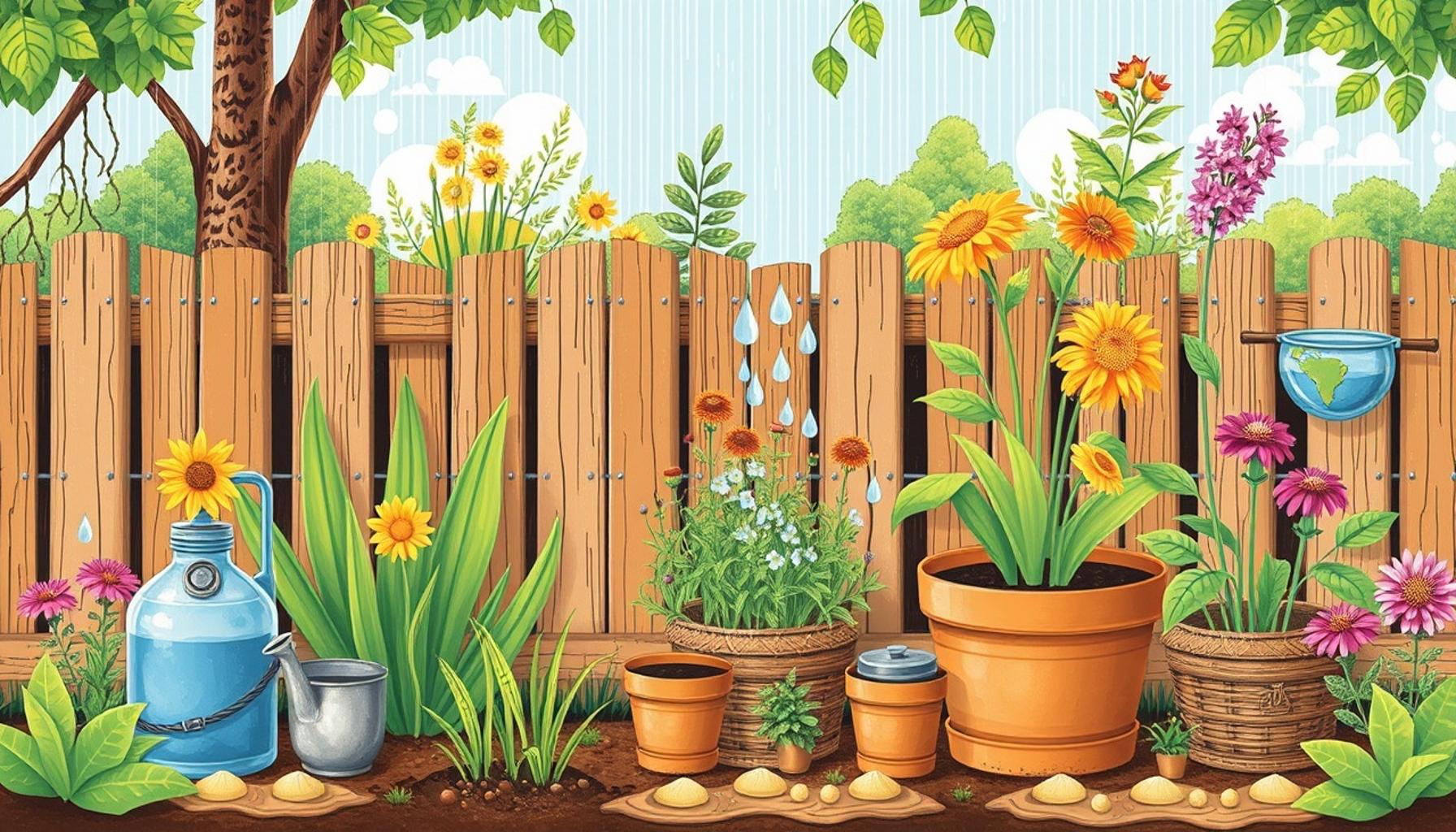
- Install a catchment system, such as gutters or specially designed roofs, which directs rainwater into storage tanks during a rainfall.
- Add storage tanks that can range from small barrels for individual gardens to large cisterns for extensive landscaping needs. Popular materials for these tanks include polyethylene, fiberglass, and concrete, ensuring they are durable and suitable for your landscape.
- Utilize filters to guarantee the water is clean and free of debris before it is used for irrigation. Some systems even incorporate UV light or treatment solutions for additional purification if the water is to be used for more than garden-related purposes.
By integrating rainwater harvesting into your gardening practices, you not only foster a greener environment but also provide essential hydration to your plants while adhering to responsible water use. Exploring rainwater harvesting schemes could transform your outdoor spaces, instilling a sense of ecological mindfulness. As discussions around resource conservation continue to grow, adopting such measures could not only be an investment in your garden but a step towards a more sustainable future for your community. Consider researching local regulations regarding rainwater harvesting, as some areas offer incentives or rebates that make starting your new system even more attractive.
DISCOVER MORE: Click here to learn about sustainable irrigation techniques
Understanding Rainwater Harvesting
Rainwater harvesting is not just a technique; it’s a pivotal practice rooted deeply in sustainability. Originating from centuries-old traditions, this method has come back into the spotlight as water conservation becomes imperative. Essentially, rainwater harvesting involves collecting rain that falls on your roof and directing it into storage containers for reuse, primarily for outdoor irrigation in home gardens. However, the benefits extend beyond mere water scarcity alleviation, delving into ecological consciousness and individual empowerment.
Key Components of a Rainwater Harvesting System
To grasp the full potential of rainwater harvesting, it’s crucial to understand its components. Below are the fundamental elements you should consider when setting up your own system:
- Gutters and Downspouts: These are the primary channels that collect rainwater from your roof. Well-maintained gutters ensure efficient water flow, while properly designed downspouts direct the water into your storage tank.
- Storage Tanks: The size and material of storage tanks vary widely based on your needs. Rain barrels are ideal for smaller gardens, while larger underground cisterns may be appropriate for extensive landscaping. Selecting the right tank material—whether polyethylene, fiberglass, or concrete—is essential for longevity and usability.
- First Flush Diverters: This system prevents the initial runoff of rainwater, which can be contaminated with debris and pollutants from the roof. By diverting this initial flow, you ensure cleaner water for your garden.
- Filters and Treatment Systems: Integrating filters to remove particulates is vital. For those considering using harvested water for more than just plants, such as flushing toilets or washing, additional treatment methods, like UV purification, may be required.
Maximizing Efficiency
Efficiency in harvesting rainwater is about more than just installation; it is about how effectively you use the collected water. Consider implementing a drip irrigation system, which can deliver water directly to the root zone of your plants, minimizing wastage and maximizing absorption. Drip systems are especially beneficial in areas with limited rainfall, as they allow for precise water delivery when needed most.
Furthermore, the positioning of your harvesting system is crucial. Placement of storage tanks in shaded areas can help keep the water cooler, reducing the chance of algae growth. Always check local guidelines and extension services for specific recommendations tailored to your region’s rainfall patterns and gardening needs.
As climate change challenges sustainable gardening practices, the use of rainwater harvesting emerges as a proactive solution. By capturing and utilizing this natural resource, you effectively embrace eco-friendly gardening and contribute to the conservation of water resources. Being informed about the components and efficient methods for rainwater harvesting not only sets the stage for a blossoming garden but promotes an environmentally sustainable approach to home gardening.
Understanding the Advantages of Rainwater Harvesting
Rainwater harvesting offers a multitude of benefits for homeowners looking to create a more sustainable garden. By collecting and utilizing rainwater, gardeners can not only reduce their reliance on municipal water sources but also enhance their garden’s health. Below is a detailed table that outlines key categories related to the advantages of implementing rainwater harvesting in home gardens.
| Category | Benefits |
|---|---|
| Environmental Impact | Reduces stormwater runoff and mitigates soil erosion. |
| Cost Savings | Lowers water bills while providing a free water source for your garden. |
Integrating rainwater harvesting systems, such as barrels or cisterns, allows you to capitalize on natural rainfall. This approach not only supports a healthier ecosystem but also introduces efficiency into garden maintenance. Furthermore, incorporating rainwater into your watering regimen can promote better plant growth due to its lower mineral content compared to tap water. The alluring prospect of conserving water while enhancing garden vitality makes rainwater harvesting an appealing choice for environmentally conscious gardeners.
DISCOVER MORE: Click here for easy greenery tips
Integrating Rainwater Harvesting into Your Gardening Routine
Once you have designed an effective rainwater harvesting system for your home garden, the next step is to integrate it into your overall gardening routine. Understanding seasonal variations in rainfall can help optimize your collection and usage effectively. For example, during the wetter months, you may collect an abundance of water, allowing you to store it for the drier seasons. Utilizing weather forecasts can assist in planning when to water your garden or when to replenish your storage tanks.
The Importance of Soil Health
Another aspect to consider is the relationship between rainwater harvesting and soil health. Rainwater is typically free from the salts and chemicals often found in municipal water supplies, making it a cleaner option for irrigation. This natural water source can enhance soil structure, promote microbial activity, and encourage the development of beneficial bacteria. For gardeners habits, adding mulch on garden beds can help slow down evaporation, allowing your harvested rainwater to work its magic longer. The combination of rainwater and healthy soil enhances the overall growth of plants, leading to a bountiful yield.
Creative Uses Beyond the Garden
The versatility of harvested rainwater doesn’t stop at irrigation. Many homeowners creatively repurpose this water for a variety of uses, enhancing overall sustainability practices. For instance, using rainwater for landscaping projects or outdoor cleaning can significantly reduce your household water bills. Additionally, during emergency situations like droughts or water shortages, harvested rainwater can provide a crucial backup resource. Implementing such conveniences contributes to a robust water conservation strategy.
Regional Considerations and Compliance
Different regions across the United States experience varying rainfall patterns, and thus, it’s vital to customize your harvesting system to match your area’s climate. States like California often encourage rainwater harvesting to combat frequent droughts, while regions in the Pacific Northwest benefit from abundant rainfall. Familiarizing yourself with local regulations and guidelines concerning rainwater harvesting is crucial. Some states have financial incentives, such as rebates and grants, to encourage the adoption of these sustainable practices.
Community Engagement and Cooperation
Lastly, consider the benefit of community engagement when adopting rainwater harvesting practices. Collaborating with local gardening groups or community garden projects can enhance knowledge-sharing and resource availability. Participating in community discussions helps you learn about successful methods employed by neighbors, fostering a culture of sustainability. Additionally, engaging with local conservation groups provides insights into broader environmental benefits, and may open doors for group purchases of materials or shared resources for rainwater harvesting systems.
By understanding the many dimensions of rainwater harvesting and integrating its principles into your gardening routine, you stand at the forefront of a movement that seeks to enrich our gardens and protect our precious water resources. From promoting soil health to fostering community connections, the impact of rainwater harvesting is profound and multi-faceted.
DISCOVER MORE: Click here for easy greenery options
Conclusion: Embracing Rainwater Harvesting for a Sustainable Future
As we navigate the challenges of climate change and increasingly unpredictable weather patterns, rainwater harvesting emerges as a crucial, sustainable solution for watering our home gardens. By capturing and utilizing natural rainfall, gardening enthusiasts can significantly reduce their reliance on municipal water supplies, which not only saves money but also contributes positively to the environment. Beyond just a practical method of irrigation, rainwater harvesting enriches soil health, promotes biodiversity, and enhances the resilience of our gardens against drought conditions.
Adopting such practices requires understanding regional climate variances, complying with local regulations, and engaging with community resources to share knowledge and materials. By connecting with others who are passionate about sustainability, we can cultivate a culture that values conservation and cooperative resource management. Furthermore, the versatility of rainwater, extending beyond the garden to applications like landscaping and outdoor cleaning, underscores its potential to be a transformative resource in our daily lives.
In conclusion, the integration of rainwater harvesting into your gardening routine not only nurtures your plants but also fosters a sustainable lifestyle that values resource conservation. As water becomes an increasingly precious commodity, embracing this innovative approach may very well be the key to ensuring that our gardens, communities, and ecosystems thrive for generations to come. By championing rainwater harvesting, you take an active role in safeguarding our most vital resource—water—and contribute to a more sustainable future.