Creating a Pollinator-Friendly Garden: Selecting Plants that Attract Bees and Butterflies
Understanding the Role of Pollinators
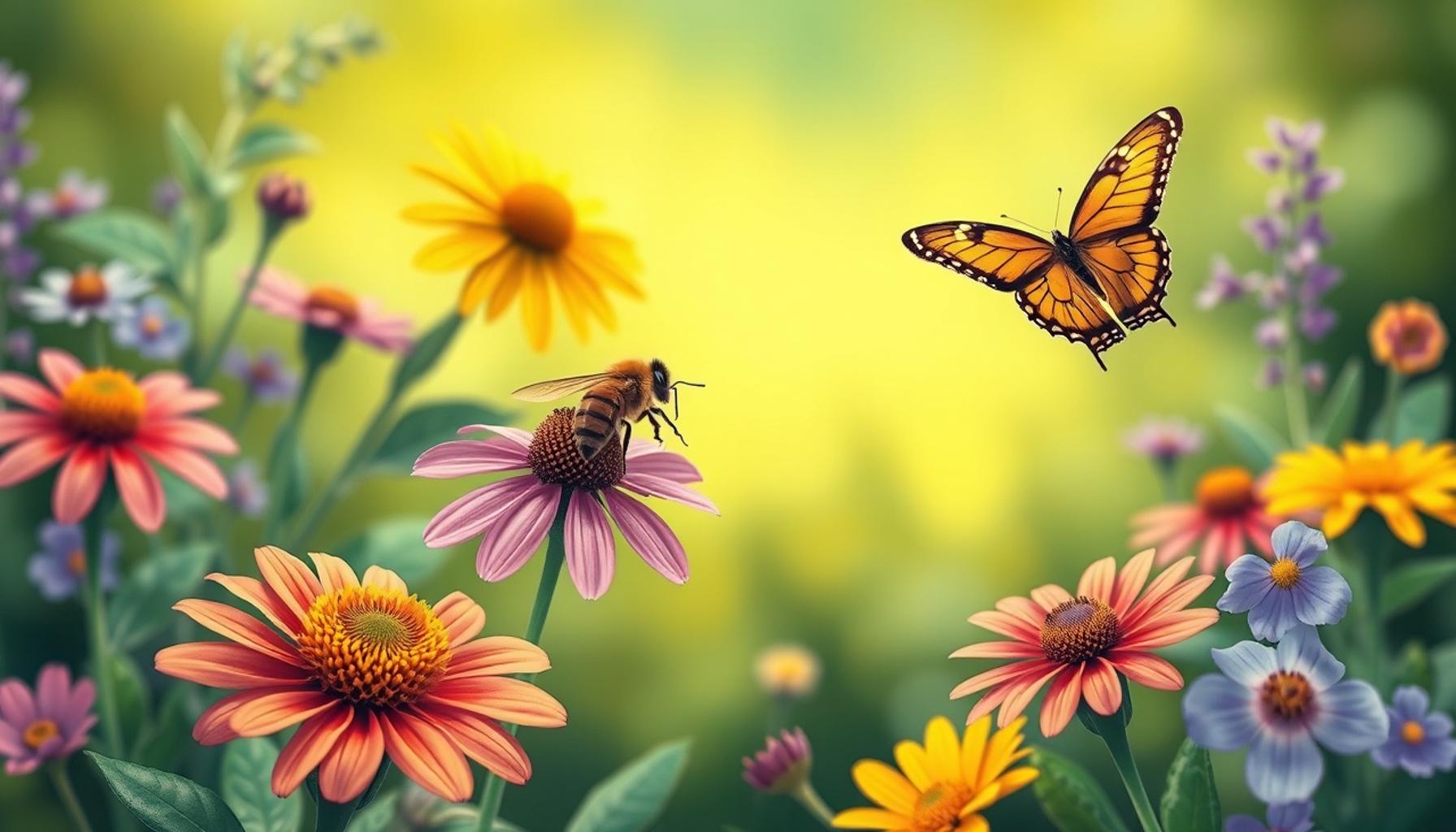
Pollinators are essential for maintaining the ecological balance and ensuring the vitality of food production. In fact, it is estimated that one out of every three bites of food we consume relies on pollination. This intricate system involves not just bees and butterflies, but also birds, bats, and an array of other insects that collectively contribute to over 75% of the world’s flowering plants. These creatures facilitate the transfer of pollen from one flower to another, leading to fertilization and fruit production.
Designing a Pollinator-Friendly Garden
Creating a space that attracts these vital insects involves thoughtful planning and selection of plants. Consider these key elements to ensure your garden flourishes as a sanctuary for pollinators:
- Diverse Plant Selection: A garden that boasts a rich variety of flowers will provide a steady stream of nectar and pollen throughout the year. For example, by planting a mix of seasonal blooms such as coneflowers in summer, asters in the fall, and crocuses in early spring, you create a buffet that caters to various species as they emerge.
- Native Species: Opting for plants indigenous to your region is crucial. Native species are not only well-adapted to local soil and climate but are also more appealing to local pollinators. In the United States, consider incorporating plants like the milkweed, which not only attracts butterflies but is vital for the monarch butterfly’s lifecycle, or the black-eyed Susan for vibrant color and vital nectar.
- Color and Aroma: The aesthetic of your garden can be enhanced by selecting brightly colored flowers, which are particularly attractive to many pollinators. Species such as lavender and bee balm are not only visually enticing, but their scents also draw in pollinators. The fragrance of plants can create a sensory experience that enriches your outdoor space.
Creating a Thriving Habitat
Beyond plant selection, it’s important to consider the overall habitat you are providing. Adding water sources, such as shallow dishes filled with stones or small ponds, can serve as essential drinking spots for thirsty insects. Furthermore, incorporating areas of shelter—like dense shrubs or piles of leaves—provides refuge for pollinators from predators and inclement weather.
Understanding the specific blooming periods of various plants in your garden is essential for creating a consistent food source. For instance, if you want to sustain butterfly populations, plant flowers that bloom at different times, ensuring that there are always options available for feeding.
Exploring the Fascination of Pollinators
As you embark on creating your pollinator-friendly landscape, take the opportunity to delve deeper into the nuances of pollinator behavior and ecology. For instance, bees exhibit fascinating foraging patterns, often preferring particular colors over others, and can recognize flowers they have previously visited. Similarly, understanding the migratory patterns of butterflies such as the monarch can provide insights into how best to support their populations. Not only will this enrich your gardening experience, but it will also enhance the quality of the ecosystem in your area.
In conclusion, crafting a garden that nurtures pollinators not only beautifies your surroundings but also plays a part in the larger environmental picture. By actively participating in the conservation of these creatures, you help assure a more sustainable future for our food systems and natural landscapes.
DISCOVER MORE: Click here for eco-friendly pest control tips
Choosing the Right Plants for Your Garden
When it comes to creating a pollinator-friendly garden, the selection of plants is paramount. The right combination of flora will not only attract bees and butterflies but will also provide the food resources necessary for their survival. While many people might consider colors and aesthetics when planning a garden, it’s essential to think about the needs of these crucial pollinators.
Seasonal Bloomers: Timing is Everything
One critical aspect of plant selection involves understanding the blooming periods of various species. Bees and butterflies rely on nectar and pollen to thrive, so ensuring there are flowers available from early spring through late fall is vital. A well-planned garden will feature plants that bloom at different times, creating a continuous food source. Here are some examples of seasonal bloomers that can enhance your garden:
- Spring: Crocus, Daffodils, and Tulips not only add vibrant hues to the garden but also provide early nourishment for emerging pollinators.
- Summer: Coneflowers, Zinnias, and Bee Balm are favorites that attract a wide range of pollinators with their abundant nectar.
- Fall: Asters and Sedums bloom in late summer through fall, offering sustenance to pollinators that are preparing for the colder months.
Creating Layers: Vertical Diversity
Another essential factor is the vertical structure of your garden. Different pollinators have varying preferences for how they access flowers. Some may prefer low-lying plants, while others may be drawn to flowers at different heights. A diverse vertical layering of plants not only creates visual interest but also caters to the foraging habits of various pollinators. Incorporate tall plants, like sunflowers, alongside medium-height blooms, such as black-eyed Susans, and low-growing ground covers, like creeping thyme. This layered approach helps ensure that all pollinators can find a suitable feeding station.
Flower Shapes and Sizes: Catering to Pollinator Preferences
Flower shape and size can also influence which pollinators are drawn to your garden. For instance, bees are attracted to tubular flowers, such as trumpet vine, which they can easily access with their slender mouths. Flat, open flowers, on the other hand, are ideal for butterflies, allowing them to land easily while they feed. Consider including a mix of flower shapes to meet the needs of diverse pollinator species.
Providing Aromatic Signals
Don’t underestimate the power of scent in attracting pollinators. Many insects are guided by the fragrance of blooming plants when searching for perfume-rich nectar. Including aromatic selections like lavender, mint, and hyssop can transform your garden into a fragrant haven that beckons pollinators from afar. Each plant contributes not only to the visual and sensory appeal of your garden but also enhances its effectiveness in attracting vital pollinators.
In summary, selecting the right plants is a fundamental step in creating a pollinator-friendly garden. By choosing seasonal bloomers, considering the vertical structure, varying flower shapes, and adding aromatic plants, you will set the stage for a thriving ecosystem that benefits both pollinators and your landscape. This careful planning ensures that your garden becomes a vibrant sanctuary, supporting the ecological health of your local area.
Understanding Pollinators in Your Garden
Creating a pollinator-friendly garden goes beyond merely planting a few flowers. It’s essential to understand the specific needs and preferences of pollinators like bees and butterflies. These creatures are not only essential for the reproduction of many plants but also play a pivotal role in maintaining ecological balance. Bees are particularly attracted to plants that have a strong fragrance and are rich in nectar. Varieties such as lavender, echinacea, and sunflowers are fantastic choices. Similarly, butterflies are drawn to colorful blooms with landing pads that make it easier for them to sip nectar. Swamp milkweed and butterfly bush are excellent examples that provide both sustenance and habitat.
Choosing the Right Plants
When selecting plants, it is vital to choose native species, as they are more adaptable to local climates and food sources for the pollinators. Native flowers often require less maintenance and chemical treatment, making them more environmentally friendly. Moreover, incorporating a variety of flowering plants that bloom throughout the growing season ensures a constant food supply for these vital insects. You might consider grouping plants in clusters rather than scattering them individually across the landscape. Clustering increases visibility for visiting pollinators, allowing them to feed efficiently without expending unnecessary energy. Additionally, plants should be selected to ensure there are blooms available from early spring through late autumn, maintaining a rich tapestry of nectar sources.
Consider Habitat Needs
Besides plants, offering safe habitats is key to attracting and retaining pollinators. This can include providing shelter through dense plantings or incorporating native grasses and small shrubs. You can even create nesting sites with twigs, stems, or specific nesting blocks tailored for solitary bees. Finally, avoiding pesticides is crucial as these chemicals can be lethal to bees and butterflies. Instead, consider organic gardening practices that enhance the health of both plants and pollinators. Play a role in preserving biodiversity and fostering a vibrant ecosystem by creating a welcoming environment for these indispensable visitors to your garden. By selecting the right plants and creating suitable habitats, you’ll not only beautify your surroundings but also support the natural world, enhancing the delicate balance of our ecosystem. The interactions you create will contribute significantly to the health of your garden and the planet.
| Plant Type | Benefits |
|---|---|
| Native Flowers | Supports local habitats and requires less maintenance. |
| Colorful Blooms | Attracts various species of bees and butterflies for efficient pollination. |
DISCOVER MORE: Click here to learn about the best times to water your plants
Companion Planting: Enhancing Biodiversity
Companion planting is an excellent strategy for creating a pollinator-friendly garden. This method involves planting different species of plants in proximity for mutual benefit, often enhancing growth and biodiversity. Certain flowers can attract pollinators while also protecting other plants from pests. For example, the aromatic leaves of basil can deter aphids and attract beneficial insects like hoverflies, which in turn prey on harmful pests. Combining flowers such as marigolds with vegetables provides not only beauty but also an ecological advantage.
Nectar-Rich Species: The Must-Haves
When selecting plants, prioritize nectar-rich species that are particularly appealing to bees and butterflies. Some of the best options for a pollinator-friendly garden include:
- Milkweed: This essential plant is a favorite of monarch butterflies, providing a critical habitat for their larvae.
- Lavender: Renowned for its fragrance, this plant attracts not only bees but also many beneficial insects.
- Sunflowers: These towering beauties offer a considerable amount of pollen, attracting a variety of bees and other pollinators.
- Buddleia (Butterfly Bush): True to its name, this plant draws countless butterflies with its cluster of flowers.
Including a variety of nectar-rich species will cater to different pollinator tastes and needs, while also ensuring a vibrant and lively landscape.
Native Plants: Supporting Local Ecosystems
It’s essential to consider native plants when creating your pollinator garden. Local flora evolved alongside native pollinators, and they often have specialized relationships that non-native species lack. Plants like echinacea, bee balm, and coreopsis not only bolster population numbers with their resilience but also contribute to the health of local ecosystems. With just a few native plants, you can significantly increase the number of pollinators visiting your garden and help preserve the biodiversity unique to your region.
Avoiding Pesticides: Creating a Safe Space
It’s crucial to create a safe space for these essential creatures by avoiding chemical pesticides and herbicides in your garden. Many conventional pesticides are harmful to pollinating species, leading to declining populations. Instead, consider organic pest management techniques such as introducing beneficial insects, employing companion planting, or using natural remedies. These methods can keep your garden flourishing without jeopardizing the safety of its visitors.
Water Sources: Hydration is Key
A pollinator-friendly garden is not just about plants; it’s also about providing essential resources like water. Pollinators often need hydration, especially during hot weather. A simple birdbath with shallow water or small dishes filled with pebbles can create inviting spaces for bees and butterflies to drink. Just ensure the water source is shallow enough for them to access safely, and change the water regularly to prevent stagnation.
Incorporating these diverse elements into your pollinator garden will not only create a vibrant and thriving ecosystem but also contribute positively to the environment. Establishing a sanctuary for bees and butterflies with an array of choices in plants, water, and pesticide-free practices will help sustain these critical pollinators while enriching your gardening experience.
DISCOVER MORE: Click here to learn about sustainable gardening
Conclusion: Embracing a Pollinator-Friendly Future
Creating a pollinator-friendly garden is an inspiring and essential endeavor that plays a pivotal role in supporting the health of our ecosystems. By selecting a diverse range of nectar-rich species like milkweed, lavender, sunflowers, and native plants, gardeners can cultivate environments that are not only beautiful but also vital for attracting and nurturing bees and butterflies. These species not only provide food and shelter but also promote biodiversity, creating sustainable habitats that benefit the entire local environment.
Moreover, through practices such as avoiding harmful pesticides and incorporating water sources, we can ensure a safe haven for these crucial pollinators to thrive. Simple adjustments, like adding companion plants and sourcing local flora, contribute significantly to the resilience of these populations. As our understanding of the importance of pollinators grows, so too does the opportunity for individuals to actively participate in the preservation of these essential insects.
Taking the first step toward a spawning habitat for pollinators can be incredibly rewarding, allowing gardeners to witness the beauty and productivity that arises from a well-tended garden. As you embark on this journey, consider not just the aesthetic aspects but also the ecological impact. Every flower planted can make a difference, and by investing in a more pollinator-friendly approach, we can support the health of our planet while reaping the rewards of a thriving garden. Join the movement today and become a steward of nature—your garden will thank you with vibrant colors and an abundance of buzzing life.