The Importance of Proper Watering Techniques for Healthy Plants
The Importance of Effective Watering Techniques in Gardening
Watering is often one of the most overlooked aspects of gardening, yet it plays a pivotal role in the overall health and vitality of plants. Many gardeners mistakenly assume that simply dousing their plants whenever they appear thirsty is sufficient. However, effective watering strategies are essential for ensuring robust growth, enhancing nutrient uptake, and fortifying plants against pests and diseases.
While watering might seem like a straightforward task, a deeper understanding of various factors can transform the way plants receive hydration. Here, we explore critical considerations:
- Soil Type: Soil composition significantly influences moisture retention. Sandy soils drain quickly, requiring more frequent watering, while clay soils hold onto water, which can lead to issues if not monitored. For instance, if you live in a region with predominantly clay soil, you might need to implement techniques such as raised beds to ensure proper drainage.
- Plant Type: Different species demand varying levels of water. Succulents and cacti thrive in arid conditions, necessitating less water, whereas tropical plants often require consistent moisture. Understanding the specific needs of plants like tomatoes, which flourish with regular watering, can make all the difference in their yield.
- Climate Conditions: Climate drastically impacts water needs. During the scorching summer months in places like Arizona, plants may require daily watering, while those in cooler regions might only need it once a week. Humidity levels also play a role; humid conditions can lead to slower evaporation rates, reducing the frequency of necessary watering.
Recognizing these factors is crucial, as the method of watering has profound implications for plant health:
- Root Development: Proper watering encourages roots to grow deeper, reaching nutrients and moisture buried deeper in the soil. This not only strengthens the plant but also improves its drought resistance.
- Fungal Diseases: Over-watering can lead to detrimental conditions, such as root rot, where roots suffocate in soggy soil, leading to plant decline. Techniques like drip irrigation can help minimize such risks by delivering water directly to the roots while avoiding excess moisture on the leaves.
- Water Efficiency: Employing smart watering practices, like using rain barrels or drip irrigation systems, not only conserves water—but they also lower utility bills and promote environmental stewardship.
Mastering effective watering techniques is more than just a gardening chore; it’s the backbone of successful plant care. By tailoring your approach to meet the specific needs of your plants based on soil type, plant variety, and climate conditions, you can cultivate a thriving garden that not only adorns your outdoor space but also contributes to the ecosystem. Embracing these practices can elevate your gardening experience, leading to healthier, more resilient plants and, ultimately, a bountiful harvest.
DON’T MISS: Click here to learn how to avoid overwatering
Understanding Watering Techniques for Optimal Plant Health
When it comes to nurturing healthy plants, proper watering techniques serve as the cornerstone of successful gardening. While many gardeners approach watering as a simple task, the nuances behind this vital activity can significantly affect plant growth and productivity. A thorough understanding of certain variables is necessary to refine your watering practices and ultimately cultivate a flourishing garden.
One of the first elements to consider in effective watering is the timing. Watering early in the morning is often recommended, as this allows plants to absorb moisture before the sun heats up. Nighttime watering, however, can lead to prolonged moisture on the leaves, increasing the risk of fungal diseases. On the other hand, watering during peak sun hours can lead to rapid evaporation, causing plants to miss out on essential hydration.
- Frequency: Determining how often to water your plants involves paying close attention to the weather and soil conditions. Generally, most plants thrive with about one inch of water per week, but this will vary based on environmental factors. In times of heavy rain, you may find that watering can be reduced to prevent waterlogging.
- Watering Method: Different watering methods can deliver significantly different results. For instance, soaker hoses provide a slow, steady supply of moisture underground, reaching roots directly while minimizing evaporation. Conversely, traditional overhead watering can splash soil and leaves, promoting disease. Choosing the right method is essential for plant health.
- Water Temperature: Ideally, water applied to plants should be at ambient temperature. Cold water can shock the roots, while warm water can make for a more inviting environment for disease. Striking a balance with your watering approach helps maintain optimal conditions for growth.
Incorporating these strategic elements into your watering regimen can significantly enhance plant vitality. Take the time to observe how your plants respond to different watering approaches. For instance, when observing signs of stress, such as wilting or yellowing leaves, it could indicate that your watering practices may need adjustment. Continually learning and adapting can lead to more resilient plants and a rewarding gardening experience.
Understanding the intricacies of watering techniques is not merely about keeping your plants alive; it is a holistic practice that aligns with their natural growth processes. As you dive deeper into effective watering strategies, the rewards can be astonishing—a bountiful harvest awaits those willing to nurture their plants with the meticulous care they deserve.
The Importance of Proper Watering Techniques for Healthy Plants
Watering techniques play a crucial role in determining the health and longevity of plants, both indoors and outdoors. Each plant species has its unique requirements, and understanding these is fundamental to nurturing a thriving garden or houseplant collection. Overwatering and underwatering are the two most common pitfalls that gardeners face, which can lead to issues such as root rot or dehydration, compromising plant health.
The first aspect of proper watering is timing. Watering in the early morning allows plants to absorb moisture before the heat of the day causes evaporation. This technique ensures that plants retain the maximum amount of water. Furthermore, it is important to consider soil type; clay soils hold moisture longer than sandy soils, which drain quickly. Therefore, adjusting watering frequency based on the specific soil and climate conditions is vital.
Additionally, the method of watering also includes the technique used—drip irrigation systems and soaker hoses provide a steady supply of water directly to the roots, minimizing water loss. For those who prefer hand watering, using a watering can with a spout can help deliver water deep into the soil, promoting better root growth.
In light of these considerations, let’s delve deeper into key advantages of adopting proper watering techniques.
| Category | Details |
|---|---|
| Water Efficiency | Proper techniques minimize water waste, which is crucial in areas experiencing drought. |
| Plant Vitality | Healthy watering guarantees robust roots, which lead to better nutrient uptake and overall plant vitality. |
By recognizing the significance of these watering techniques, gardeners can create an environment that fosters healthy plant growth while being conscientious about water usage. Each method contributes to a sustainable practice that benefits both the plant and the environment at large.
DISCOVER MORE: Click here to learn about the impact of soil structure on plant growth
Advanced Watering Strategies for Enhanced Plant Care
As we delve deeper into proper watering techniques, it becomes evident that the nuances of watering extend beyond just frequency and method. Understanding the specific needs of your plants is essential to refine your practices further. Each species of plant has unique water requirements influenced by their native environments, growth stages, and locations within your garden.
For instance, while sandy soils drain quickly and may require more frequent watering, clay soils retain moisture longer and necessitate less frequent watering. Conducting a soil moisture test can help you determine when and how much to water. Simple techniques, such as inserting your finger into the soil up to your first knuckle, can provide insights into moisture levels. If the soil feels dry at that depth, it is time to water, whereas moist soil indicates sufficient hydration.
Adapting Watering Practices to Different Environments
Another critical aspect involves understanding how environmental factors, such as temperature and humidity, influence plant watering needs. For example, during periods of high heat or drought, your plants will lose water more rapidly through transpiration. Consequently, increasing the amount of water during these times becomes essential. Conversely, in cooler, more humid climates, excessive watering can lead to root rot and other issues, further emphasizing the need for precision.
Moreover, indoor plants often have different watering requirements than outdoor plants. Factors such as air conditioning or heating can deplete moisture content overnight, necessitating more frequent watering indoors. In contrast, outdoor plants may benefit from mulching, which retains soil moisture and regulates temperature, ultimately reducing the need for more frequent watering.
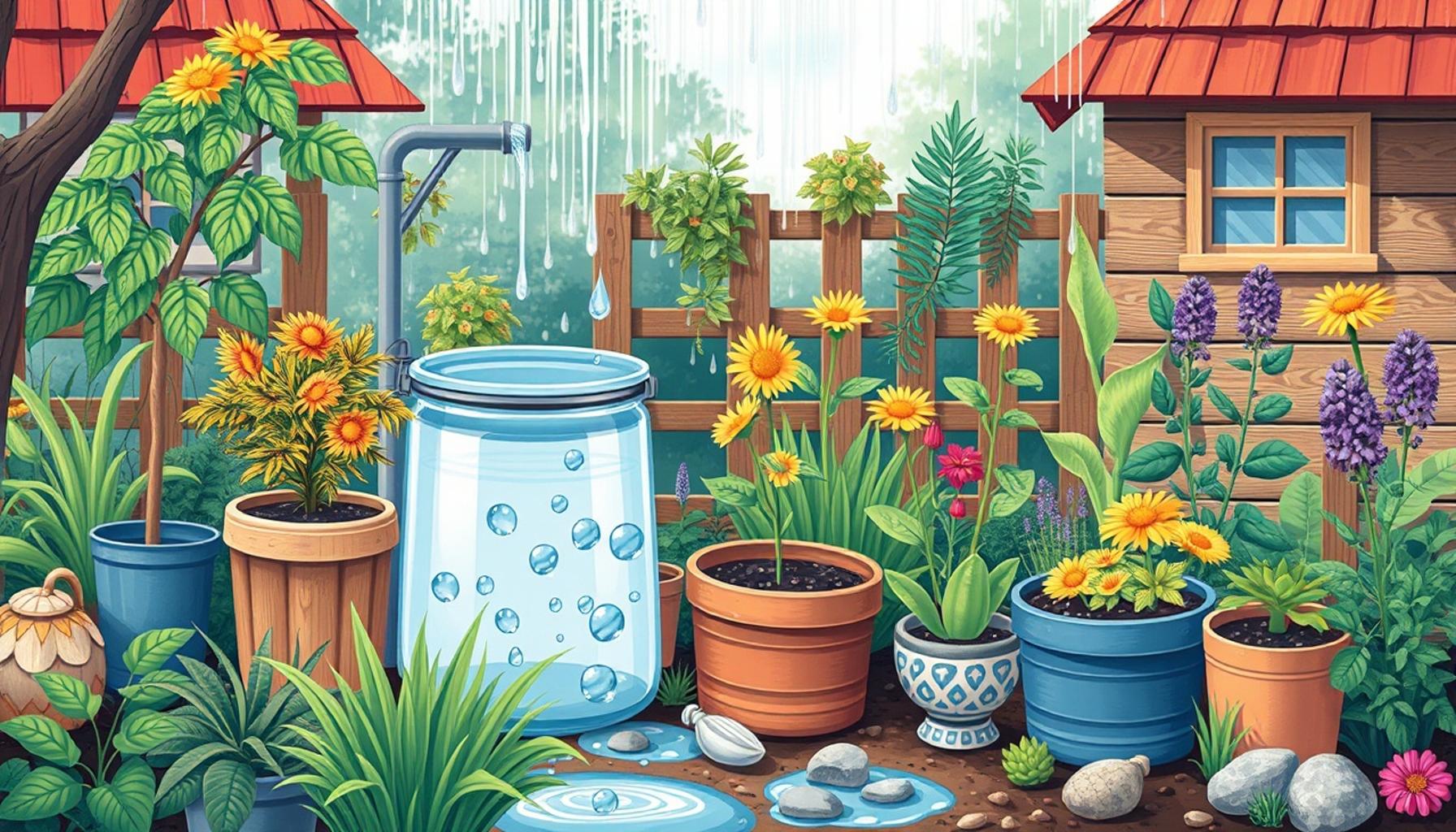
- Rainwater Harvesting: Implementing a rainwater harvesting system can significantly improve your watering practices by capturing natural rainfall. This not only conserves water but also provides plants with chemical-free moisture that is typically superior to tap water, which may contain chlorine and other additives that can harm sensitive plants.
- Smart Irrigation: Technology has revolutionized gardening to a degree, with smart irrigation systems that adapt watering schedules based on real-time weather data. These systems can optimize water usage, helping to deliver precisely what your plants need while conserving resources—perfect for the environmentally conscious gardener.
- Drip Irrigation: This efficient method delivers water directly to the plant roots, reducing evaporation and runoff. Not only does this technique promote healthier roots, but it also saves water, making it an excellent choice for those in arid regions.
In addition to ensuring adequate hydration, the quality of water you use can also affect your plants. If your garden has heavy metals or salts present in the water supply, it may lead to soil degradation and plant health issues. Testing your water for contaminants can guide you in choosing the best water source for your plants.
With an in-depth understanding of these advanced watering strategies, gardeners can enhance their plant care approaches to ensure vibrant, productive gardens. The journey into the intricacies of watering not only nurtures your plants but also fosters a deeper connection with the natural world. As you experiment with various techniques, you may find renewing joy in the art of gardening, further enriching your horticultural endeavors.
DISCOVER MORE: Click here to learn how to choose climate-resilient plants
Conclusion: Cultivating Success Through Smart Watering Practices
In summary, the significance of proper watering techniques cannot be overstated when it comes to nurturing healthy plants. By adopting a thoughtful approach to watering, based on an understanding of your plants’ individual needs, soil types, and environmental factors, you can set the stage for robust growth and thriving gardens. The science behind watering transcends simple hydration; it embodies an art form that, when mastered, fosters a deeper bond with nature and enhances your gardening experience.
As we explored, techniques such as rainwater harvesting, smart irrigation systems, and drip irrigation not only support plant health but also promote sustainable gardening practices. Moreover, by testing your water quality and conducting regular soil moisture assessments, you equip yourself with the knowledge necessary to make informed watering decisions that align with eco-friendly practices.
Ultimately, the journey toward successful plant care is an ongoing one, enriched by experimentation and adaptation. Embracing advanced watering strategies might just unveil new dimensions of growth and beauty in your garden, while also contributing to resource conservation efforts. By integrating the principles of effective watering into your routine, you can ensure that your plants receive the ideal conditions they need to flourish, cultivating a landscape that is both vibrant and sustainable.
As you embark on or continue your gardening journey, allow the importance of proper watering techniques to guide your efforts and inspire a renewed appreciation for the wonders of nature. Your plants will thank you for it!