Effective Soil Preparation Techniques for Home Gardening
Unlocking the Secrets of Soil Preparation
Preparing your garden soil effectively can be the difference between a thriving garden and a lackluster one. The right techniques not only enrich the soil but also foster healthier plants. Discovering effective soil preparation techniques for home gardening can lead you to bountiful harvests and vibrant blooms.
Why Soil Preparation Matters
Many gardeners underestimate the significance of proper soil preparation. Here are some key reasons why it’s crucial:
- Nutrient Availability: Healthy soil contains essential nutrients that plants need to grow. For example, nitrogen, phosphorus, and potassium are fundamental macronutrients, while iron and magnesium serve as critical micronutrients. When soil is nutrient-rich, plants exhibit stronger growth, enhanced flower production, and improved fruit quality.
- Soil Structure: Well-prepared soil improves drainage and aeration, promoting root development. Loamy soil, a mix of sand, silt, and clay, is highly regarded because it holds moisture yet drains well. This balance allows plant roots to access water and air, essential for their metabolic processes.
- Pest Resistance: Healthy soil can naturally resist pests and diseases. When soil is full of organic matter and beneficial microorganisms, it creates an ecosystem that supports healthy plant growth. For instance, plants grown in high-quality soil often show increased resilience to pests like aphids or diseases such as root rot.
The process may seem daunting, but understanding a few fundamental techniques can simplify it. Techniques such as testing soil pH, adding organic matter, and using cover crops can set your garden up for success. Each step plays a pivotal role in crafting a fertile environment for your plants.
Crucial Techniques for Successful Soil Preparation
One of the first steps in soil preparation is testing soil pH. This can be done using simple home kits or sending samples to local agricultural extension services for a thorough analysis. Most garden plants thrive in slightly acidic to neutral pH levels (6.0-7.0). If your soil is too acidic or too alkaline, you can amend it with lime or sulfur, respectively, to create a more favorable environment for your plants.
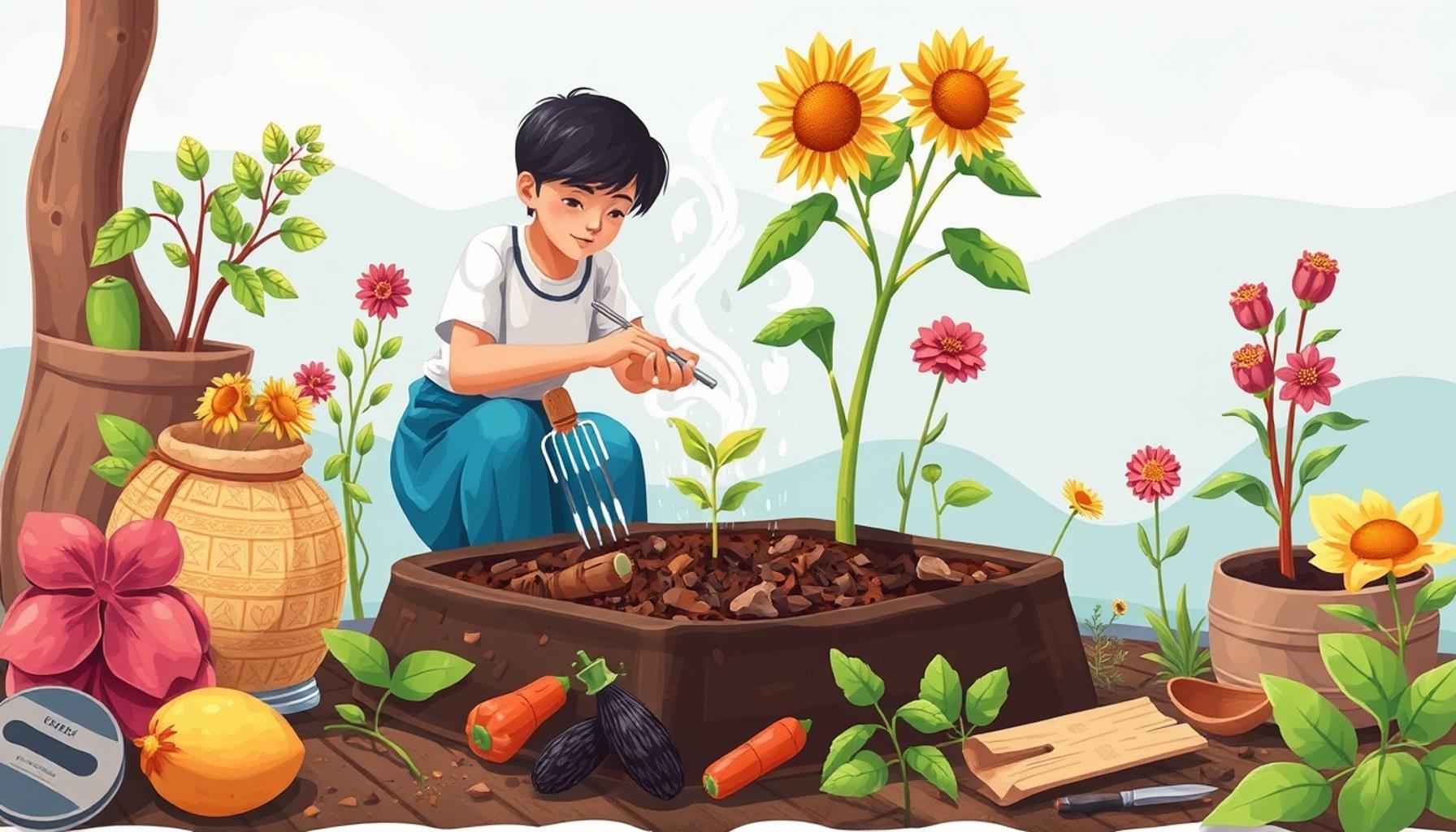
Next, consider adding organic matter such as compost, aged manure, or leaf mold to enrich your soil. This not only provides essential nutrients but also improves overall soil texture and moisture retention. For example, incorporating well-decomposed compost can greatly enhance the water-holding capacity of sandy soils while improving drainage in clay soils.
The practice of using cover crops during off-seasons is another effective technique. Crops like clover or rye can fix nitrogen in the soil and prevent erosion. When tilled back into the soil, they enhance organic matter content and nutrient availability for future planting seasons.
What You’ll Learn
In this article, we will explore:
- The importance of soil testing and how to do it
- Methods for enhancing soil texture and structure
- Best practices for utilizing compost and fertilizers
Join us as we delve into these exciting topics and empower your gardening endeavors. Unlocking the secrets of soil preparation is not just about growing gardens; it’s about fostering life, creativity, and sustainability right in your backyard.
DIVE DEEPER: Click here to learn about essential soil preparation techniques
Essential Steps for Optimal Soil Preparation
Effective soil preparation is a key ingredient in the recipe for a successful garden. To truly unlock your garden’s potential, it is vital to focus on a few core techniques that lay the groundwork for growth. Here we outline some of the most essential steps that every home gardener should consider.
Understanding Soil Composition
Before diving into preparation techniques, it’s paramount to understand what makes up soil. Soil is a dynamic mix of minerals, organic matter, water, and air. Each of these components plays a vital role in creating optimal gardening conditions. For instance, the mineral content can differ significantly from one area to another — sandy soils drain quickly but lack nutrients, while clay soils retain moisture yet can become compacted. Knowledge of your local soil composition helps in implementing effective preparation techniques tailored to your specific needs.
Soil Testing: The Foundation of Preparation
One of the most critical initial steps in soil preparation is performing a soil test. This simple yet indispensable step involves analyzing your soil’s pH, nutrient content, and soil texture. Home testing kits are easily accessible and can provide immediate insights, or you can submit samples to local extension services for a more comprehensive analysis. Based on the results, you can make informed decisions about necessary amendments. For example, if your soil shows a deficiency in nitrogen, you can incorporate organic fertilizers or adjust your planting schedule accordingly.
Enhancing Soil with Organic Matter
Another effective technique for enriching your garden soil is adding organic matter. This can include compost, aged manure, or even kitchen scraps. When added to your soil, organic matter provides an array of benefits:
- Nutrient Supply: Organic materials are rich in essential nutrients that plants need.
- Improved Soil Structure: They help in breaking up compacted soil, promoting better aeration and drainage.
- Moisture Retention: Organic matter enhances the soil’s ability to retain moisture, reducing the need for frequent watering.
- Microbial Activity: It encourages beneficial microorganisms, which contribute to a healthy soil ecosystem.
For optimal results, it is recommended to mix 2-4 inches of compost or well-decomposed organic material into the top layers of your soil. This will create a nutrient-rich environment that supports robust plant growth.
Utilizing Cover Crops for Soil Health
Incorporating cover crops into your gardening routine can yield incredible benefits, especially during the off-season. Cover crops, such as vetch, clover, or rye, are planted primarily to improve soil health rather than for harvest. Their roots help to aerate the soil, while their foliage can suppress weeds and prevent erosion. Not only do they capture and fix nitrogen in the soil, but when tilled back into the ground, they augment the organic matter, enhancing nutrient availability for the next planting season. This sustainable practice transforms your gardening area into a thriving ecosystem.
By adopting these critical soil preparation strategies, you can set the stage for an impressive garden yield. The journey to exceptional gardening begins with understanding your soil and nurturing it appropriately. Join us as we delve deeper into advanced techniques and best practices for cultivating vibrant, healthy plants.
| Technique | Advantages |
|---|---|
| Double Digging | Improves aeration and drainage, allowing roots to access nutrients effectively. |
| Adding Organic Matter | Enhances soil fertility and structure, promoting healthy plant growth. |
| Soil Testing | Identifies nutrient deficiencies, allowing for targeted amendments. |
| Cover Cropping | Prevents erosion and boosts soil health by fixing nitrogen and adding biomass. |
Effective soil preparation techniques are foundational to successful home gardening. By implementing methods such as double digging and adding organic matter, home gardeners can significantly improve soil quality, facilitating better drainage and enhanced fertility. Soil testing allows gardeners to tailor their amendments precisely based on the existing nutrient profile, thus optimizing the growing conditions for various plants. Moreover, cover cropping serves as an eco-friendly technique to limit erosion while enhancing soil structure over time. These practices not only prepare the garden beds but also contribute to long-term soil health, benefiting the garden year after year. By incorporating these strategies, you not only cultivate a thriving garden but also embrace sustainable gardening principles.
DISCOVER MORE: Click here to learn how to create a pest-resistant garden
Advanced Soil Techniques for Thriving Gardens
As you evolve in your gardening journey, diving into more advanced soil preparation techniques can significantly enhance your gardening outcomes. These methods not only enrich the soil but also contribute to a sustainable gardening environment that boosts plant health and productivity.
The Role of Mulching in Soil Management
Mulching is one of the simplest yet most effective techniques for improving soil health. By placing a layer of organic material—such as straw, wood chips, or leaves—over the soil surface, you create a multitude of benefits:
- Weed Suppression: A thick layer of mulch physically blocks sunlight, preventing weed seeds from germinating.
- Moisture Conservation: Mulch reduces evaporation rates, keeping the soil moist longer and minimizing the need for regular watering.
- Temperature Regulation: It acts as insulation, keeping soil temperatures stable, which is especially beneficial during extreme weather conditions.
- Organic Matter Addition: As mulch decomposes, it contributes additional nutrients back to the soil, further enhancing its quality.
Applying a layer of 2-4 inches of organic mulch can create a healthier growing environment for your plants while saving you time and effort in maintaining your garden.
Tilling: The Right Way to Turn Your Soil
Tilling is a common practice in home gardening, but it requires a mindful approach to ensure that you are not harming beneficial soil structure. Tilling helps to aerate the soil and integrates organic matter, but it can also lead to soil compaction and disruption of microorganisms if done excessively. Here are some best practices for effective tilling:
- Timing: Tilling should be done when the soil is dry enough to reduce clumping but moist enough to avoid dust. Early spring or after a light rain can be ideal.
- Depth: Avoid deep tilling as it can break up soil layers that naturally exist, leading to erosion risk. Stick to the top 6-8 inches, where most root activity occurs.
- Tools: Utilizing a handheld garden fork or a small power tiller can provide more control and less disturbance to the soil ecosystem than larger, more aggressive machines.
By adopting a skillful approach to tilling, you can prepare your soil efficiently without compromising its integrity.
The Benefits of Incorporating Biochar
Another innovative technique gaining traction among home gardeners is the use of biochar. This charcoal-like substance, produced from organic materials through pyrolysis, brings myriad benefits to soil health:
- Enhanced Fertility: Biochar improves nutrient retention and availability, making fertilizers more effective in the long run.
- Soil Structure Improvement: Its porous nature helps aerate the soil while retaining moisture, ultimately encouraging a robust root system.
- Carbon Sequestration: By incorporating biochar into your soil, you actively participate in reducing atmospheric carbon, contributing to combats against climate change.
To use biochar effectively, incorporate it into your soil prior to planting, ideally at rates of about 5-10%. This sustainable addition significantly enhances your garden’s productivity while promoting a healthier ecosystem.
By implementing these advanced soil preparation techniques, you can foster an environment that not only supports thriving plants but also encourages a vibrant garden ecosystem. As practices evolve, the rewards of an enriched garden are limitless, waiting for you to explore the vast possibilities.
DISCOVER MORE: Click here for tips on choosing climate-resilient plants
Conclusion: Cultivating Success Through Effective Soil Preparation
In the realm of home gardening, the adage “healthy soil, healthy plants” rings particularly true. By embracing a variety of effective soil preparation techniques, including mulching, tilling, and the innovative use of biochar, you equip your garden with the tools it needs to flourish. These practices do not merely enhance soil fertility; they promote a deep-rooted connection between your plants and their environment.
Implementing a proper mulching strategy not only curbs weeds and conserves moisture but also enriches the soil over time, gradually contributing to its organic health. Meanwhile, understanding the right approach to tilling can aid in aerating the soil without compromising crucial microorganisms. Additionally, introducing biochar into your gardening regimen can deliver long-term benefits, from improving nutrient retention to playing a part in carbon sequestration—an essential task in combating climate change.
As you reflect on the numerous soil preparation techniques discussed, it is essential to recognize that each garden is unique, requiring tailored approaches based on specific conditions and plant choices. Experimenting with these methods can yield insights into what works best for your space, creating a more vibrant and sustainable garden ecosystem.
By investing time in effective soil preparation, you not only enhance your gardening skills but also contribute to a more sustainable future. With every seed planted in enriched, well-prepared soil, you take another step toward cultivating not just plants, but a thriving, green sanctuary. Continue to explore and innovate within your gardening practices, and let the rewards of a nourished garden inspire your passion for home gardening.