Comparing Drip Irrigation and Traditional Watering Methods for Home Gardens
Choosing the Right Watering Method for Your Garden
For home gardening enthusiasts, the decision between drip irrigation and traditional methods can significantly impact both plant health and gardening efficiency. Each approach not only fosters various plant needs but also shapes your overall gardening experience by influencing factors like water usage, labor requirements, and cost-effectiveness. As you explore these options, understanding their dimensions becomes essential.
Efficiency of Water Delivery
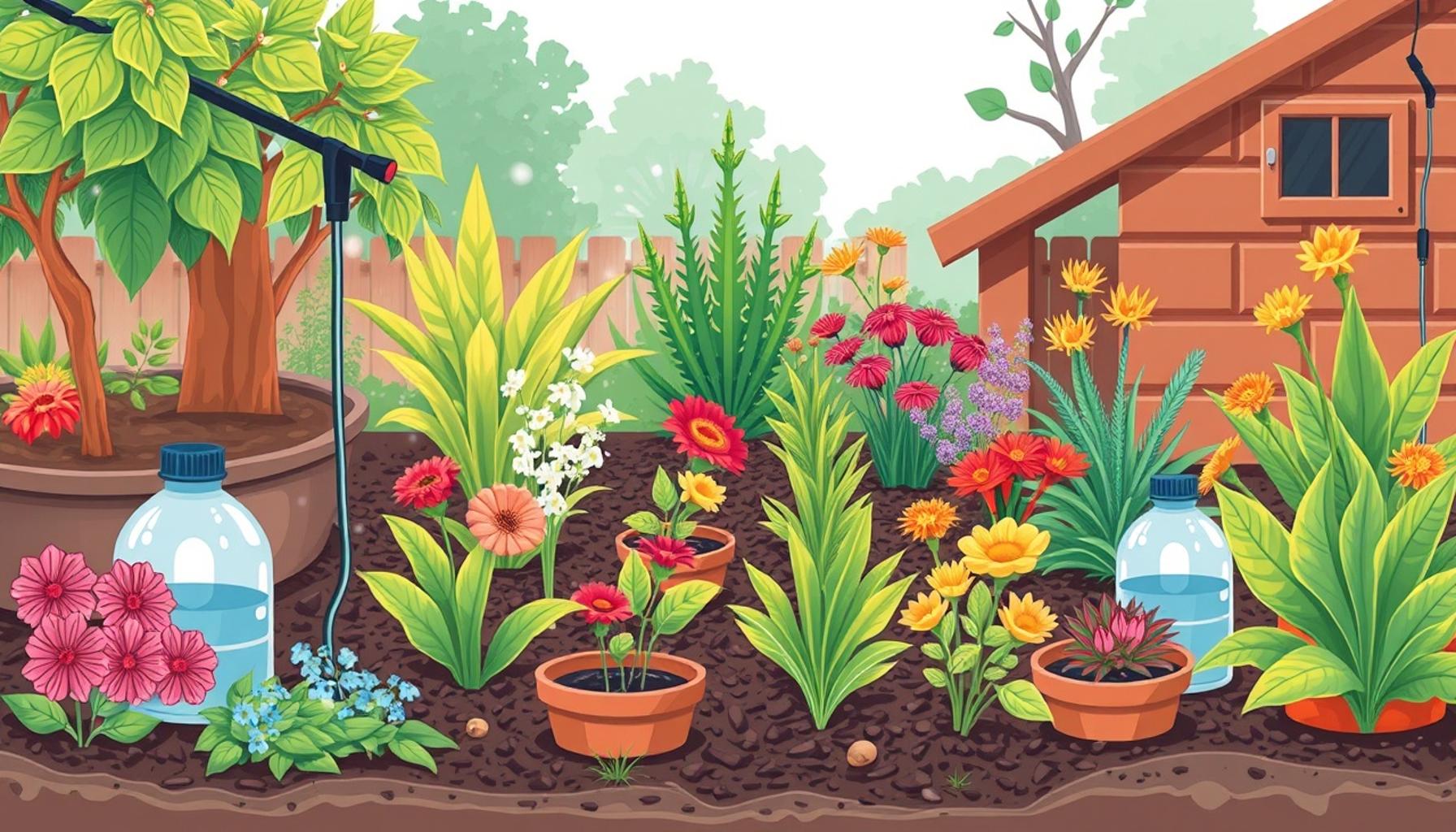
Drip irrigation stands out for its ability to direct water precisely to the root zones of plants. This targeted delivery method minimizes water evaporation and runoff, making it a highly efficient choice. In fact, studies have shown that drip systems can reduce water consumption by 30% to 50% when compared to traditional watering methods. For example, a home garden in California utilizing drip irrigation can yield lush vegetables while conserving precious water resources in a drought-prone area.
Labor Involvement
On the other hand, traditional watering methods, which often include hand-watering with hoses or using sprinklers, require significant physical effort and time commitment. Depending on garden size, watering by hand can easily turn into a time-consuming chore. Gardeners in more extensive landscapes may spend hours each week hauling hoses or moving sprinklers, which detracts from enjoyment and productivity. The labor-intensive nature of these techniques is an important consideration for maintaining a pleasurable gardening experience.
Cost Considerations
Initial costs can be a deterrent when contemplating a drip irrigation setup. Components such as tubing, emitters, and filter systems might appear pricey at first glance. However, the long-term savings can be substantial, as decreased water usage leads to lower utility bills. Moreover, drip irrigation can enhance plant health and yield, providing a solid return on investment. This is particularly relevant for those cultivating fruits and vegetables in their gardens, as consistent moisture fosters optimal growth and productivity.
Environmental Impact
Beyond personal benefits, the choice of watering system can bear significant environmental implications as well. The conservation of water resources is a pressing concern in many regions across the United States, where states like Texas and Arizona often grapple with irrigation challenges. Drip irrigation systems not only address this issue by reducing waste but also allow for precise fertilizer application, minimizing chemical runoff into local ecosystems.
A Case for Fertilizer Efficiency
With drip irrigation, nutrients can be delivered directly to the roots along with the water, a method known as fertigation. This technique reduces the amount of fertilizer needed overall, promoting healthier plant growth while also protecting the environment from excess chemical discharges that can contaminate waterways.
In summary, determining the best watering method for your home garden is more than just a matter of preference; it is about understanding the broader impacts of your choices. From efficiency and labor to costs and environmental considerations, assessing both drip irrigation and traditional methods empowers you to make a more informed decision that enhances both productivity and sustainability. In the following sections, we will revisit each facet in detail, equipping you with deeper insights to elevate your gardening success.
DISCOVER MORE: Click here for eco-friendly solutions
Understanding Water Conservation Principles
Water conservation is becoming an increasingly vital issue for gardeners, particularly in regions facing water shortages or prolonged droughts. As climate variability impacts our ecosystems, making informed decisions regarding watering methods is essential for both individual success and broader environmental wellbeing. The crux of the matter lies in the efficiency of the watering systems we choose, which can greatly influence not only our gardens’ health but also our water footprint.
Drip irrigation sets a high bar for water conservation. By delivering water directly to the soil’s surface, and often right at the roots of plants, this method facilitates minimal water loss through evaporation or runoff. Gardeners utilizing drip irrigation systems benefit from a more sustainable approach, as this targeted delivery can reduce water waste by up to 50%. A recent study by the USDA found that implementing drip systems for vegetable gardens can maximize yields while using significantly less water compared to traditional sprinkler systems.
Traditional Watering Techniques: An Overview
On the flip side, traditional watering methods, such as overhead sprinklers and hand watering with hoses, have been commonplace for generations. While these methods possess their charm—the ritual of watering and the sight of water cascading on garden beds—their efficiency is often called into question. Common pitfalls include:
- Evaporation Loss: Water sprayed into the air often evaporates before it reaches the soil, particularly in hotter climates.
- Runoff Issues: Sprinklers may contribute to water runoff, especially if applied on sloped land, leading to soil erosion and nutrient loss.
- Uneven Distribution: Hand watering or non-adjustable sprinklers can result in uneven moisture levels, causing some plants to receive insufficient water while others may be overwatered.
Despite these challenges, traditional methods still hold appeal for many gardeners who appreciate their simplicity and accessibility. A common setup only requires a hose, a watering can, or a basic sprinkler, making it an affordable option for those starting their gardening journey.
Plant Health and Disease Management
Another critical aspect to consider is how watering methods influence plant health and susceptibility to diseases. With traditional watering approaches, the risk of mold and fungal diseases increases, particularly if foliage frequently becomes wet. Conversely, drip irrigation, by virtue of directing water to the soil, keeps leaves dry, reducing the potential for such diseases and promoting healthier growth.
As we explore the landscape of watering options for home gardens, understanding the implications of these choices extends beyond mere convenience. It invites us to think critically about how our gardening practices interact with water resources and environmental health. Each method, from drip irrigation to traditional watering, presents unique advantages and challenges, fundamentally tying our gardening success to broader sustainability efforts in our communities.
The debate surrounding drip irrigation versus traditional watering methods for home gardens is not just a matter of preference; it significantly impacts water conservation, plant health, and overall garden productivity. To better understand this relationship, let’s explore the advantages of each method in more detail.
| Drip Irrigation | Traditional Watering Methods |
|---|---|
| Efficient Water Usage | Widespread Accessibility |
| Delivers water directly to the root zone, minimizing evaporation and runoff, leading to up to 60% water savings. | Easily set up with basic tools, making it an ideal choice for those new to gardening. |
| Fewer Weeds | More frail plants |
| By focusing moisture where needed, it significantly reduces weed growth, enhancing plant health. | Overwatering often leads to issues such as fungal growth and weakened plants. |
The advantages of drip irrigation include optimal water conservation, less weed competition, and improved plant health, whereas traditional watering methods offer wide accessibility and ease of use. Both methods present unique benefits, encouraging gardeners to assess their individual needs and conditions before making a choice.
As the fascination with sustainable gardening practices grows, understanding these watering systems will empower gardeners to make informed decisions that ultimately enhance their green spaces.
DISCOVER MORE: Click here to learn how to optimize your garden irrigation
Cost-Effectiveness and Long-Term Sustainability
When evaluating drip irrigation versus traditional watering methods, it’s crucial to consider not only the initial installation costs but also the long-term financial implications. The setup for drip irrigation can be perceived as a hefty investment upfront, with costs for pipes, emitters, and perhaps professional installation if the system is complex. However, savvy gardeners may find that this initial outlay pays dividends over time. Studies have shown that while conventional watering methods may seem cheaper to adopt at first, higher water bills, plant loss, and maintenance of equipment can accumulate into significant costs.
Furthermore, operational costs for drip systems can be considerably lower, especially in regions where water prices are climbing due to scarcity. For instance, in California, where drought conditions have prompted water rationing, drip irrigation could dramatically reduce water expenditure for homeowners and support local conservation efforts. Gardeners using drip systems often report needing less water and fewer resources for plant replacement, creating a ripple effect of savings.
Flexibility and Application Versatility
Another aspect to examine is the versatility of each method. Drip irrigation systems are specifically designed to be tailored to an array of garden layouts and plant types. Whether you are cultivating a vegetable patch, flower garden, or even fruit trees, drip irrigation can be adapted to suit varying water needs. Conversely, traditional watering tends to be less flexible; a hand-held hose can be cumbersome, and sprinklers often water indiscriminately, saturating areas without considering differences in plant requirements.
Consider this: a recent analysis indicated that gardens adopting drip irrigation often hosted more diverse plant species, attributed to the precise watering conditions. Whether you live in a sprawling estate or a cozy city lot, the adaptability of drip systems can substantially enhance your garden’s biodiversity.
Environmental Impact and Soil Health
The environmental considerations tied to watering methods cannot be overlooked. Traditional watering practices contribute to runoff, which can erode soil and leach essential nutrients from your garden. It’s a cycle that can ultimately lead to degraded soil health—less productive for both gardeners and the ecosystem. In contrast, drip irrigation promotes deeper root systems and healthier soil microbiomes due to consistent moisture levels, impacting plant resilience and overall garden vitality.
Moreover, the precision and efficiency of drip irrigation mean that gardeners can use rainwater collection systems and integrate other sustainable practices. This synergy helps create a more sustainable gardening ethos, with reduced reliance on municipal water supply systems and a smaller overall carbon footprint.
Evaluating Maintenance and Upkeep
When it comes to maintenance, the complexity of drip irrigation systems does require an investment of time and knowledge. Regular checks on the emitters and pipes can prevent clogs and ensure optimal performance. On the other hand, traditional methods may seem simpler but are often accompanied by their own challenges. For example, a leaky hose or malfunctioning sprinkler can waste significant amounts of water, often unnoticed until it affects the garden’s health.
Ultimately, understanding these nuances aids gardeners in making informed choices that align with both their gardening style and conservation goals.
DIVE DEEPER: Click here to uncover the secrets of successful gardening
Final Thoughts on Drip Irrigation vs. Traditional Watering Methods
In conclusion, the choice between drip irrigation and traditional watering methods hinges on several factors including efficiency, environmental impact, and long-term sustainability. While traditional methods may appear more accessible at first glance, their inherent inefficiencies can lead to increased water waste and higher costs over time. On the other hand, drip irrigation offers a meticulously targeted approach that cultivates healthier plants while conserving valuable water resources, making it particularly beneficial in regions facing water scarcity.
The investment in drip irrigation systems not only promotes economic savings through decreased water use but also fosters a healthier ecosystem through enhanced soil health and plant diversity. For gardeners looking to adopt more sustainable practices, the adaptability of drip systems can cater to various plant types and garden layouts, contributing to a richer and more productive growing experience.
Moreover, as more homeowners embrace eco-conscious gardening, the role of technology in water management is set to expand. Embracing drip irrigation could position gardeners at the forefront of this movement, creating habitats that thrive both for themselves and for the surrounding environment. Whether you are a seasoned gardener or just beginning, weighing the benefits of these methods will empower you to cultivate not just a garden, but a sustainable future.
As you consider your own home garden, reflect on your watering method not just as a task, but as a conscious choice—one that can contribute to the health of your plants and the planet. The pursuit of greener gardening practices has never been more critical, and that conversation begins in our own backyards.