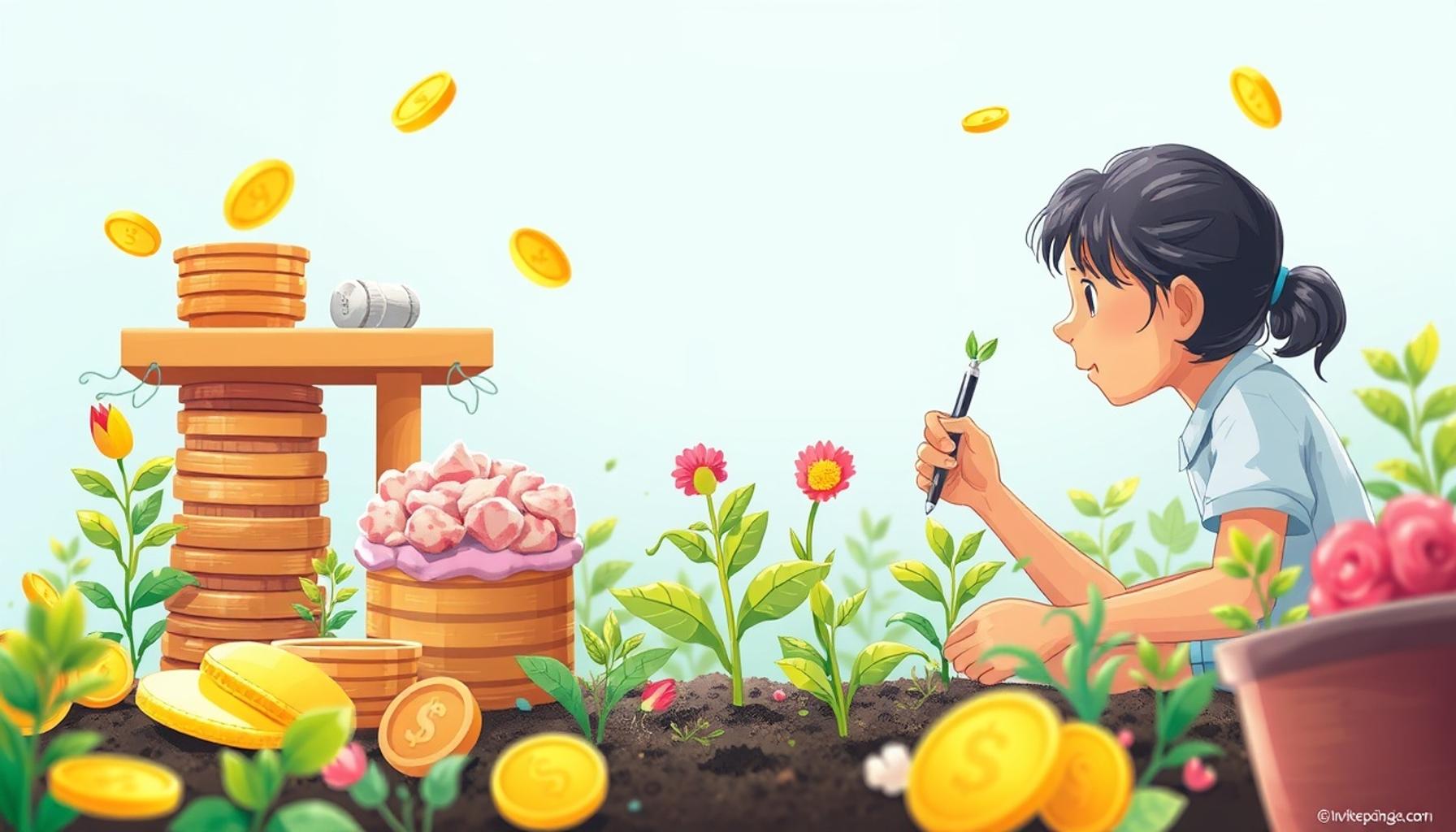
How to Incorporate Organic Materials into Soil Preparation for Gardening Beginners

The Importance of Soil in Gardening
The foundation of a thriving garden lies in its soil, a factor too often underestimated by novice gardeners. Healthy soil acts as a reservoir for nutrients and a habitat for microorganisms, both of which are vital for plant growth. Among the many contributors to soil vitality, organic materials play an indispensable role. Understanding how to effectively incorporate these elements into your garden can revolutionize your gardening experience and yield impressive results.
Organic materials represent a wealth of natural resources that can significantly enhance the quality of your soil. Some common types include compost, leaf mold, and well-rotted manure. By adding these materials, you create an environment rich in nutrients while also improving soil structure. But what exactly are the benefits of incorporating organic materials into your garden? Let’s delve deeper.
- Improved Nutrient Content: Organic matter acts as a slow-release fertilizer, supplying essential nutrients such as nitrogen, phosphorus, and potassium over time. This gradual availability means plants can access these nutrients as needed, fostering robust development.
- Enhanced Soil Structure: The inclusion of organic materials helps create a crumbly texture that holds onto moisture, yet allows excess water to drain away. This balance is pivotal, particularly in regions prone to heavy rains or drought.
- Increased Microbial Activity: Healthy soil teems with life, including bacteria, fungi, and beneficial insects. By enriching your soil with organic matter, you foster an ecosystem that supports these microorganisms, which in turn plays a vital role in nutrient cycling and plant health.
Methods of Incorporating Organic Materials
Integrating organic materials into your gardening process is a straightforward yet crucial task. Start by evaluating your existing soil quality. If it appears compacted or devoid of nutrients, this is a clear signal to enhance it with organic elements. A simple method is to mix in a generous layer of compost into the top few inches of soil before planting. This can be applied across various garden types, be it a lush flower bed or a productive vegetable patch.
Additionally, implementing regular practices such as mulching with organic materials, using cover crops, or allowing for crop rotation can lead to sustained soil health over time. Achieving a vibrant garden is not merely about planting; it is fundamentally about nurturing the soil to improve its health and vitality.
On your journey to becoming a successful gardener, embracing the idea of incorporating organic materials is essential. By understanding the transformative power of healthy soil, you set the stage for success—cultivating not only beautiful landscapes but also yielding vibrant, productive plants. Remember, every thriving garden begins with its soil, and the secrets it holds are yours for the unlocking.
DISCOVER MORE: Click here to learn how to select climate-resilient plants
Choosing the Right Organic Materials for Your Garden
As a beginner gardener, selecting the right organic materials is fundamental to enhancing your soil quality. Each type of organic material offers unique benefits, providing you with a plethora of options to enrich your garden soil. The key is to understand the characteristics and advantages of various materials to make informed choices that align with your gardening goals.
One of the most popular organic amendments is compost. This nutrient-rich material is created from decomposed organic matter such as kitchen scraps, yard waste, and other biodegradable materials. Compost is easy to produce at home or can be purchased from garden centers. It improves soil fertility, promotes good drainage, and enhances the soil’s ability to retain moisture, making it an invaluable resource for any gardener.
- Leaf Mold: Composed of decomposed leaves, leaf mold is another excellent addition. It increases soil aeration and enhances moisture retention. As it breaks down, it provides a slow-release source of nutrients, all of which are crucial for young plants.
- Well-Rotted Manure: This traditional organic amendment is derived from livestock waste and is an excellent source of nitrogen, phosphorus, and potassium. Ensure that you use well-rotted manure to avoid burning plants with excess nitrogen. Additionally, it helps improve soil structure, creating a more favorable environment for root development.
- Green Manure: This term refers to cover crops that are grown specifically to be tilled back into the soil. Planting a cover crop like clover or vetch adds valuable organic material and nutrients while preventing soil erosion. It’s a proactive way to rejuvenate your soil between growing seasons.
When choosing organic materials, consider your soil’s specific needs. For instance, if your soil is heavy and clay-like, materials such as compost and leaf mold can help break it up and improve aeration. Conversely, sandy soils might benefit from additional organic matter for moisture retention. Whatever your soil condition, adopting a tailored approach will lead to noticeable improvements in your gardening efforts.
Preparing Your Soil for Organic Amendments
Before you begin incorporating organic materials, it’s crucial to prepare your soil properly. Start by testing your soil’s pH and nutrient levels with a simple at-home testing kit. This will provide a baseline for enhancing your soil’s quality. Next, clear any debris, such as rocks or old plant material, from the area where you’ll be planting. Loosening the top layer of soil with a shovel or garden fork will also facilitate better integration of the organic amendments.
By understanding how to select and prepare organic materials effectively, you are taking the first steps towards building a healthy and productive garden. Embrace the process of enriching your soil, and watch as your garden flourishes like never before. Skilled gardening lies in the quality of the soil, and enriching it with organic materials is the cornerstone of cultivating robust plants and bountiful harvests.
Understanding the Importance of Organic Materials
When starting a garden, recognizing how to incorporate organic materials into soil preparation is crucial for healthy plant growth. Organic materials, such as compost, manure, and biodegradable plant residues, contribute significantly to soil structure and nutrient availability.
Identifying Suitable Organic Materials
Budding gardeners should explore various options for enriching their soil. Compost is one of the most accessible options—it transforms kitchen scraps and yard waste into valuable nutrients. Additionally, well-aged manure from herbivorous animals provides essential nitrogen and enhances soil fertility. Incorporating green manures, or cover crops, can further protect the soil and add nutrients when tilled back into the earth.
Methodologies for Incorporation
Incorporating these organic materials requires specific techniques to maximize their benefits. Layering compost atop the soil surface before planting allows nutrients to gradually seep into the soil. For existing gardens, mixing organic matter directly into the top 6-12 inches of soil promotes even distribution. A soil test can also guide you in determining how much organic matter your soil truly needs.
Long-Term Benefits of Organic Practices
As you adopt methods for incorporating organic materials, long-term benefits become apparent. Healthy soil retains moisture better, reduces the need for synthetic fertilizers, and decreases pest and disease prevalence. Moreover, organic gardening aligns with sustainable practices, leading to a healthier environment overall.
Getting Started with Your Gardening Journey
Embracing organic materials in your soil preparation sets the foundation for a thriving garden. Whether you’re starting with a small vegetable patch or landscaped flower beds, you’ll find that the fruits of your labor are immensely rewarding.
| Category | Details |
|---|---|
| Nutrient-Rich Compost | Enhances soil fertility with essential nutrients. |
| Improved Soil Structure | Aids in moisture retention and drainage. |
| Natural Pest Control | Reduces need for chemical pesticides. |
| Sustainable Gardening | Promotes environmental health and biodiversity. |
DISCOVER MORE: Click here to enhance your gardening skills
Effective Strategies for Incorporating Organic Materials
With a selection of organic materials at your disposal and adequately prepared soil, it’s time to focus on how to effectively incorporate these amendments into your garden. The process may seem daunting, but with a few straightforward techniques, you can enrich your soil for optimal plant growth. Understanding these strategies will empower you to create a thriving garden that not only supports your plants but also fosters a healthy ecosystem.
1. Layering Method: One of the simplest ways to incorporate organic materials is through the layering method, often referred to as lasagna gardening. This involves creating a series of layers using organic materials, such as browns (carbon-rich materials like dried leaves and straw) and greens (nitrogen-rich materials like kitchen scraps and grass clippings). Start by laying down a layer of coarse materials at the bottom to improve drainage, followed by alternating layers of browns and greens. This approach not only enriches the soil but also promotes microbial activity, leading to quicker decomposition and a nutrient-rich growing environment.
2. Tilling and Mixing: For a more hands-on approach, tilling and mixing organic materials directly into the existing soil is an effective strategy. After preparing your soil, add your chosen organic amendments, such as compost or well-rotted manure, and use a garden fork or tiller to blend them into the top 6 to 8 inches of soil. This method ensures even distribution and provides essential nutrients to the root zone, promoting vigorous plant growth. However, be cautious not to over-till, as excessive disturbance can damage soil structure and inadvertently release carbon dioxide into the atmosphere.
3. Soil Mounding: For those with raised beds or wanting to create a designated garden area, soil mounding is a practical technique. After mixing your organic materials into the soil, form mounds or raised beds that are higher than the surrounding ground. This not only improves drainage but also allows for better root development and temperature regulation. Additionally, the added height can help deter pests while offering a visually appealing layout for your garden.
4. Top Dressing: For an ongoing enrichment strategy, consider using a top dressing of organic material, such as compost or mulch, throughout the growing season. Spread a thin layer of organic matter on the soil surface to help retain moisture, suppress weeds, and gradually improve the soil’s nutrient content as it breaks down. This method is particularly beneficial for perennial gardens and established beds, allowing you to nourish the soil without disturbing the existing plant roots.
As a novice gardener, experimenting with these methods can provide valuable lessons in soil management. Ensure you monitor the effects of your organic amendments on plant growth and adjust your strategy as needed. For instance, if you notice nutrient deficiencies in your plants, consider incorporating additional nitrogen-rich materials or amending your soil again to establish a balanced nutrient profile.
The journey of learning to incorporate organic materials in your soil preparation is rewarding. Not only does it contribute to healthier plants, but it also fosters a sustainable gardening practice that can benefit the environment. Embrace these techniques and watch as your garden flourishes, transforming your outdoor space into a vibrant oasis.
LEARN MORE: Click here to discover how to create a sustainable garden</a
Conclusion
Incorporating organic materials into soil preparation is a vital practice for gardening beginners looking to produce vigorous plants and establish a sustainable gardening environment. Throughout this article, we’ve explored various methods such as layering, tilling, soil mounding, and top dressing that can enhance your soil’s nutrient profile and overall health.
As you embark on your gardening journey, remember that patience is key. The benefits of enriching your soil with organic materials often take time to manifest, yet the long-term rewards are unparalleled—richer soil, healthier plants, and a thriving ecosystem. By actively engaging in soil management, you not only foster robust plant growth but also contribute to the revitalization of your local environment. This holistic approach aligns with the growing trend toward sustainable gardening practices celebrated across the United States.
Continual Learning and Adaptation: Each gardening experience offers valuable lessons. Keep an eye on your plants, observe how they respond to various amendments, and be open to adjusting your techniques as you acquire more knowledge and skills. Utilizing organic materials isn’t just about following a method; it’s about understanding your garden’s unique needs.
In conclusion, embrace the myriad of organic options available and experiment with confidence. Your garden holds the potential to bloom into a thriving sanctuary, where your efforts contribute to the greater good of the Earth’s ecosystem. With each step, you are rediscovering the time-tested relationship between soil and plant, creating a vibrant garden that reflects not only your passion but also your commitment to sustainability.