Using Watering Cans: Tips for Efficient Watering in Small Gardens
Discover the Art of Watering with Cans
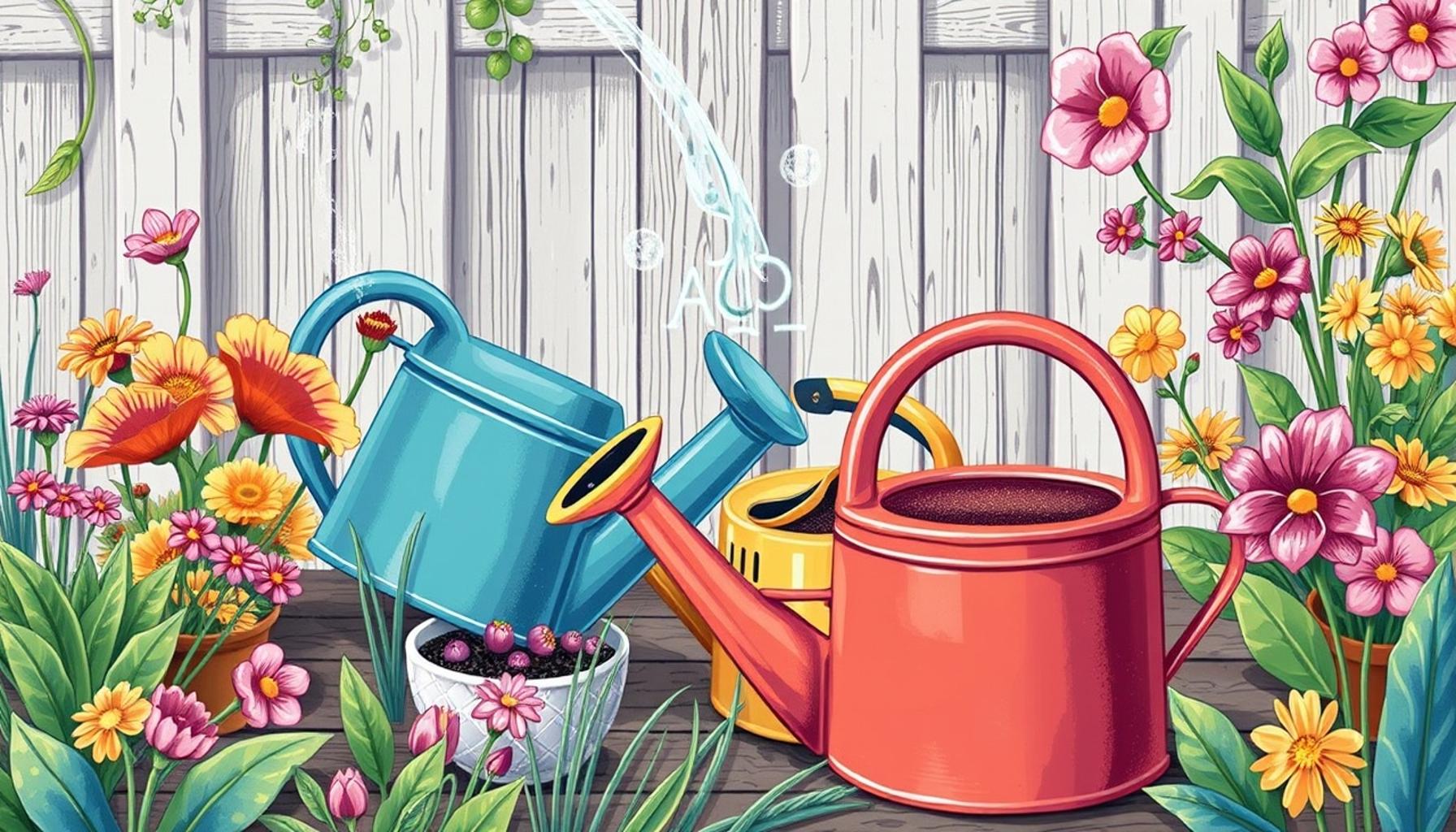
Watering your garden efficiently is crucial, especially in small spaces where every drop counts. A watering can can be a gardener’s best friend, offering precision and flexibility that hoses often can’t match. Whether you have herbs on a windowsill or flowers in a compact backyard, mastering the use of a watering can can lead to flourishing plants.
Why Choose a Watering Can?
Using a watering can has several advantages, particularly for smaller gardens:
- Control: You can direct water exactly where it’s needed, preventing runoff and ensuring that each plant receives an adequate amount. This precision is especially beneficial for delicate plants, like newly sprouted seedlings, which require careful moisture levels to thrive.
- Portability: Lightweight and easy to carry, even when full, watering cans allow for effortless movement throughout your gardening space. Unlike cumbersome hoses that can tangle or be difficult to maneuver, a watering can provides simplicity, especially in tight corners or raised beds.
- Versatility: Watering cans are ideal for both delicate seedlings and larger plants. The ability to adjust the watering technique—pouring gently for young plants while using a heavier pour for established ones—makes the watering can an indispensable tool for gardeners of all skill levels.
Essential Tips for Efficient Watering
To ensure optimal watering practices, consider the following tips:
- Check soil moisture: Before watering, feel the soil with your fingers. Look for dryness about an inch below the surface. This prevents over-saturation, which can lead to root rot, particularly in plants like tomatoes and peppers, which prefer well-drained soil.
- Water early or late: Aim to water your plants either early in the morning or late in the afternoon. This timing reduces evaporation caused by the sun’s heat, allowing more water to reach the roots—vital in hot summer months typical in many states across the U.S.
- Use a rose attachment: Adding a rose attachment to your watering can creates a gentle shower effect, perfect for fragile plants and seedlings. This minimizes the risk of soil erosion and ensures that water penetrates the ground uniformly.
Additionally, consider the material and shape of your watering can. For instance, a metal can may retain heat, which could warm the water on sunny days, beneficial for specific plants that thrive in slightly warmer soil conditions. On the other hand, plastic cans are lightweight and insulated, making them a popular choice for many household gardeners.
With the right techniques and tools, you can make the most of your gardening efforts. As you practice these techniques, observe how your plants respond, taking notes of what works best in your specific environment. Delve deeper into the practical applications and benefits of using watering cans, and watch your small garden thrive into a vibrant oasis filled with lush greenery and blooming flowers.
DIVE DEEPER: Click here to learn how to choose climate-resilient plants
Mastering the Efficient Use of Watering Cans
Watering cans may seem like a simple tool, but their ability to enhance watering efficiency in small gardens should not be underestimated. In fact, knowing how to use a watering can properly can significantly improve the health of your plants, conserve water, and make your gardening experience more enjoyable. Here are some actionable tips and insights to elevate your watering game.
Understanding the Right Technique
To maximize efficiency, it’s essential to adopt the right watering technique. Here are several strategies to consider:
- Water deeply but infrequently: This encourages plants to develop deep root systems that can better withstand dry spells. Aim for thorough watering, ensuring moisture penetrates two to three inches into the soil. A good rule of thumb is to water once a week, adjusting based on your local climate and rainfall.
- Target the base of the plants: When using a watering can, focus on pouring water directly at the base of each plant. This minimizes evaporation and guides water to the roots, where it’s most needed. Avoid wetting the leaves unnecessarily, as this can lead to fungal issues, particularly in humid climates.
- Observe your plants: As you gain experience, pay attention to the signs your plants give. Wilting, yellowing leaves, or stunted growth can indicate either under-watering or over-watering. Adjust your watering habits accordingly to maintain the balance that your plants require.
Choosing the Right Watering Can
The type of watering can you choose can dramatically influence your watering practices. Here are key considerations:
- Capacity: Depending on the size of your garden, select a watering can that is manageable for you but large enough to reduce the number of trips needed to refill. A 2-gallon watering can is often a good starting point for small gardens.
- Spout design: A long, narrow spout can help you reach tight spaces and direct water more precisely, making it easier to water individual plants without splashing soil around.
- Material matters: As mentioned earlier, metal watering cans are durable but might conduct heat, while plastic cans are typically lighter and easier to handle. Choose a material that fits your gardening style and needs.
By selecting the appropriate watering can and employing the right techniques, you’re not just watering; you’re also nurturing a harmonious environment for your plants. Investing time in understanding how to use this simple tool can yield rewarding outcomes in the form of a thriving garden. As you experiment with these methods, you’ll gain insights into what works best for your unique garden space, leading to flourishing plants that bright your home and community.
Watering Can Techniques for Small Gardens
When it comes to efficient watering in small gardens, the technique you use can greatly affect the health of your plants. With the right approach, watering not only becomes easy but also enjoyable. Here are several key techniques to consider:
1. Targeting Roots
Using a watering can allows you to direct water precisely where it’s needed—around the roots of your plants. This minimizes water waste and prevents evaporation, ensuring that moisture reaches the soil effectively. Aim to water early in the morning or late in the afternoon to reduce water loss due to evaporation.
2. Controlling Water Flow
One of the advantages of using a watering can is the ability to control the flow of water. By tilting your can differently, you can gauge how much water is dispensed, adjusting according to the needs of each plant. This is especially beneficial for delicate seedlings or smaller plants that require less water.
3. Incorporating a Rosehead
A rosehead attachment can be added to your watering can for a more gentle watering experience. This disperses water evenly, mimicking rainfall and reducing the risk of soil erosion. It’s perfect for keeping soil structure intact while ensuring all plants receive the hydration they need.
4. Distributing Nutrients
You can also use your watering can as a vessel for diluted liquid fertilizers. This way, as you water, you nourish your plants simultaneously. Combine this with regular watering to promote robust growth and flowering, enhancing the beauty of your small garden.
5. Watering Schedule
Establishing a routine is crucial in maintaining an efficient watering practice. Depending on your garden’s needs, you may decide to water daily or every few days. The key is to observe the soil moisture and adapt accordingly. A schedule helps prevent overwatering and creates a thriving environment for your plants.By employing these techniques, you’re not just watering plants; you’re ensuring an environment that supports biodiversity and promotes healthy growth. Be sure to adapt your methods to the specific needs of each plant species to maximize their potential.
Advantages of Using Watering Cans
| Category | Key Features |
|---|---|
| Precision | Allows targeted watering to roots and specific areas. |
| Sustainability | Reduces water waste by promoting efficient watering practices. |
Incorporating these strategies into your routine can transform your watering experience, making it more enjoyable and rewarding.
DISCOVER MORE: Click here to learn about native plants
Enhancing Your Watering Routine with Thoughtful Practices
Building upon the foundational techniques and tools for using a watering can effectively, establishing a reliable watering routine can be crucial for the success of your small garden. The rhythm of your watering schedule, combined with specific practices, can ensure that your plants thrive while conserving water and reducing labor. Here are more strategies that will help you refine your watering habits.
Timing Is Everything
The timing of your watering can significantly influence plant health. Here are some key points to consider:
- Water in the early morning: Early morning is the best time to water your plants, often just after the sun rises. This allows the water to penetrate the soil before the heat of the day causes evaporation. Additionally, watering in the morning minimizes the risks associated with fungal diseases, as plants have all day to dry off.
- Avoid evening watering: While it may seem convenient to water after a busy day, watering in the evening can leave foliage damp overnight, creating an environment ripe for mildew and pests. If you must water later in the day, do so when temperatures have dropped, but aim to keep foliage as dry as possible.
Utilizing Add-Ons for Better Watering
Consider integrating simple add-ons and tools to enhance the effectiveness of your watering can:
- Use a rose attachment: Many watering cans come with a detachable rose or filter that breaks up the stream of water into a gentle spray. This is ideal for delicate seedlings or young plants, ensuring they receive moisture without being dislodged from the soil.
- Color coding for efficiency: If you have multiple watering cans—perhaps for different garden sections—color coding them can help you quickly identify which can is designated for which area or plant type. This saves time and reduces the risk of cross-contamination between planted areas.
- Make your own rain gauge: Creating a simple rain gauge will inform you of rainfall amounts and help adjust your watering schedule accordingly. You can use a clean, clear container placed in your garden. Make sure to check it regularly, and adjust your watering based on how much natural precipitation your plants receive.
Engaging in Companion Watering
Another method to consider is companion watering. This practice involves watering together more than one area or group of plants at the same time. Here’s how to efficiently utilize this method:
- Group plants by their water needs: Organizing plants with similar watering requirements together can optimize water usage and save time. For instance, grouping succulents or drought-resistant plants in one area means you won’t waste precious water on plants that thrive with less.
- Water neighboring pots: If you have potted plants scattered throughout your garden, create a routine where you water all pots in a single round, adjusting the amount for species requiring differing levels of moisture. Consider using a larger watering can for this task to cover more ground in fewer trips.
By optimizing your watering routine, incorporating efficient timing, useful attachments, and companion watering practices, you can enhance the overall health of your small garden while making the most out of your watering can. These practices not only contribute to your plants’ longevity and vitality but also encourage a systemic approach to nurturing your green space sustainably.
DISCOVER MORE: Click here to learn about eco-friendly pest control
Conclusion: Cultivating a Flourishing Garden with Efficient Watering
In the intricate dance of gardening, using watering cans serves as both an art and a science. By implementing the techniques and strategies discussed, you not only promote a thriving and vibrant small garden but also embrace a more efficient and sustainable approach to gardening. Through conscious timing, utilizing practical add-ons, and engaging in companion watering, you can create an ecosystem where every drop of water counts.
As you refine your watering practices, consider the broader implications of your efforts. Efficient watering goes beyond immediate plant health—it fosters a deeper connection to your garden and enhances the overall quality of your outdoor space. Moreover, adopting these methods reduces water waste, which is crucial in efforts to conserve precious natural resources. Remember to observe your plants closely, as they will guide you in determining their unique watering needs.
With a little patience and attention, your small garden can flourish into a stunning sanctuary. Embrace the joy of watering and watch as your plants respond to your care. By turning to the humble watering can with intention and knowledge, you ultimately cultivate not just plants, but a rewarding gardening journey. Armed with these tips for efficient watering, your small garden can become an oasis of beauty, sustainability, and enjoyment for you and the environment alike.