Using Homemade Remedies for Pest Control in Your Home Garden
The Challenge of Pest Management
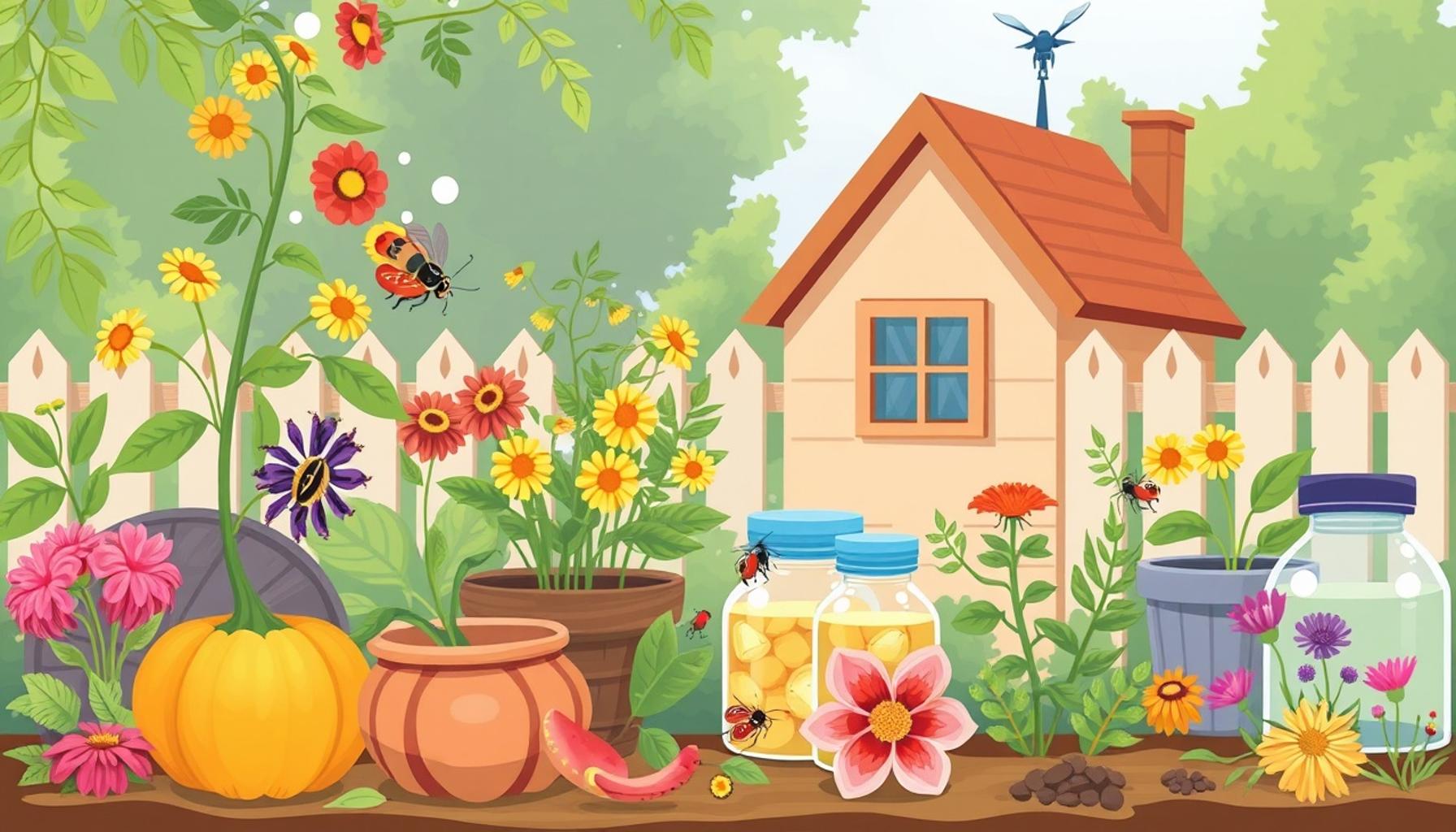
Every gardener cherishes the sight of flourishing plants and bountiful produce. However, as any avid gardener knows, this idyllic scene can quickly take a turn when pests invade the garden. From aphids to slugs, these creatures can wreak havoc and compromise not only the beauty of your garden but also the integrity of the crops you cultivate. While conventional pesticides may promise quick results, they often carry risks that can affect not just the plants but your health and the larger ecosystem.
Benefits of Using Natural Homemade Remedies
Choosing natural pest control methods presents a plethora of advantages that resonate well with the growing trends towards sustainability and health consciousness in the United States. One of the most compelling reasons to explore homemade solutions is their cost-effectiveness. Many of the ingredients you need might already be in your kitchen pantry, such as vinegar, baking soda, and essential oils.
Further, these natural remedies are eco-friendly. They allow you to create a safe environment for both your family and pets, liberating you from the potential dangers associated with chemical pesticides. This is especially critical for families with children who explore the garden or pets that roam freely among the plants. When using homemade solutions, you also enjoy the peace of mind that comes with knowing your harvested crops are safe from harmful chemicals that can linger on produce and affect your health.
Popular Homemade Pest Control Remedies
With a wealth of natural methods available, let’s delve deeper into some of the most effective homemade pest control measures:
- Soap and Water: This age-old method involves mixing water with a mild soap (like liquid Castile soap) to create a spray effective against soft-bodied pests such as aphids and spider mites. To use, mix two tablespoons of soap with one quart of water and spray your affected plants. This method works by suffocating pests on contact.
- Cayenne Pepper: The pungent aroma of cayenne pepper acts as a natural repellent, warding off various insects. To make a simple pest deterrent, mix a couple of tablespoons of cayenne pepper with water, and if desired, add a few drops of soap to help the mixture adhere to the plants. Spray this solution around the base of plants and on the leaves to deter unwanted visitors.
- Neem Oil: Extracted from the seeds of the neem tree, this natural oil has been used for centuries in agriculture. Neem oil affects the hormonal systems of pests, preventing them from feeding or reproducing while being safe for beneficial insects. A typical mixture would include one to two teaspoons of neem oil diluted in water, ready to be sprayed on the plants.
Empowering Your Gardening Journey
Exploring these homemade remedies not only serves to protect your plants but also provides you with a deeper understanding of your garden’s ecosystem. As you experiment with these natural solutions, you’ll discover which methods work best for your unique gardening environment. Engaging in this process fosters a sense of empowerment and connection to the land.
By adopting these natural approaches to pest control, you actively contribute to a healthier environment while enjoying the fruits of your labor without the concern of chemical exposure. So gear up, get ready to mix those ingredients, and reclaim your garden the natural way. The fascinating world of homemade pest control is an adventure waiting for you to explore!
DISCOVER MORE: Click here for sustainable irrigation techniques
Understanding Homemade Remedies and Their Effectiveness
In the world of gardening, understanding the nuances of pest management can empower you to protect your plants effectively while maintaining a vibrant ecosystem. Homemade remedies are not just a trendy alternative; they are rooted in science and nature. Many of these solutions leverage natural ingredients that have proven effective over generations. When tackling pest issues, it becomes essential to consider how these natural methods work and the benefits they provide for both your garden and the environment.
The Science Behind Homemade Remedies
Homemade pest control remedies utilize the inherent properties of common household ingredients that target pests while remaining safe for plants, humans, and beneficial insects. For instance, the natural acidity in vinegar not only kills pests upon contact but also acts as a deterrent thanks to its strong smell. Similarly, the bitterness of substances like garlic or the capsicum in cayenne pepper disrupts the feeding patterns of pests, making your garden less appealing to unwelcome visitors.
Popular Homemade Pest Control Remedies
There are numerous homemade remedies to combat various pests effectively. Here are some of the most popular options to consider:
- Baking Soda and Sugar Trap: This combination not only helps control pests like ants and cockroaches but also attracts them through the sugar while the baking soda disrupts their digestive systems. Mix equal parts baking soda and sugar, place it in shallow dishes near affected areas, and watch as the pests are lured in.
- Essential Oils: Many essential oils, such as peppermint, eucalyptus, and tea tree oil, possess natural insect-repellent properties. To create a powerful spray, mix several drops of your chosen oil with water and a few drops of soap to help the mixture adhere to the plants. Not only will this deter pests, but it will also leave your garden smelling delightful.
- Citrus Spray: Citrus peels, particularly from lemons and oranges, can be an effective repellent due to their high acidity. Steep the peels in boiling water, let it cool, strain, and then spray on your plants to deter aphids and other pests.
Assessing Effectiveness and Safety
While homemade remedies can be remarkably effective, it’s crucial to conduct tests and carefully observe the results. Not all plants react the same way to homemade sprays; some may exhibit sensitivity to certain ingredients. Always perform a patch test on a small area of the plant before applying the solution broadly to ensure there are no adverse effects. Furthermore, staying informed about research and updates regarding natural pest solutions will help you refine your methods as you continue your gardening journey.
By embracing homemade remedies, you become an active participant in maintaining a healthy garden ecosystem. Not only does this approach save money, but it also fosters a deeper connection to your plants and the environment. Taking these steps is an invitation to explore the vibrant, sustainable practices available in the realm of gardening.
| Advantages | Details |
|---|---|
| Cost-Effective Solution | Homemade remedies often use pantry staples, making them affordable compared to commercial pesticides. |
| Eco-Friendly | Utilizing natural ingredients reduces your carbon footprint and is safer for pollinators and beneficial insects. |
| Customized Approaches | Experimenting with different ingredients allows you to create tailored solutions based on specific plant needs and local pest issues. |
| Healthier Plants | Natural pest remedies often promote overall plant health, resulting in vigorous growth and better yields. |
Exploring these homemade remedies not only enriches your gardening experience but also empowers you to create a more resilient garden ecosystem. By understanding the unique characteristics and benefits of these natural approaches, you can effectively manage pests while nurturing a sustainable environment. Discover more about which ingredients work best for your garden’s specific challenges and how to implement them safely and effectively.
DISCOVER MORE: Click here to enhance your gardening skills
Exploring Additional Homemade Pest Control Solutions
As the quest for effective pest management in your home garden continues, a wider array of homemade remedies emerges. These inventive solutions not only combat infestations but also illustrate the diverse natural resources available in your kitchen and garden. Let’s delve deeper into some unique homemade remedies that you might find advantageous in your gardening endeavors.
Natural Insecticidal Soap
Insecticidal soap is a classic method for managing soft-bodied insects like aphids, spider mites, and whiteflies. This homemade version can be easily crafted using simple ingredients. To prepare it, mix two tablespoons of mild liquid soap (like Castile soap) per gallon of water. This mixture disrupts the pest’s cellular structure and ultimately leads to their demise. However, ensure you do not use dish soaps with degreasing agents as these can harm your plants. Test the solution on a small section of your plants before a broader application.
Neem Oil
A natural pesticide extracted from the seeds of the neem tree, neem oil has gained a significant following among organic gardeners. It works by disrupting the hormonal systems of pests, making it difficult for them to grow and reproduce. Neem oil is particularly effective against thrips, aphids, and other common garden critters. To use, mix one to two tablespoons of neem oil with a quart of water and a few drops of soap, then spray it onto your plants, focusing on the undersides of leaves where pests typically hide.
Beer Trap for Slugs and Snails
Another ingenious DIY method involves using beer to capture slugs and snails that may threaten your beloved plants. Simply bury a shallow container within your garden bed, filling it halfway with beer. The enticing aroma will draw these pests in, but they’ll find themselves unable to escape. This method not only tackles the problem effectively but also showcases a resourceful way to utilize leftover beer from your gatherings!
The Power of Diatomaceous Earth
Diatomaceous earth (DE) is a remarkable and versatile natural pest control option derived from fossilized aquatic organisms. This powdery substance is effective against crawling insects such as ants, beetles, and even cockroaches. Its fine particles are abrasive to the exoskeletons of pests, causing them to dehydrate. Sprinkle food-grade DE in areas where you’ve noticed pest activity or around the base of your plants for excellent results. While handling DE, remember to wear a mask to avoid inhalation, as the fine dust can be irritating to lungs.
Companion Planting as a Pest Deterrent
Beyond sprays and traps, consider emphasizing nature’s own pest control through companion planting. By strategically planting certain flowers or herbs alongside your vegetables, you can naturally deter pests. For example, marigolds are known to repel nematodes and aphids, while basil can help keep mosquitoes and flies at bay. Research and experiment with combinations that enhance not only your garden’s aesthetics but also its resilience against pests.
Exploring these homemade remedies further enhances your engagement with the gardening process. By understanding how to utilize common household items and natural solutions, you can create a thriving, pest-free environment for your plants without resorting to chemical alternatives. Through experimentation and creativity, your garden can flourish while respecting the planet.
DISCOVER MORE: Click here to learn about sustainable irrigation techniques
Conclusion: Embracing Homemade Remedies for a Thriving Garden
Utilizing homemade remedies for pest control in your home garden has emerged as a sustainable and cost-effective approach to nurturing your plants. As we’ve explored, these natural solutions not only combat infestations but also enhance your connection to the environment and promote biodiversity. Whether it’s the effectiveness of insecticidal soap, the versatility of neem oil, or the ingenuity of a simple beer trap, these remedies underscore the innovative ways we can address common gardening challenges without resorting to harsh chemicals.
Moreover, integrating practices like diatomaceous earth and companion planting into your pest management strategy can create a robust defense system for your plants. These methods foster a holistic approach to gardening that prioritizes environmental health and personal engagement with the life cycle of your garden. As you experiment with various remedies, you not only contribute to a more sustainable lifestyle but also gain a deeper appreciation for the delicate balance of gardening.
So, embark on your journey of natural pest control today and explore the wealth of knowledge that homemade remedies offer. From simple kitchen ingredients to time-honored gardening techniques, you hold the power to cultivate a vibrant, thriving garden organically. By harnessing these creative solutions, you’ll ensure that your home garden flourishes in harmony with nature, inviting both beauty and biodiversity into your outdoor space.