Edible Landscaping: Choosing Fruit and Vegetable Plants for a Beautiful and Productive Home Garden
Transform Your Garden into a Feast for the Eyes and Palate
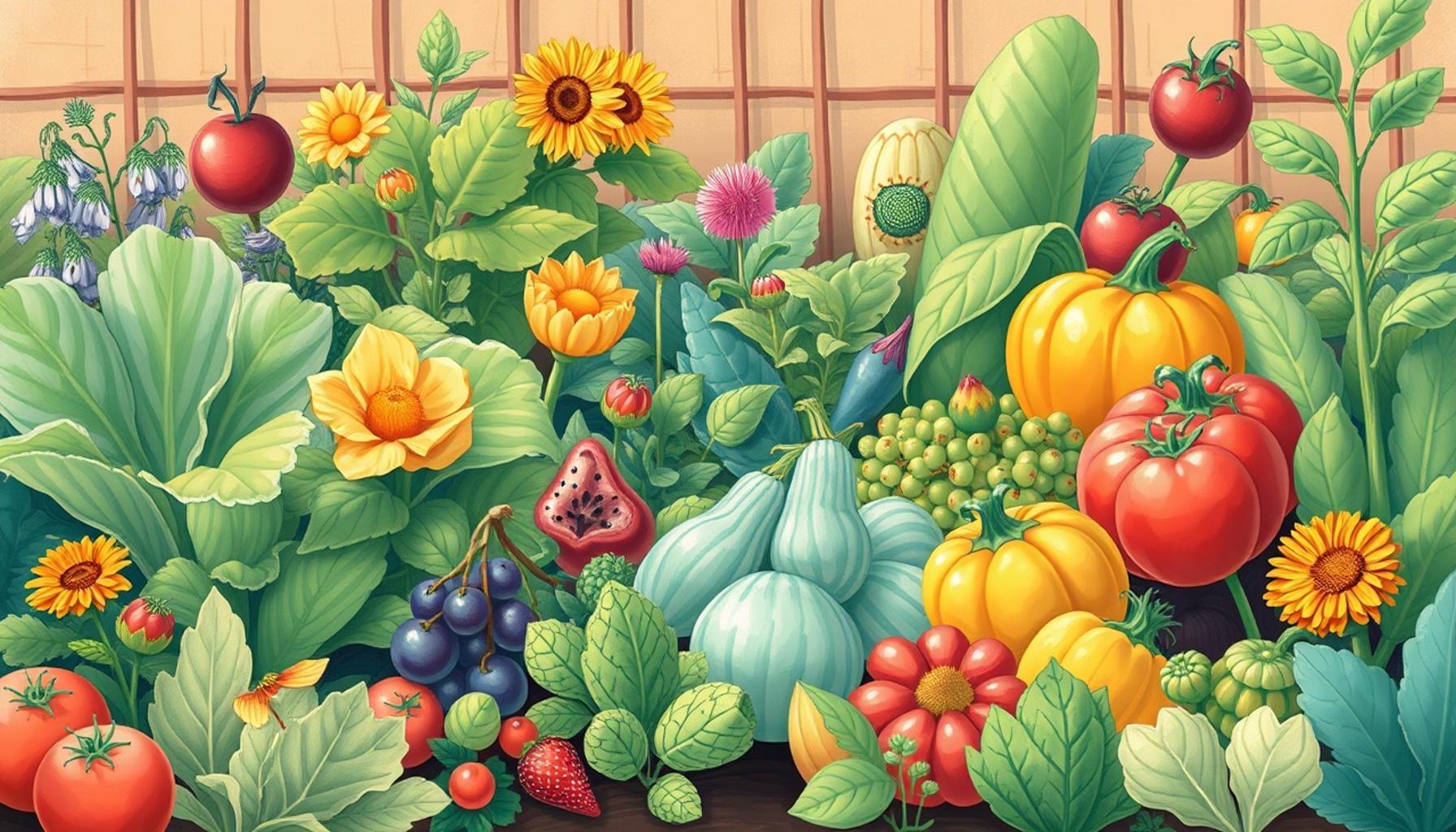
Imagine stepping into your backyard, surrounded by vibrant colors and the tantalizing aroma of fresh fruits and vegetables. Edible landscaping combines beauty and utility, creating a space that not only enhances your home but also provides delicious produce. This trend is rapidly gaining popularity among homeowners in the United States, as more people seek sustainable and aesthetically pleasing options for their gardens.
Key Benefits of Edible Landscaping
Integrating fruit and vegetable plants into your landscape design offers numerous advantages:
- Beauty: Colorful plants like strawberries, herbs, and flowering fruits, such as dwarf citrus trees or heirloom tomatoes, add stunning visual appeal and create a vibrant atmosphere. The lush green of basil beside bright purple eggplants can turn a simple garden into an exhilarating array of colors.
- Sustainability: Growing your own food reduces the carbon footprint associated with transporting produce. According to the USDA, food can travel an average of 1,500 miles from farm to table. With edible landscaping, your meals are just steps away, making it an eco-friendly choice.
- Freshness: Enjoying organic and freshly picked produce enhances your culinary experience. Homegrown vegetables like crisp lettuce or sweet cherry tomatoes can make a significant difference in flavor compared to store-bought varieties.
Moreover, engaging in edible landscaping invites a new level of creativity. You can design raised beds filled with vibrant herbs like rosemary and cilantro, integrate fruit trees like apple or fig, or even create vertical gardens using hanging planters for strawberries or peas. The possibilities are as vast as your imagination! In fact, some homeowners are even using their driveways to grow vegetables in creative configurations, maximizing every available space.
As you embark on this journey, it’s crucial to choose the right plants suitable for your climate zone and garden style. Understanding what grows well in your region, whether it’s drought-resistant succulents in California or cool-weather crops like kale and Brussels sprouts in the Northeast, will ensure a beautiful and productive home garden.
In the following sections, we will delve into the best fruit and vegetable options tailored to various climates, effective planting strategies that can enhance your garden’s aesthetic, and invaluable tips for maintaining a thriving edible landscape that can turn your outdoor space into a personal oasis. Get ready to explore the joy of harnessing nature’s bounty right at your doorstep!
DISCOVER MORE: Click here to learn about the best plants for your small garden
Choosing the Right Plants for Your Edible Landscape
Embarking on the adventure of edible landscaping invites you to explore your local environment and select a variety of plants that complement both your aesthetic preferences and your taste buds. By carefully choosing the right fruit and vegetable plants, you can achieve a beautiful and productive garden that serves both looks and utility. The key lies in understanding your specific growing conditions and preferences.
Assessing Your Space and Climate
Before diving into the exciting world of edible plants, it’s essential to assess your garden space and climate. Different regions across the United States have varying conditions that affect plant growth. Factors such as soil type, sunlight, and temperature must be taken into account when selecting your plants.
- USDA Hardiness Zone: Familiarize yourself with your local USDA hardiness zone, which categorizes regions based on temperature extremes. This zone map is crucial for determining which plants will thrive in your area.
- Sunlight Exposure: Most fruits and vegetables require 6-8 hours of full sun each day. Evaluate your garden’s sun exposure to choose plants that will flourish in your specific light conditions.
- Soil Quality: Test your soil’s pH and nutrient levels. Some plants may require amended soil for optimal growth, while others are more forgiving and can thrive in less-than-ideal conditions.
Once you have a clear understanding of your garden’s characteristics, you can explore suitable plant options that will not only enhance the visual appeal of your landscape but also produce bountiful harvests.
Top Edible Plants for Stunning Landscapes
Here are some fantastic options to consider integrating into your garden design:
- Fruit Trees: Dwarf varieties of fruit trees such as apple, peach, or citrus can add vertical height and seasonal blooms, providing both beauty and delicious fruit.
- Berries: Berry bushes like blueberries, raspberries, and strawberries are not only aesthetically pleasing with their vibrant berries but also attract pollinators enriching your garden’s ecosystem.
- Herbs: Incorporating herbs like basil, rosemary, and mint can create an aromatic landscape. They work beautifully in edible borders or infuse fragrance into various garden areas.
- Leafy Greens: Bright varieties of lettuce, kale, or Swiss chard bring dynamic colors and are easy to grow, even in small spaces or containers.
- Edible Flowers: Nasturtiums and pansies not only add color but are also edible and can enhance dishes both visually and flavor-wise.
The right combination of these plants can create a garden that is not just tasty but also visually stunning, turning your outdoor space into a feast for the senses. Remember that the best garden is one that reflects your personal taste and style while considering local gardening conditions. Begin your edible landscaping journey today and enjoy the delightful fusion of culinary and aesthetic satisfaction.
| Advantages | Key Features |
|---|---|
| Aesthetic Appeal | Integrates beautifully with traditional landscaping, creating vibrant color. |
| Sustainable Food Source | Provides fresh fruits and vegetables, minimizing grocery bills and carbon footprint. |
| Wildlife Attraction | Supports local ecosystems by attracting beneficial pollinators and wildlife. |
| Educational Opportunity | Ideal for teaching children and communities about gardening and sustainability. |
Integrating edible landscaping into your home garden can transform any outdoor space, making it both functional and visually appealing. By carefully selecting a variety of fruit and vegetable plants, homeowners can create a lush environment that flourishes with life. This approach not only serves aesthetic purposes but also promotes sustainable living by encouraging homegrown produce. Moreover, it supports a diverse ecosystem by welcoming pollinators and beneficial insects, which can enhance garden productivity. Families can gather around the garden to learn about nutrition and sustainability, making edible landscaping a profound teaching tool. From juicy tomatoes to fragrant herbs, the possibilities are endless, inviting gardeners of all skill levels to engage and cultivate their own food sources while beautifying their surroundings. Explore the world of edible landscaping and discover how it can greatly enrich your home and lifestyle!
DON’T MISS: Click here to discover essential soil preparation tips
Designing an Edible Landscape for Year-Round Beauty
As you dive deeper into the world of edible landscaping, it’s crucial to think beyond mere plant selection. Designing your garden with the seasons in mind will not only ensure a continuous harvest but will also create a visually appealing landscape throughout the year. With careful planning, you can incorporate a variety of plants that provide structure and color across all seasons.
Layering Plants for Depth and Interest
Incorporating layers in your garden can provide stunning results. By using a technique known as layering, you can create a multidimensional garden. This involves planting tall items in the back, medium-height plants in the middle, and ground cover in the front. Here are some suggestions to achieve this:
- Tall Plants: Choose plants like sunflowers, which can reach up to 10 feet, or trellising crops like beans and peas. These can provide a striking vertical element and backdrops for other plants.
- Medium Plants: Plants like broccoli, artichokes, and tomato plants can fit into this category. Their height adds to the layers while also producing delicious edible yields.
- Ground Covers: Use creeping thyme or strawberries as a lush carpet to cover your garden floor. These low-growing plants provide beauty and act as a natural weed barrier.
Layering not only creates visual interest but also maximizes limited space and enhances biodiversity in your garden.
Interplanting for Pest Control and Pollination
Utilizing the strategy of interplanting, or companion planting, is another excellent approach to edible landscaping. This involves growing different plants in close proximity to enhance growth, deter pests, and attract beneficial insects. Some effective combinations include:
- Tomatoes and Basil: Known for enhancing each other’s growth while deterring pests.
- Cabbage and Marigolds: The marigold flowers can help repel aphids that target cabbage.
- Carrots and Onions: Their distinctive scents confuse pests, benefiting both crops.
Your garden becomes a synergistic ecosystem where plants work to support each other, leading to healthier overall growth and potentially increased yields.
Seasonal Planting Techniques
To achieve a thriving edible landscape, consider adopting seasonal planting techniques that allow you to maximize space and production throughout the year. Think about incorporating:
- Cool-Season Crops: In early spring and fall, plant crops like peas, spinach, and radishes that can withstand cooler temperatures and allow you to take advantage of the spring thaw.
- Warm-Season Crops: During the warmer months, introduce tomatoes, peppers, and squash which thrive in heat and will continue to produce during summer.
- Succession Planting: Utilize techniques that stagger planting times, allowing for continuous harvests. For example, plant lettuce every two weeks to ensure a steady supply.
Understanding the unique growing patterns of each variety you choose plays a significant role in how productive your edible landscape can be. By embracing diverse planting methods, not only will your garden be visually radiant, but it will also be a source of fresh produce year-round.
LEARN MORE: Click here for essential soil preparation insights
Embracing the Joy of Edible Landscaping
In conclusion, edible landscaping offers a unique opportunity to blend aesthetics and productivity in your home garden. By thoughtfully selecting fruit and vegetable plants that complement one another in terms of growth, appearance, and seasonality, you can create a vibrant, thriving space that brings joy throughout the year. Remember, the beauty of an edible landscape lies in its diversity and the symbiotic relationships between plants, which can enhance growth and deter pests.
By incorporating techniques like layering, interplanting, and seasonal planting, you’ll not only optimize your garden’s yield but also cultivate a stunning array of colors, textures, and fragrances. Each season should present new visual delights, whether it’s the rich greens of summer, the vibrant hues of autumn, or even the unaffected beauty of cold-hardy crops in winter.
Ultimately, edible landscaping is an engaging journey that invites you to experiment, explore, and connect with nature. It encourages a more sustainable lifestyle by reducing dependence on store-bought produce while promoting biodiversity in your local ecosystem. With each choice you make for your garden, whether it’s compact varieties that thrive in limited spaces or traditional staples that command a larger footprint, you can transform your outdoor space into a productive haven.
So gather your seeds, lay out your design, and step into the rewarding world of edible landscaping. Not only will your home flourish, but your plate will be filled with fresh, homegrown goodness, turning your garden into both a culinary delight and a breathtaking backdrop.