Colorful Blooms: Selecting Flowering Plants for a Vibrant Home Garden
Creating Your Floral Oasis
Transforming a garden into a vibrant sanctuary is a rewarding adventure that begins with selecting the right flowering plants. The diverse array of colors, textures, and fragrances available can dramatically enhance your outdoor space, inviting both residents and visitors to enjoy the beauty of nature. As you explore various types of plants, you will discover a stunning selection of blooms that resonate with your personal tastes and gardening vision.
Seasonal Blooms
Incorporating plants that bloom across different seasons ensures that your garden remains lively and colorful throughout the year. For instance, planting tulips in early spring heralds the end of winter, while sunflowers bring a cheerful brightness during the summer months. As autumn arrives, chrysanthemums add richness with their warm hues. Moreover, exploring late-bloomers like Japanese anemones can extend the season’s beauty into fall, providing a dynamic visual experience as the year progresses.
Choosing a Color Palette
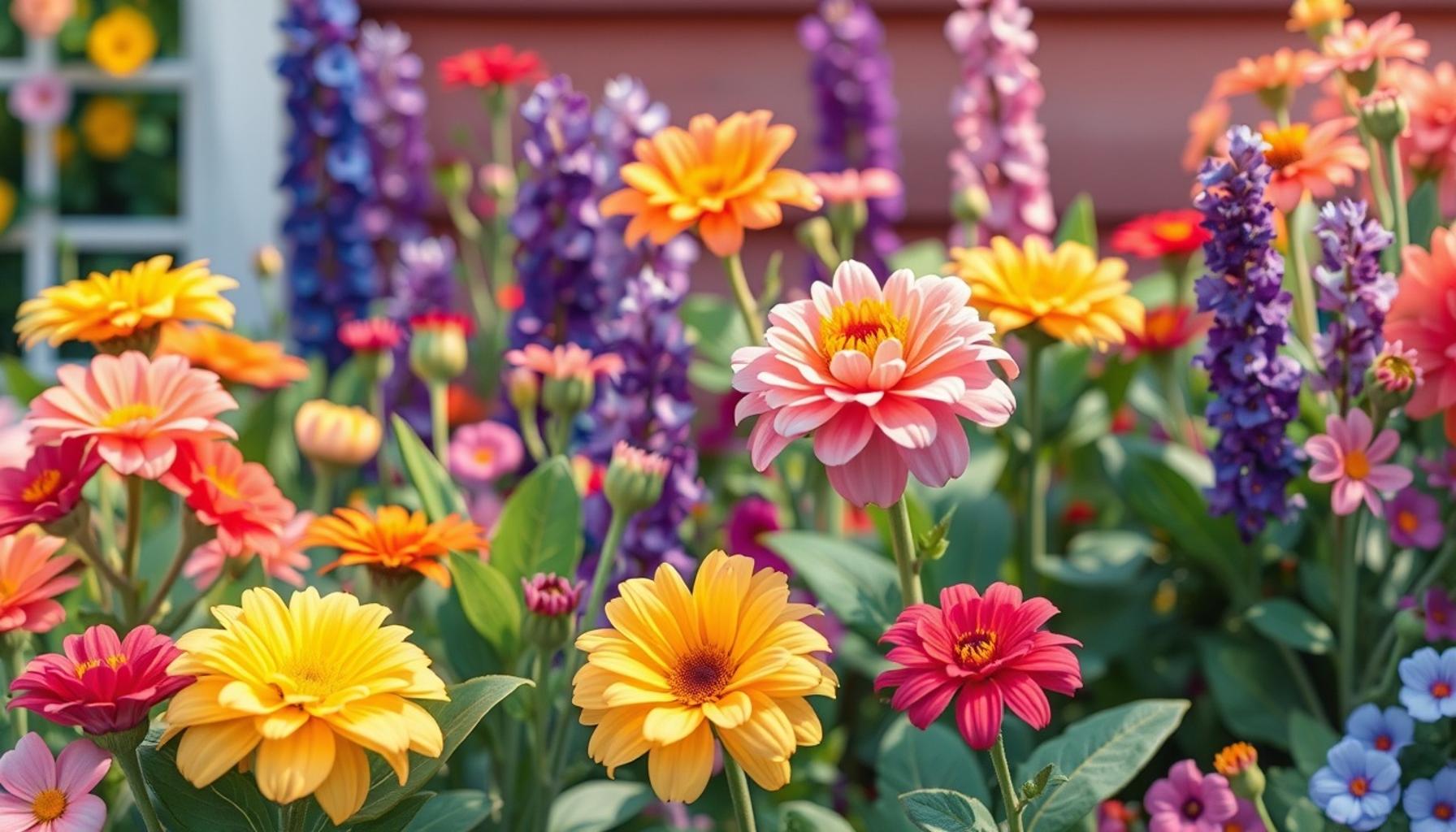
One of the most exciting aspects of gardening is deciding on a color scheme that complements your home and personal style. Whether you opt for a timeless monochromatic look using shades of white and cream or a more daring arrangement of contrasting colors like vibrant reds and deep blues, your color choices will set the tone for your entire garden. For a tranquil effect, you might explore soft pastels like lavender and pale pink, or for a lively vibe, consider including zinnias and marigolds for their bold and vivacious colors.
Benefits of Native Plants
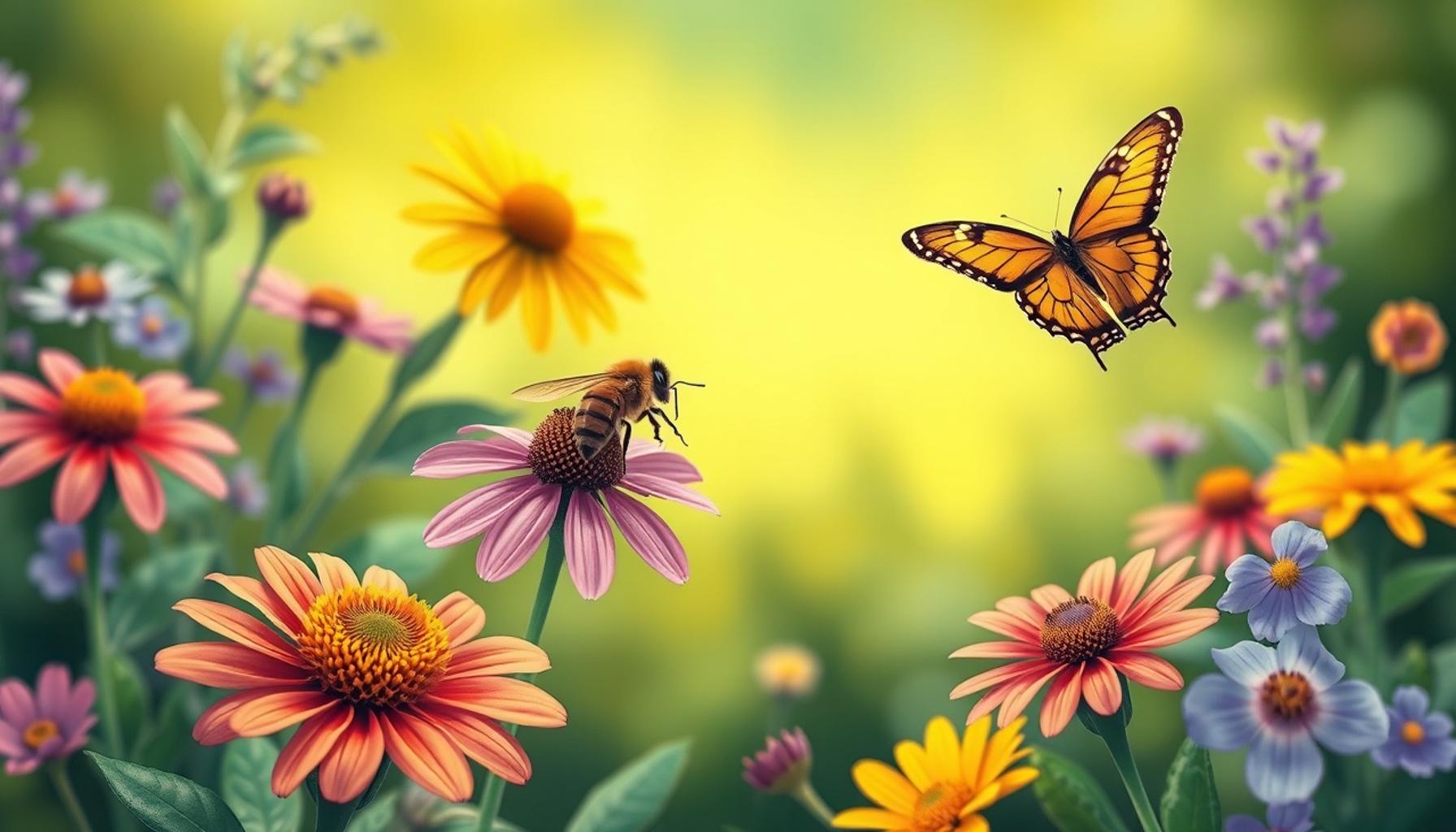
Incorporating native flowering plants into your garden can be a game-changer. These plants are perfectly adapted to the local climate and soil conditions, resulting in lower maintenance and reduced water needs. Furthermore, native plants support local wildlife, including pollinators like bees and butterflies. For example, coneflowers and milkweed are not only beautiful but also attract essential pollinators, playing a crucial role in sustaining the ecosystem. Engaging with native flora can help create a thriving environment that resonates with the natural landscape.
Understanding Growing Conditions
To ensure that your garden flourishes, it is vital to arm yourself with knowledge about light requirements, soil types, and water needs of your chosen plants. Some may thrive in full sun, while others prefer partial shade. Soil health is equally important; conducting a simple soil test can reveal vital information about nutrient levels and pH, enabling you to amend soil effectively. Combining plants of varying heights is also a key strategy to create depth and visual interest in your garden. Taller flowers like foxgloves can provide a beautiful backdrop for shorter species like pansies, leading to a more dynamic aesthetic.
As you embark on this journey to create a stunning home garden, remember that every bloom has the potential to bring joy and character to your surroundings. Whether you are a seasoned gardener or a novice, taking the time to thoughtfully select and learn about your flowering plants can transform your outdoor space into a personal sanctuary filled with beauty and inspiration.
DISCOVER MORE: Click here to learn about native plants for your garden</p
Exploring the Diversity of Flowering Plants
When it comes to designing a vibrant home garden, the variety of flowering plants available can often feel overwhelming. However, breaking down the options into manageable categories can simplify your selection process. With careful consideration, you can create a garden that captures attention and evokes a sense of wonder. Here we explore several categories of flowers that can enliven your space and enhance your gardening experience.
Annuals vs. Perennials
Understanding the difference between annuals and perennials is crucial for a blooming garden. Annuals, such as petunias and geraniums, complete their life cycle in one growing season, offering vibrant colors that can be quickly rotated to keep your garden fresh. Alternatively, perennials like daylilies and hostas return year after year, providing lasting beauty with less effort over time. A well-balanced garden often combines both types, allowing for seasonal rotation and continuity.
Compact Vs. Climbing Blooms
Your choice of plant structure can greatly affect the visual dynamics of your garden. Compact flowers like calibrachoa and begonias are perfect for smaller spaces or container gardening, providing a burst of color without taking up too much room. In contrast, climbing plants such as wisteria or clematis can add vertical interest and act as natural privacy screens. Combining both types encourages a beautiful balance that draws the eye upward and outward.
Fragrance and Foliage
While the color of blooms plays a central role in your garden’s appeal, don’t overlook the importance of fragrance and foliage. Plants like jasmine and lilac not only produce stunning flowers but also fill the air with enchanting scents. Additionally, consider incorporating plants with interesting foliage textures and colors. For example, heuchera (coral bells) offers stunning leaf colors that range from deep purple to vibrant lime green, providing a backdrop that enhances the flowers they accompany.
Creating Layers and Texture
To achieve a garden that feels lush and alive, layering flowering plants of varying heights can create depth. Here are some tips for structuring your garden effectively:
- Back Row: Place taller plants like lilies and sunflowers in the back to create a backdrop.
- Middle Row: Incorporate medium-height flowers like phlox or delphiniums to fill in the middle layer.
- Front Row: Use shorter plants such as petunias, marigolds, or ground covers to soften the borders.
In sum, your choice of flowering plants can easily transform an ordinary garden into a resplendent palette of colors, textures, and fragrances. As you explore the options available, remember that both aesthetics and functionality are crucial for creating a vibrant space that reflects your personality and enhances your home.
Advantages of Selecting Flowering Plants
Selecting the right flowering plants for your home garden not only enhances its aesthetic appeal but also offers a myriad of benefits that contribute to a vibrant outdoor space. Below is a detailed table that outlines some of the key advantages of choosing flowering plants for your garden.
| Category | Details |
|---|---|
| Visual Appeal | Flowering plants add color and texture to your landscape, creating a vibrant atmosphere in your garden. |
| Attracting Pollinators | A variety of flowering species encourage bees, butterflies, and other pollinators, enhancing biodiversity. |
| Seasonal Interest | By selecting a range of plants that bloom at different times, you can enjoy blooming flowers throughout the seasons. |
| Health Benefits | Spending time in a flowering garden can reduce stress and improve mental health, making it a soothing retreat. |
Integrating flowering plants into your home garden is a rewarding endeavor, not just for their beauty but for their ecological impact as well. Whether you opt for natives or hybrids, each selection can significantly enhance your outdoor experience.
DISCOVER MORE: Click here for essential planting tips
Seasonal Considerations for Flowering Plants
Choosing flowering plants involves not only selecting colors and varieties but also understanding the seasonal cycles that influence blooming. Timing is everything in gardening, and aligning your plant choices with the changing seasons can lead to a garden that flourishes year-round.
Spring Blooms
Spring heralds the arrival of vibrant life in the garden, making it an excellent time to plant early bloomers like tulips, daffodils, and hyacinths. These bulbs, which are typically planted in the fall, provide stunning displays as they push through the remnants of winter. Consider companion planting with pansies or stock to create a lively palette that signifies renewal.
Summer Showstoppers
As temperatures rise, so too does the diversity of blooms available. Perennials like coneflowers (Echinacea) and black-eyed Susans (Rudbeckia) thrive in the warmer months, bringing rich colors and attracting beneficial pollinators such as bees and butterflies. Annuals like zinnias and marigolds can fill in gaps, providing a continuous burst of color. Incorporate plants that can handle heat, like portulaca, to maintain vibrancy even in the hottest parts of summer.
Autumn’s Warm Hues
As fall arrives, the garden can transition beautifully through hues of red, orange, and yellow. Plants like asters and chrysanthemums come into their own during this time, and their hardiness ensures beautiful blooms even as temperatures drop. Ornamental grasses can also add texture and movement, enhancing the autumn aesthetic. Additionally, fall is the perfect time to plant perennials that bloom in the following spring, ensuring a well-prepared garden for the year ahead.
Winter Interest
Even in winter, it’s possible to create a garden that sparkles with interest. Incorporate plants like witch hazel and hellebore, which can bloom surprisingly early, often during late winter. Foliage from plants such as evergreens can provide structure and visual appeal, while brightly-colored berries from holly or winterberry bushes can serve as a food source for birds.
Cultivating Harmony with Climate
Another essential factor to consider is your local climate. Understanding your hardiness zone will help you select the right flowering plants for your garden. For instance, regions with a humid subtropical climate, such as those found in parts of the Southeastern United States, can support different varieties than cooler climates like the Northeast. Resources like the USDA Plant Hardiness Zone Map can guide your selections, ensuring that your plants not only thrive but flourish beautifully.
By thoughtfully considering the seasonal cycles and climate conditions in your area, you can create a blooming paradise that evolves throughout the year. The right selection of flowering plants, aligned with the seasons, leads to a dynamic garden that is nothing short of captivating.
LEARN MORE: Click here to uncover expert watering tips
Conclusion: Cultivating Your Blooming Haven
Creating a vibrant home garden through the careful selection of flowering plants is both an art and a science. As we’ve explored, understanding the seasonal rhythms and local climate conditions plays a pivotal role in curating a stunning collection of blooms that delight the senses throughout the year. From the early spring bloomers that signify renewal to the robust hues of autumn and even the unexpected winter flowers, each season offers unique opportunities to enrich your outdoor space.
Colorful blooms do more than beautify; they foster a harmonious habitat for pollinators and provide a canvas for you to express your creativity. Take the time to experiment with different combinations, considering the dynamic interplay of color, texture, and bloom time. For those in regions ranging from humid subtropical zones to cooler climates, selecting plants suited to your hardiness zone can ensure your garden flourishes to its fullest potential.
Incorporating seasonal strategies alongside personal preferences will guide you toward a thriving garden that not only enhances your home but also offers a year-round spectacle of nature’s beauty. Embrace the adventure of planting and discover how the right flowering plants can transform your garden into a vibrant haven, inviting intrigue and inspiration for all who visit.