Choosing the Right Plants for Small Spaces: Tips for Urban Gardeners
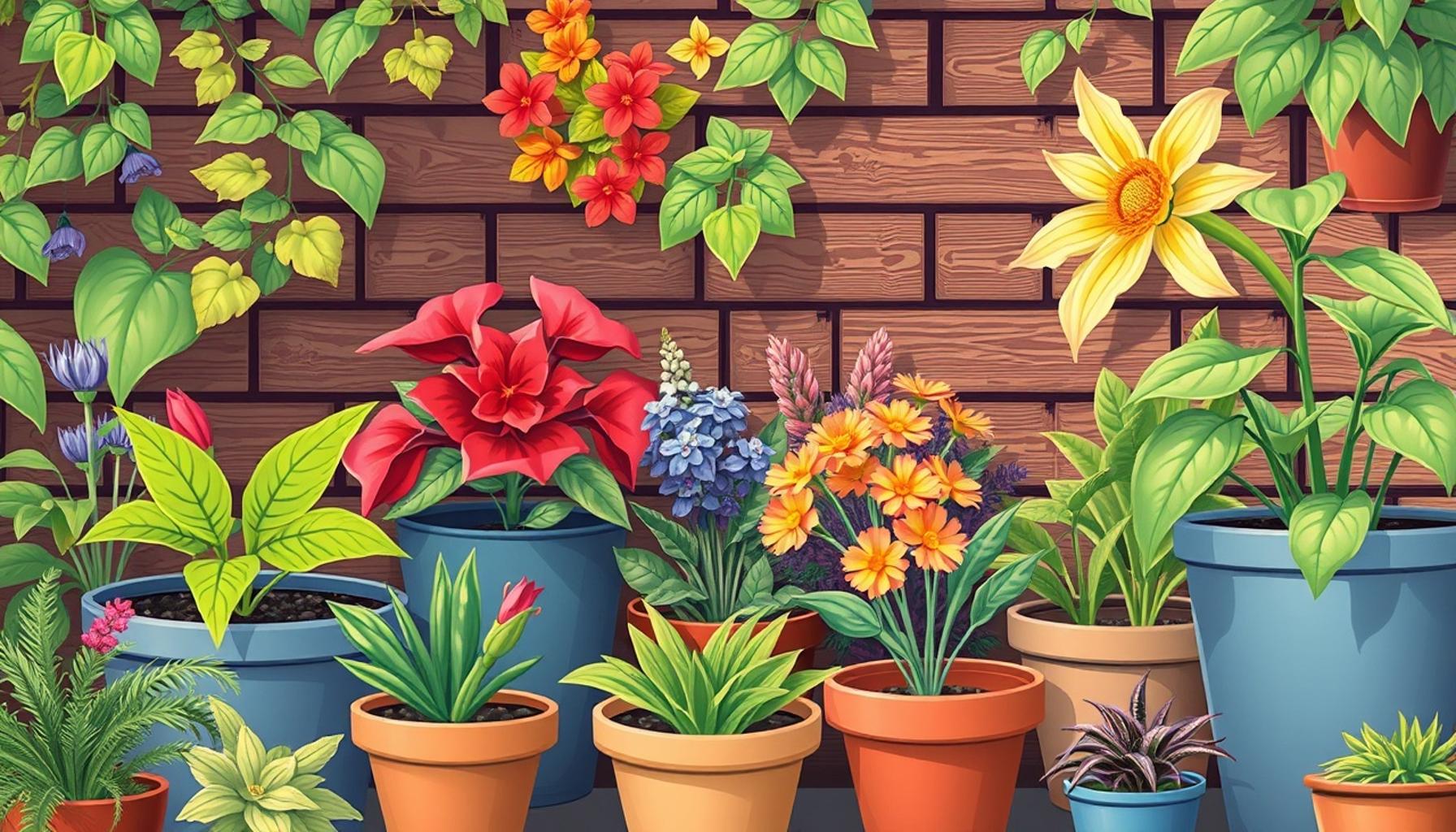
Understanding Urban Gardening
Urban gardening is an innovative solution that allows individuals in bustling cities to cultivate plants, even in the most constrained environments. With the rapid growth of urbanization, many city dwellers seek ways to reconnect with nature, elevate their living spaces, and improve air quality. Despite facing challenges such as limited space, urbanites can turn their balconies, rooftops, and small yards into productive green havens with a little creativity and strategic planning.
Key Considerations for Small Space Gardening
Before diving into planting, it’s essential to evaluate several factors that will influence the success of your urban garden:
- Space Availability: A thorough assessment of your space is the first step. Measure the dimensions of your balcony, patio, or rooftop and determine what could be realistically accommodated. For instance, a typical balcony can often support container gardens, while rooftops may have the potential for more extensive setups, such as raised beds.
- Sunlight Exposure: Sunlight is a critical component in plant health. Take note of how many hours of direct sunlight your space receives: full sun (6-8 hours), partial sun (4-6 hours), or shade (less than 4 hours). For example, if your balcony faces north, selecting shade-tolerant plants like ferns or hostas may be more suitable than sun-loving varieties like sunflowers or zinnias.
- Plant Size: Scaling down is essential. Compact plant varieties or utilizing vertical gardening techniques can help maximize your space. Vertical planters, wall-mounted pots, or tiered shelves can allow you to grow a larger number of plants in a small area. Especially for herbs, consider hanging pots, which can optimize overhead space.
Choosing the Right Plants
When it comes to selecting plants for urban gardens, understanding the specific needs of each type is paramount. Here are some suggested varieties that thrive in confined environments:
- Herbs: Growing herbs like basil, mint, and thyme not only saves space but also enhances culinary experiences. They can be easily integrated into meals and require minimal effort to maintain, making them perfect for first-time gardeners.
- Succulents: With their unique shapes and vibrant colors, succulents are incredibly popular in urban settings. Their low maintenance requirements make them ideal; they can thrive on minimal water and in less than perfect lighting, suited for busy lifestyles.
- Potted Vegetables: Many gardeners are surprised to learn that compact vegetable varieties exist, such as dwarf tomatoes and mini bell peppers. These can flourish in pots without taking up too much real estate, allowing for a fresh supply of produce right at your doorstep.
Creating Your Urban Oasis
Transforming your urban environment into a green sanctuary is not only possible – it can also be a rewarding endeavor. With the right plant choices and a focus on care and maintenance, even the smallest spaces can become vibrant, productive gardens. As you embark on this journey, explore various gardening resources available online, join local gardening communities, or attend workshops to deepen your understanding.
Embrace the art of urban gardening and discover the joy of nurturing life in your surroundings. Each small space can act as a backdrop for nature’s beauty, offering a refreshing escape from the concrete jungle outside. Wouldn’t it be wonderful to step out onto your balcony and be greeted with the scent of fresh herbs or the vibrant colors of blooming flowers? Your urban oasis awaits!
DISCOVER MORE: Click here for essential soil testing tips
Understanding Your Gardening Environment
When embarking on the journey of urban gardening, it’s vital to take into account your unique gardening environment. Each urban space—from narrow balconies to bustling rooftops—presents its own challenges and advantages. To successfully cultivate a garden in limited areas, urban gardeners must first assess their gardening conditions. Here are some essential factors to consider:
- Soil Quality: The foundation of any healthy plant is quality soil. In small spaces, especially those with potted plants, investing in well-draining potting soil is crucial. Urban soils can often be compacted or contaminated, so utilizing high-quality potting mixes can support optimal growth. You may also consider using soil additives like compost to enrich nutrient levels.
- Watering Needs: Urban environments can vary significantly in humidity and temperature. Understanding the watering needs of your plants is essential to avoid over or under-watering. For instance, some plants, like succulents, require infrequent watering, while others, particularly leafy greens, appreciate more consistent moisture. Consider utilizing self-watering pots or drip irrigation systems to simplify your watering routine.
- Microclimates: Be diligent about observing microclimates in your urban garden space. These are small areas within your garden that may receive differing amounts of sunlight, warmth, and wind exposure. For example, areas sheltered by buildings or shaded by trees may be cooler, which can influence your plant selection. Additionally, rooftops often create heat traps, important to consider when placing heat-sensitive varieties.
Choosing the Right Plant Varieties
Selecting plants that not only fit the physical constraints of your urban environment but also align with your aesthetic and functional goals is key. Below are some of the best plant varieties for small spaces:
- Container-Friendly Flowers: Opt for dwarf varieties of flowers that bloom beautifully without taking up much room. Plants like pansies, marigolds, and geraniums can add a splash of color, making even the smallest patio feel vibrant.
- Compact Fruit Trees: Consider small fruit tree varieties such as fig or dwarf citrus trees that can thrive in pots. These trees not only provide delicious, fresh fruit but also serve as ornamental elements in your urban garden.
- Climbing Plants: If you’re working with vertical space, climbing plants like peas, cucumbers, or flowering vines such as clematis can create a stunning vertical garden while maximizing your available area.
Understanding these environmental considerations and plant options can significantly enhance your gardening success. As you choose the right plants, remember to prioritize not only aesthetics but also the functionality they will bring to your urban oasis. Research additional resources like gardening blogs or local horticultural societies that can guide you in making informed decisions for your unique urban garden.
When it comes to transitioning your small urban space into a green oasis, selecting the right plants is imperative. Urban gardeners face unique challenges, including limited space and varying light conditions; hence understanding what plants thrive in these circumstances can make all the difference. For instance, the choice of plants should be guided by factors such as the sun exposure, humidity levels, and the overall climate in your area. Sun-loving plants like succulents, or herbs such as basil and rosemary, are perfect for balconies or windowsills where they will receive ample sunlight. Conversely, if your space is more shaded, opt for low-light houseplants like ferns or pothos that can thrive without direct sunlight.
Another critical factor in choosing plants for small spaces is their growth habits. Vertical gardening is increasingly popular among urban gardeners. This method allows you to utilize wall space effectively by incorporating climbing plants or vertical planters, maximizing your growing area. Additionally, consider using containers that can be easily moved to optimize sunlight exposure throughout the day. Pots filled with compact varieties of flowers or vegetables—such as dwarf tomatoes or mini peppers—not only beautify your space but also can produce fresh produce, enhancing your urban gardening experience.
Furthermore, incorporating edible plants provides both aesthetic pleasure and practical benefits. Herbs, salad greens, and small fruit plants like strawberries can easily be integrated into your garden design while ensuring that you have fresh ingredients at hand. To maintain a cohesive look, consider a theme for your plant selection, using a mix of textures and colors to create visual interest without overwhelming your limited space. This approach encourages creativity and makes the gardening experience more enjoyable.
As you refine your plant choices, keep in mind the potential for pest management and plant health. Companion planting can help deter pests naturally and promote healthier plants. For example, pairing marigolds with vegetables can increase growth while warding off common pests. The goal is to create a harmonious ecosystem in your small garden that flourishes within its defined limits.
| Category | Benefits |
|---|---|
| Space-Saving Plants | Optimizes limited areas, allowing urban gardeners to create lush environments. |
| Edible Greens | Provides fresh produce, enhancing flavors in urban cooking while improving health. |
By thoughtfully selecting plants tailored to your urban environment, you not only beautify your surroundings but also cultivate a more sustainable lifestyle. Embracing this green journey promises not only to transform your living space but also to connect you with nature amidst the hustle and bustle of city life.
DIVE DEEPER: Click here to learn about essential soil preparation techniques
Maximizing Growth in Limited Space
Once you grasp your urban gardening environment and select suitable plant varieties, the next step is employing strategic techniques to maximize growth in your limited space. Urban gardeners can benefit from innovative planting methods that enhance productivity and aesthetic appeal. Here are some effective tips to consider:
- Vertical Gardening: Embrace the power of vertical gardening to optimize every inch of your space. Utilizing trellises, wall planters, or even hanging pots can elevate your plants while conserving floor space. For example, herbs like basil and mint can thrive in wall-mounted containers, allowing easy access for culinary uses and keeping your gardening area tidy.
- Edible Landscaping: Why not blend beauty with purpose by incorporating edible plants into your landscape? Create a harmonious garden by interspersing flowering plants with herbs like rosemary and thyme or vegetables like cherry tomatoes and peppers. Not only do they contribute to a lively aesthetic, but they also provide fresh ingredients for your meals right at your doorstep.
- Succession Planting: Make every season count with succession planting, a technique that allows you to grow multiple crops in the same space throughout the year. For instance, you could plant fast-growing crops like radishes or lettuce in early spring, followed by slower-maturing plants like broccoli or kale as the weather warms. This practice ensures your urban garden consistently yields fresh produce.
- Container Arrangements: The way you arrange your pots can significantly impact sunlight exposure and air circulation. Grouping smaller pots together can create a microclimate that helps retain moisture and warmth, while larger pots can serve as anchors for your arrangement. Experiment with different configurations to find what enhances not only the beauty of your garden but also the health of your plants.
The Right Plant Pairings
Companion planting can dramatically improve your urban gardening success. Certain plants can mutually benefit one another, working together to deter pests, improve growth, and utilize space efficiently. Here are some compelling combinations to consider:
- Tomatoes and Basil: This classic pair not only looks beautiful when planted together, but basil is known to enhance the flavor of tomatoes while repelling harmful pests.
- Carrots and Onions: Planting carrots alongside onions can confuse pests that might be attracted to one or the other. This presents a natural approach to pest management while maximizing your garden yields.
- Beans and Corn: When planted together, beans can climb the sturdy stalks of corn, and in return, they add nitrogen to the soil, enriching it for both plants.
As you create your urban garden, remember that the art of gardening in small spaces is also about creativity and adaptability. Research various planting techniques, consider your local climate, and remain open to experimenting with combinations that spark interest. Discover books, podcasts, or local gardening workshops that can provide fresh insights and further inspire your thriving urban oasis.
DISCOVER MORE: Click here for essential tips
Conclusion: Cultivating Your Urban Oasis
In the bustling environment of urban living, creating a garden within a small space is not just a hobby; it’s a powerful way to connect with nature and enhance your quality of life. By choosing the right plants and employing innovative strategies such as vertical gardening and edible landscaping, you can transform even the tiniest balconies or yards into vibrant green retreats. Remember, the key lies in managing space wisely and selecting plants that thrive in confined areas.
Utilizing techniques like companion planting can yield not only a delightful visual spectacle but also contribute to a healthy ecosystem that discourages pests while promoting growth. Tips such as succession planting ensure that your garden remains productive year-round, delivering fresh produce with every season. Experimentation is vital; don’t hesitate to try different plant combinations and arrangements to discover what flourishes best in your environment.
The journey to successful urban gardening is also one of learning and adaptation. Stay informed about local climate conditions, consider the unique needs of each plant, and leverage community resources like workshops and online platforms to share insights. With the right approach and a pinch of creativity, you can cultivate a small space into a flourishing urban oasis that reflects your personal style while providing delicious rewards.
As you embark on this green adventure, remember that gardening is a journey of patience and discovery. Embrace the process, and let your urban garden become a source of inspiration and joy amid the concrete landscape.