Edible Plants for Small Spaces: Selecting the Best Vegetables and Herbs for Container Gardening
Maximizing Your Garden Potential
Container gardening has transformed the way urban dwellers perceive the possibility of cultivating their own food, making it feasible even in the most restricted environments. Patios, balconies, and windowsills are no longer merely for decoration or leisure; they can now be vibrant spaces for growing fresh, edible plants. More than just a trend, this practice fosters creativity and enables individuals to enjoy the delightful experience of harvesting homegrown produce without the need for expansive garden plots.
Why Choose Container Gardening?
The advantages of container gardening extend beyond aesthetic appeal to offer a multitude of practical benefits. Here are some compelling reasons why container gardening is an excellent choice:
- Space Efficiency: Container gardening is particularly well-suited for those with limited space, such as apartment dwellers or homeowners with small yards. Vertical gardening techniques, such as stacking pots or hanging planters, can also maximize vertical space and allow even more plants to flourish.
- Mobility: With container gardening, the location of your plants is highly adaptable. If one area receives too much or too little sunlight, you can easily relocate your pots to ensure optimal light exposure for healthy growth. This flexibility also allows for repositioning plants during seasonal changes.
- Soil Control: When utilizing containers, you have the unique advantage of customizing soil mixtures based on the specific needs of different plants. This means you can create nutrient-rich soil for demanding vegetables or lighter mixes for herbs, leading to healthier plants and more abundant yields.
What to Grow in Small Spaces
Choosing the right edible plants is crucial for successful container gardening. Here are some top selections that thrive in small spaces:
- Herbs: Aromatic herbs like basil, parsley, and mint flourish in pots and can serve multiple purposes in your kitchen. Whether for garnishing dishes or making homemade pesto, fresh herbs elevate the flavor of your meals.
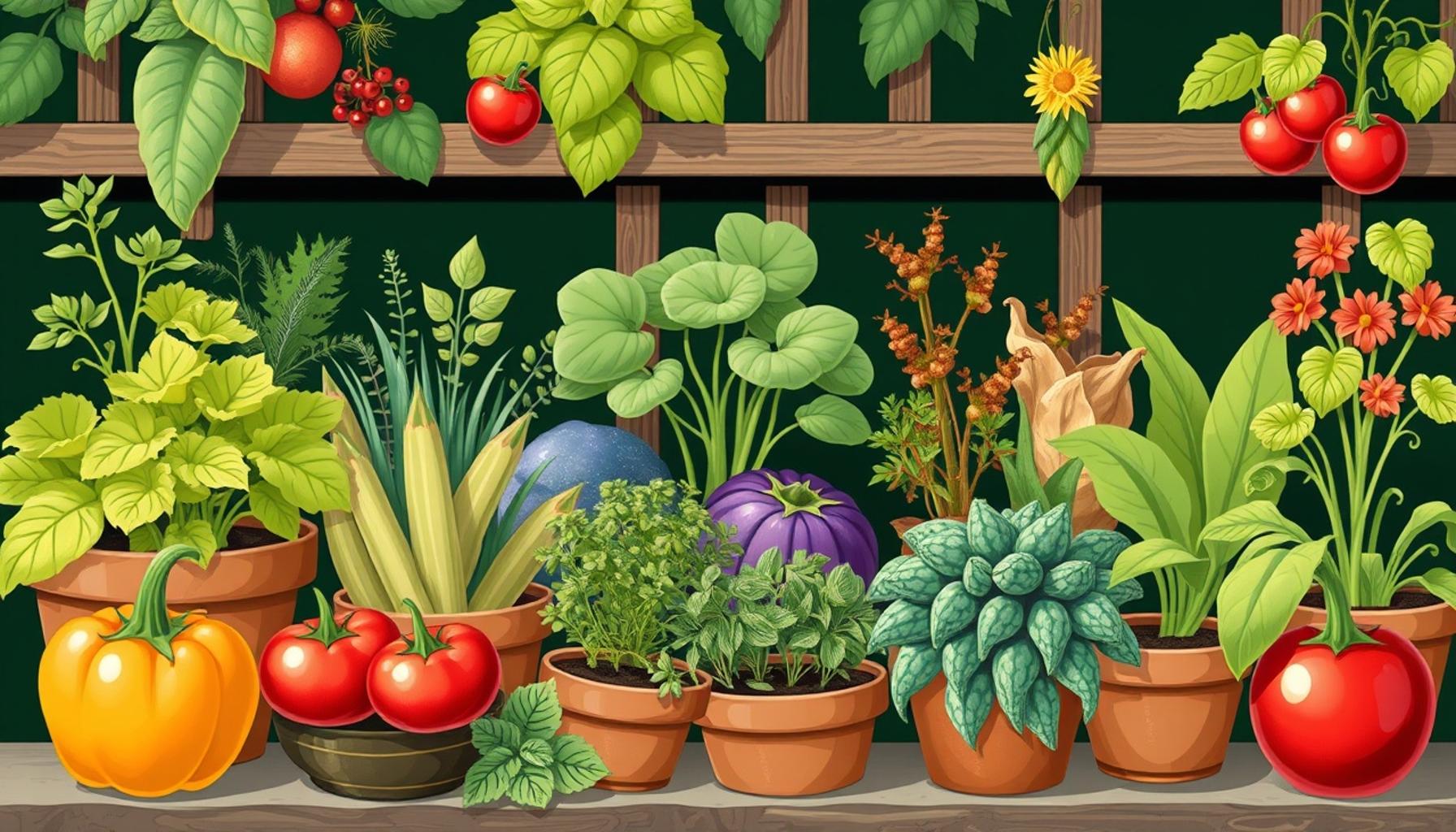
- Vegetables: Compact varieties such as cherry tomatoes and bush beans are ideal for containers as they require less space while delivering impressive yields. Additionally, many farmers’ markets across the United States showcase local varieties that have been bred specifically for container gardening.
- Leafy Greens: Quick-growing greens like lettuce and spinach not only adapt well to pot life but can also be harvested continuously throughout the growing season. With proper care, you can enjoy fresh salads from your patio well into the fall.
Incorporating container gardening into your lifestyle allows you to transform even the tiniest of spaces into a luscious haven of herbs and vegetables. By understanding the characteristics of various plants, selecting suitable varieties, and embracing the nuances of urban gardening, you will find yourself on a fulfilling journey towards sustainability and the joy of homegrown food. Let’s take the first steps together to create your own green oasis.
DISCOVER MORE: Click here to learn about the benefits of crop rotation
Diverse Options for Urban Edibles
When selecting edible plants for container gardening in small spaces, one of the most rewarding elements is the vast array of options available. Cultivating your own food can mean much more than simply growing a few herbs or vegetables; it can foster a deeper appreciation for the entire gardening experience. Knowing what to grow can bolster not just your culinary repertoire but also your connection to sustainability. Here are some categories of plants that are particularly well-suited for container gardening:
Herbs that Pack a Punch
Herbs are among the most popular choices for container gardens due to their compact size and culinary versatility. Consider growing:
- Basil: A staple in Italian cuisine, basil thrives in sunny locations and is perfect for terracotta pots. Not only does it add flavor to your dishes, but freshly harvested basil makes a delightful addition to salads and can be transformed into pesto.
- Chives: With their mild onion flavor, chives need little space and can be grown in the smallest of containers. They pair wonderfully with both salads and soups, making them a delightful herb to have on hand.
- Thyme: This aromatic herb grows well in pots and can tolerate drier conditions. Its low-growing habit makes it an excellent choice for containers, and its culinary uses are endless, from seasoning roasted vegetables to enhancing marinades.
Compact Vegetable Varieties
Vegetables often require more space, but selecting compact varieties can yield fruitful results. Here are some vegetables to consider:
- Cherry Tomatoes: These bite-sized delights can thrive in containers and are perfect for patios. With varieties like ‘Sweet 100,’ you can enjoy a bountiful harvest of fresh tomatoes that can be eaten straight from the vine or tossed into salads.
- Radishes: Fast-growing and easy to care for, radishes can be grown in shallow containers. They mature quickly, often within three weeks, making them an excellent choice for beginner gardeners eager for prompt results.
- Bush Beans: These compact beans do not require staking and can produce a generous harvest in small pots. Planting them in containers allows for easy access and care, making them perfect for those new to gardening.
The Wonders of Leafy Greens
Leafy greens not only grow well in containers but also provide ongoing harvests throughout the season. Some top picks include:
- Spinach: An ideal crop for early spring planting, spinach can grow in partial shade and is quick to mature. Harvesting the leaves regularly can stimulate continued growth.
- Lettuce: Various types of lettuce can flourish in pots, especially leaf varieties like ‘Butterhead’ and ‘Romaine,’ which are great for summer salads. You can repeatedly harvest the outer leaves without uprooting the entire plant.
By focusing on these thriving options, you’re not just planting a garden; you’re cultivating a space that enriches your life with food and flavor. Remember, the possibilities in small-space gardening are vast, limited only by your imagination and willingness to experiment with different combinations of herbs and vegetables. The world of container gardening awaits your exploration!
| Advantages | Details |
|---|---|
| Space Efficient | Container gardening allows for effective use of limited space by utilizing vertical planters or hanging pots. |
| Customization | You can easily create a customized garden that fits your aesthetic preferences and culinary needs, choosing from a variety of vegetables and herbs. |
| Accessibility | Container gardening offers easy access to your plants, making care and harvesting more convenient for those with mobility challenges. |
| Soil Control | Gardeners can maintain optimal soil conditions by selecting the right potting mix suitable for specific plants, ensuring healthy growth. |
With container gardening, small space dwellers can dive into the world of edible plants without the confines of traditional gardening limitations. Whether you’re selecting vibrant herbs to elevate your culinary creations or nutrient-rich vegetables to incorporate fresh produce into your diet, the possibilities are endless. The benefits listed above reveal just a glimpse of how container gardening caters to you—enhancing your living environment while providing direct access to your personal harvest. Why not transform your small space into a flourishing edible sanctuary?
LEARN MORE: Click here for the best timing tips
Choosing the Right Containers and Care Techniques
Once you have selected your edible plants, it’s crucial to understand the container options and care techniques that will optimize your gardening experience. Optimal growth is often reliant not just on the plants themselves, but also on how well they are housed and maintained.
Container Considerations
The container you choose can significantly impact the health of your plants. Look for the following characteristics:
- Size: Smaller plants can thrive in containers as small as 5 gallons, while larger varieties, such as tomatoes, benefit from 10-gallon pots. A general rule of thumb is one gallon of soil for every foot of plant height.
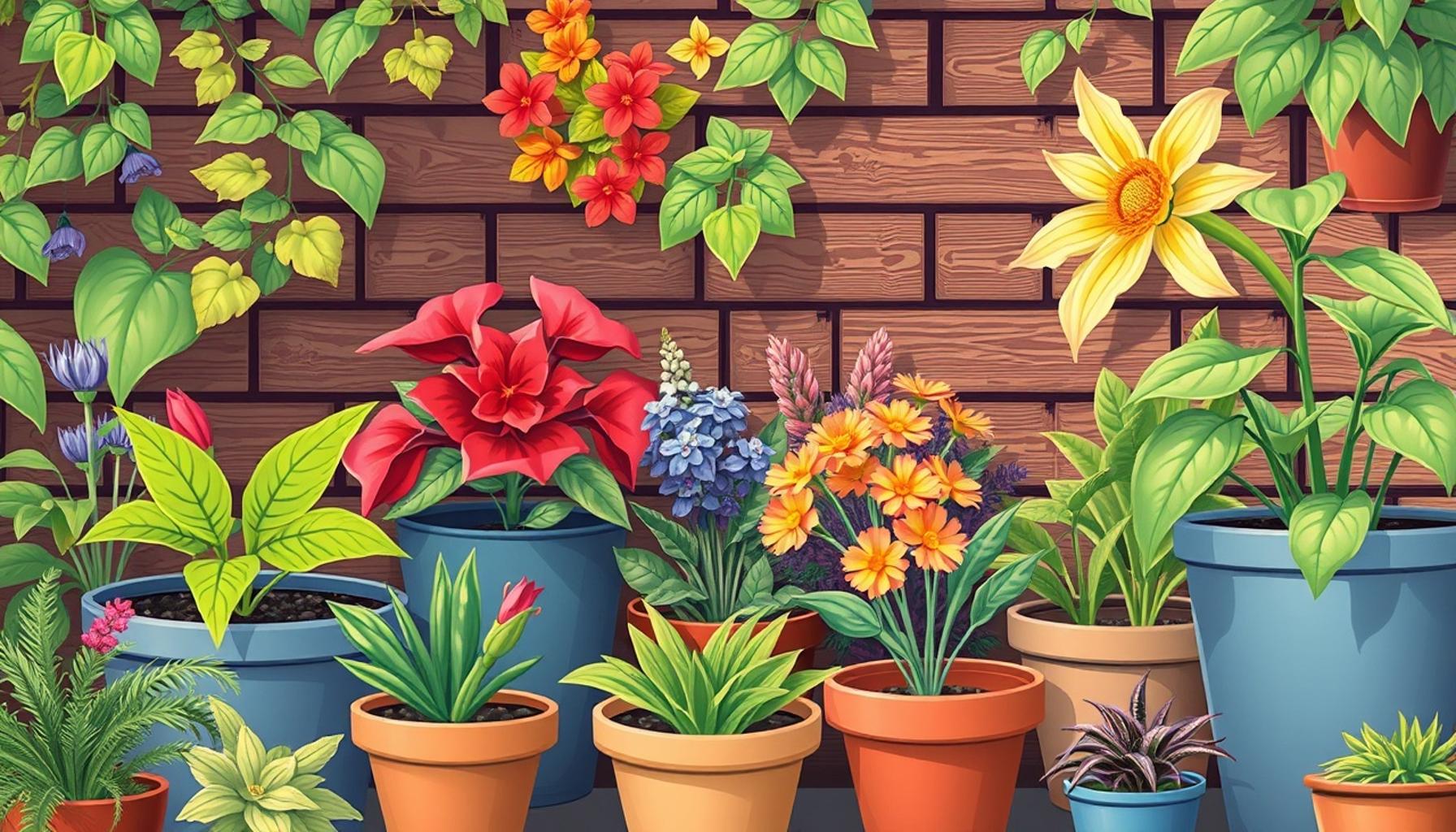
- Material: Terracotta and ceramic pots are popular due to their aesthetic appeal and breathability, promoting healthy root systems. However, plastic pots are lightweight and often retain moisture better, reducing the need for frequent watering.
- Drainage: Ensuring proper drainage is essential to prevent root rot. Always choose containers with drainage holes, and consider using a saucer to catch excess water without drowning your plants.
Soil and Fertilization
The quality of the soil you use will set the foundation for your garden. It is generally recommended to use a high-quality potting mix specifically designed for container gardens. These mixes often contain organic materials like peat moss, compost, and perlite, providing a well-aerated environment for your roots. Additionally,
- Fertilization: Given that container plants have limited access to nutrients compared to those planted in the ground, regular fertilization is necessary. A balanced, water-soluble fertilizer can be added every few weeks during the growing season to ensure your plants receive essential nutrients.
Watering Wisely
Understanding appropriate watering techniques is essential for maintaining healthy edible plants. Since containers can dry out faster than garden beds, they typically require more frequent monitoring:
- Frequency: Check the moisture level in the soil regularly by inserting your finger an inch deep. If it feels dry, it’s time to water. As a general guideline, most container plants require watering 2-3 times per week in warmer months.
- Method: When watering, aim to saturate the soil thoroughly until you see water flowing from the drainage holes. This encourages deep root growth and ensures that all sections of the soil receive moisture evenly.
Vertical Gardening Solutions
If you’re limited by ground space, consider vertical gardening techniques. Utilizing vertical containers or pockets increases your planting space while minimizing soil compaction. Options include
- Wall planters: These are perfect for herbs and small vegetables, allowing for easier access and optimal sunlight exposure.
- Trellises or cages: These can be incorporated for vining plants such as pole beans or cucumbers, making the most of vertical space and facilitating more efficient harvesting.
Overall, understanding the interplay between container choice, soil quality, and care techniques will empower you to create a flourishing urban garden in even the smallest of spaces. This comprehensive approach to container gardening not only enhances your yield but encourages a more intimate relationship with your home-grown food.
DISCOVER MORE: Click here for essential tips
Final Thoughts on Container Gardening for Edible Plants
In conclusion, cultivating edible plants in small spaces through container gardening offers an exciting opportunity for urban dwellers, balcony enthusiasts, and anyone limited by traditional gardening constraints. Selecting the right vegetables and herbs, alongside understanding the intricate balance of container choice, soil quality, and maintenance practices, can transform even the tiniest nook into a vibrant green sanctuary.
By opting for the ideal containers—considering factors such as size, material, and drainage—you lay the groundwork for a thriving garden. Enhancing it further with nutrient-rich potting mixes and careful fertilization ensures robust plant health. Consistent watering practices tailored to container requirements cannot be overlooked, as they are vital for thriving plants. Moreover, integrating vertical gardening solutions not only maximizes space but also creates a striking visual appeal, allowing your garden to defy conventional limits.
As you explore the exciting realm of container gardening, consider experimenting with diverse plants and methods, perhaps even delving into heirloom varieties or unconventional herbs. The rewards of savoring fresh, home-grown produce are immense, igniting a passion for sustainable living that resonates beyond the garden. So whether you live in a bustling city or a cozy suburb, seize the opportunity to connect with nature right at your doorstep. Your green thumb awaits!