Effective Watering Techniques for Indoor Plants
The Importance of Proper Watering Techniques
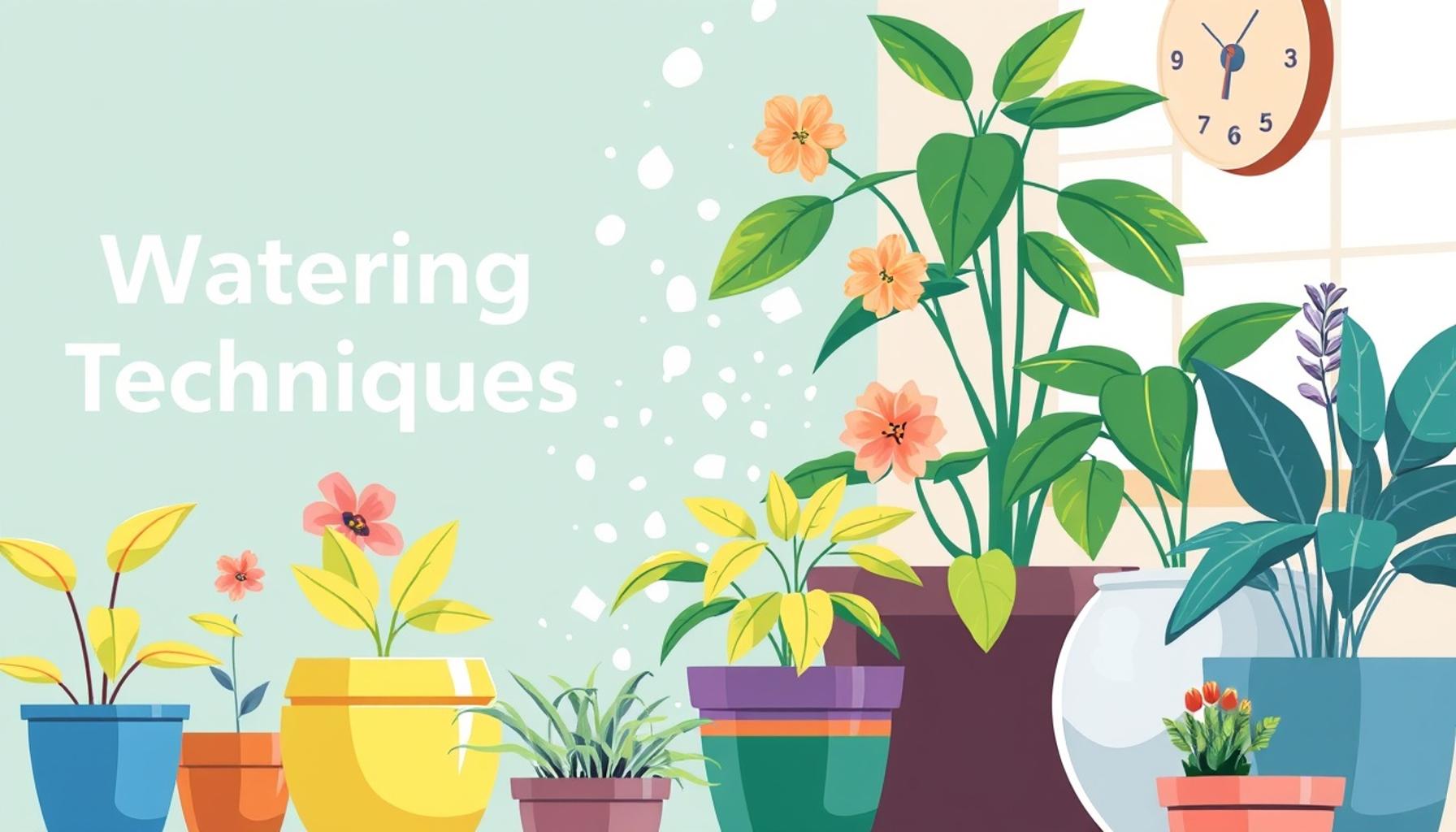
Watering your indoor plants is more than just pouring water into a pot. It’s an essential practice that can make or break a plant’s health and vitality. With the right techniques, you can keep your greenery thriving and elevate your living space. Understanding the intricacies of plant care can transform your indoor oasis from a barely-thriving collection of foliage into a dynamic, flourishing ecosystem. By focusing on proper watering practices, you’ll be able to create a vibrant atmosphere in your home.
Understanding Plant Needs
Every indoor plant species has unique watering requirements, shaped by factors like species, size, and the specific microclimate of your home. For example, succulents and cacti—known for their drought tolerance—require infrequent watering, perhaps only once every two weeks. In contrast, tropical plants such as ferns and peace lilies thrive in consistently moist soil. Take the time to research the specific needs of your plants to ensure you’re providing the right amount of moisture. Familiarize yourself with the plant’s native habitat; this will give you insight into its ideal watering schedule.
Soil Type and its Impact
The type of soil you use can significantly affect water retention. Well-draining soils, such as those designed for orchids or a gritty cactus mix, can help prevent waterlogging, thereby reducing the risk of root rot. On the other hand, soils that retain moisture—like potting mixes enriched with peat moss—can be beneficial for plants that prefer a humid environment. When choosing soil, consider your plant’s natural growing conditions to select the best fit.
Pot Size and Material Considerations
The size and material of the pot in which your plants reside also play a crucial role in watering. For instance, terracotta pots are porous and allow for better airflow and evaporation, making them suitable for drought-tolerant plants. Conversely, plastic pots retain moisture more effectively but can lead to overwatering if not monitored carefully. As a general rule, smaller pots dry out faster than larger ones, requiring more frequent watering while accommodating the plant’s growth.
Knowing When to Water
Understanding when to water is just as vital as knowing how much water to provide. Signs of overwatering often manifest as yellowing leaves, which signal that the roots are submerged in excessive moisture, prompting rot. Conversely, dry, crisp leaves indicate your plant is thirsty and needs attention. Watching for wilting is another clear signal that it’s time to assess your watering schedule. Regularly checking the top inch of soil can also provide clues; if it feels dry to the touch, it’s likely time to water.
Creating a Thriving Indoor Garden
Embracing these methods will not only help you maintain the aesthetics of your home but also promote a thriving indoor garden. Implementing a watering routine that is tailored to each plant’s specific needs can elevate your indoor garden from mere decoration to an interactive, vital part of your living space. Experiment with different watering techniques, such as bottom watering or using moisture meters, to discover what works best for your unique plant collection. As you delve deeper into the art of plant care, you may uncover a rewarding hobby that transforms your environment.
DISCOVER MORE: Click here to learn about sustainable garden watering
Essential Watering Practices for Indoor Plants
Watering indoor plants may appear straightforward, yet it demands an understanding of various factors to ensure the health and longevity of your greenery. As with any aspect of plant care, effective watering techniques hinge on observation, knowledge, and adaptability. To cultivate a flourishing indoor garden, it is essential to engage with your plants on a deeper level. Below are some key practices to help refine your watering habits and create the perfect nurturing environment for your botanical companions.
Establishing a Watering Schedule
Creating a consistent watering schedule is crucial for the well-being of your indoor plants. However, this routine should remain flexible and responsive to your plants’ needs. Factors such as seasonal changes, indoor humidity levels, and growth stages affect a plant’s water consumption. To establish an effective schedule, consider the following:
- Seasonal Adjustments: During the warmer months, many plants experience accelerated growth and require more frequent watering. In contrast, during dormancy in the winter, most plants will require less.
- Humidity Levels: If your home environment is dry, your plants may need more hydration. Conversely, if your indoor space is humid, particularly during summer months, parameters may shift, calling for less water.
- Plant Size: Larger plants typically require more water than smaller specimens, giving credence to the necessity of assessing individual needs based on the plant’s growth.
Water Quality Matters
Not all water is created equal when it comes to hydration. The quality of the water you use can significantly influence your indoor plants’ health. Tap water, depending on your local treatment processes, can contain chlorine, fluoride, and other chemicals potentially detrimental to certain species. Here are some considerations for water quality:
- Temperature: Use room temperature water instead of cold water; this helps prevent shocking your plants’ roots.
- Filtering: Consider using filtered or distilled water for sensitive plant varieties that react poorly to chemicals in tap water.
- Rainwater: Collecting rainwater can be an eco-friendly option, rich in nutrients and typically free from chemicals.
Watering Techniques to Explore
Different watering methods can make a significant difference. Here are some techniques to try, helping you tailor hydration to various plant types:
- Top Watering: This common approach involves pouring water directly onto the soil surface until it drains out of the pot’s drainage holes. It’s essential to saturate the entire root system, ensuring even distribution.
- Bottom Watering: By placing your plant pot in a shallow basin of water, the soil will absorb moisture from the bottom. This technique can help prevent overwatering, as roots absorb only what they need from the reservoir.
- Drip Irrigation: For a more automated approach, consider a drip irrigation system that releases measured amounts of water directly to the roots. This method can be especially useful for larger collections of indoor plants.
Incorporating these practices into your plant care regimen will facilitate a more informed and effective watering process, ensuring your indoor plants are adequately hydrated and thriving. Remember, there is no one-size-fits-all approach—observe, adapt, and grow!
When it comes to indoor gardening, mastering the art of watering is crucial for the health and vitality of your plants. Overwatering can lead to root rot, while underwatering can cause wilting and stress. Understanding the unique needs of each plant species is the first step towards effective watering. Here are some advanced techniques that can help you refine your watering routine:
1. Soil Moisture Monitoring
Utilizing a soil moisture meter can revolutionize your watering practices. These devices provide accurate readings of the soil moisture levels, helping you determine the precise time to water your plants. This ensures that you’re meeting your plants’ needs without the risk of overwatering.
2. Drip Irrigation Systems
For plant enthusiasts with a larger indoor garden, a drip irrigation system offers a reliable solution. These systems deliver water directly to the roots at a controlled rate, allowing for efficient water usage. This method not only conserves water but also reduces the chance of fungal diseases associated with wet foliage.
3. Watering Schedule
Establishing a consistent watering schedule can greatly enhance the well-being of your plants. Different species have different moisture requirements. A calendar or app can help alert you when it’s time to check on your plants, thereby fostering a routine that benefits your indoor garden.
4. Temperature and Humidity Considerations
Keep in mind that environmental conditions such as temperature and humidity affect water needs. For instance, plants in high-humidity environments may require less frequent watering. Ensuring that your indoor climate is conducive to the specific needs of your plants can greatly improve their growth.
| Watering Technique | Benefits |
|---|---|
| Soil Moisture Monitoring | Provides precise information on when to water, preventing over or underwatering. |
| Drip Irrigation Systems | Ensures efficient water delivery directly to roots, conserving water and preventing diseases. |
By incorporating these advanced watering techniques, you can significantly improve the health of your indoor plants, creating a thriving home environment. Keep experimenting with different methods and observe how your plants respond; this will guide you toward achieving the ultimate plant care mastery.
DISCOVER MORE: Click here for effective DIY solutions
Advanced Watering Techniques for Optimal Plant Health
As you delve deeper into the world of indoor gardening, it becomes clear that watering techniques can be as varied as the species of plants they serve. Understanding these advanced methods can help you not only maintain the health of your plants but also foster a thriving indoor ecosystem. Below, we explore additional watering strategies and concepts that can enhance your plant care routine.
Utilizing Soil Moisture Meters
One effective way to determine when to water is by using a soil moisture meter. This handy device provides a reliable method for assessing the moisture level in the soil, preventing both under-watering and overwatering—two of the most common pitfalls in indoor gardening. Here’s how to incorporate a soil moisture meter into your routine:
- Measurement Consistency: Insert the meter into the soil at root depth and wait for the reading. Aim for a level that indicates moisture; different plants will have varying preferences, but consistent readings can help you gauge when it’s time to water.
- Monitor Multiple Plants: If you have an array of plants with differing care needs, consider using several meters to take readings simultaneously. This allows you to adapt your watering practices to multiple species with ease.
Consider Hydration Methods Based on Plant Types
Different plants have unique watering needs, and understanding these can lead to better results. Tailoring your watering methods to accommodate these preferences is key:
- Succulents and Cacti: These drought-resistant plants thrive on infrequent watering. Allow the soil to dry completely before the next watering session. To avoid root rot, consider using a spray bottle to mist them rather than soaking the soil.
- Tropical Plants: Varieties such as ferns and philodendrons prefer consistently moist soil. To maintain humidity levels, you can group these plants together or utilize pebble trays filled with water beneath the pots, allowing for gradual moisture release.
- <strong;Herbs and Vegetables: If you’re growing herbs indoors, remember that many of them prefer evenly moist but well-draining soil. Regular checks for moisture balance will keep your indoor herb garden lush and productive.
Incorporating Self-Watering Systems
Self-watering pots can be a game-changer for busy indoor gardeners. These systems work by providing a reservoir at the base of the pot, allowing plants to access water as needed. This technique reduces the frequency of watering while promoting healthy root growth. Consider these points:
- Ease of Use: Self-watering pots come in various sizes and styles, making it easy to incorporate them into your home decor. They’re particularly beneficial for plants that are prone to stress from irregular watering.
- Maintaining Balance: While self-watering systems are convenient, ensure that you regularly monitor water levels and soil moisture to prevent overflow, which could lead to root rot.
Observing Plant Signals
Every plant communicates its needs through subtle cues. Becoming attuned to these signals can greatly improve your watering techniques. Here are common signs your plants might exhibit:
- Curling Leaves: Leaves that curl up or down often indicate watering issues. Curling may suggest underwatering, while excessive drooping might point to overwatering.
- Yellowing Leaves: This can be a sign of poor drainage or overwatering, but it can also indicate nutrient deficiencies. Evaluate your watering routine alongside your fertilization schedule.
- New Growth Patterns: Healthy plants will produce new leaves and stems. If you notice changes in growth patterns, it might be time to reassess your watering habits and adapt them based on environmental changes or plant maturity.
By implementing these advanced watering methods and techniques, you can foster a more vibrant and healthy indoor garden. The key lies in recognizing that effective watering is an ongoing practice, requiring observation, adjustment, and a willingness to learn from your plants.
LEARN MORE: Click here to discover how to create a microclimate in
Conclusion: Nurturing a Flourishing Indoor Habitat
In conclusion, mastering effective watering techniques for indoor plants is crucial for cultivating a thriving indoor garden that enhances both your living space and your well-being. With a comprehensive understanding of your plants’ specific hydration requirements, you can prevent common issues such as overwatering and underwatering, while promoting optimal growth and vibrancy throughout your collection.
The implementation of advanced strategies, such as utilizing soil moisture meters, customizing hydration methods based on plant types, and observing plant signals, empowers you to become more attuned to their needs. Not only will these practices safeguard against detrimental watering habits, but they will also create an environment where your indoor plants can truly flourish.
As you continue to refine your watering techniques, consider exploring innovative solutions like self-watering systems that add convenience without sacrificing care. Remember, the journey of indoor gardening is one of continuous learning and adaptation. Each plant offers unique signals and signs that can provide valuable insights into its health, guiding your future approaches.
By embracing these principles, you will foster a healthier ecosystem within your home, ensuring your indoor plants not only survive but thrive in a symbiotic relationship with you. So, grab your watering can and embark on this fulfilling adventure—your indoor garden awaits!