Rainwater Harvesting: A Sustainable Approach to Watering Your Garden
Unlocking Nature’s Resource
Water is a precious resource, especially in the world of gardening. With growing concerns over water scarcity and increasing utility bills, rainwater harvesting emerges as a practical solution for many households across the United States.
Benefits of Rainwater Harvesting
- Reduces dependency on municipal water supply
- Saves money on water bills
- Minimizes runoff and erosion
- Provides a natural source of irrigation
This sustainable practice involves collecting and storing rainwater for later use, particularly in watering gardens. In fact, studies show that an average roof can yield thousands of gallons of water annually, significantly enhancing your garden’s resilience. For example, a 1,000-square-foot roof can harvest up to 600 gallons of rainwater from just one inch of rain! This collected water can then be used not only for gardening but also for washing your car, flushing toilets, or even irrigation in landscaping, thus maximizing its utility.
The Growing Trend
Across urban and suburban landscapes, more garden enthusiasts are turning to this eco-friendly method. Communities from California to New York are implementing rainwater harvesting systems, recognizing the dual benefits of sustainability and profitability. In states like Texas, where drought conditions are a common concern, rainwater harvesting is becoming increasingly popular, with local governments even offering rebates for installation to encourage more residents to adopt this practice.
As environmental awareness grows, many cities are also beginning to relax regulations surrounding rainwater harvesting, making it easier for homeowners to install their systems. For instance, Colorado has progressive laws that allow residents to collect rainwater, as long as it is used for indoor and outdoor purposes, thus promoting conservation efforts.
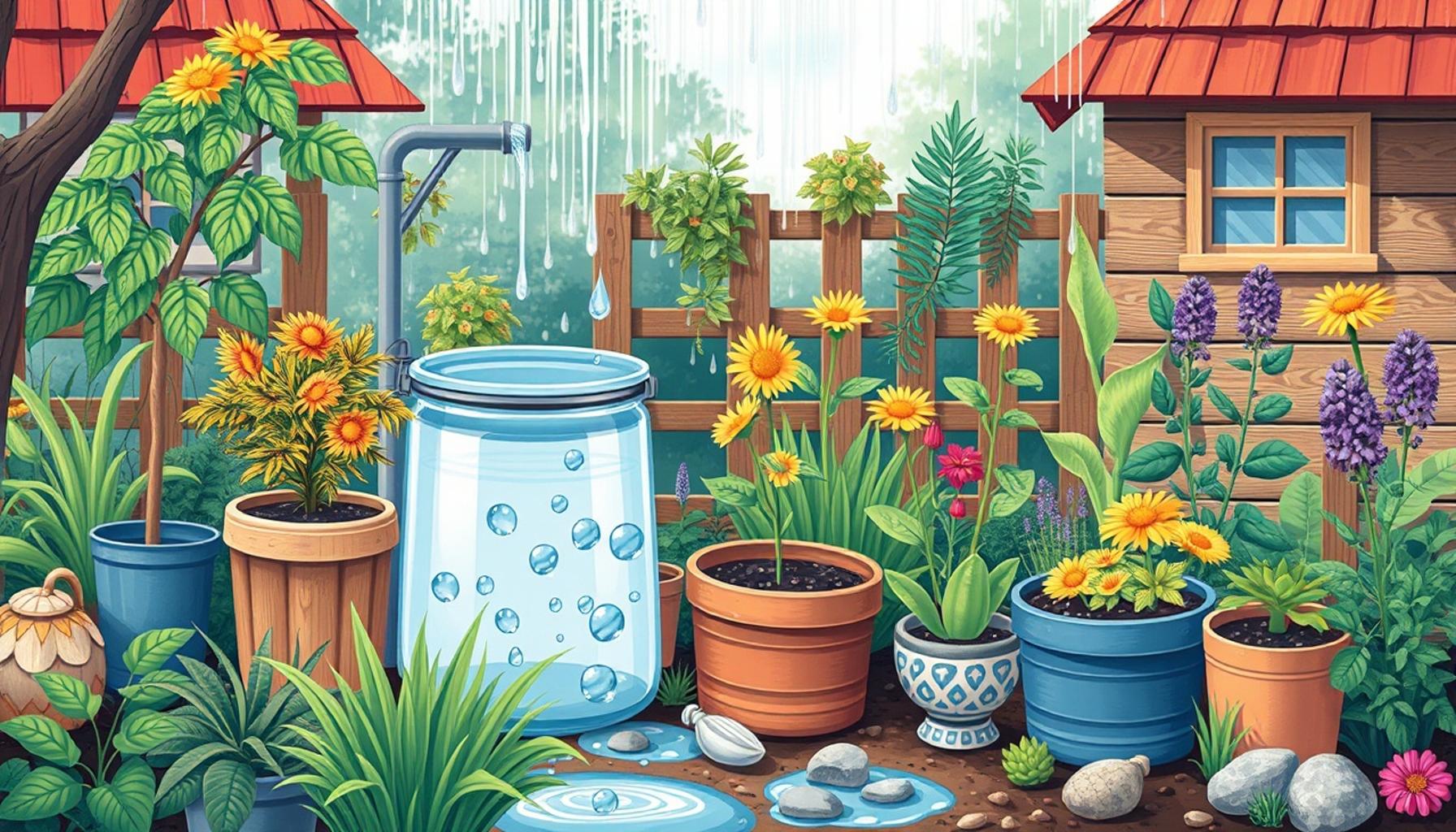
As we delve deeper into this topic, you’ll discover innovative methods, essential components, and legal guidelines for creating your rainwater harvesting system. Components include rain barrels, cisterns, and filtration systems, each serving a vital role in ensuring that the harvested rainwater is clean and safe for use. By doing so, you’ll not only cultivate a thriving garden but also embrace a greener lifestyle that benefits both your community and the environment. The result is a win-win situation that contributes to water conservation while also fostering a sense of responsibility toward our natural resources.
DISCOVER MORE: Click here to learn how to garden sustainably</p
Understanding Rainwater Harvesting Systems
For those interested in adopting rainwater harvesting as a means of conserving water for gardening, it’s essential to understand the different components involved in creating a successful system. Such systems vary in size and complexity, catering to both small urban gardens and larger rural setups. By grasping these fundamental elements, you can tailor a system that suits your specific landscaping needs.
Key Components of a Rainwater Harvesting System
The basic configuration of a rainwater harvesting setup includes several key components, each distinct in function but crucial for optimal performance. Here’s a closer look at the main elements to consider:
- Catchment Area: This is typically your roof, which collects rainfall. The type and size of the roof affect how much water can be harvested. Clean, non-toxic materials are necessary to ensure safe water quality.
- Gutters and Downspouts: These direct rainwater from the roof into storage tanks. It’s vital to maintain them free from debris to maximize efficiency.
- Storage Tanks: Various options, such as rain barrels or larger cisterns, provide a reservoir for collected rainwater. Consider the materials and placement – above ground versus below ground – depending on your space and aesthetic preferences.
- Filtration Systems: To ensure that the rainwater is free from contaminants, a good filtration system is required. Simple mesh screens can block larger debris, while more sophisticated filters can handle finer particulates.
Once these components are in place, harvesting systems can be enhanced with additional features like overflow systems, which safely redirect excess water during heavy rain, or pumps that help distribute water throughout your garden. The integration of drip irrigation alongside these systems can further enhance water use efficiency, delivering moisture directly to the plant roots.
Environmental and Economic Impacts
The benefits of rainwater harvesting extend beyond mere water conservation; they play a pivotal role in environmental sustainability. By reducing reliance on municipal water supply, you can help alleviate the strain on local water resources, particularly in areas prone to drought. Furthermore, managing stormwater runoff minimizes erosion and pollution that often occur when rainwater flows directly into the storm drains. This aspect not only preserves the integrity of local waterways but also fosters a healthier ecosystem overall.
On a financial level, investing in a rainwater harvesting system can yield significant savings in utility costs, especially for avid gardeners who regularly water their plants. In some states, homeowners may even benefit from local tax incentives or rebates aimed at promoting sustainable practices, making it an economically sound decision in addition to an environmentally responsible one.
In conclusion, understanding the components and benefits of a rainwater harvesting system equips you to make informed decisions about your water use. By harnessing this dormant resource, garden enthusiasts can not only enhance their green spaces but also contribute meaningfully to the larger discourse on water conservation and sustainability.
| Advantages | Details |
|---|---|
| Water Conservation | Implementing rainwater harvesting techniques significantly reduces the dependency on municipal water systems, conserving this precious resource. |
| Cost-Effectiveness | Collecting rainwater helps lower water bills while providing a free, sustainable water source for gardens, promoting cost savings over time. |
By incorporating rainwater harvesting methods into your gardening routine, you not only contribute to a sustainable future but also reap substantial benefits. The practice allows for effective water conservation—ensuring that every drop counts—and can greatly enhance your garden’s health and productivity. Moreover, the increased resilience against drought conditions can be a game-changer for eco-conscious garden enthusiasts. Curious about how rainwater collection systems work and how you can implement them in your own backyard? Dive deeper into this innovative solution, and start transforming your gardening practices today!
DISCOVER MORE: Click here to learn about natural pest control methods
Integrating Rainwater Harvesting into Your Garden Design
To fully realize the benefits of rainwater harvesting, it’s essential to consider how to seamlessly integrate this practice into your existing garden design. This thoughtful incorporation not only maximizes water efficiency but also enhances the overall aesthetics of your outdoor space.
Design Considerations
When planning your rainwater harvesting setup, consider the layout of your garden in relation to the catchment area. Strategic placement of storage tanks should allow easy access for watering while preventing any obstruction in your landscaping. If space allows, utilizing decorative rain barrels can serve as both functional and attractive pieces, enhancing the visual appeal of your garden.
Additionally, implementing permeable surfaces such as gravel or permeable pavers around your garden can facilitate soil absorption and reduce runoff. This practice encourages water gradually to seep into the ground, further replenishing the soil while minimizing erosion. In contrast, hardscapes like concrete can exacerbate runoff issues, leading to potential flooding or pooling.
Complementary Techniques
Rainwater harvesting pairs well with other sustainable gardening practices. By incorporating xeriscaping techniques—planting drought-resistant plants native to your region—you can create a low-maintenance garden that thrives on natural rainfall and collected water. This not only conserves water but also promotes biodiversity by supporting local wildlife.
Another beneficial practice is implementing mulching. By covering the soil surface with organic materials like wood chips or straw, you can significantly reduce water evaporation and maintain consistent moisture levels in the soil. Mulching also suppresses weeds, making it easier to manage your garden.
Potential Challenges and Solutions
While the benefits of rainwater harvesting are numerous, there are potential challenges to consider. One potential concern is the inconsistency of rainfall, especially in regions facing prolonged dry spells. It’s important to monitor rainfall patterns in your area and adjust the size of your storage tanks accordingly. A larger tank can hold more water during rainy periods, ensuring you have enough supply during dry times.
Additionally, some gardeners may worry about the quality of collected rainwater. While it is generally safe for irrigation, it’s vital to inspect your system regularly to look for any signs of contamination, such as algae growth or debris accumulation. Implementing appropriate filtration systems will help maintain the purity of your stored water, ensuring that your garden stays healthy and productive.
Community and Educational Opportunities
Engaging with your local community regarding rainwater harvesting can further enhance the effectiveness of your system. Participating in workshops or joining local gardening clubs can provide valuable insights from fellow gardeners. Many municipalities and organizations also offer educational resources and grants to encourage the implementation of sustainable practices.
By fostering a network of rainwater harvesting enthusiasts, you can share experiences, troubleshoot challenges, and exchange tips. Discovering how others have successfully implemented rainwater systems can inspire innovative ideas, ultimately leading to a more sustainable approach to gardening in your community.
Incorporating rainwater harvesting into your garden design is not only beneficial for your plants but also contributes to environmental sustainability. Through smart design choices, complementary practices, and community engagement, you can create a thriving garden that showcases the best of sustainable water management.
DISCOVER MORE: Click here for expert watering tips
Conclusion
In conclusion, rainwater harvesting presents a transformative and sustainable approach to watering your garden, allowing homeowners to conserve precious water resources while nurturing their plants. By implementing an efficient rainwater collection system, gardening enthusiasts can harness the power of nature, effectively reducing reliance on municipal water sources and minimizing environmental impact.
With careful planning and effective garden integration, rainwater harvesting can enhance both the functionality and beauty of your outdoor space. It encourages innovative garden designs that incorporate sustainable practices, such as permaculture and xeriscaping, fostering ecosystems that thrive on local and natural resources. Moreover, engaging with community initiatives and educational programs can inspire more gardeners to adopt these environmentally friendly strategies, collectively contributing to a healthier planet.
Rainwater harvesting not only addresses immediate irrigation needs but also offers a resilient solution in the face of climate change and unpredictable weather patterns. As dry spells become increasingly common, the ability to store and utilize rainwater can safeguard gardens against drought. By being proactive and installing filtration systems as needed, you ensure that the collected water remains clean and beneficial for your plants.
In essence, embracing rainwater harvesting aligns with a broader movement towards sustainability, inviting each gardener to join the effort in conserving water, nurturing biodiversity, and protecting our natural resources for future generations. It’s a journey of discovery that leads to greener gardens and a more sustainable lifestyle, inviting every enthusiast to delve deeper into the potential of rainwater as a resource worth tapping into.