How to Choose Climate-Resilient Plants for Gardening Beginners
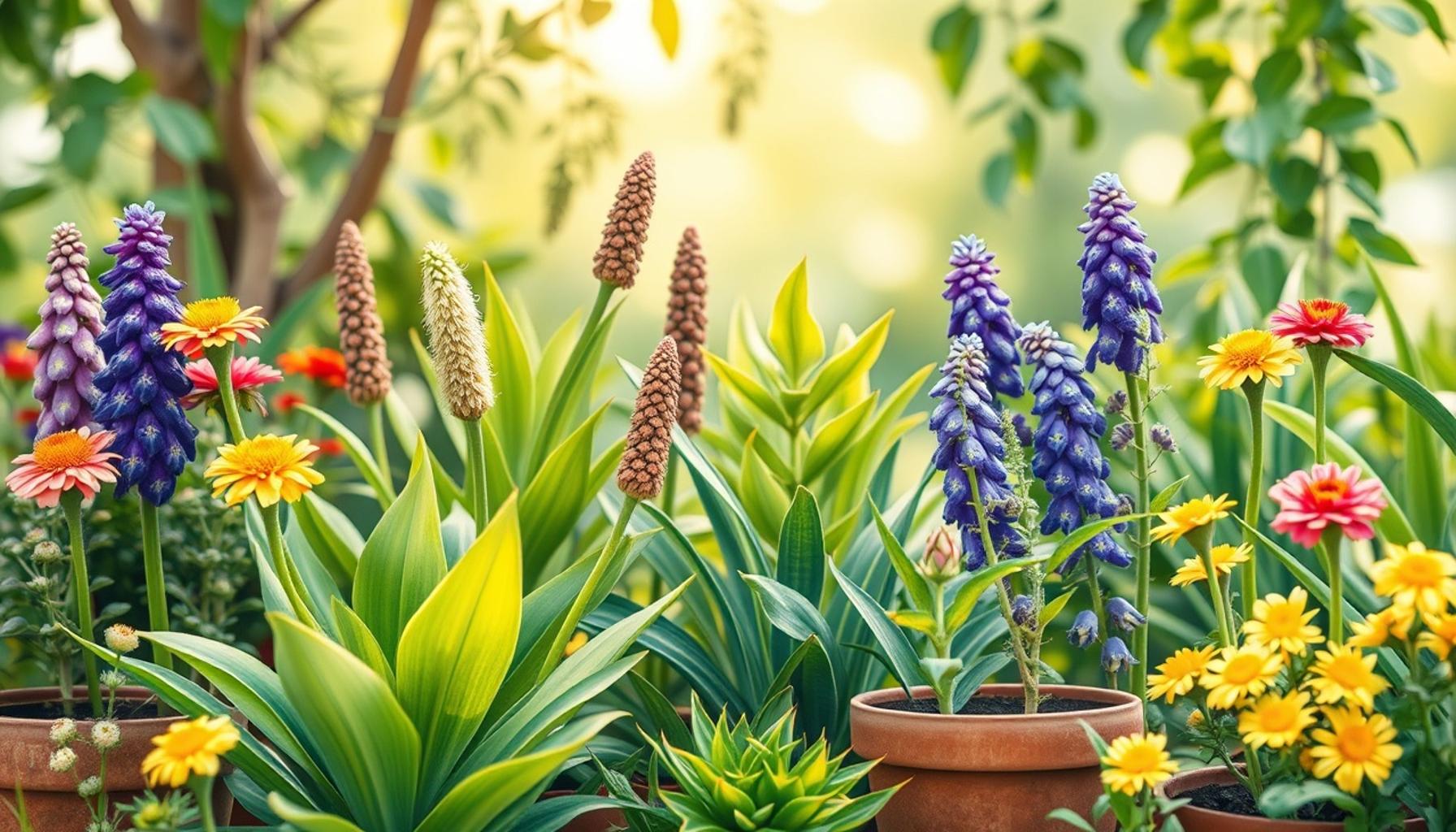
Understanding Climate-Resilient Gardening
As the effects of climate change cast a long shadow over our ecosystems, adopting sustainable gardening practices is becoming a pressing necessity. Whether you’re a novice gardener venturing into your first planting season or an experienced green thumb seeking to revitalize your outdoor space, selecting the right plants lays the groundwork for a flourishing garden that can endure the harsh realities of a changing climate.
Climate-resilient plants are not just trendy choices; they embody a thoughtful approach to gardening. These varieties are tailored to withstand the challenges posed by extreme weather conditions, providing a rich and vibrant landscape while minimizing upkeep. Their importance cannot be overstated, and here’s a closer look at the benefits they offer:
- Water Conservation: Many climate-resilient plants, such as succulents and native grasses, are naturally drought-tolerant, meaning they require less water to thrive. This not only conserves precious water resources but also lessens the demand on municipal water supplies during peak usage times, particularly in arid regions like California.
- Pest Resistance: These plants often feature innate defenses against common pests and diseases, reducing the need for chemical interventions. For example, echinacea and marigolds are known to repel harmful insects while attracting beneficial pollinators, creating a harmonious ecosystem in your garden.
- Growth in Varied Conditions: Climate-resilient plants exhibit flexibility in adapting to fluctuating temperatures and varying rainfall patterns. Species such as lavender and salvia are well-suited for gardens experiencing hotter summers and erratic precipitation, thriving where more traditional plants might falter.
Key Factors for Consideration
To ensure a successful climate-resilient garden, consider the following essential factors:
- Native Species: Research local flora to identify plants native to your region. Native plants, such as black-eyed Susans in the Midwest or desert sage in the Southwest, are typically more adaptable and better equipped to handle local soil and climate conditions.
- Soil Health: Take the time to assess your soil type, as different plants have varied soil preferences. A compacted clay soil may necessitate amendments to support the growth of certain varieties, while sandy soils may drain too quickly for others.
- Sunlight and Space: Observe your garden throughout the day to understand how much sunlight it receives and the total available space. This knowledge is crucial when choosing plants that thrive in specific light conditions, such as shade-loving ferns or sun-loving zinnias.
By prioritizing these factors in your planting decisions, you can cultivate a truly resilient garden that not only withstands environmental pressures but also remains visually stunning and enjoyable. The journey into the world of climate-resilient gardening opens a portal to new possibilities, urging you to discover innovative practices that not only enhance your outdoor space but also contribute positively to the planet. Start planting for the future today, and let nature’s resilience inspire your garden journey.
DISCOVER MORE: Click here for eco-friendly pest control options!
Choosing the Right Plants for Your Climate
As a gardening beginner, the right selection of plants can profoundly impact the success of your climate-resilient garden. Each year, the challenges posed by climate variability require new adaptations in gardening practices. This is where understanding what makes a plant climate-resilient is crucial. Here are key aspects to consider when beginning your journey:
- Research and Understand Your Hardiness Zone: The United States is divided into several hardiness zones, which reflect the minimum temperatures plants can withstand. Tools like the USDA Plant Hardiness Zone Map can help you determine your zone, making it easier to select plants that will thrive in your local climate. For instance, if you reside in Zone 5, plants such as daylilies and Russian sage will flourish, while tropical varieties are unlikely to survive the winters.
- Consider Drought-Tolerant Varieties: With changing climate patterns leading to extended dry spells, drought-tolerant plants are a wise choice for beginners. Varieties such as sedum, lavender, and yarrow not only require less water but also contribute to a landscape filled with color and texture. This not only promotes a sustainable garden but also saves you time and resources in the long run.
- Embrace Perennials: While annuals may provide a burst of color in a single season, perennials are often a more resilient choice. Their capacity to return year after year means less annual replanting. Varieties like black-eyed Susans and coneflowers withstand various environmental stresses and blossom beautifully each season, enhancing your garden’s longevity.
In addition to these considerations, it’s important to think about how plants work together within your garden. Each plant has a unique role and contributes to creating a balanced ecosystem. For example, grouping plants with similar water and sunlight needs can reduce competition and improve growth conditions.
Plant Compatibility and Diversity
A diverse garden is a resilient garden. Introducing a variety of plants can help minimize risks associated with pest infestations or sudden weather changes. Companion planting is a technique where specific plant combinations can promote mutual benefits, such as improved growth rates and natural pest control. For example, planting marigolds near vegetables can deter pests, while herbs like basil and rosemary are known to enhance the flavor of nearby crops.
Moreover, being aware of potential invasiveness is key. While some exotic species may seem appealing, they can outcompete local flora and disrupt delicate ecosystems. Always seek out local extension services or native plant societies for guidance on what species are considered safe to plant in your area.
Ultimately, the journey of selecting climate-resilient plants involves understanding your environment and adapting accordingly. By making informed choices, you can cultivate a stunning garden that flourishes amidst the challenges of climate change, ensuring both beauty and sustainability for years to come.
Exploring the Benefits of Climate-Resilient Plants
When it comes to selecting climate-resilient plants, gardening beginners stand to gain significantly from making informed choices. It’s essential to understand the various advantages these plants offer, especially as they relate to sustainability and ease of care. In this section, we will explore the unique characteristics that make climate-resilient plants ideal for novice gardeners.Climate-resilient plants are specifically adapted to thrive in fluctuating weather conditions, meaning they can withstand higher temperatures, periods of drought, and excessive rainfall without requiring constant intervention. This resilience significantly reduces the need for regular watering and chemical fertilizers, making them a perfect match for the environmentally conscious gardener. Additionally, they often require less maintenance overall, allowing beginners to focus on enjoying their gardening experience rather than being overwhelmed by constant upkeep.When choosing the right plants, consider native species which are more likely to possess the adaptive traits necessary for climate resilience. Local nurseries often provide a wide array of such plants, offering extensive knowledge about what will work best in your specific region. Many of these plants are also beneficial to local wildlife, promoting biodiversity and contributing positively to the ecosystem.Additionally, incorporating climate-resilient plants into your garden not only conserves water but also contributes to soil health. Many of these plants have deeper root systems that help prevent erosion and improve soil structure over time. By making deliberate choices, gardening beginners can forge a path toward a more sustainable practice while enjoying the aesthetic and therapeutic benefits of their gardens.Now, let’s delve deeper into the specific advantages of choosing climate-resilient plants through our informative table below:
| Category | Advantages |
|---|---|
| Low Water Requirements | These plants are drought-resistant, requiring less watering, which conserves water resources. |
| Native Adaptations | Local plants are better suited to regional climates, enhancing survival rates and reducing maintenance. |
Understanding these aspects will empower you as a new gardener to make decisions that not only enrich your gardening experience but also foster a more sustainable environment. Embracing climate-resilient plants can help you create a thriving garden that stands the test of time.
DISCOVER MORE: Click here to learn about native plants and gardening
Utilizing Native Plants for Enhanced Resilience
When selecting plants for your garden, prioritizing native species can be an effective strategy for resilience against climate-related challenges. Native plants are those that have evolved in a particular region, adapting to the local climate, soil, and ecological conditions. This adaptation often means they are better equipped to endure extremes of heat, drought, and even flooding than non-native varieties. For gardening beginners, this is a sweet spot where sustainability intersects with ease of care.
A prime example of a native plant that thrives in various regions across the U.S. is the purple coneflower (Echinacea purpurea). Known for its beautiful blooms and strong resistance to pests, this perennial aids pollinators such as bees and butterflies. Additionally, incorporating native grasses like little bluestem or big bluestem enhances soil stability while providing habitats for wildlife.
Soil Health and Plant Selection
The health of your garden’s soil plays a critical role in determining plant resilience. Healthy soil supports diverse microbial life that can fend off potential plant diseases and retain moisture more effectively. For beginners, understanding your soil type—whether sandy, clayey, or loamy—can guide your selection process.
For instance, if you have clay soil, consider plants like swamp milkweed or blue flag iris, which thrive in such conditions. Alternatively, sandy soils may be suitable for black-eyed Susans and beach grass. Conducting a soil test will help determine pH levels and nutrient content, which will enable you to make informed decisions about amendments that could enhance your plants’ growth.
Seasonal Adaptability and Plant Longevity
Another factor in choosing climate-resilient plants is considering their seasonal adaptability. Some plants have a tendency to bloom or produce fruits at specific times of the year, making them susceptible to seasonal weather fluctuations. Opting for varieties that exhibit extended blooming periods or staggered growth cycles can ensure that your garden remains vibrant throughout the seasons.
A good example is the rubbeckia, commonly known as black-eyed Susan. This perennial brings color from summer into early fall. Incorporating a mix of early, mid, and late-season bloomers will create a garden that is not only visually appealing but ecologically beneficial as it provides continuous food sources for pollinators.
Water Management and Irrigation Techniques
Effective water management is an essential skill for every gardener, especially in the face of climate change. Implementing practices like drip irrigation, mulching, and rainwater harvesting can significantly aid in conserving water while encouraging the growth of your plants. Choose plants that have minimal water needs or pair them with drought-resistant varieties. This way, you can establish a thriving garden even with limited resources.
For gardens requiring more regular watering, consider utilizing moisture-retaining products like coconut coir or hydrogels, which help to reduce evaporation and deliver consistent moisture to plant roots.
As you continue to explore the world of climate-resilient gardening, remember that the journey is also about fostering curiosity. Engage with local gardening clubs or online communities to exchange knowledge and experiences. This not only enhances your skills but also connects you with like-minded individuals sharing the same passion for cultivating a sustainable environment.
DISCOVER: Click here to learn about effective natural pest control methods
Conclusion: Cultivating a Sustainable Future with Resilient Choices
Choosing climate-resilient plants as a gardening beginner not only enhances the beauty and functionality of your garden but also contributes significantly to environmental sustainability. As we’ve explored, native species offer a solid foundation for resilience due to their natural adaptation to local conditions. Emphasizing soil health ensures that your plants thrive while supporting a diverse ecosystem beneath the surface, while understanding seasonal adaptability allows for continuous beauty and ecological benefits throughout the year.
Moreover, employing effective water management techniques can drastically reduce the impact of climate extremes without sacrificing plant health. Methods such as mulching and drip irrigation can empower you to create a flourishing garden, even in challenging conditions. Embracing these practices will not only save you time and resources but will also set a positive example for sustainable gardening within your community.
As you embark on this gardening journey, remember to leverage local resources and connect with fellow enthusiasts. By tapping into experienced local gardeners’ wisdom and resources, you can deepen your understanding while fostering a community committed to resilient gardening. Each planting serves as a step towards a more sustainable future, nurturing not only your garden but our planet as a whole.
Ultimately, cultivating a garden filled with climate-resilient plants is about more than just aesthetics—it’s about playing an active role in mitigating climate challenges. With knowledge and passion, you can contribute sustainably to the environment while enjoying the beauty and tranquility of your garden space.