How to Create a Microclimate in Your Garden to Promote Healthy Growth in Adverse Weather Conditions
Understanding Microclimates in Your Garden
Imagine stepping into your garden and discovering a vibrant oasis, thriving even when harsh weather tries to take its toll. Creating a microclimate in your garden can turn this vision into reality. It not only encourages healthy plant growth but also shields them from extreme temperatures and unpredictable conditions.
Microclimates are localized areas with distinct climate characteristics compared to their surrounding environment. They can serve an essential role in gardening, offering benefits that can transform your outdoor space into a thriving ecosystem. For instance:
- Frost protection: Certain pockets of your garden can be protected from frost, particularly in the shadow of walls or large trees. This protective effect can extend the growing season, allowing you to cultivate crops like tomatoes and peppers that are sensitive to cold.
- Humidity control: Designated areas can retain moisture better, especially if integrated with a rain garden or specific plant choices that naturally conserve water. This aspect is particularly useful during dry spells, increasing your garden’s overall drought resistance.
- Wind barriers: Using natural structures such as hedges or fences can minimize wind exposure, drastically reducing stress on delicate plants. Windbreaks can also create warmer air pockets that foster an inviting environment for more sensitive flora.
Creating a microclimate requires thoughtful planning and a bit of creativity. Here are several factors that influence microclimates and ideas on how to incorporate them effectively:
- Topography: The hills and slopes in your yard can dramatically affect sunlight and air movement. For example, positioning your garden on a southern slope can offer ample sunlight, while a north-facing slope may be cooler and shadier, suitable for plants that thrive in lower temperatures.
- Vegetation: The strategic placement of trees, shrubs, and even large pots can provide much-needed shade or shelter. Deciduous trees planted to the west can block the harsh afternoon sun in summer but allow sunlight through during winter when they lose their leaves.
- Materials: Utilizing materials such as stones or walls can absorb heat throughout the day and release it at night. This concept is prevalent in rock gardens and also extends to incorporating concrete pathways that capture and radiate warmth, beneficial for plant roots.
Whether you’re gardening in sunny California or rainy Oregon, harnessing the power of microclimates will allow your plants to flourish despite the elements. Understanding the specific climate needs of your plants and the environmental factors at play will give you the tools to create diverse, thriving habitats within your own garden.
In the following sections, we’ll delve deeper into practical strategies to create and maintain these nurturing havens. From selecting the right plants to architectural modifications, embracing the potential of your garden’s microclimates could unlock a new level of creativity and sustainability in your gardening practices.
DIVE DEEPER: Click here to discover eco-friendly pest control methods
Understanding Microclimates in Your Garden
Cultivating a thriving garden goes beyond merely planting seeds; it requires an intimate understanding of your garden’s unique environmental nuances. One crucial aspect of gardening is the concept of a microclimate, which refers to the small-scale environmental variations that can significantly influence plant growth and health. By carefully assessing the current conditions in your garden—including sunlight, wind patterns, and moisture levels—you can begin to identify ways to craft a supportive environment that caters to the specific needs of your plants.
To successfully manipulate microclimates, consider several vital components that can enhance your gardening strategy:
- Sun Exposure: Sunlight is an essential factor in plant vitality. Different plants have distinct light requirements, and microclimates can help fulfill these varying needs. For instance, positioning taller plants, such as sunflowers or corn, on the southern edge of your garden can create partial shade for shade-loving species such as ferns or hostas. This layering not only protects delicate plants from the intense midday sun but also creates visual interest by adding depth to your garden design.
- Water Availability: Efficient water management is integral to thriving gardens, especially in regions prone to drought. Introduce zones for water retention through features like rain gardens, which can capture and filter runoff, or install a drip irrigation system for precise watering. Organic mulch, such as wood chips or straw, serves a dual purpose: it retains moisture in the soil while suppressing weeds, ultimately enhancing plant health during dry spells.
- Soil Composition: Diverse soils behave differently regarding moisture retention and nutrient availability. Conduct soil testing to understand its pH and nutrient profile so you can improve it effectively. Incorporating organic matter, like compost or aged manure, enriches soil quality, fostering a thriving ecosystem that supports healthy plant growth. This enrichment also enhances the microclimate by stimulating beneficial microbial activity in the soil.
Furthermore, the incorporation of raised garden beds can be a game-changer in your gardening strategy. These elevated beds warm up faster in the spring, providing suitable conditions for early planting. Their design allows for improved drainage, reducing the risk of root rot and creating a healthier root environment. Placing these beds close to walls or fences can amplify heat-trapping benefits, creating a slightly warmer atmosphere for your plants—especially useful for heat-loving varieties like tomatoes and peppers.
In this pursuit of a favorable gardening environment, remember that the ultimate goal is to create conditions that not only protect your plants but also promote their growth potential. Harmonizing elements such as sun exposure, water management, and soil quality can lead to a flourishing garden that withstands the unpredictable whims of nature.
In future discussions, we will delve into more advanced techniques for establishing microclimates, such as utilizing companion planting and selecting varieties that thrive in specific conditions. By exploring these aspects, you can unlock the full potential of your garden, ensuring bountiful harvests and flourishing flora regardless of environmental challenges.
Creating Your Garden’s Ideal Microclimate
Understanding the concept of microclimates is essential to cultivating a flourishing garden, especially in realms where adverse weather conditions can have detrimental effects. A microclimate refers to the variations in climate within a small area compared to the surrounding environment. This phenomenon can significantly enhance your plants’ wellbeing, promoting healthy growth, even when the elements are less than favorable.
Identify Your Garden’s Unique Features
Start by analyzing the topography, soil type, and existing vegetation in your garden. Elevated areas tend to be more exposed to wind, while valleys may trap cold air. Such variations allow you to pinpoint spots where specific plants will thrive better. If your garden has dense trees or structures, these can provide valuable shade that protects tender plants from harsh sunlight or frost.
Utilize Plants to Create Microclimates
One effective method for establishing microclimates is through the strategic positioning of plants. Consider grouping taller plants or shrubs to act as a windbreak for more delicate flora. This not only offers protection but will also create a moderated atmosphere, retaining moisture in warmer months. Companion planting can also enhance the growth of particular species by replenishing soil nutrients or providing relief from pests.
Water Features and Their Benefits
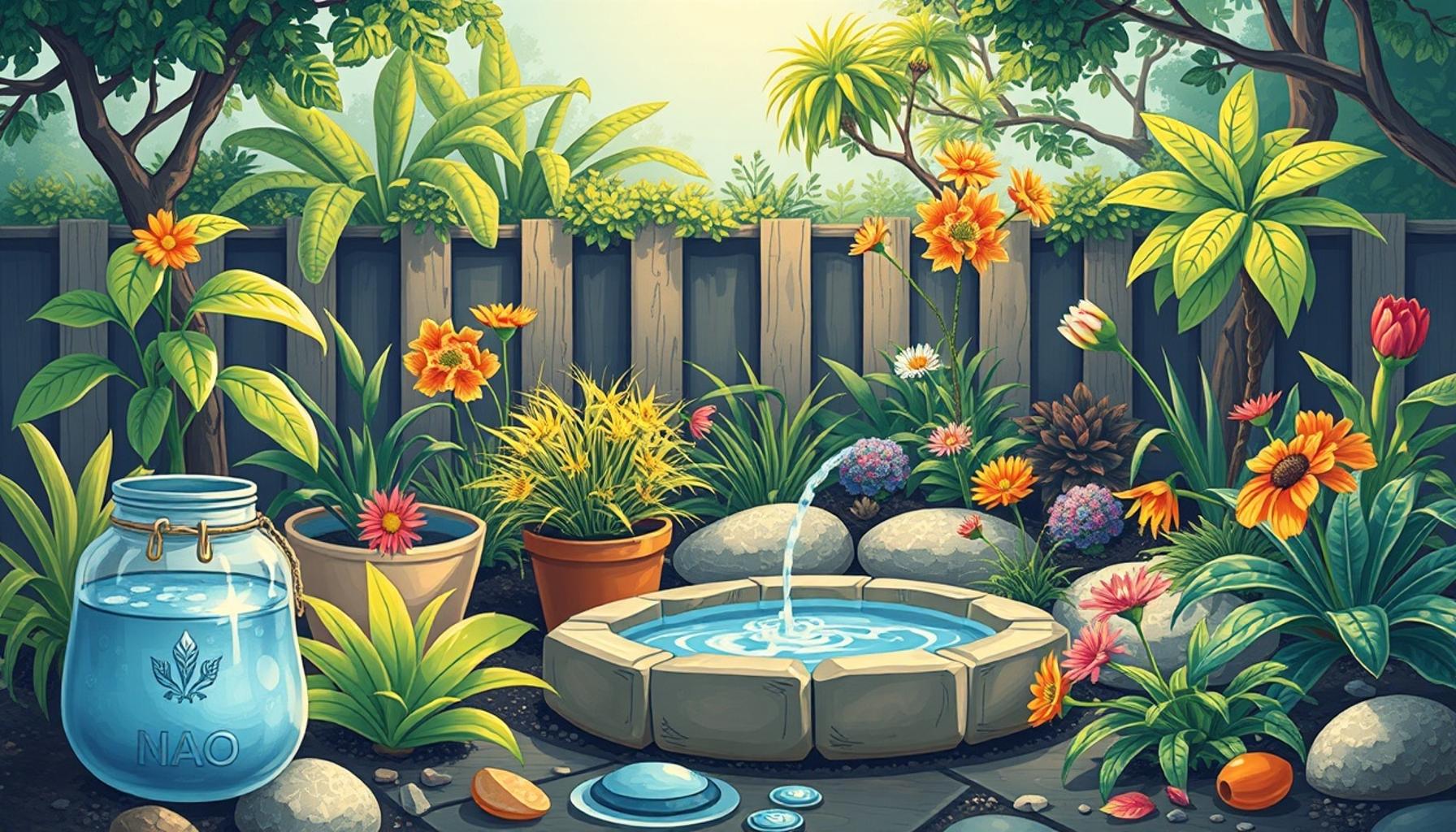
Incorporating water features such as ponds or fountains can be a game changer for your garden’s microclimate. The presence of water not only supports biodiversity but also impacts the garden’s humidity levels. Surrounding plants can benefit from the increased moisture, reducing the stress on them during hot periods. Furthermore, water bodies can reflect sunlight and help in cooling the surrounding areas, creating a more balanced environment.
Implementing Weather-Resistant Structures
Lastly, consider implementing structures like greenhouses or cold frames to extend your growing season. These constructions can trap heat during colder months, providing a more stable environment for plants that may struggle in variable conditions. Additionally, using row covers can protect seedlings from late frosts or excessive heat, further enhancing their capability to flourish in challenging climates.
| Advantages | Details |
|---|---|
| Enhanced Plant Health | Creates stability in temperatures and moisture levels, allowing plants to thrive. |
| Biodiversity | Encourages various species to coexist, increasing resilience against pests and diseases. |
Integrating these strategies into your gardening practices will not only enhance the beauty of your space but also set the foundation for a sustainable and thriving ecosystem. As you experiment with creating microclimates, you’ll find new avenues to explore and a plethora of benefits to reap, transforming your garden into a nurturing sanctuary that stands firm against the rigors of weather fluctuations.
DISCOVER MORE: Click here to find the perfect plants for your climate
Advanced Techniques to Enhance Your Garden’s Microclimate
Once you have established a foundation for understanding and manipulating microclimates, you can explore advanced strategies to refine your garden’s environment further. By employing thoughtful techniques such as the introduction of windbreaks, selecting appropriate plant varieties, and engaging in companion planting, you can create a dynamic microclimate that enhances plant resilience against adverse weather conditions.
Windbreaks and barriers can play a pivotal role in modifying your garden’s microclimate. Areas exposed to harsh winds pose a threat to delicate plants and can lead to moisture loss. Consider planting hardy shrubs, trees, or erecting fences to create a buffer against strong gusts. Trees with dense foliage, such as pines or spruces, can serve as effective screens, slowing wind speeds and reducing water evaporation. Position windbreaks strategically on the north or northwest edges to protect your more sensitive plants from prevailing winds, safeguarding against desiccation and frost damage.
Another essential aspect to consider is plant selection. Choosing the right varieties that are well-suited to your microclimate can greatly influence your garden’s overall health. For example, if you live in an area that experiences extreme heat, consider heat-tolerant varieties like Bell Peppers and Eggplants—both are known to thrive under high temperatures and stress. Additionally, certain plants like Lavender and Thyme not only survive but flourish in arid conditions, making them excellent choices for drier microclimates. Conversely, for regions that are prone to cooler temperatures, select frost-resistant plants such as Brussels Sprouts and Kale, which can withstand chillier conditions while still providing a fruitful harvest.
Furthermore, the practice of companion planting can significantly enhance your garden’s overall microclimate. This method involves planting compatible species in proximity to achieve mutual benefits, such as pest control, pollination enhancement, and soil improvement. For instance, interspersing Basil with Tomatoes not only may improve flavor profiles but also aids in repelling pests like hornworms. Additionally, plants such as Nasturtiums can act as trap crops, drawing aphids away from your more delicate species. Such strategic placements can create a diverse environment that is better equipped to withstand environmental pressures.
Moreover, incorporating other structures, such as hoop houses or cold frames, can significantly extend the growing season for your plants while providing protection from extreme temperatures and unexpected weather changes. These structures can trap warmth and regulate humidity levels, creating a stable microclimate that nurtures seedling growth during colder months. For those in harsher climates, a small hoop house can transform your gardening schedule, allowing you to start planting earlier in spring and extend harvesting later into fall.
Natural elements such as rocks, boulders, and even artificial ponds can further enhance the heat retention and moisture levels of your garden. Strategically placing larger stones or boulders around the borders or within garden beds can absorb heat from the sun during the day and release it slowly at night, helping to regulate temperature for your plants. Similarly, ponds can foster a unique humid zone, particularly beneficial for plants that appreciate more moisture, creating a diverse and thriving environment.
As you explore these advanced techniques for creating microclimates in your garden, remember that the key is to understand and utilize the natural interactions between your plants and their immediate environment. By strategically combining these approaches, you can develop a highly adaptive and resilient garden that can thrive, regardless of the adverse weather conditions it may face.
DISCOVER MORE: Click here to find your perfect plants
Conclusion: Cultivating Your Garden’s Microclimate
Creating a microclimate in your garden is not just a tactical advantage; it’s a sustainable method to promote healthy plant growth despite the unpredictable weather conditions we face. By implementing the various techniques discussed, from introducing protective windbreaks and selecting climate-appropriate plant varieties to practicing effective companion planting, you can significantly increase your garden’s resilience. These strategies not only nurture the individual plants but also contribute to a balanced ecosystem that thrives on the natural interactions within it.
Moreover, utilizing structures like hoop houses and creating moisture-rich zones with elements like ponds and boulders can transform your gardening experience. This hands-on approach allows you to manage temperature variations and enhance moisture retention, making your garden an oasis of productivity, even in challenging conditions. As climate change continues to impact growing seasons and weather patterns, gardeners must adapt to ensure sustainability.
Ultimately, understanding your garden’s specific microclimate can unlock the potential for extraordinary growth, enabling you to harvest a bountiful yield, regardless of the adversity nature may present. Dive into the world of microclimates and explore how these methods can elevate your gardening practices, yielding healthier plants and a more vibrant garden ecosystem for years to come.