Integrating Beneficial Insects into Your Home Garden for Pest Control
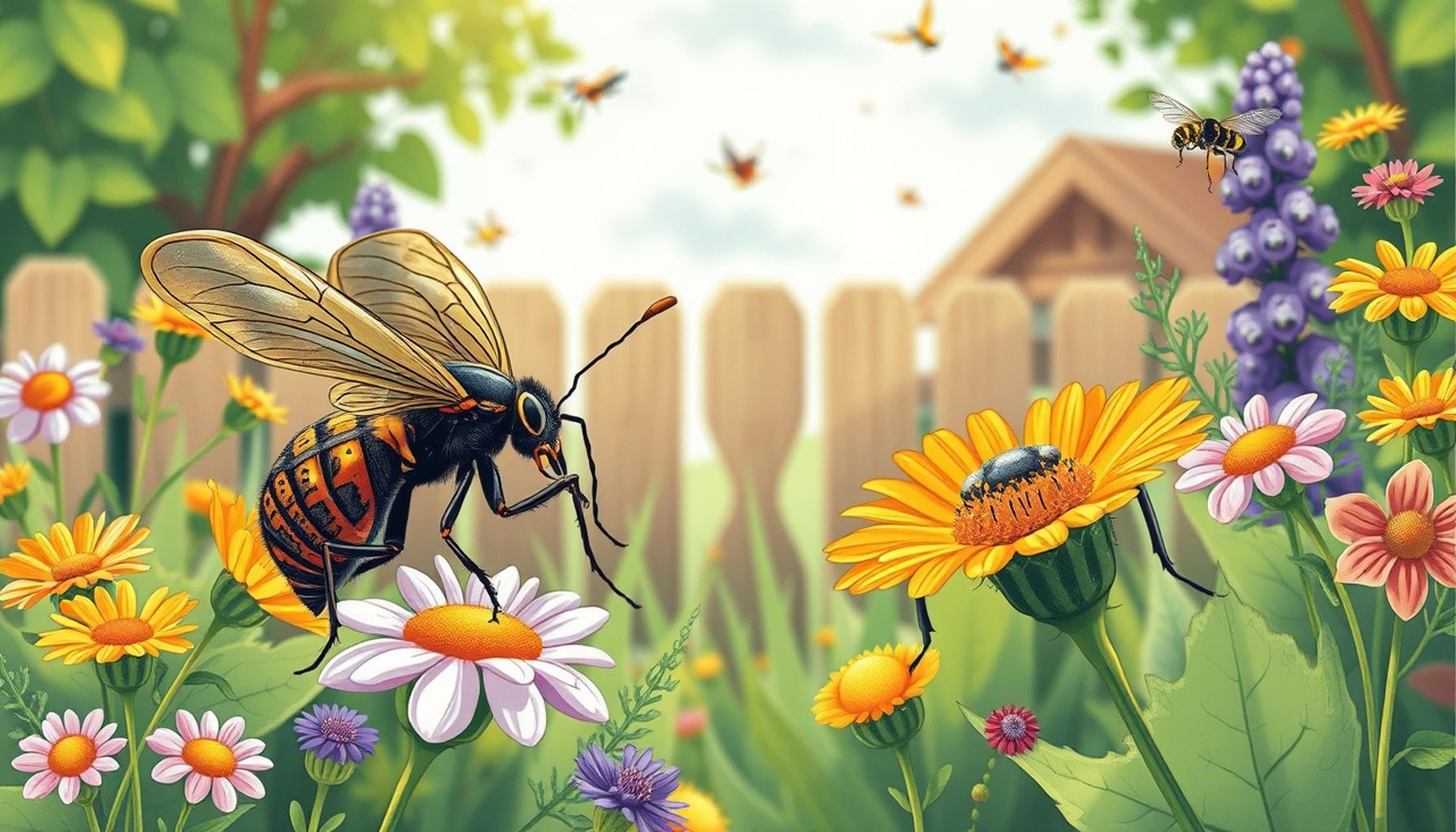
The Role of Beneficial Insects in Home Gardens
In the vibrant, ever-evolving ecosystem of a home garden, achieving harmony between plant health and pest control can often feel like an uphill battle. Pest populations, if left unchecked, can wreak havoc, jeopardizing not only the aesthetic appeal of your garden but also the health of your plants. Yet, instead of resorting to chemical sprays, many gardeners are embracing the concept of integrating beneficial insects as a natural remedy for these persistent problems. This growing trend not only champions environmental sustainability but also fosters a richer and more diverse garden ecosystem.
Advantages of Incorporating Beneficial Insects
The advantages of beneficial insects extend well beyond the act of simply keeping pests at bay. For example, predators like ladybugs, often referred to as ladybird beetles, are voracious consumers of aphids—the tiny pests notorious for damaging many plants. In fact, a single ladybug can consume upwards of 5,000 aphids throughout its lifetime. Similarly, larvae of lacewings can devour large quantities of aphids and other soft-bodied insects, making them invaluable allies in maintaining a healthy garden.
Another vital contribution of beneficial insects is their role in pollination. Bees, butterflies, and other pollinators are essential for the reproduction of many flowering plants. Their activity not only enhances the beauty of a garden but also significantly improves crop yields, especially for fruits and vegetables. Cultivating flowers like sunflowers, coneflowers, and lavender can attract these species, benefiting your garden’s productivity.
Moreover, many beneficial insects play crucial roles in soil enrichment. For instance, beetles and ants aerate the soil as they burrow, facilitating better water and nutrient absorption. Some insects even assist in decomposing organic matter, thus enriching the soil with vital nutrients necessary for robust plant growth.
Strategies to Attract Beneficial Insects
Successfully integrating these helpful allies requires some thoughtful planning. One effective method is to enhance plant diversity in your garden. By incorporating a mix of flowering plants, you can create a vibrant habitat that attracts a wide range of beneficial insects. Native plants, in particular, are a great choice since they are more likely to thrive in your local climate and naturally attract local pollinators.
Another approach is to provide shelter for beneficial insects. Consider adding insect hotels—structures designed to offer nesting and overwintering habitats—or simply preserving patches of wildflowers and tall grass. Establishing these safe havens can encourage insect populations to flourish.
Lastly, it is crucial to avoid harsh chemicals in your gardening practices. The use of synthetic pesticides can inadvertently harm beneficial insects alongside targeted pests. By adopting organic alternatives, such as neem oil or insecticidal soaps, you can maintain an effective pest control strategy while allowing beneficial insects to thrive.
A Sustainable Future for Gardens
As homeowners increasingly seek organic methods for managing their gardens, the use of beneficial insects presents an enticing alternative to traditional pest control measures. This approach not only addresses pest issues more sustainably but also reconnects us with the intricate webs of life that exist within our own backyards. The integration of beneficial insects into our gardens underscores a commitment to nurturing a balanced ecosystem—one that fosters biodiversity, plant health, and, ultimately, a thriving home garden.
DISCOVER MORE: Click here to learn how to protect your home and garden
Understanding Beneficial Insects: Nature’s Pest Control
The concept of utilizing beneficial insects as a natural form of pest control may seem unconventional to some, yet it is rooted in ancient agricultural practices. By embedding these tiny allies within your home garden, you can create a flourishing environment that repels harmful pests and promotes healthy plant growth. Understanding who these beneficial insects are and their specific contributions gives you a foundation for making informed gardening decisions.
Key Types of Beneficial Insects
To fully harness the power of beneficial insects, it’s essential to identify the key players in this intricate ecosystem. Here are some common beneficial insects and their roles:
- Ladybugs: Known for their distinctive red and black spotted shells, these beetles are fierce predators of aphids, scale insects, and even mites.
- Lacewings: With delicate green wings, lacewings are voracious eaters of aphids, thrips, and spider mites, especially in their larval stages.
- Parasitic Wasps: These tiny wasps are instrumental in controlling pest populations. They lay their eggs inside or on other pests, ensuring that future generations of harmful insects are kept in check.
- Ground Beetles: Active at night, these beetles prey on soil-dwelling pests such as slugs, caterpillars, and cutworms.
- Predatory Mites: These small but mighty predators target spider mites and other small pests, helping to manage populations before they surge out of control.
By familiarizing yourself with these species, you not only enhance your understanding of pest management but also develop a more nuanced approach to cultivating your garden.
Creating an Inviting Environment
Once you recognize the beneficial insects that can support your gardening efforts, the next step is to understand how to create an inviting environment for them. The right mix of plants, habitats, and practices can significantly improve your chances of attracting these allies. Here are some strategies to consider:
- Plant Diversity: Incorporate a variety of flowering plants to provide nectar and pollen sources. Flowers like dill, yarrow, and marigold not only beautify the garden but also serve as a magnet for beneficial insects.
- Native Flora: Opt for native plants, as they have co-evolved with local insect populations and are better suited to support them.
- Water Sources: Including shallow water dishes or small ponds can provide hydration for insects, encouraging them to roam in your garden.
- Minimal Disturbance: Limit soil disturbance and maintain patches of natural vegetation to safeguard the habitats of beneficial insects during their life cycles.
Understanding the essential elements that attract beneficial insects equips you with the tools necessary to cultivate a thriving ecosystem in your garden. By taking these steps, you not only enhance your garden’s resilience against pests but also create a haven for the vibrant insect life that promotes biodiversity.
| Category | Details |
|---|---|
| Natural Pest Control | Utilizing beneficial insects like ladybugs and lacewings helps maintain pest populations effectively without harmful chemicals. |
| Biodiversity Enhancement | Diversifying your garden by introducing various beneficial insects promotes a healthier ecosystem and fosters plant growth. |
Integrating beneficial insects into your home garden can significantly enhance your gardening experience while ensuring effective pest control. For example, ladybugs, known for consuming aphids and other soft-bodied pests, can be easily attracted to your garden by planting flowers that offer nectar and pollen. Similarly, lacewing larvae, often referred to as “aphid lions,” are voracious predators of several types of garden pests, providing a dual benefit of pest control and pollination. Additionally, by creating a habitat for these insects, such as using insect hotels or conserving native plants, you promote a biodiverse environment, which helps sustain a balanced ecosystem. This not only aids in the reduction of pests but also enhances plant resilience, ultimately leading to a thriving garden. The use of beneficial insects emphasizes natural balance, allowing you to avoid synthetic pesticides that can be harmful to both the environment and beneficial organisms.By embracing this approach in your home garden, you’ll find a synergy between plants and insects that can lead to more fruitful yields and a healthier growing environment. The integration of these friendly insects is not just beneficial; it’s essential for ecological gardening.
DISCOVER MORE: Click here to learn how home composting can minimize your carbon footprint
Enhancing Your Garden with Strategic Practices
As you endeavor to integrate beneficial insects into your home garden for pest control, adopting strategic practices can augment the efficacy of these valuable allies. These practices capitalize on the innate behavior of beneficial insects while ensuring they thrive within your garden environment. Let’s explore a few key methods that can be implemented to enhance your gardening efforts.
Companion Planting
Companion planting is a gardening strategy where specific plants are grown together to enhance growth, repel pests, or attract beneficial insects. For instance, planting marigolds alongside vegetables not only adds beauty but also emits a scent that deters aphids and nematodes, creating safe havens for ladybugs and lacewings to thrive. Similarly, planting nasturtiums as a border can lure aphids away from your more vulnerable plants, allowing beneficial insects to easily gather and control their populations.
Consider pairing herbs such as basil and rosemary with tomatoes. These herbs provide aromatic oils that can confuse pests while inviting polinators. The interplay of diverse plant species not only enriches your garden’s ecological framework but also fosters a more vibrant atmosphere for beneficial insects.
Organic Gardening Techniques
To encourage the presence of beneficial insects, transitioning to organic gardening techniques is paramount. Avoid using synthetic pesticides, herbicides, or fertilizers that can inadvertently harm or deter these allies. Instead, opt for organic pest control solutions such as neem oil or insecticidal soaps, which target specific pests without threatening beneficial insects.
Composting is another organic technique that helps improve soil health, promoting healthy plant growth and attracting beneficial organisms. Healthy plants are less susceptible to pest infestations, creating a balanced ecosystem. Additionally, incorporating natural soil amendments such as coffee grounds and worm castings can enhance soil fertility, encouraging beneficial insect activity.
Creating Shelter and Habitats
Beneficial insects require shelter to thrive, particularly as adults emerge from pupae or eggs. Providing shelter can significantly enhance the presence of these allies in your garden. Building insect hotels or leaving patches of vegetation undisturbed can create suitable habitats. For example:
- Insect Hotels: Construct multi-tiered habitats composed of hollow reeds, straw, wood, and small stones to provide nesting sites for solitary bees and other beneficial insects.
- Mulching: Organic mulches such as straw, leaves, or wood chips help maintain soil moisture while offering shelter for ground-dwelling beneficial insects.
- Wildflower Patches: Set aside a corner of your garden for native wildflowers. These areas not only attract beneficial insects but also contribute to the overall biodiversity and beauty of your space.
Emphasizing shelter and natural habitats ensures that beneficial insects can flourish year-round, providing continuous pest control capabilities.
By integrating practices such as companion planting, organic gardening, and habitat creation, you can effectively bolster the presence of beneficial insects in your home garden. These methods enable you to align with nature’s cycle, enhancing both pest control measures and overall garden productivity.
DISCOVER MORE: Click here to learn about sustainable irrigation techniques
Conclusion: Embracing Nature’s Allies in Your Garden
Integrating beneficial insects into your home garden for pest control is not just a clever strategy; it’s a profound shift towards working in harmony with nature. By utilizing companion planting, opting for organic gardening techniques, and creating sanctuaries for these insects, you can cultivate a thriving ecosystem that reduces pest populations while boosting plant health.
Realizing the importance of biodiversity, home gardeners can harness the power of natural pest controllers, such as ladybugs and parasitic wasps, to create a self-sustaining garden. The fascinating interaction between plants and insects demonstrates the balance of life within ecosystems that can ultimately result in a flourishing garden, free from harmful chemicals.
Moreover, as you embark on this journey of integrating beneficial insects, you may find yourself more attuned to the rhythms of nature, gaining newfound appreciation for the role these creatures play. Implementing simple practices, such as providing suitable habitats or utilizing natural soils, can significantly enhance the presence of these allies.
As you stand amidst your blossoming yard, take a moment to reflect on the vibrant life around you. By championing beneficial insects, you’re not only ensuring effective pest control but also fostering a more sustainable future for your garden and the environment. So roll up your sleeves, connect with nature, and let these tiny allies transform your gardening experience into a more rewarding, eco-friendly adventure.