
Emerging Trends in UX Design for 2024
The landscape of UX design is continuously evolving, shaped by technological advancements and changing user preferences. As we look towards 2024, several key trends are anticipated to redefine user experiences in notable ways. Understanding these trends will not only prepare designers and companies for the future but also enhance the overall user experience across digital platforms.
Here are some emerging trends to watch for:
- AI-Powered Design: Artificial intelligence is set to enhance personalization significantly, making interfaces more intuitive than ever. For instance, AI algorithms can analyze user behavior and preferences in real-time, allowing applications to adapt content and layout dynamically. Netflix and Spotify are already using such systems to customize the user experience, suggesting shows and music based on individual tastes.
- Darker Themes: The popularity of dark mode is gaining traction across platforms, appealing to users with its aesthetic and functional benefits. Not only does it provide a sleek and modern look, but it also reduces eye strain, especially in low-light conditions. Major brands like Twitter and Instagram have successfully implemented dark modes, improving user engagement by offering more comfortable viewing experiences.
- Micro-Interactions: These subtle animations, such as button animations or loading icons, serve as critical feedback mechanisms that enhance user engagement. For example, when a user likes a post on social media, a quick animation can illustrate that the action was successful, providing clarity and satisfaction. This trend is essential for maintaining user interest and improving overall interaction quality.
- Inclusive Design: As digital inclusion becomes a legal requirement, a greater focus on accessibility ensures that all users, regardless of ability, can navigate digital experiences with ease. Companies are adopting principles like the Web Content Accessibility Guidelines (WCAG) to make their platforms more usable. For instance, designing applications with screen reader compatibility not only benefits visually impaired users but also enhances usability for everyone.
These trends not only reflect aesthetic preferences but also aim to improve functionality and user satisfaction across various platforms. As companies strive to remain competitive in this ever-evolving market, understanding these shifts is crucial. For example, in 2024, businesses might invest more resources into user research and feedback loops to better adapt to changing preferences.
In the following sections, we will delve deeper into each trend, exploring their implications and examples that illustrate their potential impact in the coming year. This exploration will provide insights for UX designers, marketers, and businesses that seek to enhance their digital offerings and stay ahead of the curve.
DISCOVER MORE: Click here to learn about the impact of psychology on user experience
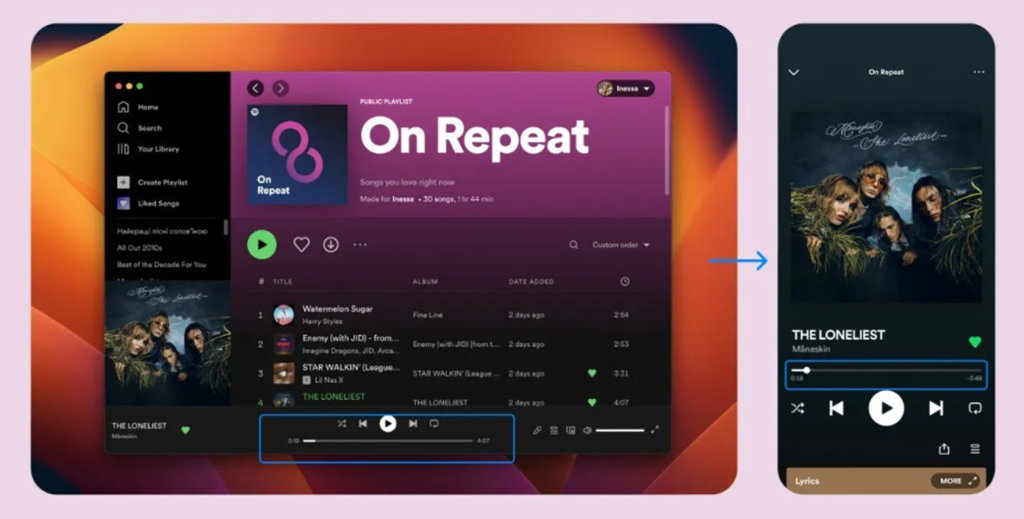
AI-Powered Design: The Future of Personalization
As we transition into 2024, one of the most transformative trends in UX design is undoubtedly the rise of AI-powered design. This technology is set to revolutionize how users interact with digital platforms, driving unmatched levels of personalization. AI algorithms have the capability to learn from user behaviors and preferences, dynamically adjusting the content and layout of applications. Consider how services like Netflix and Spotify have already harnessed AI to craft personalized recommendations based on viewing and listening habits. This predictive capability not only enhances user satisfaction but fosters deeper engagement with the product.
In 2024, we can expect more applications to implement AI-driven features, ranging from chatbots that provide instant assistance to automated design adaptations that respond to specific user needs in real-time. This trend promises to not only improve usability but also to create more personalized experiences that feel tailor-made for individual users.
Embracing Darker Themes: A Visual Shift
The growing popularity of darker themes marks a notable shift in user preference that will continue into 2024. Offering a modern aesthetic while significantly reducing eye strain, dark mode has become a highly sought-after feature across various platforms. Apps like Instagram and Twitter have successfully made this transition, leading to increased user engagement.
Beyond aesthetics, darker themes can also improve battery life on OLED screens, further incentivizing their adoption. As more businesses recognize the practical benefits of this visual style, we can anticipate a surge in designs that prioritize these themes, allowing users more customization options when it comes to their digital environments.
The Impact of Micro-Interactions on User Engagement
Micro-interactions, those subtle animations and design tweaks that guide users through their digital experiences, are emerging as a crucial aspect of UX design for 2024. These small, often overlooked elements greatly enhance user engagement by providing visual feedback and making interactions more enjoyable.
For instance, when a user taps a button to ‘like’ a post, a quick animation that confirms their action can not only reassure the user that their click was successful but also create a satisfying experience. As businesses recognize the significance of these interactions, we can expect them to invest more in creating thoughtful micro-animations that keep users engaged, making every interaction meaningful.
A Focus on Inclusive Design
With the push towards greater digital accessibility, we are witnessing a tangible shift towards inclusive design practices. In 2024, this trend is predicted to gain even more momentum as companies realize the importance of ensuring that all users, regardless of their abilities, can navigate their products effortlessly.
Adhering to guidelines such as the Web Content Accessibility Guidelines (WCAG) not only fulfills legal obligations but also broadens the user base while enhancing the overall experience for everyone. Features like screen reader compatibility and customizable text sizes will likely become standard practice, leading the way for a more inclusive digital landscape.
As businesses prepare for this coming era, it becomes increasingly imperative for UX designers to consider these elements when developing products and services. By prioritizing accessibility, companies stand to gain not only a more satisfied user base but also foster a sense of loyalty and trust within their communities.
As we examine these trends—AI-powered design, darker themes, micro-interactions, and inclusive design—it becomes clear that the UX landscape in 2024 is poised for exciting changes. In the subsequent sections, we will break down these trends in detail to uncover potential implications and emerging examples that highlight their importance.
UX Design Trends for 2024: What to Expect
As we navigate through 2024, several UX design trends are set to reshape the landscape of user experience. From emerging technologies to innovative methodologies, designers are continually challenged to create more engaging and efficient experiences. Let’s explore some of the most significant trends that are poised to influence UX design this year.
| Category 1 | Category 2 |
|---|---|
| Personalization | Enhanced user experience through tailored content and interfaces based on individual preferences. |
| Voice User Interfaces (VUIs) | Integration of voice commands providing a more natural interaction, making navigation simpler and more intuitive. |
One of the key trends, personalization, is becoming essential as businesses seek to engage users more effectively. By leveraging data analytics, designers can create customized experiences that resonate with users, ultimately leading to increased satisfaction and loyalty.
Moreover, the rise of Voice User Interfaces (VUIs) is transforming how users interact with technology. By enabling voice commands, designers are providing a seamless and intuitive way to navigate, reducing friction and enhancing accessibility. As we move further into 2024, these trends will likely dominate discussions and implementations in the UX design community.
DISCOVER MORE: Click here for deeper insights
Voice User Interface: The New Frontier of Interaction
As we delve deeper into 2024, the evolution of Voice User Interfaces (VUIs) is shaping up to be a major UX design trend. With the proliferation of smart speakers, virtual assistants, and voice-activated applications, VUIs are becoming integral to how users engage with technology. According to a recent report by Statista, expectations indicate that the number of voice assistant users will surpass 8 billion globally by 2024. This statistic underscores the growing reliance on voice interactions in our daily lives.
Incorporating VUIs into design strategies allows for a more natural interaction experience, catering particularly to users who prefer hands-free control, whether it be navigating a mobile application while on the go or interacting with smart home devices. Designers can enhance usability by incorporating voice commands that guide users seamlessly through processes, reducing reliance on traditional input methods such as menus or buttons. Emphasizing conversational design that anticipates user needs, brands can create interfaces that feel more intuitive and personable.
Juliet Lights and Variable-Gravity Design
2024 is expected to see the incorporation of variable-gravity design practices—a term referring to the alteration of UI elements based on user interaction and context. This approach maximizes user comfort by adapting to how users perceive weight and motion within an interface. For example, a digital product could adjust the visibility and prominence of buttons or features based on user engagement, creating an experience that feels less cluttered and more tailored to each individual’s usage patterns.
Another rising trend tied to this concept is the idea of Juliet lights, named after the gentle glow that simulates ambient lighting, which has been shown to impact user mood and overall satisfaction. By utilizing soft color palettes and smooth animations in transitional UI elements, designers can create, not just functional interfaces, but also emotionally-driven experiences that resonate strongly with users’ other senses.
Content-First Approach: Prioritizing User Needs
In 2024, the content-first approach will gain traction as a pivotal design methodology, prioritizing user needs and the context of use over aesthetic flourishes. This involves organizing content in a way that ensures clarity and ease of access. By focusing on how content is categorized, presented, and navigated, designers will improve user experience significantly.
The push for a content-first design promises friendly interfaces that guide users logically through their journeys, addressing their requirements efficiently. Content audits and user research will become essential components of the design process, helping UX designers to develop information architectures that resonate with an increasingly discerning population. Expect platforms to embrace storytelling techniques that provide context while ensuring usability aligns with user intent.
The Rise of Biometric Authentication
As security concerns continue to rise, 2024 will likely usher in an increased reliance on biometric authentication, fundamentally changing how users interact with digital devices. This method leverages unique biological traits—like fingerprints, facial recognition, or iris scans—to streamline the login process, offering enhanced security and convenience.
Adopting biometric authentication not only simplifies the user experience but also addresses frustrations related to password fatigue and forgetfulness. With leading tech firms pushing boundaries in biometric technology, expect to see more apps integrating these solutions, creating a more secure, seamless, and engaging environment for interface navigation.
These trends—Voice User Interfaces, variable-gravity design, content-first methodologies, and biometric authentication—mark a promising evolution in the UX landscape. Each will harness technology to facilitate more personalized and engaging digital experiences, setting the tone for a future where design and interaction intertwine harmoniously.
DISCOVER MORE: Click here to learn how psychology shapes user experience
Looking Ahead: The Future of UX Design
As we navigate into 2024, it’s clear that UX design trends are evolving at a rapid pace, driven by technological advancements and shifting user expectations. The integration of Voice User Interfaces signifies a move towards intuitive, hands-free interaction, making technology more accessible to users across diverse demographics. Coupled with variable-gravity design, interfaces will become increasingly personalized, adapting to user engagement and enhancing overall experience.
The content-first approach will further transform web and app design, allowing for a seamless flow of information tailored to user needs. This shift emphasizes clarity and easy navigation, aligning with the heightened demand for user-centric content. As security becomes paramount, the rise of biometric authentication will redefine how we engage with our devices, prioritizing both convenience and safety.
Each of these trends underscores a larger theme: the prioritization of user experience through innovative design. Brands and designers must remain vigilant, embracing these trends to stay ahead in an increasingly competitive digital landscape. By understanding and implementing these emerging strategies, businesses can foster deeper connections with their audience, ensuring that their interfaces not only meet user needs but also resonate on an emotional level.
As we move forward, the synergy of technology and design will play a crucial role in shaping our interactions with digital ecosystems. Keeping an eye on these trends will be vital for anyone looking to thrive in the world of UX design in 2024 and beyond.
Related posts:
The Role of Data Analysis in Personalizing the User Experience
The Impact of Intuitive Navigation on User Retention in Apps
The Importance of User Feedback in Improving the Experience in Tech Apps
How Augmented Reality Can Transform User Experience in Applications
How Responsive Design Impacts User Satisfaction in Applications
Strategies for Creating Effective Microinteractions in Mobile Applications

Beatriz Johnson is a seasoned tech writer and digital tools expert with a passion for simplifying the complexities of technology and mobile applications. With over a decade of experience in the tech industry, she specializes in topics like productivity apps, software reviews, and emerging digital trends. Through her work, Beatriz empowers readers to make informed technology choices and stay ahead in the ever-changing world of apps and innovation.