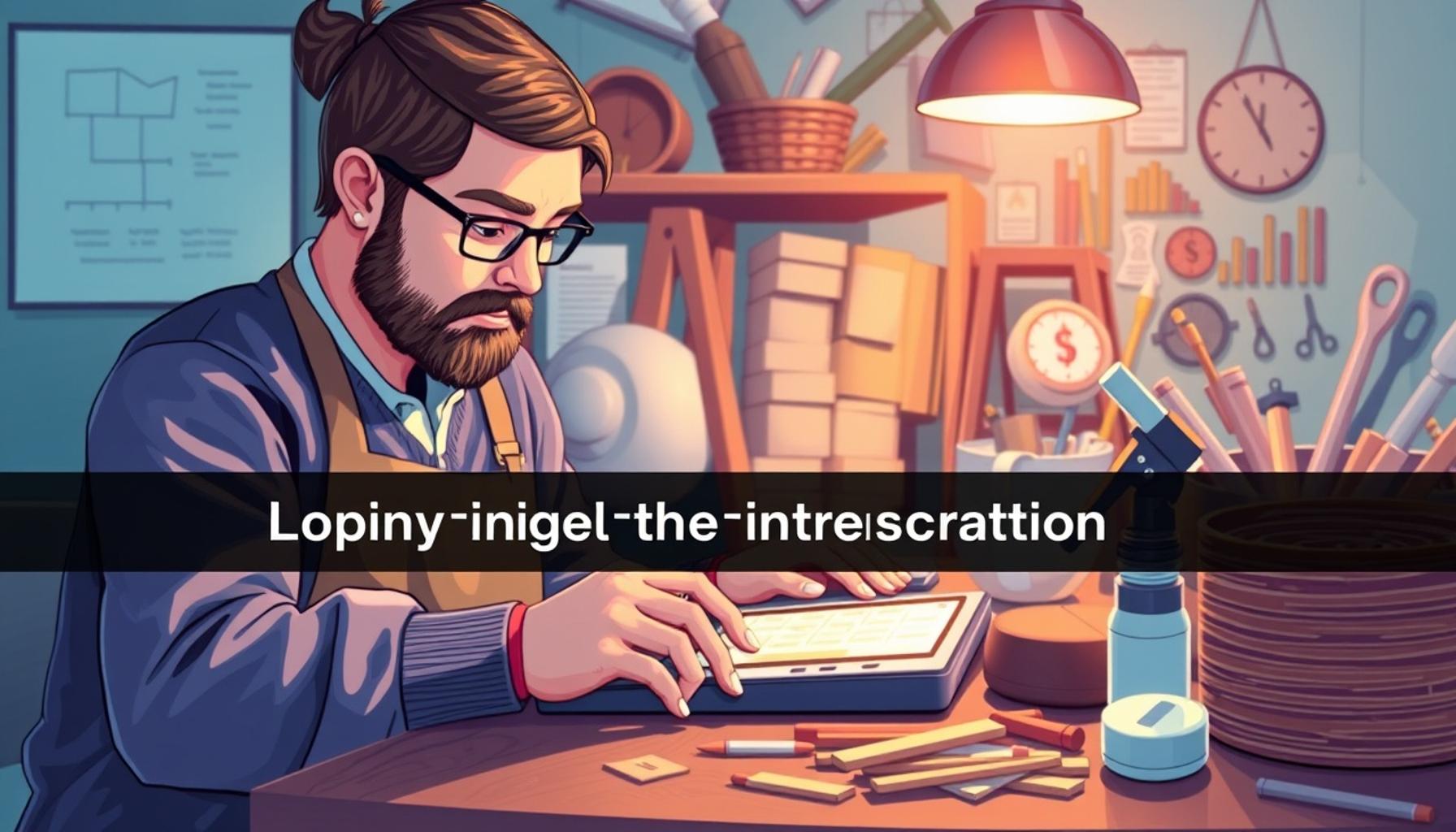
The Therapeutic Benefits of Craft Skills: How Hands-On Creativity Fosters Resilience and Coping Mechanisms

The Intersection of Creativity and Mental Health
Engaging in craft skills offers more than just a creative outlet; it can serve as a powerful therapeutic tool. As individuals navigate the complexities of modern life, hands-on creativity has been recognized for its potential to enhance resilience and improve coping mechanisms. In a world increasingly marked by stress and rapid change, finding ways to maintain mental well-being is crucial. Creative activities can be an essential component of this pursuit.
- Crafting reduces stress: Activities like knitting, painting, or woodworking can lower anxiety levels significantly. For example, studies show that engaging in repetitive crafting tasks can help lower heart rates, creating a calming effect akin to mindfulness meditation. One participant in a knitting group reported feeling a notable decrease in anxiety after dedicating just an hour each week to this activity.
- Boosts self-esteem: Completing a craft project enhances feelings of accomplishment and can boost self-confidence. Many find joy in producing tangible results from their efforts, such as a handmade scarf or a beautiful piece of furniture. The satisfaction derived from seeing or using one’s creations can lead to a greater sense of identity and purpose.
- Social connections: Group crafting can foster community and reduce feelings of isolation. Classes or workshops provide not only the opportunity to learn new skills but also to connect with others who share similar interests. This communal aspect can be particularly valuable for seniors or those who may feel disconnected from their social networks.
Research indicates that the act of creating can activate areas of the brain associated with emotion regulation. The repetitive movements involved in crafting can mimic the effects of mindfulness, helping to clear the mind and focus on the present moment. Such activities facilitate a form of mental escape, allowing individuals to step away from their worries and engage in something productive and fulfilling.
Insights into Crafting as Therapy
Various studies show that certain craft activities can yield remarkable psychological benefits, such as:
- Enhanced cognitive function: Learning new skills promotes neuroplasticity, meaning the brain can adapt and form new connections. This is particularly beneficial for older adults, who can combat cognitive decline through activities like painting or model-building.
- Improved mood: Crafts can trigger the release of dopamine, enhancing overall well-being. This ‘feel-good’ hormone is often associated with feelings of pleasure and reward, making crafting an effective antidote to low mood and depression.
- Expressive therapy: Art can serve as a medium for processing emotions and traumas. For instance, expressive painting allows individuals, particularly those coping with grief or loss, to visualize their feelings, leading to deeper understanding and emotional release.
As more individuals turn to craft skills as a means of coping with daily challenges, understanding these therapeutic benefits becomes crucial. From community art classes in urban centers to solo projects crafted at home, the potential of art therapy continues to gain recognition in mental health conversations. This article will explore the profound impact of creativity on mental health and resilience, encouraging readers to delve deeper into how creative expression can enhance their lives.
DIVE DEEPER: Click here to discover how creativity fuels mental wellness
The Therapeutic Impact of Crafting on Emotional Well-Being
Craft skills, whether through knitting, pottery, or woodworking, serve as invaluable tools in promoting emotional well-being. The tactile nature of these activities engages multiple senses, creating a holistic experience that not only focuses on creativity but also enhances psychological resilience. The therapeutic benefits of crafting are increasingly being recognized in both community settings and mental health professionals’ practices across the United States.
As people face mounting pressures in their daily lives, crafting emerges as a practical and accessible method for managing stress and anxiety. An overwhelming amount of evidence suggests that hands-on creativity acts as a form of therapy. Individuals who indulge in these activities often report feeling a significant sense of relief from daily stressors.
- Creative expression as a coping mechanism: Art therapy, including crafting, provides individuals with the opportunity to translate complex emotions into tangible creations. For instance, someone recovering from trauma may find solace in creating a scrapbook that illustrates their journey, helping them process difficult experiences.
- The power of routine: Engaging in regular crafting can foster a sense of routine and stability. For many, setting aside time for these activities adds a comforting structure to their day, which can be especially beneficial in times of uncertainty.
- Mindfulness through making: The focus required during crafting engages the mind in a way that promotes mindfulness. As individuals immerse themselves in the act of creating, they often enter a meditative state, reducing negative thought patterns and creating an overall sense of peace.
Numerous studies have confirmed the link between crafting and improved mental health. Research conducted by the American Craft Council indicated that over 70% of participants in craft workshops experienced a reduction in symptoms of anxiety and depression. The mechanics of craft engagement—such as choosing materials, following a pattern, or improvising—help individuals to regain a sense of control over their lives.
The Science Behind Crafting and Mental Health
The psychological benefits of crafting can be largely attributed to neurological responses that occur when individuals engage in creative activities. These benefits include:
- Decreased cortisol levels: Engaging in craft skills has been linked to lower levels of cortisol, the hormone most associated with stress. This physiological response demonstrates how crafting can serve as a buffer against the anxieties of daily life.
- Activation of reward pathways: The act of crafting stimulates the brain’s reward system, leading to the release of dopamine. As mentioned earlier, this chemical is linked to feelings of pleasure, creating a positive feedback loop that fosters ongoing engagement in creative activities.
- Cognitive engagement: Crafting can improve various cognitive functions, including memory and concentration. The problem-solving involved in crafting tends to challenge the mind, encouraging adaptation and flexibility in one’s thought processes.
With these powerful benefits in mind, it’s no wonder that crafting has gained traction as a therapeutic approach for individuals seeking to enhance their resilience and coping mechanisms. By embracing craft skills, individuals not only cultivate creativity but also nurture their mental health in a meaningful way. Whether through group settings or solitary endeavors, the art of making and creating can lay a foundation for deeper emotional connections and a renewed sense of well-being.
The Therapeutic Benefits of Craft Skills: How Hands-On Creativity Fosters Resilience and Coping Mechanisms
Crafting engages individuals on a sensory level, providing an enriching experience that extends beyond mere hobby. By channeling emotions into tangible creations, participants experience tangible relief from stress and anxiety. Engaging in hands-on activities has been linked to enhanced mental health, offering a reprieve from daily pressures and fostering a sense of achievement.
Moreover, the repetitive nature of many craft skills, such as knitting or woodworking, has a meditative quality. This rhythm can create a calming effect, similar to practices like mindfulness and meditation, which are well-known for their psychological benefits. The focus required during production helps distract from negative thoughts, allowing individuals to cultivate a more positive mental state.
Additionally, crafting often leads to social connections, whether through group workshops or online communities. These interactions can further bolster resilience, offering support and encouragement. The collaborative nature of many crafting pursuits breeds camaraderie, fostering a sense of belonging that is vital for emotional health.
Furthermore, numerous studies suggest that the act of creating can boost self-esteem. As individuals refine their skills, they gain confidence in their capability, translating to enhanced emotional resilience in face of life’s challenges. Ultimately, the art of crafting not only serves as a creative outlet but also as a powerful tool in developing coping mechanisms that enhance overall well-being.
| Advantage | Description |
|---|---|
| Stress Relief | Crafting provides a distraction from daily stressors, leading to a reduced anxiety level. |
| Enhanced Self-Esteem | Achieving tangible results from crafting boosts confidence and self-worth. |
| Social Connections | Participating in group crafting activities fosters community and support. |
Given these factors, the integration of craft skills into therapeutic practices seems not only beneficial but essential, highlighting their value in promoting mental well-being and equipping individuals with tools for resilience.
DISCOVER MORE: Click here to learn how creativity boosts well-being
Crafting as a Community Builder and Support System
Beyond the individual benefits of creativity, crafting also plays a significant role in fostering community connections and building supportive networks. The communal aspect of crafting can be seen in various settings—such as local knitting circles, pottery classes, or woodworking workshops—where individuals gather not only to create but also to share stories, struggles, and triumphs. These interactions form the backbone of a supportive environment that cultivates resilience and coping strategies.
Social interaction and emotional support: When individuals engage in crafting groups, they participate in a unique form of social interaction that promotes emotional solidarity. During these gatherings, the shared pursuit of creativity reflects the human experience, allowing individuals to connect over common challenges. Research shows that socialization can mitigate feelings of loneliness and depression, which are often exacerbated during stressful periods. These interactions provide emotional support that enhances well-being, making crafting a unique avenue for healing.
Skill-sharing as a tool for empowerment: In crafting environments, the act of sharing skills can empower individuals. By teaching others how to knit or create pottery items, participants elevate their own self-esteem while fostering a sense of belonging. Skill-sharing enhances not only individual confidence but also encourages a culture of collaboration and support. As individuals feel more capable and valued, they develop resilience, allowing them to cope more effectively with life’s challenges.
Crafting in Therapeutic Settings
In recent years, many mental health professionals have begun incorporating crafting into therapeutic practices. Art therapy programs have emerged in hospitals, rehabilitation centers, and community mental health facilities, focusing on hands-on creativity as a means to improve patient outcomes. The incorporation of craft skills has been shown to decrease anxiety levels while enhancing communication and social skills.
- Engagement in recovery: For individuals recovering from addiction or mental health issues, crafting provides an avenue for personal expression and engagement. Programs like the “Crafting for Recovery” initiative promote creativity as a way to reestablish a sense of agency, enabling individuals to utilize their hands to create rather than resort to self-destructive behaviors.
- Targeted therapeutic practices: Occupational therapists increasingly utilize crafting within sessions to help patients regain motor skills and cognitive functions following injuries or surgeries. These therapeutic practices highlight how creative activities can help individuals not only heal physically but also emotionally, reinforcing their journey toward recovery.
Data from various studies indicate that crafting significantly impacts individuals’ emotional health. According to a survey by the American Craft Council, over 80% of participants reported that crafting improved their mood, while nearly 90% stated it provided a welcomed distraction from daily stressors. Such findings highlight the essential nature of crafting as not just a pastime, but as a legitimate therapeutic tool that empowers individuals to cultivate resilience and develop effective coping mechanisms.
As crafting becomes increasingly integrated into therapeutic practices, more individuals will likely experience the profound benefits it offers. By engaging in hands-on creativity, people not only foster their emotional well-being but also build skills that can serve them throughout their lives. Whether through building meaningful connections or reestablishing their sense of control, the world of craft skills is truly a gateway to personal growth and resilience.
DISCOVER MORE: Click here to learn about the evolution of DIY crafting
Embracing the Healing Power of Craft
The intersection of craft skills and mental well-being offers a compelling narrative on how hands-on creativity can serve as a catalyst for resilience and effective coping mechanisms. Engaging in creative activities not only provides individual fulfillment but also enhances our capacity to share experiences and build community connections. Crafting is more than an enjoyable pastime; it is a therapeutic avenue that addresses emotional needs, fosters social bonds, and ultimately promotes mental health.
As detailed throughout this exploration, the benefits of crafting extend into therapeutic settings, where it is increasingly recognized as an invaluable tool in mental health recovery. Programs focusing on skill-sharing and community crafting empower participants by instilling a sense of agency and belonging. The therapeutic advantages demonstrated by numerous studies underscore crafting’s potential to improve mood and reduce anxiety, indicative of its significant role in contemporary mental health practices.
With the growing acknowledgment of the therapeutic benefits of craft skills, individuals seeking resilience in their everyday lives may find that embracing creativity opens new pathways to healing. As more people engage in crafting, whether alone or in community settings, they cultivate not only their skillset but also their emotional resilience, underscoring the importance of creativity in our collective human experience. Therefore, it becomes essential for society to embrace and foster these creative outlets, recognizing them as vital components of holistic well-being in today’s fast-paced world.
Related posts:
The Evolution of DIY Crafting: From Traditional Skills to Modern Innovations
The Impact of Craft Skills on Personal Identity and Expression
The Rise of Sustainable Crafting: Eco-Friendly Materials and Techniques
The Role of Craft Skills in Preserving Cultural Heritage
Exploring the Intersection of Technology and Crafting: Digital Tools for Traditional Skills
Crafting for Mental Health: How Creative Hobbies Enhance Well-being

Beatriz Johnson is a seasoned creative enthusiast and writer with a passion for simplifying the intricacies of artistic hobbies and DIY projects. With over a decade of experience exploring various creative fields, she specializes in topics like crafting, painting, and innovative DIY techniques. Through her work, Beatriz inspires readers to unleash their creativity, try new artistic endeavors, and stay inspired in the ever-evolving world of creative hobbies.