The Influence of Music on Visual Arts: Harmonizing Creative Expression
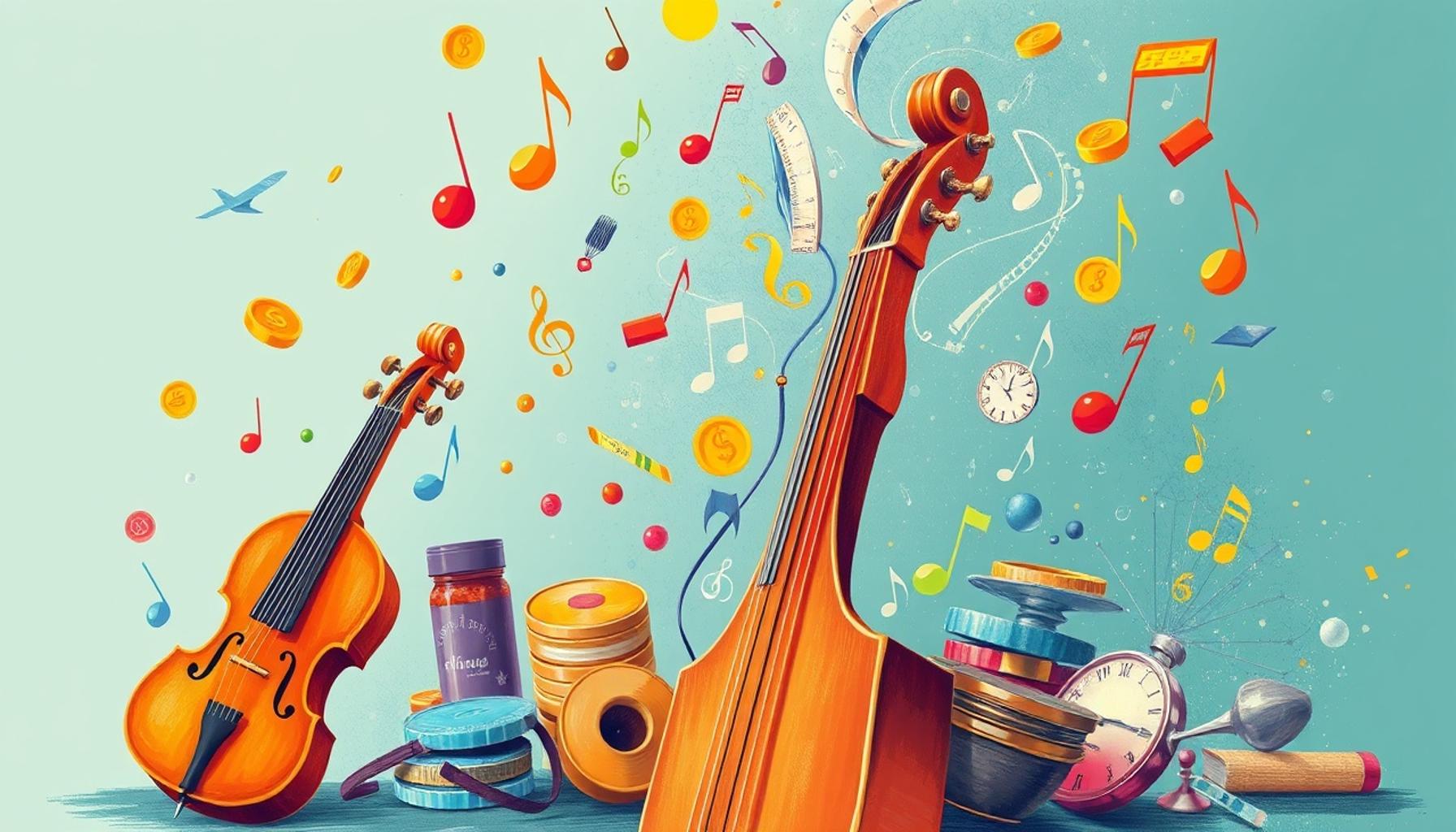
The Interplay Between Music and Visual Arts
Music has long been regarded as a powerful form of expression, capable of evoking emotions and sparking creativity. The interaction between music and visual arts creates a unique landscape where sounds inspire colors, shapes, and forms. This dynamic relationship not only enriches the artistic experience but also offers deep insights into the minds of creators. By examining this interplay, one can see how diverse artistic expressions can communicate complex ideas and feelings, transcending the boundaries of their respective mediums.
Throughout history, artists and musicians have drawn inspiration from each other, leading to a cross-disciplinary fusion of creativity. Consider these compelling examples:
- Impressionist Painters: Artists like Claude Monet took cues from the melodic swells of contemporary music, imbuing their canvases with the same fluidity and light found in musical compositions. Monet’s use of vibrant colors and soft brush strokes often resembled the rhythmic patterns of melodies, creating an immersive experience where the viewer could almost “hear” the visual art.
- Abstract Expressionists: Jackson Pollock and his peers frequently found their rhythm in jazz music. The improvisational nature of jazz inspired Pollock’s dripped paint technique, leading to artworks that pulsate with the energy of the music he revered. His pieces reflect not only a visual chaos but an aural experience, as if each stroke of paint was synced with the beats of a jazz ensemble.
- Contemporary Artists: Creatives like Sean Brown delve deep into the visual representations of musical compositions. His installations often incorporate audio elements, allowing viewers to experience music as a central theme that drives the visual narrative. For example, synesthetic art pieces can make a viewer ‘see’ the music in vibrant hues and dynamic forms, creating a multi-sensory experience.
This cross-pollination allows for a rich exploration of creativity and emotion. As we delve into this fascinating interplay, we’ll discover:
- The ways music influences artistic techniques and methods, such as how tempo and rhythm can guide the brush strokes of a painter.
- How visual arts capture the essence of musical genres. For instance, the visual aesthetic of psychedelic rock in the 1960s was characterized by swirling colors and intricate patterns, reflecting the music’s innovative and experimental spirit.
- The impact of specific musical movements on artistic trends, such as how the punk movement in music not only influenced fashion but also spurred a wave of street art that challenged societal norms.
Join us on this journey through time and creativity, uncovering how the two worlds of sound and sight harmonize to amplify creative expression. This exploration invites artists, musicians, and enthusiasts alike to consider the depth of their interactions and how these collaborations can lead to groundbreaking innovations in both fields. As we dive deeper into this rich tapestry, we will unveil the stories behind the connections, illuminating how sound and vision coexist as integral elements of human creativity.
DIVE DEEPER: Click here to discover the social benefits of group creative hobbies
The Rhythm of Creativity: How Music Shapes Artistic Techniques
As we explore the influence of music on visual arts, it is essential to consider how rhythm, tempo, and mood from musical compositions can help shape the very techniques artists employ in their work. The fluidity of sound can lead to unexpected innovations in color application, brushstroke patterns, and overall composition. For instance, a painter may find a lively jazz piece transforms their brushwork into a dance, using rapid, energetic strokes that mirror the improvisational flair of the music. This synergy highlights the fact that artistic creation is often a musical experience, where one medium enhances the other in profound ways.
Research has shown that listening to specific types of music can influence the pace and style of painting. A study conducted by psychologist Dr. Adeliya Rakhmatullina revealed that artists who listened to upbeat music produced more dynamic and spontaneous works compared to those who listened to classical or ambient genres. The emotional intensity conveyed through sound encourages artists to experiment, pushing the boundaries of their creative expression.
The Effect of Tempo on Artistic Techniques
Tempo, the speed at which music is played, has a significant impact on how artists approach their work. For example, artists may adopt a methodical tempo from classical music that allows for meticulous attention to detail, leading to intricate designs reminiscent of artists such as Albrecht Dürer. Conversely, when inspired by faster musical genres, like punk rock or heavy metal, artists often embrace spontaneity, yielding explosive designs and unrestrained creativity.
Here are some ways music influences artistic techniques:
- Brushstrokes and Movement: Just as a conductor gestures to bring harmony among musicians, a painter can let the rhythm guide the movement of their brush, allowing the music to dictate the flow of their work.
- Color Palette Selection: The emotional undertones of a piece can lead an artist to choose certain colors that resonate with the music’s mood, creating a visual landscape that reflects auditory feelings.
- Layering Techniques: Inspired by the complexity of orchestration in music, artists can learn to layer colors and textures, resulting in compositions that convey depth and richness akin to a musical score.
This intersection between music and visual arts not only enriches the individual creative process but also invites audiences to engage with art in multifaceted ways. For viewers, understanding the influence of music on the visual properties of a piece can deepen the experience of looking at art, transforming mere observation into a form of auditory imagination. The presence of sound in the creative process opens up a dialogue through which both artist and audience can share in the celebration of expressive freedom.
As we continue to explore this intricate relationship, we will see how specific musical genres have inspired various artistic traditions, creating lasting impacts that resonate through time and across cultures.
The Impact of Soundscapes on Visual Creation
The relationship between music and visual arts extends far beyond mere aesthetic enjoyment; it delves into the realms of creative synergy. Artists often describe music as a catalyst that sparks their imagination, influencing their color palettes and thematic choices. Soundscapes can evoke emotions that translate into visual expressions, allowing artists to harness these sensations to enhance their work.One notable example is the use of synesthesia, a condition where the stimulation of one sensory pathway leads to automatic, involuntary experiences in a second sensory pathway. Many artists, like Vincent van Gogh, have credited music for their visual styles. Van Gogh famously painted “Starry Night” while encompassing melodies that influenced his swirling skies. Moreover, modern installations often incorporate music as an essential component of the experience, inviting audiences to engage with the visual aspects in an immersive environment. Artists such as Olafur Eliasson and Janet Cardiff have experimented with the fusion of sound and art, creating pieces that compel viewers to respond emotionally and intellectually.The significance of this intersection is not only in enhancing aesthetic appreciation but also in fostering collaborative projects that push the boundaries of creativity. Joint exhibitions that merge musical performances with visual displays attract diverse audiences and stimulate discussions about the interplay of different artistic mediums. This evolution in artistic expression invites both artists and viewers to explore new dimensions of creativity, engaging senses in ways that stimulate deeper understanding and appreciation of art.As the dialogue between music and visual arts continues to evolve, so does the potential for innovative expressions that challenge traditional paradigms. The exploration of this artistic fusion is boundless, paving the way for future generations to witness and participate in a vibrant cultural tapestry woven with sound and sight.
| Category | Advantages |
|---|---|
| Emotional Connection | Music evokes feelings that can enhance the emotional depth of visual art. |
| Enhanced Creativity | The combination of sound and sight stimulates innovative ideas and artistic techniques. |
DIVE DEEPER: Click here to discover the therapeutic benefits
The Harmony of Genres: Cross-Pollination Between Music and Visual Arts
Continuing our exploration of the influence of music on visual arts, it is vital to recognize how specific musical genres have not only shaped artistic styles but also helped create distinct movements within the visual arts world. From the vibrant hues of the Impressionists to the bold lines of Abstract Expressionism, musical influences frequently echo across canvas and medium.
Jazz and the Evolution of Abstract Expressionism
One of the most profound relationships between music and visual art is seen in the pioneering work of the Abstract Expressionists in the mid-20th century. Artists like Jackson Pollock and Willem de Kooning drew significant inspiration from jazz musicians who encapsulated the spirit of improvisation. Pollock’s famous drip paintings resemble a jazz performance—a series of spontaneous movements that are as rhythmic as the music itself. Understanding this connection expands our appreciation of his artwork as a musical score written on canvas.
Moreover, jazz’s improvisational nature encouraged artists to liberate themselves from traditional boundaries. The result was a dynamic shift towards a more personal expression, reflecting the freedom found in both music and art. As artists listened to the syncopated beats and vocal stylings of jazz, they became empowered to delve into their emotional landscapes, mirroring the music’s complexity in their visual translations.
The Impact of Folk Music on Cultural Representations
On the other end of the spectrum, folk music has played a significant role in representing cultural identities through visual arts. Traditional folk songs often highlight narratives that relate to everyday life, struggles, and celebrations. Artists who immerse themselves in these sounds tend to depict themes that resonate with the folklore of their communities. For example, the Mexican muralists of the early 20th century, such as Diego Rivera, often integrated elements of folk music into their artwork, emphasizing collective memory and cultural pride through vibrant murals that sang stories in visual form.
The infusion of folk melodies brings a sense of authenticity to the visual landscape, as artists draw on their heritage, evoking collective emotions through color and form. The combination of cultural storytelling through music and art creates a powerful resonance that strengthens community bonds.
Music as a Muse for Modern Digital Artists
In the age of technology, the relationship between music and visual arts continues to evolve, with modern digital artists finding new outlets for artistic expression. Genres like electronic dance music (EDM) have influenced vibrant, interactive installations that evoke the pulsating energy of music festivals. Digital artists utilize software to mirror the beats and melodies in their visual compositions, creating immersive experiences that engage multiple senses. For instance, cutting-edge installations at art shows like the Coachella Music and Arts Festival combine live music with synchronized visual projections, inviting audience participation and creating a unique intersection of sound and sight.
This dynamic intertwining of music and digital art reveals how technological advancements have broadened the spectrum of creative expression. Artists can now collaborate across mediums, fusing genres to explore new artistic horizons that engage contemporary audiences in exciting ways.
Ultimately, as we delve further into the impacts of music on visual arts, we uncover not just a relationship between two expressive forms, but a multifaceted dialogue that underscores the ever-evolving nature of creativity itself.
DIVE DEEPER: Click here to discover the fusion of nature and art
Bridging the World of Sound and Vision
In conclusion, the intertwining of music and visual arts showcases the limitless potential of creative expression. Throughout history, various musical genres have significantly influenced artistic movements, shaping the visual landscape in diverse ways. Artists, from the improvisational brushstrokes of Abstract Expressionists like Jackson Pollock to the culturally rich murals of folk artists like Diego Rivera, have reaffirmed that sound can be as vital as sight in the creative process.
As we move into a digital age characterized by rapid technological advancements, the dialogue between music and visual arts continues to flourish. Contemporary artists are embracing new tools and mediums, employing genres such as electronic dance music (EDM) to create interactive installations that not only captivate audiences but also immerse them in a sensory experience that transcends traditional boundaries. This evolution signals a promising future where collaboration between disciplines can yield innovative expressions that resonate with our increasingly interconnected world.
Ultimately, understanding the influence of music on visual arts invites us to explore the deeper emotional connections these forms can create. As viewers and participants, we are challenged to engage with both music and art in richer, more meaningful ways. By appreciating these harmonized expressions, we not only enhance our understanding of each medium but also embrace a holistic view of creativity as a bridge between cultures, experiences, and emotions. The ever-evolving symphony of artistic expression continues to inspire and invite us into its vibrant world.
Related posts:
Exploring Different Mediums: From Painting to Digital Art in Artistic Expression
Art as a Language: How Creative Hobbies Foster Communication Across Barriers
The Role of Humor in Artistic Expression: Finding Joy Through Creative Hobbies
Crafting Narratives: The Role of Storytelling in Artistic Expression
The Intersection of Nature and Art: Exploring Environmental Themes in Creative Expression
The Role of Art in Cultural Identity: Celebrating Diversity Through Creative Expression

Beatriz Johnson is a seasoned creative enthusiast and writer with a passion for simplifying the intricacies of artistic hobbies and DIY projects. With over a decade of experience exploring various creative fields, she specializes in topics like crafting, painting, and innovative DIY techniques. Through her work, Beatriz inspires readers to unleash their creativity, try new artistic endeavors, and stay inspired in the ever-evolving world of creative hobbies.