The Influence of Music on Improving Artistic Skills in Young Creators
The Intersection of Musical Influence and Artistic Development
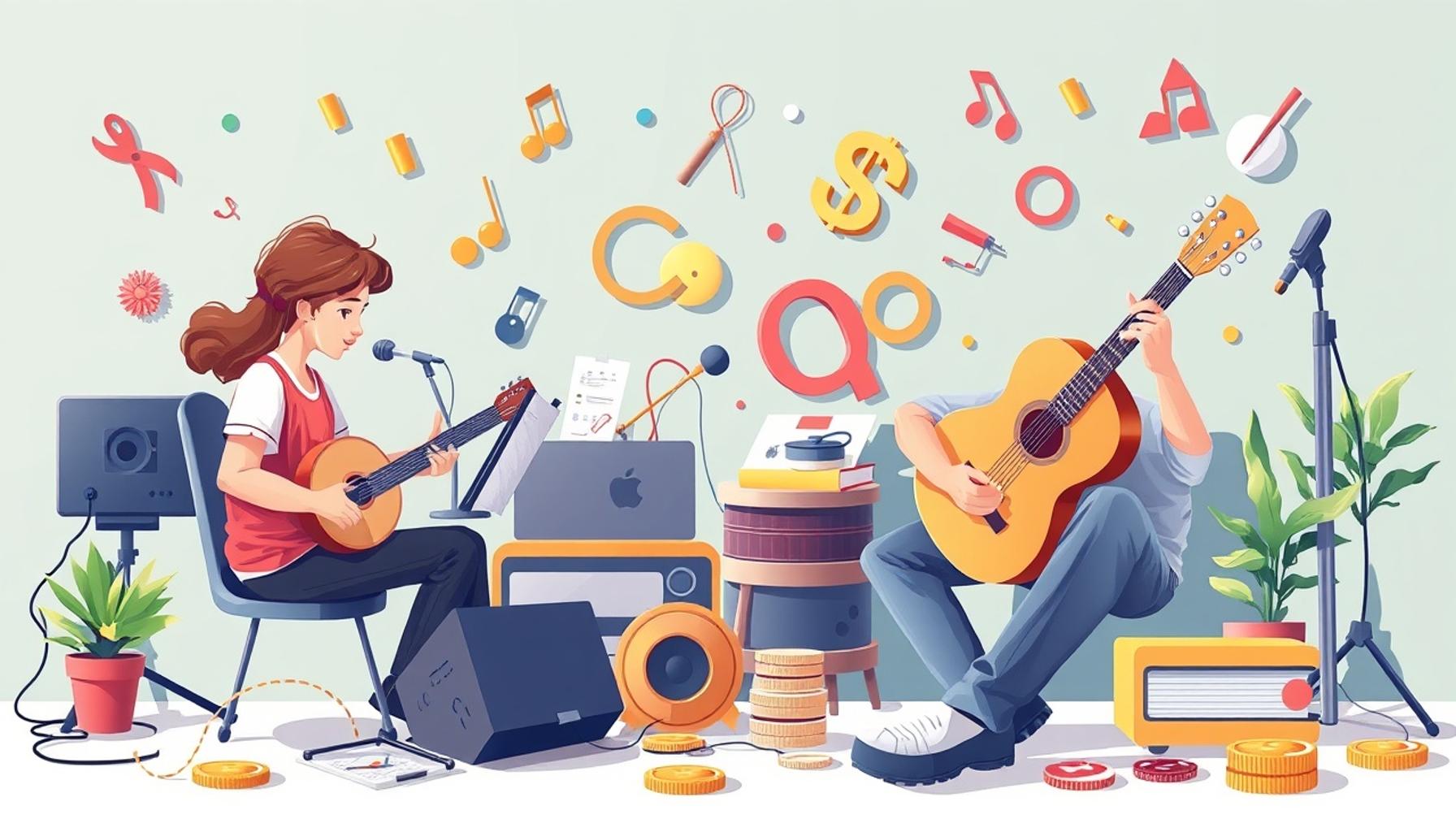
The transformative power of music is a multifaceted phenomenon that greatly extends beyond simple enjoyment. In particular, music plays a pivotal role in nurturing creativity, serving as a catalyst for artistic exploration. Research supports a clear connection between musical training and enhanced artistic skills, especially among young creators. This intermingling of auditory stimulation and visual expression can lead to significant advancements across multiple artistic disciplines, fostering an environment ripe for innovation and creativity.
Today’s young artists are increasingly harnessing the inspiration drawn from music, leading to enriched creative processes. The benefits can manifest in a multitude of ways:
- Enhanced Focus: For many, music acts as a powerful concentration aid, creating a dedicated atmosphere that allows artists to immerse themselves completely in their work. For example, visual artists often report that specific genres, such as classical or ambient music, help them tune out distractions and maintain their focus during lengthy creative sessions.
- Emotional Expression: The act of creating art while listening to music fosters deeper emotional engagement. Artists may find that they can translate their feelings—be they joy, sorrow, or longing—into visual forms, heightened by the emotional cues embedded in the melodies and harmonies. This synergy allows for a profound connection between the emotional state of the artist and the artwork they produce.
- Improved Rhythm and Flow: Familiarity with musical concepts such as tempo, beat, and dynamics enhances artists’ awareness of rhythm in their own work. This understanding can influence painting techniques, sculpture, and even writing, resulting in increased fluidity and dynamic expressions in their creations. A painter, for example, may use the rhythm of a song to dictate brush strokes, adding an element of movement to their artwork.
In the United States, numerous educational programs aim to bridge the gap between music and visual arts. Initiatives that integrate music education within art classes are showing promising outcomes, with schools reporting heightened enthusiasm and engagement amongst young creators. Students are discovering new artistic potential while developing a more profound appreciation for both music and the visual arts. Programs like these not only inspire students but also foster collaboration between disciplines, promoting a holistic understanding of creativity.
As we explore further, we will delve into the underlying mechanisms through which music can effectively cultivate artistic skills. This journey reveals a rich tapestry of creative expression, encouraging young talent to harness the profound influence of music as a unique pathway to self-expression. The exploration of how music impacts creativity is not just an academic pursuit; it invites everyone—from students to educators—to recognize the symbiotic relationship between sound and visual art.
DISCOVER MORE: Click here to delve into the art of storytelling
The Role of Music in Creative Processes
Understanding the influence of music on artistic skills requires a deep dive into the psychology of creativity. Numerous studies highlight that engaging with music can enhance cognitive functions, including memory and problem-solving abilities. A rhythmic backdrop, whether it be the soothing sounds of jazz or the energizing beats of pop, can stimulate brain regions associated with creativity and innovation. This phenomenon is particularly pronounced in young creators, as their minds are still developing and are highly responsive to external stimuli.
One of the most significant ways that music influences artistic skills is through multisensory learning. When young artists engage with music while creating, they activate multiple senses simultaneously. This multisensory experience not only fosters creativity but also encourages the brain to form novel connections. The interplay between listening to evocative melodies and engaging in visual creation can spark imaginative ideas that might otherwise remain dormant.
Neuroscience Insights
Neuroscience provides compelling insights into how musical engagement bolsters creativity. Researchers have found that listening to music activates dopamine pathways, promoting feelings of pleasure and reward. This connection can create a positive feedback loop for young artists; the joy derived from both creating art and listening to music may elevate their commitment to exploring artistic skills. Moreover, studies show that music can heighten emotional intelligence, enabling artists to convey complex emotions through their work more effectively.
Inspiring Collaboration
The effects of music transcend individual artistic expression, spilling over into collaborative endeavors. In educational settings across the United States, programs that integrate music and art often foster a spirit of teamwork among students. Young artists may collaborate on mixed-media projects, influenced by the rhythmic patterns or emotional qualities of the music they encounter. This collaboration encourages critical thinking and diverse perspectives, enriching the final artistic product while helping students develop essential skills for the real world.
Influence of Genre
Particular music genres also play a critical role in shaping artistic outcomes. For instance, electronic music often inspires young creators to experiment with modern techniques in digital art or video production. Meanwhile, folk and classical genres may evoke themes of nature and history, influencing the narrative styles of visual storytelling. The genre can guide the emotional tone and subject matter of the artwork, steering the young artist’s creative intentions towards unique expressions.
Ultimately, the intersection of music and visual arts presents a captivating landscape for young creators to explore. It invites them to challenge their boundaries and discover new dimensions of creativity. As we delve deeper into this intricate relationship, we will examine practical applications and strategies educators and parents can employ to amplify the impact of music on artistic skills, driving the next generation of creators toward unprecedented heights of innovation.
| Advantage | Explanation |
|---|---|
| Enhanced Creativity | Listening to diverse musical genres can stimulate the brain, fostering the creation of novel ideas and approaches in art. |
| Improved Focus | Music has been shown to increase concentration, enabling young creators to engage deeply with their artistic projects. |
| Emotional Expression | Music allows young artists to explore and express their emotions, enriching their artistic voice and perspective. |
| Collaboration Skills | Participating in musical groups or projects can strengthen teamwork abilities, critical for collaborative artistic endeavors. |
The aforementioned advantages highlight the critical role that music plays in nurturing the artistic potential of young creators. By enhancing their creativity, improving focus, and promoting emotional expression, music serves as a powerful tool in the artistic development process. Moreover, it encourages collaboration among young artists, providing them with vital skills necessary for the art world. As you explore these connections, consider how integrating music into regular creative practices can significantly transform artistic outcomes for young creators.
DIVE DEEPER: Click here to discover how creativity breaks communication barriers
Practical Applications and Strategies for Educators
To harness the transformative influence of music on artistic skills in young creators, educators and parents must adopt specific strategies that create dynamic learning environments. Integrating music into art education has emerged as a powerful pedagogical approach that can stimulate the minds of young learners while nurturing their creativity. One effective strategy is the incorporation of thematic music sessions within art classes, where students engage with different genres of music corresponding to their artistic projects.
For instance, when teaching about color theory, playing vibrant and upbeat tunes can encourage students to explore bold and cheerful colors in their artworks. Conversely, playing softer, melancholic melodies may inspire introspective themes, allowing students to experiment with darker tones and subtle shading techniques. This conscious pairing of music and artistry encourages students to think critically and deeply about the emotions they wish to convey through their visual expressions.
Utilizing Technology to Blend Art and Music
In today’s digital age, leveraging technology can enhance the connection between music and art. Software blending both mediums, such as Adobe Creative Suite and digital audio workstations like GarageBand, allows young creators to compose their own soundscapes while producing visual art. By producing art while simultaneously creating or manipulating music tracks, young artists can develop a more profound understanding of rhythm, composition, and thematic exploration. This intersection also prepares them for careers in fields like multimedia art and interactive design, where both artistic skills and musical understanding are highly valued.
Workshops and Cross-Disciplinary Programs
Furthermore, integrating workshops that focus on cross-disciplinary methods can vastly improve creative outcomes for young artists. Programs that invite musicians to collaborate with visual artists can inspire students and infuse new ideas into their artistic practices. For example, partnerships between local musicians and art teachers can culminate in community art events where live music accompanies the creation of visual artworks. This hands-on experience fosters an environment of collaboration and innovation, encouraging students to think outside the box as they participate in the creation of something that is both visual and auditory.
- Field trips to art galleries and music festivals provide students with real-world exposure to how music and art intermingle.
- Guest speakers, such as local artists or musicians, can share their own experiences and the ways they incorporate music into their artistic practices, thereby motivating students to explore these relationships.
- Art competitions that require entrants to combine music and visual arts will not only showcase student talent but also reinforce the importance of creative synergy.
The Impact of Early Musical Exposure
It’s essential to consider the impact of early musical exposure on the creative potential of young individuals. Research indicates that children involved in music education from a young age develop stronger neural connections in areas of the brain associated with creativity. Programs designed for early childhood that introduce music alongside art allow children to engage with both disciplines simultaneously, setting the stage for lifelong creative exploration. In this context, public schools and community organizations play a pivotal role in providing accessible music programs that prove crucial for nurturing aspiring young artists.
The careful implementation of these strategies can amplify the inherent benefits of music, fostering not just technical skill in young creators but also a deeper emotional understanding of their art. As we continue to explore further into the synergy between these two expressive forms, it becomes clear that music serves not merely as a backdrop but as an essential catalyst for artistic growth among young creators.
DIVE DEEPER: Click here to explore the magic of poetry
Conclusion
The influence of music on enhancing artistic skills among young creators is an undeniable phenomenon that merits further exploration and application in educational settings. As we have discussed, the integration of music into art education not only fosters technical creativity but also cultivates emotional depth in students’ work. By utilizing diverse strategies—such as thematic sessions, technological tools, and collaborative workshops—educators can create immersive experiences that ignite passion and inspire innovative thinking.
Moreover, the importance of early musical exposure cannot be overstated. Research highlights that children who engage with music from a young age develop crucial neural pathways that enhance their overall creativity. This dual engagement in music and art fosters a lifelong love for both disciplines, encouraging a generation of multi-talented creators who can navigate various creative fields.
Furthermore, implementation of community initiatives, such as art competitions and interactive events that celebrate the synergy between music and visual arts, can significantly enrich young artists’ experiences. As we embrace the interconnectedness of these two domains, it becomes clear that music acts not just as a backdrop, but as a vital catalyst for artistic development.
As society continues to evolve, a deeper awareness and integration of music in art education will be pivotal in nurturing young creators capable of expressing their unique perspectives on the world. Ultimately, investing in these enriching educational practices is essential for inspiring creativity that resonates with the authenticity of our time.
Related posts:
The Influence of Different Musical Genres on the Formation of Individual Artistic Identities
The Benefits of Group Musical Practice for Social and Emotional Growth
The Intersection of Music and Technology: How Digital Tools Are Transforming Musical Talents
Exploring the Impact of Musical Talents on Personal Development
How to Find and Develop Your Personal Musical Style: Tips for Emerging Artists
How Music Education Can Stimulate Social Skills in Children

Beatriz Johnson is a seasoned creative enthusiast and writer with a passion for simplifying the intricacies of artistic hobbies and DIY projects. With over a decade of experience exploring various creative fields, she specializes in topics like crafting, painting, and innovative DIY techniques. Through her work, Beatriz inspires readers to unleash their creativity, try new artistic endeavors, and stay inspired in the ever-evolving world of creative hobbies.