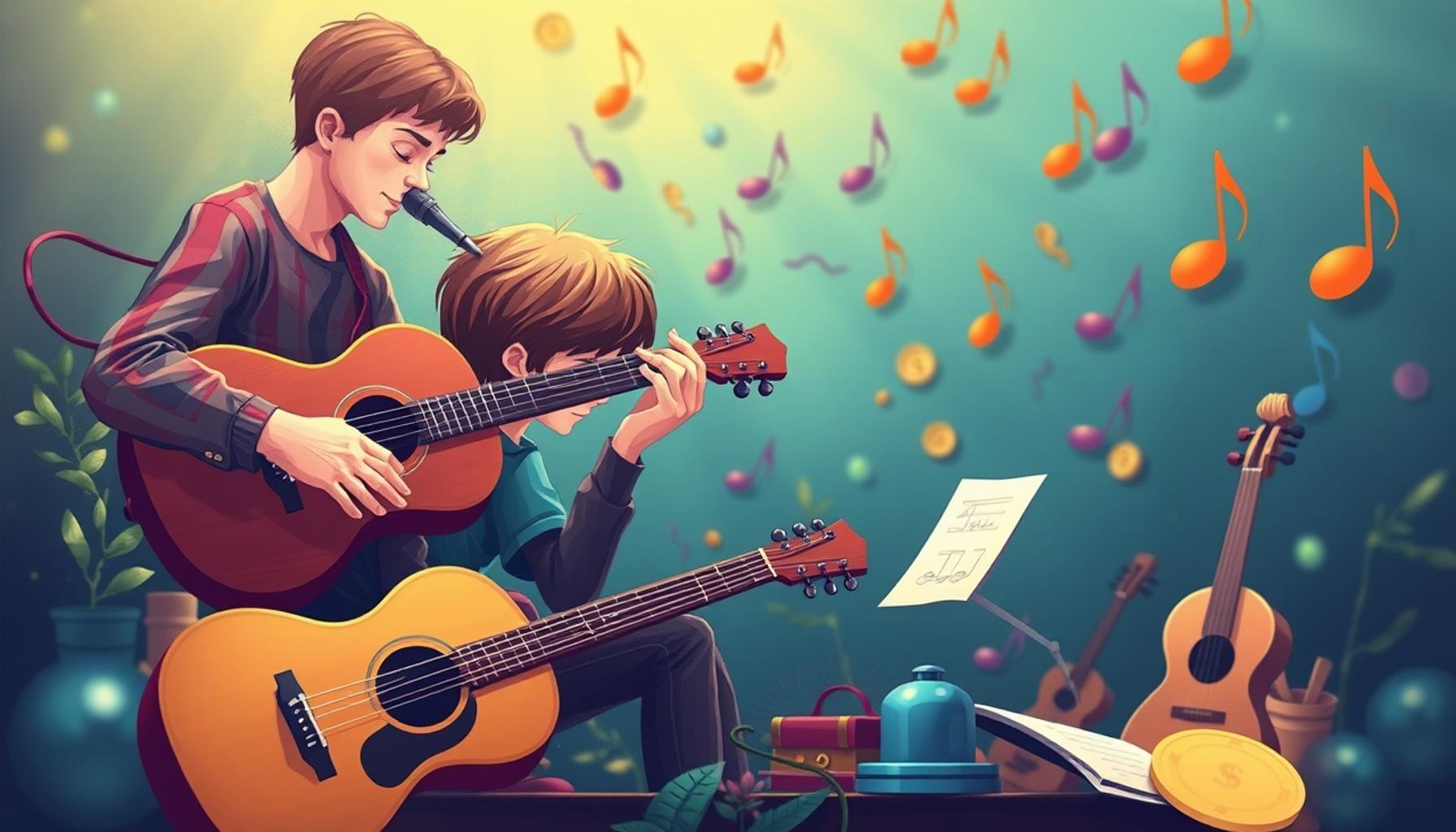
The Influence of Different Musical Genres on the Formation of Individual Artistic Identities

The Role of Music in Shaping Personal and Cultural Identities
Music transcends being merely a collection of sounds; it fundamentally shapes our emotions, informs our decisions, and fosters a sense of community. The connection between musical genres and individual identity is profound, revealing how different styles resonate with diverse emotional landscapes and cultural backgrounds.
For instance, hip-hop serves not only as a genre but as a cultural movement that profoundly impacts self-expression and activism. Originating from African American communities in the 1970s, hip-hop has become a powerful medium for voices that seek social justice and equality. Artists like Kendrick Lamar and J. Cole leverage their platforms to address systemic issues, encouraging listeners to examine their histories and advocate for change. This genre allows individuals to articulate their struggles and triumphs, effectively connecting personal experiences with a larger narrative of resistance and resilience.
In contrast, classic rock often evokes feelings of nostalgia and rebellion. Bands like The Rolling Stones and Led Zeppelin captured the spirit of the 1960s and 70s, a time marked by social upheaval and a quest for freedom. The anthemic quality of classic rock often prompts listeners to revisit their formative years, evoking memories tied to youth and defiance against authority. This connection can foster feelings of belonging for those who share similar life experiences, making classic rock a soundtrack for defined moments in their lives.
Country music presents a different yet equally significant narrative. Rooted in the rural American experience, this genre often celebrates themes of regional pride, storytelling, and genuine emotion. Artists like Dolly Parton and Garth Brooks have captured everyday life, relationships, and personal struggles with remarkable authenticity. The storytelling aspect of country music allows listeners to find their own experiences mirrored in the lyrics, forging a connection between the artist’s world and their own, thereby enriching individual and communal identity.
As we traverse through these various musical landscapes, we can unlock the profound ways music influences our lives. More than just a backdrop, music serves as an essential expression of who we are and how we navigate our realities. Individuals do not merely consume music; they embody its principles, creating rich tapestries of artistic identities interwoven with both personal histories and communal narratives.
This exploration into how music shapes identity encourages further investigation into the unique ways in which different styles form ideologies and aspirations. As we continue to delve into this fascinating intersection of sound and self, we uncover not only the emotional resonances of music but also the broader cultural dialogues it fosters. The journey is not just about understanding what we listen to; it is about discovering who we are through the universal language of music.
DISCOVER MORE: Click here to learn how technology is reshaping music
Exploring the Impact of Hip-Hop, Classic Rock, and Country on Identity Formation
When contemplating how musical genres influence personal identities, it’s crucial to analyze the specific elements that make each genre resonate uniquely with listeners. Beyond mere melodies and rhythms, musical genres encapsulate cultural narratives that influence self-perception and community belonging. The expansive world of music reflects the myriad ways individuals express their artistic identities. Understanding this relationship unveils deeper insights into how music and culture intersect in shaping who we are.
The Voice of a Generation: Hip-Hop
Hip-hop continues to redefine cultural expression, acting as both a soundtrack for a generation and a platform for social commentary. Emerging from the urban landscape of the Bronx, hip-hop has evolved into a worldwide phenomenon that deeply influences individual artistic identities. What sets this genre apart is its ability to address complex sociopolitical issues through the lens of personal narrative. Artists like Nas, with his seminal album “Illmatic,” have set a precedent for authenticity in storytelling, encouraging listeners to embrace their identities while grappling with their realities.
The lyrical complexity of hip-hop invites fans to engage intellectually and emotionally, often reflecting their own life experiences and societal challenges. This connection fosters a sense of identity rooted in activism and self-worth, as hip-hop articulates voices that are sometimes marginalized. Listeners often find empowerment in its beats, amplifying messages of resilience and change, which can be transformative in shaping their artistic identity.
Nostalgia and Rebellion: The Essence of Classic Rock
Classic rock embodies a rich tapestry of rebellion, nostalgia, and a longing for freedom. Bands such as The Who and Fleetwood Mac created timeless anthems that not only influenced music but also resonated deeply with the cultural movements of their time. The lyrics often touch on themes of love, loss, and resistance, encapsulating the spirit of individuality that marked the 60s and 70s. For fans, classic rock evokes a visceral connection to their past, acting as a portal to key moments of personal growth and change.
- The emotive power of guitar solos often stirs nostalgic reflections, encouraging individuals to express themselves artistically.
- The stories behind the lyrics resonate with those who have experienced similar struggles, forging a collective identity among listeners.
- Classic rock concerts often become communal experiences, reinforcing shared identities and boundaries.
Storytelling in Country Music: A Reflection of Life
In the realm of country music, storytelling takes center stage, offering listeners a deep emotional connection to their cultural roots. From the heartfelt ballads of Johnny Cash to the vibrant narratives of Miranda Lambert, country music reflects the complexities of everyday life. This genre emphasizes themes such as love, heartbreak, and personal struggles, giving voice to experiences that resonate with many listeners across America.
The ability of country music to articulate the struggles and triumphs of the human experience fosters a unique bond between the artist and the audience. Individuals find solace in lyrics that mirror their own journeys, allowing for a richer personal narrative that influences their artistic identities. As a result, country music cultivates a sense of belonging, bridging the gap between individual stories and collective consciousness.
The exploration of these musical genres illustrates the multifaceted ways in which they impact artistic identities. Each genre not only entertains but also serves as a vital avenue for personal expression, reinforcing the significant role that music plays in shaping who we are as individuals within our cultural contexts.
The Diverse Impact of Musical Genres on Artistic Identity
The intersection of music and individual identity formation has been a subject of extensive exploration. Each musical genre embodies unique qualities and cultural narratives that significantly contribute to the construction of artistic identities. When individuals encounter varied musical styles, they not only experience different auditory pleasures but also engage with distinct cultural contexts that shape their perceptions and expressions.In the realm of Jazz, for instance, improvisation embodies freedom and individuality, encouraging artists to explore their creativity without constraints. Emerging from African American cultural roots, jazz music fosters a deep connection to community and heritage, thus influencing artists to integrate their background into their work. Similarly, the world of Classical music promotes discipline and technical skill, shaping the artistic identity of musicians who delve into this genre. On the other hand, Hip-Hop serves as a powerful mode of storytelling and self-expression, often addressing social and political issues. It empowers artists to craft a narrative around their experiences, subsequently influencing their identity as activists and artists. Meanwhile, genres like Rock and Pop often reflect rebellion and the pursuit of personal freedom, attracting individuals who resonate with themes of empowerment and societal critique.Engagement with these diverse musical genres not only fosters self-discovery among artists but also inspires them to explore varying modes of expression. As musicians navigate through these different styles, they integrate influences into their identity, carving out unique artistic personas. The resulting amalgamation of experiences can lead to innovative art that transcends traditional genre boundaries, allowing audiences to experience a rich tapestry of emotions and ideas. Understanding this dynamic relationship between musical genres and artistic identity provides crucial insights into how we perceive personal and collective creativity. It invites further inquiry into the ways in which music continues to shape individual narratives and societal dialogues across cultures and generations.
| Musical Genre | Influence on Artistic Identity |
|---|---|
| Jazz | Promotes freedom and individuality through improvisation. |
| Hip-Hop | Empowers storytelling and self-expression related to social issues. |
| Classical | Fosters discipline and technical skill in artistry. |
| Rock/Pop | Encourages themes of rebellion and personal freedom in expression. |
DISCOVER MORE: Click here to learn about the role of art in cultural identity
Embracing Diversity: The Role of Jazz, EDM, and Pop in Shaping Individual Narratives
While hip-hop, classic rock, and country music play crucial roles in shaping artistic identities, other genres such as jazz, electronic dance music (EDM), and pop further contribute to the multifaceted nature of personal expression. Each genre carries its own rich history, cultural significance, and transformative power, allowing listeners to explore different dimensions of their identity.
The Soul of Jazz: Individuality and Cultural Fusion
Jazz, often characterized by its improvisational nature, stands as a testament to the creative spirit of individuality. Rooted in African American history, it transcends mere musical form, creating a dialogue that reflects a myriad of societal experiences. Jazz legends like Duke Ellington and Louis Armstrong have served as catalysts for social change while offering a unique lens through which personal narratives can be expressed.
Listeners gravitate towards jazz not only for its smooth melodies and intricate rhythms but also for its cultural resonance. The way artists seamlessly blend different influences—from blues to classical music—encourages fans to appreciate their personal backgrounds and unique stories. Jazz empowers individuals to embrace their differences while cultivating a deep-rooted appreciation for diversity, solidifying its influence on artistic identities.
- The improvisational nature allows musicians to express their emotions authentically, inspiring listeners to explore their own artistic freedom.
- Jazz festivals become hubs for cultural exchange, helping artists and fans find inspiration and community.
- The genre’s complex interplay of sounds often prompts listeners to reflect on their personal journeys, further shaping their identity.
The Uplifting Beat of EDM: Connection and Community
Electronic dance music (EDM) has emerged as a dominant force in the global music landscape, influencing a generation of listeners and dancers alike. Known for its infectious rhythms and high-energy beats, EDM fosters a sense of community and shared experience that can profoundly shape individual identities. Top DJs like Calvin Harris and David Guetta have created soundscapes that transcend cultural barriers, encouraging fans to unite on dance floors around the world.
The rave culture surrounding EDM is an expression of freedom and inclusivity, allowing individuals to connect with others without the constraints often found in daily life. The communal atmosphere of music festivals amplifies feelings of belonging, granting participants a platform to express themselves artistically. This genre, therefore, not only influences personal identity through individual expression but also fosters connections that cross cultural and geographic divides.
Pop Music: The Universal Language of Emotion
Pop music, often seen as the most accessible form of entertainment, has a profound impact on artistic identity, especially among younger generations. Artists such as Taylor Swift and Beyoncé articulate relatable experiences, from heartbreak to self-empowerment, allowing fans to see their own lives reflected in lyrics that strike a universal chord.
The catchy hooks and memorable melodies serve as an entry point for emotional expression, enabling listeners to explore their feelings and aspirations. Pop music’s ability to tell stories that resonate with diverse audiences facilitates a sense of connection and understanding, ultimately shaping how individuals perceive their own artistic journeys. Moreover, the virality of pop songs in the era of social media encourages creative expression, as fans participate in dance challenges and cover performances, further solidifying pop music’s role in forming unique identities.
Understanding the influence of jazz, EDM, and pop reveals the extensive ways that various musical genres shape individual artistic identities. By engaging with these differing styles, listeners can cultivate a deeper sense of self, while also celebrating the myriad narratives that exist within the tapestry of music and culture.
DISCOVER MORE: Click here to dive deeper into the connection between music and visual arts
Conclusion: The Harmonious Tapestry of Artistic Identity
The exploration of various musical genres highlights the profound impact that jazz, EDM, and pop have on shaping individual artistic identities. Each genre offers unique avenues for personal expression and cultural dialogue, presenting listeners with a canvas to reflect on their diverse backgrounds and experiences. From the improvisational brilliance of jazz that nurtures authenticity and individuality, to the communal spirit of EDM that fosters connection among people, these styles elevate music beyond mere entertainment—it becomes a crucial tool for self-discovery.
Pop music, with its relatable narratives and widespread appeal, acts as a universal vessel through which audiences—especially younger generations—navigate their emotions and aspirations. This genre’s ability to cultivate interactivity, particularly through social media platforms, adds a layer of creativity that allows fans to actively participate in shaping their identities.
As evidenced, the impact of these genres extends far beyond auditory pleasure; they serve as vibrant elements in the intricate mosaic of human identity. By engaging with different musical forms, individuals not only embrace their multifaceted selves but also contribute to a greater understanding of cultural diversity. In a world increasingly characterized by rapid globalization and cultural exchange, the significance of music as a means of crafting individual identities cannot be overstated. This calls for continued exploration and appreciation of the rich array of musical genres available to us, as they carry the potential to inspire and transform our artistic journeys.
Related posts:
How to Find and Develop Your Personal Musical Style: Tips for Emerging Artists
How Music Education Can Stimulate Social Skills in Children
Developing Creativity Through Composition: Techniques for New Composers
The Intersection of Music and Technology: How Digital Tools Are Transforming Musical Talents
Exploring the Impact of Musical Talents on Personal Development
The Role of Music in Creative Expression: How to Discover and Cultivate Your Talent

Beatriz Johnson is a seasoned creative enthusiast and writer with a passion for simplifying the intricacies of artistic hobbies and DIY projects. With over a decade of experience exploring various creative fields, she specializes in topics like crafting, painting, and innovative DIY techniques. Through her work, Beatriz inspires readers to unleash their creativity, try new artistic endeavors, and stay inspired in the ever-evolving world of creative hobbies.