
The growing prevalence of mobile applications in our daily lives has made the user experience imperative to success in the digital realm. When users engage with an app, they expect a smooth and intuitive navigation experience, allowing them to find what they need quickly and efficiently. Intuitive navigation is not just a luxury; it is a fundamental aspect that can profoundly impact user retention rates. When users encounter a well-structured navigation system, they are more inclined to explore further and maintain their engagement with the application.
Why Does Navigation Matter?
Intuitive navigation leads to several positive outcomes, which are critical for the longevity and success of any app:
- Enhanced user experience: Users appreciate seamless transitions and straightforward pathways. This means that a simple, logically organized menu influences how comfortable users feel while interacting with the app. For example, well-placed icons and labels can guide users effortlessly to their desired content or features.
- Increased engagement: The more users engage, the more likely they are to stick around. If users can find what they are looking for without frustration, they are empowered to spend more time interacting with the app. A classic example includes social media platforms like Instagram, where intuitive layouts allow users to navigate between feeds, profiles, and messages effortlessly.
- Lower abandonment rates: Complicated navigation often results in users leaving an app for good. Research shows that around 70% of users will abandon apps due to poor usability, highlighting the critical need for effective navigation design. Take e-commerce apps, for instance; a cumbersome checkout process can drive potential customers away, costing businesses significant revenue.
Statistics Speak Volumes
Recent studies reveal that 85% of users prefer applications with user-friendly interfaces. Additionally, apps that prioritize intuitive navigation can see retention rates rise by an impressive 30%. This correlation underscores a vital truth in the app development industry: users are more likely to remain loyal when their navigation needs are met.
The competitive landscape for app development necessitates a keen understanding of how to design intuitive navigation systems. Developers and designers are challenged not only to attract users with stellar visuals and features but also to ensure that the experience is cohesive and user-friendly. As technology continues to evolve, those who successfully integrate intuitive navigation into their designs will undoubtedly stand out in a crowded market.
DISCOVER MORE: Click here to learn about the impact of user feedback
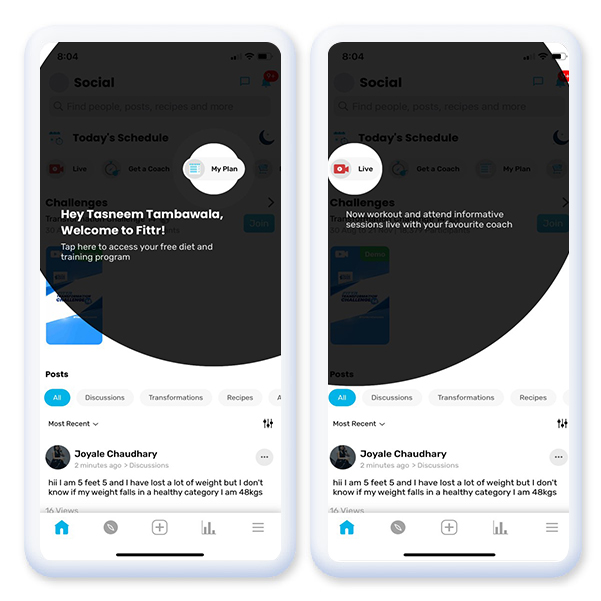
Understanding User Expectations in Navigation
In today’s app-driven world, users are increasingly discerning about their digital experiences. A significant portion of this expectation revolves around the intuitive navigation that an app offers. Users no longer have the patience for tangled menus or poorly labeled icons. Instead, a clear, responsive navigation framework fosters comfort and familiarity, which can be the deciding factor between a once-off download and repeat engagement over time.
The Psychology Behind Navigation
To fully grasp the impact of intuitive navigation, we must delve into the psychological factors at play. The brain processes information differently when navigation is seamless versus when it is clunky. When users can easily navigate an app, they experience less cognitive load, meaning they can focus on the content and features rather than struggling with the interface. This phenomenon contributes significantly to user satisfaction and retention.
Consider the following aspects that elucidate this relationship:
- Visual Hierarchy: A well-structured navigation system leverages visual hierarchy, guiding users naturally through the app. For instance, important features should be prominently displayed, while less critical options can be more subdued. This not only reduces confusion but also enables users to make decisions swiftly.
- Feedback Mechanisms: Providing users with immediate feedback for their actions, such as animations that illustrate transitions or confirmation messages for completed tasks, reinforces their confidence in navigating the app. This form of feedback is crucial as it assures users that they are on the right path, significantly improving their overall experience.
- Consistency: Consistency in design and navigation encourages users to familiarize themselves with the app quickly. When similar actions are performed in the same manner throughout the application, users are less likely to become frustrated and more likely to return.
For instance, a popular personal finance app that utilizes simple, recognizable icons and a tabbed interface allows users to effortlessly switch between checking their balance and viewing transactions. Such intuitive navigation not only keeps users engaged but also builds trust in the app itself, as users no longer have to second-guess how to access crucial features.
Beyond the Basics: Navigational Innovations
As the digital landscape evolves, so do the expectations of users. The incorporation of advanced navigational features, such as voice commands and gesture-based controls, showcases the innovative direction app developers are heading. These features further align with the increasing demand for convenience and efficiency in user experience.
Moreover, personalization in navigation—tailoring the experience based on user behavior—proves to be an effective strategy. Apps that learn from users’ preferences and frequently used features can streamline navigation, making it even more intuitive. This not only fosters a sense of ownership among users but also boosts retention rates as they feel the app adapts to their unique needs.
Conclusion
In summary, intuitive navigation is paramount for enhancing user retention in apps. As developers prioritize user experience in a competitive market, understanding the nuances of effective navigation becomes essential. Users today seek apps that do more than just function; they demand meaningful interactions that resonate with their expectations. With a conscious effort toward improving intuitive navigation, apps can pave the way for sustainable user loyalty and engagement.
The Impact of Intuitive Navigation on User Retention in Apps
In the rapidly evolving digital landscape, where user expectations are continually increasing, intuitive navigation has emerged as a critical factor influencing user retention in mobile applications. Apps that prioritize seamless navigation significantly enhance the overall user experience, fostering loyalty and prolonged engagement. A well-designed navigation system allows users to find what they need quickly and efficiently, reducing frustration and the likelihood of abandonment.
Research indicates that users are more likely to remain loyal to an app that exhibits clarity and ease of use. When users can navigate effortlessly through various features, they are more inclined to explore new functionalities and content, thus increasing their value perception. This escalated interaction often translates into better retention rates.
Moreover, intuitive navigation supports the development of strong user habits. When users find an app easy to navigate, they create shortcuts in their memory associated with the app functionalities, making it their go-to resource. Enhancing user familiarity through consistent navigation elements can promote regular engagement and allow users to return time and again without second thoughts.
To illustrate the importance of this factor, consider how apps like TikTok and Instagram utilize simple yet effective navigation layouts. They allow users to discover content at rapid speed, enjoying a steady flow of engaging material. This not only ensures higher user retention but also positions their platforms as leaders in the market.
| Advantages | Impact on User Retention |
|---|---|
| Enhanced User Experience | A seamless navigation layout encourages users to engage and explore the app confidently. |
| Increased User Loyalty | Users become familiar with intuitive navigation, leading to habitual app usage and brand loyalty. |
Thus, investing in intuitive navigation not only caters to the user’s immediate needs but also constructs a framework for long-term loyalty, positioning apps for success in a crowded marketplace.
DIVE DEEPER: Click here to discover the latest UX design trends
The Role of User Testing in Navigation Design
One of the most critical components in developing intuitive navigation is understanding how users interact with an app in real-time. User testing plays a vital role in refining navigation and ultimately boosting user retention. By employing techniques such as A/B testing and usability studies, developers can scrutinize how users respond to various navigation structures and visual layouts.
Gathering Insights from User Behavior
Gathering insights is not merely about collecting data; it involves interpreting user behavior to make informed design decisions. For example, heat maps can reveal where users are clicking most frequently, identifying pain points or areas of confusion. If users frequently struggle to locate essential features, developers can make adjustments or enhancements to streamline access. This iterative approach not only resolves potential barriers but also establishes a dialogue with users about their needs and preferences.
Moreover, platforms such as Google Analytics provide empirical data that underscores user engagement and retention rates correlated to navigation elements. Apps with high abandonment rates at specific navigation points are clear indicators that something is amiss in the user experience. Armed with this information, developers can pursue targeted interventions, leading to substantial improvements in user satisfaction and retention.
The Impact of Accessibility on Navigation
Accessibility is another dimension of intuitive navigation that is crucial yet often overlooked. Apps that incorporate accessible design principles not only comply with legal standards but also attract a broader audience. Users with disabilities, for instance, require navigation that is friendly to screen readers and compatible with keyboard shortcuts. Apps that prioritize accessibility demonstrate a commitment to inclusivity, which, in turn, fosters user loyalty.
A report from the Web Accessibility Initiative indicates that approximately 15% of the global population has some form of disability. Neglecting to design for this demographic potentially alienates a significant market segment, ultimately affecting user retention. Apps like the note-taking platform Evernote have successfully implemented features such as customizable text sizes and high-contrast themes, ensuring that diverse users can navigate seamlessly. This demonstrates that prioritizing intuitive navigation benefits all users, not just a select few.
Future Trends in Navigation
The future of intuitive navigation is likely to see dramatic changes driven by advancements in technology. Emerging technologies such as artificial intelligence (AI) and machine learning are set to revolutionize personalized user experiences, making navigation even more intuitive. For example, AI algorithms can analyze user behavior and tailor navigation pathways dynamically, presenting users with shortcuts to frequently used features based on past interactions.
Additionally, augmented reality (AR) integration offers fascinating implications for navigation. Companies like IKEA have successfully employed AR apps to create an interactive shopping experience, guiding users through virtual showrooms. These cutting-edge navigational enhancements are engaging and hold the potential to redefine user expectations, further solidifying the correlation between intuitive navigation and user retention.
As users become equipped with increasingly sophisticated devices, their expectations for seamless experiences will continue to rise. App developers who stay ahead of the curve by focusing on intuitive navigation mechanisms will likely see not only increased user satisfaction but also higher rates of retention and loyalty in an ever-competitive landscape.
DIVE DEEPER: Click here to learn how user feedback enhances tech apps
Conclusion: Navigating Toward Success
In the fast-paced world of mobile applications, the role of intuitive navigation cannot be overstated. As we have explored, effective navigation not only enhances user experience but also significantly influences user retention rates. By adopting design strategies that prioritize simplicity and accessibility, developers can create environments that invite users to engage and explore. This becomes especially crucial when considering the diverse needs of the user base, including those with disabilities who require inclusive interfaces.
User testing emerges as an indispensable tool in this journey, providing insights that drive design decisions and reveal patterns in user behavior. By leveraging data analytics, app developers can continuously refine navigation structures, aiding in the quick identification and resolution of friction points. As we move towards the future, the integration of advanced technologies like artificial intelligence and augmented reality promises to further enhance navigational experiences, offering a personalized touch that users crave.
The landscape of mobile applications is undeniably cluttered, and standing out requires a commitment to understanding user needs. Those who prioritize intuitive navigation in their app design are setting the stage for not just achieving higher user retention but also cultivating brand loyalty. As users grow to expect seamless and engaging experiences, developers must remain vigilant and innovative, ensuring that their navigation solutions evolve alongside user expectations. Therefore, in the quest for increased engagement and satisfaction, intuitive navigation presents not just an advantage but a vital necessity for success in the competitive app market.
Related posts:
The Importance of User Feedback in Improving the Experience in Tech Apps
How Responsive Design Impacts User Satisfaction in Applications
How Accessibility Improves User Experience in Applications
The Role of Data Analysis in Personalizing the User Experience
Strategies for Creating Effective Microinteractions in Mobile Applications
UX Design Trends for 2024: What to Expect

Beatriz Johnson is a seasoned tech writer and digital tools expert with a passion for simplifying the complexities of technology and mobile applications. With over a decade of experience in the tech industry, she specializes in topics like productivity apps, software reviews, and emerging digital trends. Through her work, Beatriz empowers readers to make informed technology choices and stay ahead in the ever-changing world of apps and innovation.