
The Shift to Online Shopping
The advent of online shopping has revolutionized the retail landscape, providing consumers with unprecedented convenience and access to an extensive array of products. In 2022 alone, e-commerce sales in the United States surpassed $900 billion, reflecting a significant shift in consumer habits. With just a few clicks, shoppers can compare prices, read reviews, and have their purchases delivered directly to their doorsteps. However, this convenience comes with challenges, particularly regarding the safety of personal information.
Understanding the Risks
While online shopping offers unmatched ease, it is fraught with risks that every consumer should be aware of. Among the most pressing concerns is the threat of identity theft, where personal information such as Social Security numbers, credit card details, and bank account information can be stolen and misused. The staggering statistics reveal a disconcerting trend: over 2 million people reported identity theft in the past year alone. This figure underscores the importance of vigilance in safeguarding one’s online presence.
Moreover, an alarming 78% of Americans express concerns about their online privacy, indicating a growing awareness of the risks involved in digital transactions. Fraudsters leverage various techniques, including phishing scams and malware, to exploit unsuspecting shoppers. These malicious activities contribute to an estimated loss of $16 billion each year due to online scams, highlighting the critical need for protective measures.
Effective Strategies for Protection
To navigate the murky waters of online shopping safely, employing effective strategies and tools is essential. One of the most vital steps is to use secure payment methods. Credit cards, for instance, often offer robust fraud protection, meaning that you could be reimbursed for unauthorized charges. Trusted digital wallets, such as PayPal or Apple Pay, also provide an additional layer of security by not directly sharing your credit card details with merchants.
Another crucial protective measure is to install antivirus software on your devices. Such programs can help detect and block malware, ransomware, and other malicious threats. Regular updates ensure that your software remains effective against the latest security vulnerabilities, giving you peace of mind during online transactions.
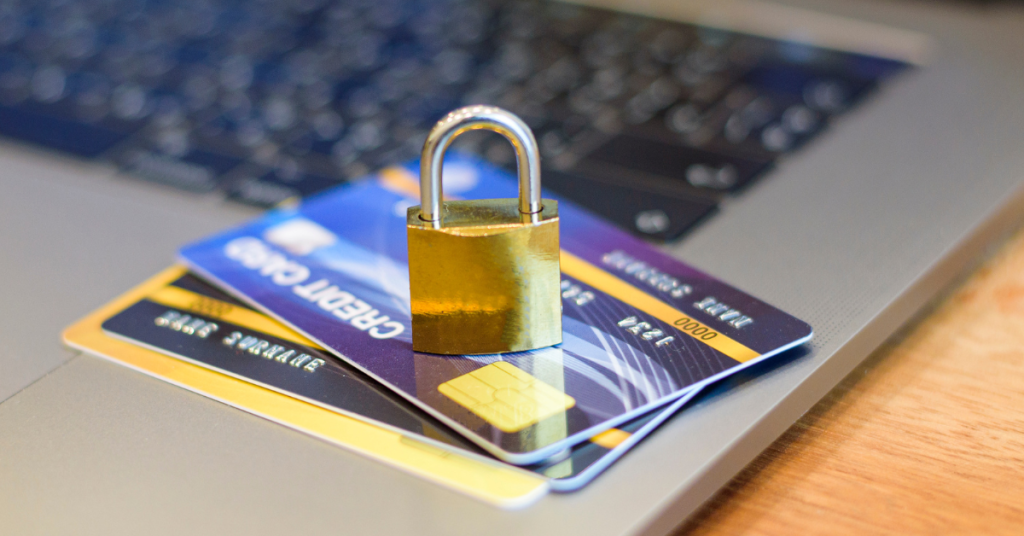
Furthermore, always check for SSL encryption on websites before entering any sensitive information. This can be identified by the presence of “https://” in the web address, with the ‘s’ indicating a secure connection. Reputable websites will display a padlock icon in the address bar, serving as a visual reassurance that your data is encrypted during transmission.
Staying Informed
As technology continues to evolve, so too do the tactics employed by cybercriminals. Therefore, it is imperative to stay informed about the latest trends and threats in online security. Government agencies, including the Federal Trade Commission (FTC), provide valuable resources and advice on protecting your digital identity. By educating yourself and taking proactive measures, you can minimize your risk and enjoy a safer online shopping experience.
Ultimately, while the digital marketplace has opened up new avenues for consumers, it is essential to remain diligent. By embracing secure shopping practices and staying informed, you can harness the benefits of technology without sacrificing your personal security. Be proactive, use the tools available, and you will not only protect your data but also enhance your overall shopping experience.
DISCOVER MORE: Click here for insights on AI and user privacy
Effective Strategies for Protection
To navigate the murky waters of online shopping safely, employing effective strategies and tools is essential. One of the most vital steps is to use secure payment methods. Credit cards, for instance, often offer robust fraud protection, meaning that you could be reimbursed for unauthorized charges. Trusted digital wallets, such as PayPal or Apple Pay, also provide an additional layer of security by not directly sharing your credit card details with merchants, thus minimizing the risk of exposure to identity theft.
Another crucial protective measure is to install antivirus software on your devices. Such programs can help detect and block malware, ransomware, and other malicious threats. Regular updates ensure that your software remains effective against the latest security vulnerabilities, giving you peace of mind during online transactions. In fact, according to the Cybersecurity & Infrastructure Security Agency, using updated antivirus tools can significantly reduce the likelihood of falling victim to cyberattacks.
Furthermore, always check for SSL encryption on websites before entering any sensitive information. This can be identified by the presence of “https://” in the web address, with the ‘s’ indicating a secure connection. Reputable websites will display a padlock icon in the address bar, serving as a visual reassurance that your data is encrypted during transmission. Without this simple precaution, your information could be exposed to prying eyes on unsecured networks.
Best Practices for Online Safety
Beyond payment methods and software, there are several best practices that can enhance your safety while shopping online:
- Use unique, strong passwords for each of your online accounts. A mix of upper and lower case letters, numbers, and symbols will create a more secure password.
- Enable two-factor authentication whenever it’s available. This extra layer of security requires a second form of identification, such as a text message code, making unauthorized access considerably more difficult.
- Be wary of public Wi-Fi when shopping or entering sensitive information. Using a Virtual Private Network (VPN) can secure your internet connection, ensuring that your data is not intercepted.
- Regularly monitor your financial statements for any unexpected transactions. Catching discrepancies early can help mitigate the damage if you’ve become a victim of fraud.
By implementing these safety measures, you will bolster your online defenses and significantly reduce the risk of compromising your sensitive information while indulging in the convenience of online shopping. Remember, while technology offers many advantages, it is your responsibility to protect yourself against the risks that accompany it.
Why Strong Passwords Matter
When it comes to online shopping, your password is often the frontline of defense for your personal information. Using strong, unique passwords for each site is crucial. A strong password typically consists of a mix of uppercase and lowercase letters, numbers, and special characters. According to cybersecurity experts, utilizing a password manager can significantly simplify this process, allowing you to generate and store complex passwords without the need to remember each one.
Stay Aware of Phishing Attacks
Phishing attacks have become increasingly sophisticated, making awareness one of the best defenses. These attacks often masquerade as legitimate communications from retailers or banks, urging you to provide sensitive data. Always verify the source before clicking on links or providing personal details. Utilizing browser extensions that flag potential phishing websites can enhance your safety further.
Secure Your Connection
Before entering any information on a shopping website, check if the URL begins with https:// instead of http://. The “s” stands for secure, indicating that the data transmitted is encrypted. Additionally, avoid using public Wi-Fi for online shopping, as it can expose your sensitive information to cybercriminals. Consider using a Virtual Private Network (VPN) to create a secure connection even on public networks.
Review Privacy Policies
Before making a purchase, take a moment to review a retailer’s privacy policy. Understanding how your information will be utilized and shared can help you make more informed decisions. Look for red flags, such as vague language or a lack of clarity regarding data use, which may indicate potential risks to your personal information.
Use Trusted Payment Methods
Opt for well-known payment methods, such as PayPal or credit cards, which offer additional layers of security and fraud protection. These options allow you to avoid sharing your bank account details directly with the merchants, providing an extra barrier against potential data breaches.
| Category | Advantages |
|---|---|
| Strong Passwords | Enhances security by making it difficult for hackers to access your accounts. |
| Phishing Awareness | Prevents identity theft by recognizing fraudulent attempts to steal personal information. |
| Secure Connection | Protects data during online transactions, ensuring privacy and safety. |
| Trusted Payment Methods | Reduces risk by providing fraud protection and avoiding direct access to bank information. |
DON’T MISS: Click here to discover how data analysis can enhance user experience
Staying Informed and Proactive
With the relentless pace of technology, it’s crucial not just to rely on specific tools and strategies but also to stay informed about potential threats. Cybercriminals are constantly evolving their tactics, which makes it important to regularly update your knowledge about online security risks. Subscribe to reputable security blogs or websites specializing in cybersecurity, such as the Federal Trade Commission (FTC) or Consumer Reports. These resources often provide insights into new scams, data breaches, and advice on preventing cyber threats.
An additional protective measure involves checking retailer credibility before making a purchase. Research online reviews and ratings from reliable sources. Websites like Better Business Bureau (BBB) and Trustpilot can help determine whether a retailer is legitimate. If a store lacks a clear contact number, has an unprofessional website, or features numerous complaints, steer clear. Even established brands occasionally face online impersonation. Therefore, always double-check the website URL to ensure it’s legitimate to avoid potential phishing scams.
Understanding Data Privacy Rights
Many consumers may not be fully aware of their data privacy rights when shopping online. The California Consumer Privacy Act (CCPA) gives California residents rights over their personal information, including the ability to request what data is collected and how it’s used. Although this law only applies to California-based businesses, awareness of similar regulations is growing nationwide. It’s beneficial to familiarize yourself with your rights and how retailers handle your information, which may include the option to opt out of data selling.
Moreover, take time to delve into the privacy policies of the websites you frequent. While they are often lengthy and tedious, these documents detail how retailers will collect, use, and protect your data. Look for sections labeled data protection measures and information sharing. Are there clear policies on how they handle data breaches? Transparency is key; reputable retailers should be open about their data practices.
Utilizing Advanced Tools
Beyond basic security measures, consider using advanced tools to ensure your information remains private. Password managers can generate and securely store complex passwords across all your accounts, reducing the risk of reusing weak passwords. Tools such as LastPass or 1Password not only help manage passwords but can also alert you to security breaches involving your accounts.
To defend against unsolicited emails and phishing attempts, spam filters and email verification tools can be invaluable. Serve up protection against deceptive emails that mimic legitimate retailers to extract your personal data or financial information. Implementing filters through your email settings helps keep your inbox uncluttered and your digital life secure.
Lastly, consider browser tools that enhance security while shopping online. Extensions such as HTTPS Everywhere ensure that you are automatically sent to the secure version of the site, while uBlock Origin blocks intrusive ads and potential malware. Together, these tools provide substantial safeguards against online threats.
By combining knowledge, diligence, and the right tools, you empower yourself to shop online with greater confidence and security, ensuring your personal information remains safeguarded amidst the convenience of digital shopping.
DIVE DEEPER: Click here to learn more
Conclusion: Empowering Your Online Shopping Experience
The digital landscape offers unparalleled convenience, but it also requires a vigilant approach to protect your information while shopping online. By following a comprehensive strategy that encompasses staying informed, verifying retailer credibility, and utilizing advanced tools, you can significantly enhance your cybersecurity measures. Regularly updating your knowledge about potential online threats through resources such as the Federal Trade Commission (FTC) or Consumer Reports ensures you remain one step ahead of cybercriminals.
Furthermore, understanding your data privacy rights is crucial, especially with evolving regulations like the California Consumer Privacy Act (CCPA). By knowing what data you can control and understanding retailers’ privacy practices, you can make informed choices about where and how to shop. Additionally, employing tools like password managers and email verification systems fortifies your defenses against data breaches and phishing attacks.
Ultimately, the responsibility to protect your personal information lies as much with you as it does with online retailers. Embrace a proactive stance and demand transparency, ensuring that your online shopping experiences are not only convenient but also secure. Remember, informed consumers are empowered consumers, and with the right precautions in place, you can navigate the world of e-commerce safely. As technology continues to evolve, so too should your tactics in safeguarding your information—for every purchase made, let security reign supreme.
Related posts:
Security in IoT Devices: Protecting Your Connected Home
Tips for Using VPNs Safely and Efficiently
How to Recognize and Avoid Phishing in Apps and Emails
How to Protect Your Personal Data in Mobile Applications
Best Password Practices: How to Create and Manage Secure Passwords
Impact of Artificial Intelligence on User Privacy: What You Need to Know

Beatriz Johnson is a seasoned tech writer and digital tools expert with a passion for simplifying the complexities of technology and mobile applications. With over a decade of experience in the tech industry, she specializes in topics like productivity apps, software reviews, and emerging digital trends. Through her work, Beatriz empowers readers to make informed technology choices and stay ahead in the ever-changing world of apps and innovation.