
The Impact of Psychological Principles on User Engagement
User engagement in mobile applications hinges heavily on psychological principles. Understanding how users think and behave can lead to enhanced user experience (UX), driving both retention and satisfaction.
Several key factors illustrate this connection:
- Cognitive Load: Reducing cognitive burden can improve user efficiency and decision-making. Cognitive load refers to the amount of mental effort being used in the working memory. In mobile applications, excessive information or complicated navigational structures can overwhelm users. For instance, apps like Duolingo break language lessons into bite-sized pieces, allowing users to digest information easily and proceed at their own pace, thus enhancing their learning experience.
- Emotional Design: Aesthetically pleasing interfaces evoke positive feelings, fostering loyalty. Emotional design emphasizes creating experiences that resonate with users on an emotional level. For example, brands such as Airbnb utilize warm color palettes and inviting images to create a sense of comfort and trust, encouraging users to explore their platform more thoroughly.
- Behavioral Patterns: Recognizing and adapting to user habits can tailor experiences to individual preferences. Apps that analyze user behavior, like Spotify, use algorithms to recommend personalized playlists based on listening habits. This not only enhances user satisfaction but also encourages longer engagement periods within the app.
Psychological concepts such as gestalt principles, color psychology, and motivation theory play pivotal roles in crafting user experiences that resonate. Gestalt principles, for instance, explain how users visually perceive and interpret complex layouts by organizing information into simpler forms. For example, grouping related items together on an app interface can help users navigate more intuitively.
Color psychology also has a significant impact on user engagement. Different colors evoke different emotions; while blue is often associated with trust and calmness, red can provoke urgency or excitement. Popular e-commerce platforms often use red buttons for “Buy Now” to create a sense of urgency, which can accelerate the decision-making process for consumers.
Proven strategies derived from psychology can transform a standard app into a compelling tool that captivates users. Examples abound across various sectors; gaming apps like Candy Crush leverage psychological reward systems by providing users with frequent rewards for progressing in the game, thus creating a cycle of engagement. Similarly, e-commerce platforms employ urgency triggers, such as countdown timers indicating limited stock availability, encouraging users to make purchases rather than delaying their decision.
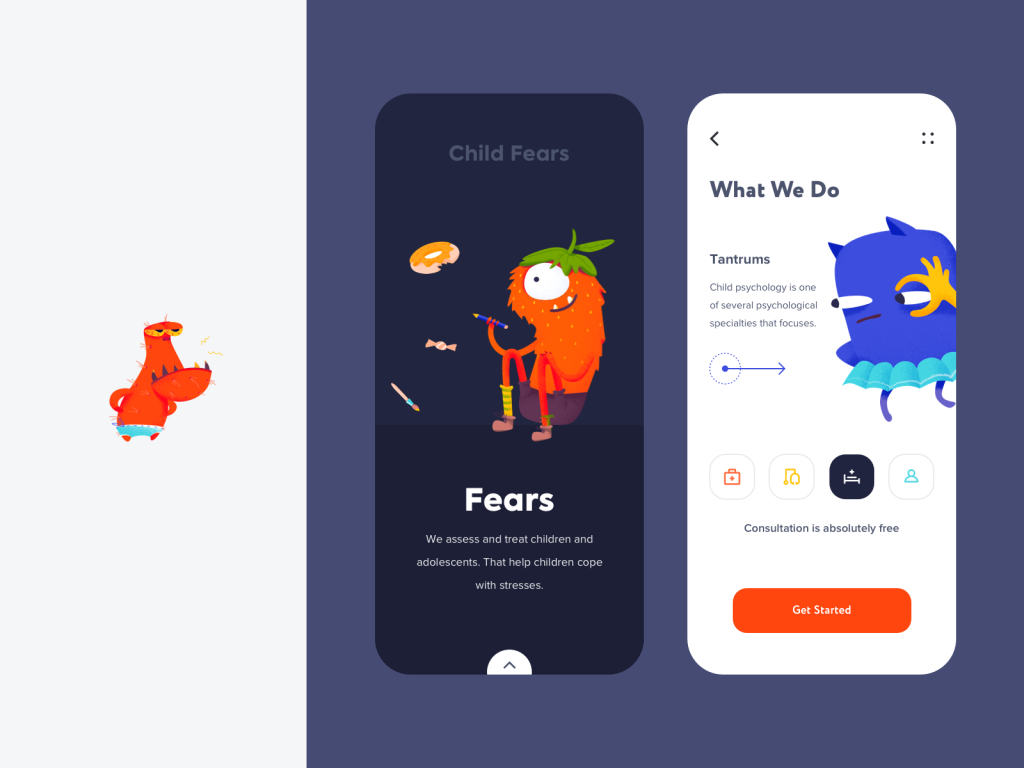
As we delve deeper into this fascinating intersection of psychology and UX, we will explore practical applications, real-world examples, and industry insights that can sharpen your understanding of how psychology affects user experience in mobile applications. With the ability to create more engaging and fulfilling experiences, developers and designers can harness these psychological insights to delight users and drive business success.
Understanding User Behavior Through Psychological Principles
The intersection of psychology and user experience (UX) design is a profound area of study that offers significant insights into how mobile applications can be optimized for better user satisfaction. By understanding the various psychological principles that underscore user behavior, developers can cultivate applications that not only capture attention but also foster lasting engagement. This understanding can be categorized into several crucial elements that directly influence mobile user experiences.
- Motivation and Goal Setting: Users typically come to an application with specific goals in mind. By leveraging psychological theories such as goal-setting theory, developers can create features that clearly outline these objectives for users. For example, fitness apps like MyFitnessPal enable users to set personal targets for calorie intake and exercise, providing feedback that reinforces their commitment. This alignment of motivation directly correlates with user retention, as users are more likely to return if they see progress towards their goals.
- Fitts’s Law: This principle emphasizes the relationship between the size of a target and the time it takes to reach it. In mobile applications, buttons and interactive elements should be designed in accordance with Fitts’s Law to minimize user effort. Well-placed, appropriately sized buttons enhance the user interface (UI) and foster seamless interactions. For instance, the ‘like’ button on social media platforms like Facebook is typically larger and situated prominently, ensuring that users can effortlessly engage with content.
- Feedback and Reinforcement: Users seek confirmation that their actions are being recognized within an application, which ties closely to the concept of positive reinforcement in psychology. Mechanisms such as animations, confirmations, or notifications serve as immediate feedback and encourage users to engage further. For instance, when a user achieves a milestone in a game, celebratory graphics and sounds are integrated to enhance the emotional experience, effectively tying enjoyment to successful interaction.
- Consistency and Familiarity: Human cognition favors patterns; therefore, maintaining a consistent design across an app can significantly enhance user comfort and confidence. Familiar layouts, iconography, and navigation structures contribute to an intuitive experience that reduces anxiety and fosters exploration. For example, many successful applications use a standard bottom navigation bar, providing users with a recognizable structure that allows for easy scanning and selection.
The potency of these psychological principles cannot be understated as they form the backbone of effective mobile app design. Developers who recognize the importance of designing with the user’s psychological framework in mind are poised to deliver exceptional user experiences that not only attract users but also cultivate loyalty and trust.
As we further explore the nuances of psychological influences on user experience, the next sections will analyze specific techniques and case studies that highlight how psychology can be effectively utilized to enhance mobile applications. By diving deeper into this vital subject, we aim to unravel insights that can empower designers and developers to elevate user experiences to new heights.
| Psychological Principles | User Experience Effects |
|---|---|
| Cognitive Load | Minimizing cognitive strain enhances task completion rates. |
| User Motivation | Increased motivation leads to improved engagement with the app. |
Understanding how psychology influences user experience is pivotal in the rapidly evolving domain of mobile applications. One foundational principle is *cognitive load*. Mobile applications that offer intuitive navigation significantly reduce mental effort for users, which in turn leads to higher rates of task completion. When users do not have to expend excessive mental energy decoding interfaces, they can focus more on the task at hand, fostering a smoother user journey.Another critical factor is *user motivation*. Applications designed with psychological insights that tap into users’ intrinsic motivations—such as gamification elements—can significantly enhance engagement. For example, apps that incorporate rewards or achievement systems can make users feel a sense of accomplishment and encourage them to interact more regularly. By addressing these psychological aspects, developers are better equipped to create applications that resonate with users on a deeper level, ultimately improving the user experience.
The Role of Cognitive Psychology in Design Decisions
Cognitive psychology provides invaluable insights into how users process information, make decisions, and interact with mobile applications. By leveraging these principles, designers can create more effective and user-friendly interfaces that align with natural behaviors and thought processes. This section delves deeper into specific cognitive concepts that substantially influence user experiences in mobile environments.
- The Principle of Chunking: Chunking refers to the cognitive strategy of breaking down information into smaller, manageable units. This principle can be applied in app design by organizing content into segments that are easy to digest. For example, news applications like Google News utilize chunking by grouping articles into sections based on subjects, allowing users to efficiently scan for relevant news without feeling overwhelmed. This method not only enhances user understanding but also increases the likelihood of prolonged engagement with the app.
- Attention and the Von Restorff Effect: This effect posits that individuals are more likely to remember items that stand out in a group. In mobile applications, this can be a powerful tool when emphasizing key features or calls to action. For instance, in e-commerce apps, a flash sale notification may be designed in a bold, contrasting color to capture users’ attention amidst a sea of other information. The ability to effectively direct attention toward these elements can significantly boost user interaction and conversion rates.
- Confirmation Bias: Users often seek information that confirms their pre-existing beliefs or decisions. By understanding this bias, app developers can tailor content to proactively affirm users’ choices or preferences. For example, dating applications like Tinder effectively leverage this by showcasing potential matches based on users’ past selections, thus encouraging continued use. By applying principles of confirmation bias, developers can enhance user satisfaction and increase the likelihood of repeat usage.
- Gestalt Principles of Perception: The Gestalt principles describe how people naturally organize visual elements into groups. Mobile applications can harness these principles by employing layout strategies that make interfaces more visually appealing and intuitive. Using proximity, similarity, and closure, designers can create a more cohesive experience. For example, navigation menus that group related functions visually allow users to understand relationships between different actions, reducing cognitive load and improving usability.
By integrating these cognitive psychology principles into the mobile app design process, developers can craft experiences that resonate with users on a deeper psychological level. The effective application of chunking, the Von Restorff effect, acknowledgment of confirmation bias, and the use of Gestalt principles all serve to enhance the clarity and impact of an app, leading to stronger user engagement and satisfaction.
As we continue to explore how psychology intertwines with user experience, it becomes apparent that an understanding of these cognitive underpinnings can guide developers in creating apps that not only meet user needs but also delight and inspire them. The next segment will focus on emotional design and the powerful ways in which emotional responses can shape user behavior within mobile applications.
Conclusion: The Psychological Edge in Mobile App Design
In the competitive realm of mobile applications, understanding how psychology affects user experience has become a pivotal aspect of successful design. By incorporating principles from cognitive psychology, app developers can unlock the secrets to creating more engaging and intuitive experiences. Concepts such as chunking, the Von Restorff effect, confirmation bias, and Gestalt principles are not merely theoretical; they offer practical frameworks that lead to enhanced usability and user satisfaction.
Moreover, the application of these psychological insights facilitates a deeper connection between users and apps. As developers craft designs that resonate with users’ cognitive and emotional needs, they can foster trust and loyalty, transforming casual users into long-term advocates. This approach aligns not just with user expectations but anticipates their behaviors, enhancing overall interaction patterns in profound ways.
As we ponder the future of mobile applications, it becomes increasingly clear that the intersection of psychology and user experience is a rich landscape for innovation. The continuous evolution of technology and user expectations necessitates a commitment to understanding user psychology, ensuring that app experiences are not only functional but also deeply rewarding. Therefore, as designers and developers strive to enhance user experience, they must consider psychology as a cornerstone of their strategy, paving the way for apps that truly engage and inspire.
Related posts:
How Accessibility Improves User Experience in Applications
How Augmented Reality Can Transform User Experience in Applications
The Importance of User Feedback in Improving the Experience in Tech Apps
The Role of Data Analysis in Personalizing the User Experience
How Responsive Design Impacts User Satisfaction in Applications
The Impact of Intuitive Navigation on User Retention in Apps

Beatriz Johnson is a seasoned tech writer and digital tools expert with a passion for simplifying the complexities of technology and mobile applications. With over a decade of experience in the tech industry, she specializes in topics like productivity apps, software reviews, and emerging digital trends. Through her work, Beatriz empowers readers to make informed technology choices and stay ahead in the ever-changing world of apps and innovation.