
Revolutionizing User Interaction
Augmented Reality (AR) is a transformative technology that is fundamentally changing the way users engage with applications across various sectors. By seamlessly integrating digital information with the physical world, AR enhances user experiences, making them richer and more interactive than ever before. This shift from traditional interfaces to immersive environments signifies not just an evolution in design, but a revolution in how we perceive and interact with digital content.
Key Features of Augmented Reality in Applications
- Enhanced Engagement: One of the most striking features of AR is its ability to capture and retain user attention. Unlike simple static images or text, AR offers interactive elements that users can manipulate. For example, Pokémon GO, a wildly popular mobile game, uses AR to allow players to find and catch virtual creatures in real-world locations. This outdoor interaction incentivizes users to explore their environments actively.
- Contextual Learning: AR revolutionizes educational tools by layering information directly onto a user’s surroundings. Through applications that visualize historical events or scientific processes, learners gain a more profound understanding of complex ideas. For instance, apps like Google Expeditions provide immersive tours of the solar system or ancient civilizations, making subjects more relatable and easier to grasp.
- Real-Time Interactivity: The instant feedback provided by AR allows users to interact with digital objects and environments in real-time. For instance, in interior design, applications like IKEA Place allow users to visualize how different furniture pieces would look in their homes by simply pointing their cameras. This capability not only aids decision-making but also personalizes the shopping experience.
Across various industries, the integration of AR technology is leading to dramatic changes. In the retail sector, businesses like Warby Parker have embraced AR to allow customers to virtually try on eyeglasses, enhancing the shopping experience and reducing the need for in-store fittings. Similarly, in healthcare, AR applications are being developed for surgical training, where medical professionals can practice techniques in a safe, simulated environment before entering the operating room.
The Future of User Experiences
The horizon for AR in mobile applications is expansive, with potential applications across entertainment, education, healthcare, and retail. As the technology becomes more mainstream, users in the United States and globally can anticipate a surge in innovative applications designed to elevate engagement and enhance user satisfaction. Businesses that harness the power of AR can not only attract more customers but also foster deeper relationships by presenting information in captivating and interactive ways. This promising trajectory signals a new era of creativity and functionality in app development, driving businesses to continually innovate and redefine user experiences.
DIVE DEEPER: Click here to discover how psychology shapes mobile app experiences
Unlocking New Possibilities with Augmented Reality
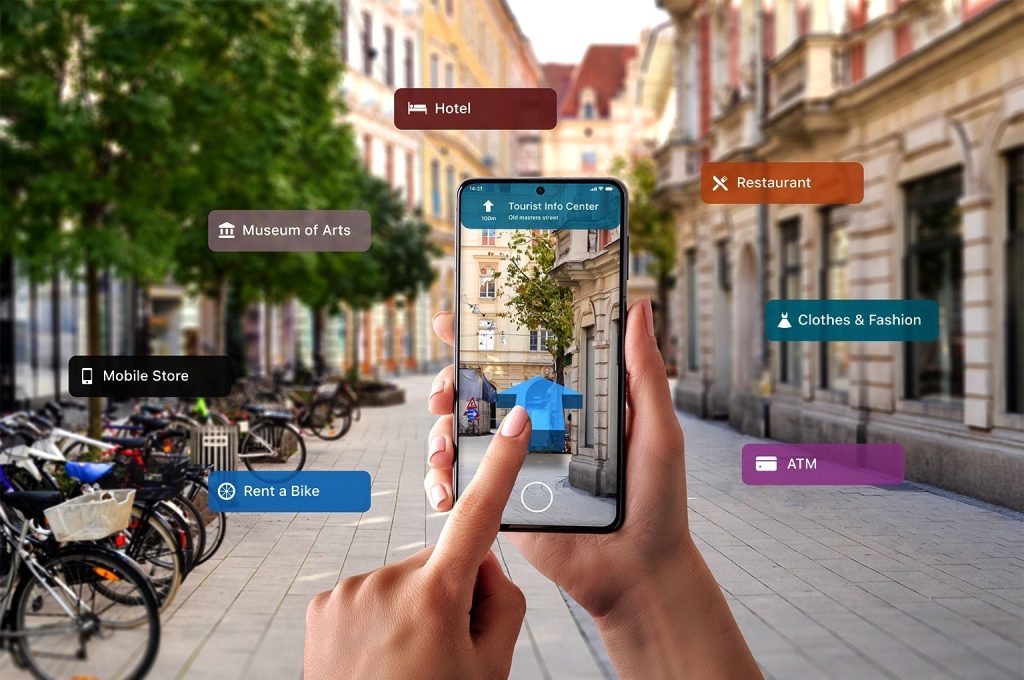
Augmented Reality (AR) is not just a fleeting technological trend; it is a revolutionary force shaping how users interact with applications. The infusion of AR into various domains has provided a canvas for developers and designers to create applications that are more engaging, immersive, and functional. This paradigm shift allows users to access information and services that were previously limited to screens, enabling them to engage in a multi-dimensional experience with their environment.
Driving Innovation in User Experience
As AR technology evolves, it opens up a plethora of opportunities for enhancing user experience in applications. Here are a few critical aspects that highlight how AR is driving innovation:
- Personalized Interactions: AR empowers apps to deliver tailored experiences based on users’ preferences and surroundings. For instance, fashion apps can use AR to suggest outfits based on user body types and current fashion trends, making the online shopping experience more personal and engaging. This level of customization fosters a connection between the user and the application that traditional platforms simply cannot achieve.
- Simplifying Complex Tasks: AR can significantly simplify intricate tasks by overlaying informative graphics on real-world objects. For example, in the automotive industry, applications can provide step-by-step guidance for car repairs by displaying instructions directly on the vehicle itself. Users can follow along in real-time, minimizing errors and increasing confidence as they complete tasks that might otherwise seem daunting.
- Visualizing Data in Real-World Contexts: One of the most powerful applications of AR is its ability to contextualize data in real-world settings. This capability is particularly valuable in sectors like real estate, where apps can provide virtual tours or spatial visualization of properties before even stepping foot inside. This immersive experience can streamline the buying process, allowing potential buyers to visualize their future homes more effectively.
The integration of AR into daily applications reshapes user expectations, paving the way for innovative tools that enhance functionality and effectiveness. For instance, brands like Sephora utilize AR technology in their mobile apps to let users virtually try on makeup, transforming the beauty shopping experience. Users can experiment with different looks in real-time, which not only boosts confidence in purchasing decisions but also decreases the likelihood of return products.
Challenges and Considerations
Despite the remarkable potential of augmented reality, there are challenges that developers and businesses must navigate. Privacy concerns, ensuring user data security, and creating inclusive AR experiences accessible to all users are critical considerations that must be addressed during the design and implementation phases. As the technology becomes more widespread, companies that prioritize ethics and user psychology will foster greater trust and loyalty.
In summary, as AR technology continues to evolve, users can expect more intuitive, engaging, and useful applications. The focus on personalized experiences, simplified processes, and contextual data visualization will define future interactions and establish AR as an essential component of user experience in applications across multiple sectors.
Enhancing User Interaction Through Augmented Reality
As technology continues to evolve, augmented reality (AR) stands at the forefront of reshaping how users interact with applications. By overlaying digital information onto the real world, AR creates a richer, more immersive experience that can significantly enhance user engagement. This application of technology is not limited to gaming; it extends to various sectors including education, retail, and healthcare, providing tailored user experiences that were previously unimaginable.
Consider the realm of retail, where AR allows customers to visualize products in their own space before making a purchase. Applications like IKEA Place enable users to see how furniture would fit and look in their homes, bridging the gap between online shopping and real-life experiences. This not only increases customer satisfaction but also reduces return rates, as customers have more confidence in their purchasing decisions.
Moreover, in education, AR applications can transform learning by providing interactive simulations and 3D models that deepen understanding. For example, biology students can explore the human body in detail without a physical specimen, creating an engaging and effective learning method. Such applications leverage AR to cater to various learning styles, provoking curiosity and a desire for exploration.
Furthermore, AR enhances social interaction by integrating features that allow users to share experiences. For instance, collaborative applications let users engage with one another in real-time, sharing AR experiences regardless of their physical locations. This dynamic interaction not only strengthens relationships but also fosters a sense of community among users.
Overall, the ability of augmented reality to provide tailored, interactive, and engaging user experiences is redefining application functionality. As developers continue to explore the capabilities of AR, we can expect to see even more innovative solutions emerge that will further transform the digital landscape.
| Category | Advantages |
|---|---|
| User Engagement | AR applications create interactive experiences that captivate users, increasing engagement rates. |
| Enhanced Learning | Educational tools utilizing AR offer immersive simulations that improve understanding and retention of information. |
As seen, the transformative potential of augmented reality in applications is profound. By focusing on user experience, developers can craft solutions that meet the ever-evolving needs of today’s technology-savvy consumers. Exploring the endless possibilities of AR suggests that we are only beginning to scratch the surface of what this technology can achieve.
DISCOVER MORE: Click here to dive into the latest UX design trends
Enhancing Interaction and Engagement Through Augmented Reality
The advent of augmented reality (AR) is shaking up traditional user engagement models and providing new avenues for interaction that were unimaginable a few years ago. As we delve into AR’s transformative potential, it’s critical to examine how this technology is not only improving user experiences but also redefining how businesses connect with consumers.
Creating Immersive Learning Environments
The integration of AR in educational applications is changing the landscape of learning. Interactive AR experiences can enhance comprehension and retention, making complex subjects more accessible. For example, medical students can utilize AR applications to visualize anatomy in 3D, allowing them to explore human bodily systems as if they were real, advancing their understanding far beyond what traditional textbooks offer.
This approach to education promotes active participation, where learners can manipulate and engage with the content, thus fostering a deeper understanding. Research supports that students exposed to AR technologies tend to perform better academically, as AR provides immediate feedback and encourages exploration.
Revolutionizing Retail Experiences
The retail sector is witnessing a seismic shift as brands leverage AR to enhance customer shopping experiences. By allowing customers to visualize products in their own environments, AR applications have proven invaluable. For instance, IKEA’s Place app enables users to virtually place furniture in their homes before making a purchase, ensuring the desired fit and aesthetic appeal, which significantly diminishes the likelihood of disappointment post-purchase.
Moreover, AR’s gamification potential is reshaping marketing strategies. Retailers such as Nike have crafted unique AR experiences that encourage customers to engage with their store displays and products interactively. Users can unlock special offers or gain insights into product features by simply scanning items with their mobile devices, driving foot traffic and sales.
AR in Health and Fitness Applications
In the health and fitness domain, AR is becoming a powerful tool that not only motivates users but also offers real-time feedback on their exercise routines. Fitness applications now incorporate AR to provide a virtual personal trainer experience, helping users to maintain proper form during workouts and track their progress visually.
For instance, Snap’s “Lens” helps users perform exercises by overlaying step-by-step instructions or highlighting areas that require adjustment, enhancing both safety and effectiveness in workouts. This advancement encourages more individuals to pursue an active lifestyle by reducing barriers related to understanding equipment and techniques.
Social Media and Augmented Reality
Social media platforms have embraced AR to create visually engaging content that captivates users. Platforms like Instagram and Snapchat utilize AR filters that allow users to alter their appearances or enhance the environment around them. These features encourage interaction and increase user time spent on the app, underlining AR’s role in marketing strategies aimed at engagement.
Brands can even create AR experiences tailored to users engaging with their content, ensuring the messaging is not only more resonant but provides an enjoyable experience, driving brand loyalty and fostering community among users.
The advancements in AR technology are poised to reshape the user experience across numerous applications, providing rich, informative, and engaging interactions that prioritize user needs and preferences. As developers harness the power of AR, the possibilities for enhanced user experiences are not just promising; they are transformative.
DON’T MISS OUT: Click here to uncover the latest trends
Conclusion: The Future of User Experience with Augmented Reality
As we evaluate the impact of augmented reality (AR) across various sectors, it becomes evident that this technology is not merely a trend; it is a pivotal force that is transforming user experiences in applications. From immersive learning opportunities that revolutionize education to innovative retail solutions that empower consumers, AR is reshaping the way users interact with digital content and the physical world.
AR applications are breaking barriers, allowing users to engage more deeply with information and products. The dynamic, interactive nature of AR not only enhances understanding but also creates emotional connections between users and brands. As businesses tap into unique AR experiences, they cultivate loyalty and foster valuable customer relationships. Moreover, AR’s role in health and fitness, transforming workouts into engaging and guided experiences, illustrates how crucial this technology is in encouraging positive lifestyle changes.
Looking ahead, the potential for AR is boundless. As advancements in technology continue to accelerate, the integration of AR with artificial intelligence and machine learning will likely result in even more personalized and contextually relevant user interactions. Companies and developers must remain agile, continually exploring innovative use cases to maximize engagement and ensure they stay ahead in this rapidly evolving landscape.
In summary, augmented reality represents a significant leap in how applications can enhance user experience. As we embrace this digital evolution, the focus must remain on creating enriching, intuitive experiences that prioritize user needs, ensuring that the future of interaction is not only smarter but genuinely transformative.
Related posts:
The Impact of Intuitive Navigation on User Retention in Apps
How Psychology Affects User Experience in Mobile Applications
The Role of Data Analysis in Personalizing the User Experience
UX Design Trends for 2024: What to Expect
Strategies for Creating Effective Microinteractions in Mobile Applications
The Influence of Gamification on User Experience in Apps

Beatriz Johnson is a seasoned tech writer and digital tools expert with a passion for simplifying the complexities of technology and mobile applications. With over a decade of experience in the tech industry, she specializes in topics like productivity apps, software reviews, and emerging digital trends. Through her work, Beatriz empowers readers to make informed technology choices and stay ahead in the ever-changing world of apps and innovation.