
Understanding the Landscape of Digital Security
In today’s digital age, personal data is akin to currency; it holds immense value and can be targeted by various malicious entities. Financial applications serve as crucial platforms for managing our finances, investments, and transactions. However, with this convenience comes the pressing need for robust security measures to protect sensitive information against a variety of evolving threats.
Threats to Personal Data
The risks posed to individuals in the realm of digital transactions are substantial and data breaches are one of the most alarming. Data breaches often occur when an organization’s security systems are compromised, resulting in unauthorized access to sensitive information such as social security numbers, credit card details, and bank account information. High-profile incidents, like the Equifax breach in 2017, underscore the potential for these assaults to endanger millions of consumers.
Phishing attacks represent another prevalent threat, where fraudsters use deceptive emails or messages that appear to be from legitimate entities in order to coax individuals into divulging personal information such as login credentials. For example, a user might receive a seemingly official message from their bank, prompting them to verify account details via a malicious link.
Malware is yet another serious hazard, encompassing everything from viruses to ransomware that can be inadvertently downloaded onto devices. Once installed, such software can track keystrokes, gain access to personal files, or even lock users out of their systems until a ransom is paid.
Defensive Measures in Financial Applications
To mitigate the impact of these threats, financial apps have adopted several advanced security features that serve as protective barriers against data compromise. One fundamental aspect is encryption, which transforms data into an unreadable format that unauthorized users cannot decipher. Major banks, for instance, utilize encryption protocols such as AES-256 to safeguard online transactions.
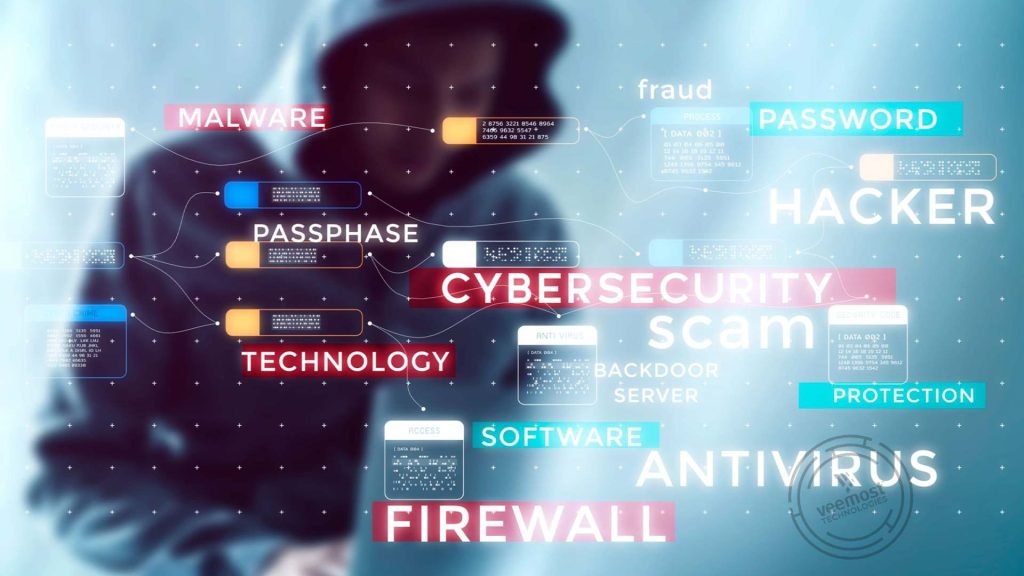
Another critical tool is two-factor authentication (2FA), which requires users to provide two distinct forms of validation before granting access. This may involve something you know, like a password, combined with something you possess, such as a one-time code generated by an authentication app. This multi-layered approach greatly enhances security and is increasingly integrated into financial platforms.
Regular security updates are also vital. By consistently updating their systems, financial apps can address vulnerabilities and defend against emerging threats that could exploit outdated software. Users are often encouraged to enable automatic updates to ensure their security features are always up to date.
The Role of Users in Digital Security
While financial applications implement significant measures to protect your data, it’s essential for users to take an active role in their own security. Utilizing strong, unique passwords, being cautious of suspicious emails, and regularly reviewing account statements can help identify potential issues early on. Staying informed about the latest security trends and practices empowers users to further solidify their defenses.
In conclusion, understanding the various threats and available security features is crucial in today’s digital landscape. By familiarizing oneself with these concepts, you can better protect your financial information and navigate the complexities of securing your digital life.
LEARN MORE: Click here to discover how to stay safe from phishing
Defensive Measures in Financial Applications
To combat the ever-evolving threats targeting personal data, financial applications are integrating a wide array of advanced security resources. These defensive measures not only safeguard user information but also build trust and confidence in digital transactions. Let’s explore some of the pivotal security layers employed in financial apps that are designed to protect personal and financial data.
Encryption: The First Line of Defense
Encryption serves as a foundational element in securing data within financial applications. Essentially, encryption converts plaintext into an unreadable format, known as ciphertext, which can only be decoded with a specific key. This means that even if a malicious actor gains access to encrypted data, it remains practically useless. Leading financial institutions often incorporate industry-standard encryption protocols such as AES-256 or SSL/TLS to ensure that transactions and user data are shielded from prying eyes during transmission.
Multi-Factor Authentication (MFA): Strengthening Access Control
Multi-Factor Authentication (MFA) is another critical security feature that provides an added layer of protection beyond the traditional password. By requiring two or more verification methods, users can significantly decrease the likelihood of unauthorized access. Common forms of authentication can include:
- Something you know: A password or PIN that you create.
- Something you have: A physical device like a smartphone or hardware token that generates temporary codes.
- Something you are: Biometric data, such as fingerprints or facial recognition.
This multi-layered approach ensures that even if a password is compromised, an additional barrier must still be breached to access the account.
Regular Security Updates: A Commitment to Protection
As cyber threats become increasingly sophisticated, regular security updates have become paramount for protecting user data. Financial applications that maintain up-to-date software are better equipped to defend against newly discovered vulnerabilities and exploits. Users are often encouraged to enable automatic updates to guarantee that their applications receive critical patches the moment they become available. Additionally, many financial institutions maintain a robust commitment to security, routinely auditing their systems and implementing new technologies to stay ahead of potential threats.
Continuous Monitoring: Detecting Intrusions Early
Beyond these defensive measures, continuous monitoring of user accounts plays a key role in enhancing security. Many financial institutions employ artificial intelligence and machine learning algorithms to analyze transaction patterns and detect anomalies that could indicate fraudulent activity. By actively monitoring accounts, these systems can identify unauthorized transactions in real-time and alert users, allowing them to take swift action if suspicious activity is detected.
In summary, the security features embedded in financial applications are designed not just to react to threats but to proactively safeguard sensitive data. As the digital landscape continues to evolve, staying informed about these defenses empowers consumers to take control of their financial security and navigate the complexities of online transactions effectively.
| Advantage | Description |
|---|---|
| Enhanced Data Encryption | Utilizing advanced encryption methods, which secure your personal information against unauthorized access, providing a higher level of trust in financial transactions. |
| Real-Time Monitoring | Implementation of real-time alerts for suspicious activities, ensuring immediate response and protection of assets within financial applications. |
| User Awareness Programs | Educational initiatives about cybersecurity best practices, empowering users to recognize threats and protect themselves while interacting with financial tools. |
| Multi-Factor Authentication | Adding an extra layer of security that requires multiple forms of verification, greatly reducing the risk of unauthorized access to personal accounts. |
The advantages outlined above highlight the critical measures being taken to fortify security resources within financial applications, which are essential for protecting your personal data. In an era where digital threats are prevalent, understanding these security features can empower users and enhance their confidence in managing their financial assets effectively. Techniques such as enhanced data encryption and multi-factor authentication are just the beginning of a comprehensive approach to safeguarding personal information. Engaging with educational resources focused on cybersecurity best practices can arm consumers with knowledge and tools to mitigate risks, leading to a more secure financial experience overall.
DISCOVER MORE: Click here to learn how updates enhance performance
Advanced Threat Detection and Response
As the digital landscape expands, so does the ingenuity of cybercriminals. This reality has necessitated the development of advanced threat detection and response mechanisms within financial applications. These technologies are designed to preemptively identify potential security incidents and ensure a rapid response, minimizing potential damage to users’ personal data.
Behavior-Based Threat Detection
Behavior-based threat detection systems leverage machine learning and artificial intelligence to establish a baseline of typical user behavior. By analyzing a multitude of factors—including login times, transaction sizes, and geographic locations—these systems can spot anomalies that deviate from the norm. For example, if a user typically logs in from California but suddenly attempts to access their account from a different country, the system can flag this unusual behavior for further investigation. This proactive monitoring allows financial institutions to react swiftly, often before any actual harm occurs.
Fraud Detection Systems
Financial institutions have also adopted sophisticated fraud detection systems to minimize losses from unauthorized transactions. These systems utilize intricate algorithms that evaluate transactions in real time, taking into account factors like transaction frequency and user spending patterns. If a transaction is deemed suspicious—such as a high-value transfer to a new payee—an alert is generated, and the transaction may be temporarily halted for verification. This kind of vigilance is vital in protecting users, especially as digital transaction volumes continue to surge.
Data Loss Prevention (DLP) Solutions
Data Loss Prevention (DLP) solutions are essential for protecting sensitive information from internal threats. Financial applications often employ DLP strategies that monitor data access and movement, ensuring that unauthorized personnel cannot transfer or manipulate sensitive data. By deploying data encryption and stringent access controls, organizations can prevent potential leaks that could lead to identity theft and fraud. These measures not only protect customer data but also help institutions comply with various regulations such as the Gramm-Leach-Bliley Act and General Data Protection Regulation (GDPR), which mandate stringent data protection protocols.
User Education: Empowering Customers
While advanced technologies play a significant role in protecting personal data, user education should not be overlooked. Financial applications increasingly invest in educating users on the importance of cybersecurity and best practices for safeguarding their accounts. Initiatives such as sending regular security tips via email, providing in-app notifications about potential scams, and creating informative blogs can go a long way in enhancing consumer awareness. Educated users are often the first line of defense against common attacks like phishing, where cybercriminals impersonate legitimate institutions to steal personal information.
Compliance and Regulatory Frameworks
Lastly, compliance with cybersecurity regulations is fundamental for financial institutions to maintain integrity and build customer trust. In the U.S., agencies like the Federal Trade Commission (FTC) and the Securities and Exchange Commission (SEC) impose strict guidelines to ensure that financial organizations uphold robust security standards. Following these regulations not only helps to protect customer data but also enforces a culture of accountability and responsibility within the organization.
The concerted efforts of financial applications to integrate advanced security measures reflect an industry-wide commitment to protecting personal data. By continuously evolving their defense strategies and promoting user education, these applications aim to ensure that users feel safe navigating the complex world of digital finance.
DISCOVER MORE: Click here for insights on software updates
Conclusion: The Future of Security in Financial Applications
In an era where financial transactions increasingly occur online, the importance of robust security frameworks cannot be overstated. The multifaceted approach that financial institutions are adopting—including advanced threat detection, fraud prevention systems, and data loss prevention strategies—highlights their commitment to protecting users’ personal data. As cyber threats continue to evolve, organizations must remain vigilant and adaptive, employing cutting-edge technologies and innovative techniques to combat new forms of attacks.
Moreover, user education plays a pivotal role in this protective mechanism. By equipping customers with knowledge about cybersecurity best practices, financial applications not only empower individuals but also enhance the overall security landscape. A well-informed user base acts as a strong first line of defense against common threats like phishing and identity fraud.
Lastly, compliance with regulatory frameworks is not merely about adherence but serves as a cornerstone for building trust. Organizations that prioritize transparency and accountability in their security practices are more likely to foster long-lasting relationships with customers, resulting in increased confidence in digital financial services.
The ongoing dialogue around cybersecurity in financial applications will undoubtedly pave the way for new strategies and innovations. By staying abreast of the latest developments and continuously investing in protective resources, both financial institutions and users can contribute to a safer digital economy, ensuring that personal data remains secure and transactions remain seamless.
Related posts:
Innovative Resources in Learning Apps: How Exploration Can Enhance Online Education
How Accessibility Resource Exploration in Apps Can Enhance User Experience for Everyone
The Importance of Resource Exploration in Health Apps: Benefits for User Well-Being
How Resource Exploration Can Transform Your Workflow with Productivity Apps
Exploring Hidden Resources in Popular Applications: Tips to Maximize User Experience
Discovering Gamification Resources in Fitness Apps: How to Maintain Motivation and Increase Adherenc...

Beatriz Johnson is a seasoned tech writer and digital tools expert with a passion for simplifying the complexities of technology and mobile applications. With over a decade of experience in the tech industry, she specializes in topics like productivity apps, software reviews, and emerging digital trends. Through her work, Beatriz empowers readers to make informed technology choices and stay ahead in the ever-changing world of apps and innovation.