
The Impact of Gamification on Fitness Engagement
In the ever-evolving landscape of fitness, gamification has carved out a significant niche by blending technology with physical wellness. This fusion redefines how individuals approach their exercise routines, transforming otherwise laborious tasks into enjoyable and rewarding activities. Fitness apps that harness gamification principles effectively motivate users by making fitness feel less like a chore and more like an engaging game.
How Rewards Systems Enhance Motivation
At the core of many gamified fitness apps lies a comprehensive rewards system. Users can earn points, badges, and unlock milestones as they achieve specific fitness goals. For instance, platforms like Fitbit and MyFitnessPal offer badges for reaching daily step counts or logging meals consistently, providing users with tangible recognitions of their efforts. These digital accolades not only serve as motivation but also foster a sense of accomplishment, encouraging continued participation in workouts and healthy habits.
Encouraging Friendly Competition
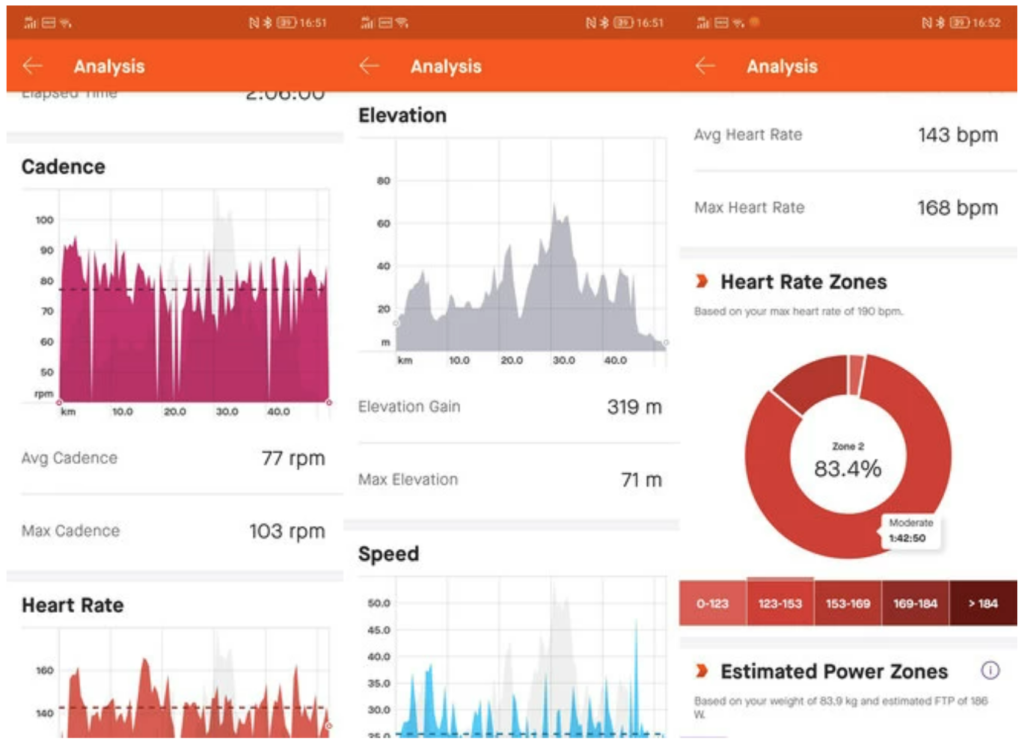
Another hallmark of gamification is the introduction of competitive elements, such as leaderboards. Many fitness apps incorporate features that allow users to compare their progress with friends and community members. This competitive spirit can lead to increased activity as users strive not to be outdone, prompting them to enhance their performance week after week. An example is Strava, where cyclists and runners can see how they stack up against others on various routes, turning every workout into an opportunity for rivalry and motivation.
Engaging Participants with Challenges and Quests
Fitness apps often introduce challenges and quests that are themed to keep workouts exciting and varied. Users can partake in month-long challenges focused on increasing step counts or specific fitness goals like mastering a new yoga pose. Apps like Nike Run Club frequently roll out time-limited events that encourage users to complete a set number of runs or to try new workouts within a specified timeframe. This not only alleviates the monotony of routine exercises but also invites users to explore different fitness avenues without the fear of failure.
Research supports the notion that gamification can significantly bolster adherence to fitness regimens. A study published in the Journal of Medical Internet Research revealed that users engaged in gamified environments were more likely to maintain their workout commitments compared to those relying solely on traditional fitness plans. The motivational boost provided by rewards and community interaction can be particularly significant in what is often a challenging journey towards fitness.
As you navigate the expansive world of fitness technology, consider how various gamified features can not only keep you motivated but also actively enhance your commitment to a healthier lifestyle. Discovering the right app tailored to your preferences might unlock new levels of engagement in your fitness journey. With a plethora of options available, it’s an opportune moment to explore the impactful intersection of technology and exercise.
LEARN MORE: Click here to dive deeper
Exploring Engaging Features in Fitness Apps
As the wave of gamification sweeps through the fitness industry, users are presented with an exciting array of features designed to keep them motivated and engaged. By integrating elements commonly found in gaming, fitness apps have the potential to foster a more interactive experience, transforming the way individuals approach their health and wellness goals. Some of the standout features that can significantly enhance user engagement include:
- Personalized Feedback: Gamified fitness apps often utilize advanced algorithms to provide users with tailored feedback based on their performance. This personal touch not only helps users identify areas for improvement but also highlights their progress, creating a sense of ownership over their fitness journey.
- Virtual Training Partners: Many fitness apps now include options for users to train with intelligent bots or virtual coaches that simulate human interaction. These digital companions provide real-time encouragement, making workouts feel less solitary and more collaborative. This feature can be especially beneficial in overcoming the initial reluctance to start a new fitness routine.
- Social Networking Capabilities: Connecting with friends and family through fitness apps amplifies the element of accountability. Users can share their achievements or even set up challenges with one another, significantly increasing the likelihood of adherence. Social integration fosters a community spirit that can sustain motivation even during challenging times.
- Missions and Badges: Completing specific missions, such as a certain number of workouts per week, can earn users unique badges celebrating their accomplishments. The desire to collect badges can incentivize users to push through tough workouts, knowing that they get to showcase their achievements.
The integration of such engaging features not only captures the interest of users but has been linked to improved physical activity levels and sustained adherence. In fact, a survey conducted by the American College of Sports Medicine showed that users of gamified fitness apps were 27% more likely to stick with their exercise routines than non-users. This data underscores the importance of incorporating elements of play into fitness to create enjoyable experiences that pave the way for long-term fitness adherence.
Adaptability and Varied Workouts
One of the strengths of gamified fitness apps lies in their adaptability. By catering to diverse user preferences, these apps can offer a variety of workout plans ranging from HIIT sessions to yoga routines. This rich selection not only keeps things exciting but also enables users to explore different types of exercise without the fear of monotony. Apps like Aaptiv or Sworkit, for instance, offer a library of workouts to choose from, ensuring that users find something that sparks their interest each time they log in.
As you delve deeper into the world of gamification in fitness, consider the distinct features that resonate with you. Identifying what aspects are most motivating will empower you to choose an app that aligns with your fitness aspirations, helping you to maintain enthusiasm and adherence to your health journey.
| Gamification Features | Impact on Motivation |
|---|---|
| Badges and Achievements | These visual rewards foster a sense of achievement, encouraging users to stay engaged with their fitness goals. |
| Leaderboards | Introducing a competitive element, leaderboards inspire users to push their limits and strive for better performance. |
| Challenges and Missions | By participating in challenges, users gain a sense of community and purpose, further enhancing their commitment to fitness. |
| Progress Tracking | Real-time feedback on progress helps users set achievable goals, leading to improved adherence over time. |
Engagement in fitness apps has dramatically increased due to the incorporation of gamification elements. These features not only make the experience enjoyable but also vital for maintaining long-term motivation. For instance, apps offering badges and achievements create tangible reminders of success, appealing to the psychology of rewards. Coupled with leaderboards, users can see their progress compared to others, igniting a competitive spirit that can drive them to new heights.Moreover, challenges and missions within apps can establish a sense of community, as users often participate alongside friends or groups. This social aspect is crucial; it helps to build accountability and keep individuals engaged, making them less likely to abandon their fitness journey. Additionally, with the ability to track progress, users observe their own improvements, reinforcing their dedication and adherence to goals. By leveraging these gamification resources, fitness apps can significantly transform user motivation and commitment in their health journeys.
LEARN MORE: Click here to discover the impact of AI on your privacy
Incentives and Rewards: Fueling the Fitness Journey
At the heart of gamification in fitness apps lies the profound impact of incentives and rewards. By introducing a system that recognizes user efforts, these applications create powerful motivators that encourage consistent engagement. One of the primary ways this is accomplished is through the implementation of reward systems that operate on both tangible and intangible levels.
Many fitness applications leverage rewards such as discounts on gym memberships, access to premium features, or merchandise to amplify user motivation. For instance, apps like Nike Training Club provide exclusive discounts to users who complete specific milestone challenges, enticing them to push harder. This tangible form of recognition can turn a user’s commitment to fitness into a game of achieving rewards, thereby significantly increasing the likelihood of sticking with their routines.
Additionally, the psychological aspect of earning rewards cannot be overstated. Digital badges or leaderboards gamify the fitness experience, allowing users to track their progress publicly. By showcasing their effort alongside peers, users feel a sense of accomplishment and readiness to compete. This competitive edge can drive adherence, as it transforms individual progress into a shared community pursuit. For instance, Fitbit’s integration of leaderboards inspires users to strive for the top positions, stimulating a friendly rivalry among friends and family. The power of social comparison can be a catalyst for maintaining motivation—creating a sense of urgency to keep moving forward.
Storytelling and Narrative Elements
Another inspiring feature rooted in gamification is the use of storytelling and narrative elements to engage users effectively. Several fitness apps incorporate storytelling approaches that immerse users in an adventurous fitness journey. For example, Zombies, Run! turns running into an immersive story where each run transports users into a post-apocalyptic world, tasking them with missions that require completing specific distances while evading zombies. This unique blend of fitness and narrative constructs a compelling experience, converting a mundane workout into an exciting quest.
The emotional investment in such narratives enhances user engagement. When users feel connected to a storyline, they are more likely to work toward their goals. Moreover, it adds a layer of enjoyment that traditional workout routines often lack, making exercise feel less like a chore and more like an adventure filled with purpose.
The Role of Progress Tracking
Lastly, the importance of progress tracking in gamified fitness apps cannot be underestimated. Users are more inclined to stay committed to their fitness regimes when they can visually see the fruits of their labor. Most gamified fitness apps provide comprehensive analytics and visualizations, such as graphs to track progress over time, allowing users to celebrate milestones frequently. Programs such as MyFitnessPal not only track workouts but also monitor calorie intake, encouraging individuals to stay mindful of their nutrition while connecting that data to their fitness goals.
In essence, providing users with the ability to monitor their achievements fosters a sense of control over their fitness journey. By highlighting improvements, whether that be in weight loss, lifted weights, or overall stamina, users feel empowered and validated in their efforts. This clear tracking mechanism has been shown to bolster commitment; studies indicate that individuals who engage in self-monitoring are significantly more likely to achieve their fitness goals compared to those who do not.
Overall, gamification’s allure in fitness apps lies within the intricacies of these varied resources. By effectively combining incentives, storytelling, and diligent progress tracking, users can harness these features to not only ignite motivation but also cultivate long-term adherence to their health and fitness aspirations.
DIVE DEEPER: Click here to uncover more insights
Conclusion: Unlocking the Potential of Gamification in Fitness Apps
As we have explored, the realm of gamification in fitness apps provides a transformative approach to maintaining motivation and increasing adherence to fitness routines. By integrating strategies that emphasize incentives, immersive storytelling, and insightful progress tracking, these applications make the pursuit of health and fitness not only engaging but also accessible. This is crucial in a society where many struggle with motivation and commitment to a regular exercise regimen.
The blend of tangible rewards, such as discounts and exclusive access, with the psychological benefits of community engagement and competition can significantly enhance user motivation. Furthermore, incorporating narratives and immersing users in captivating fitness quests brings an element of fun that radically changes the perception of exercise from a mundane chore to an enjoyable activity replete with purpose and adventure.
Progress tracking serves as a vital tool that empowers individuals to visualize their journey, reinforcing a sense of control and achievement along the way. This multifaceted approach, rooted in gamification, encourages a sustainable path to health that appeals to diverse audiences, supporting the notion that fitness can be both challenging and enjoyable.
In conclusion, the key to unlocking successful fitness journeys lies in the artful application of gamification resources. As you explore various fitness applications, consider how these features resonate with you and how they can be incorporated into your routine. Whether you are a novice or a fitness enthusiast, the evolving landscape of gamified fitness apps holds the potential to transform your relationship with exercise, propelling you to embrace a healthier lifestyle.
Related posts:
Exploring Security Resources in Financial Applications: Protecting Your Personal Data
Unveiling Customized Resources in Social Media Apps: Strategies for Increased Engagement
How Resource Exploration Can Transform Your Workflow with Productivity Apps
The Importance of Resource Exploration in Health Apps: Benefits for User Well-Being
Tips for Discovering Collaboration Resources in Remote Work Applications: Boosting Team Productivity
How Accessibility Resource Exploration in Apps Can Enhance User Experience for Everyone

Beatriz Johnson is a seasoned tech writer and digital tools expert with a passion for simplifying the complexities of technology and mobile applications. With over a decade of experience in the tech industry, she specializes in topics like productivity apps, software reviews, and emerging digital trends. Through her work, Beatriz empowers readers to make informed technology choices and stay ahead in the ever-changing world of apps and innovation.