The Intersection of Nature and Art: Exploring Environmental Themes in Creative Expression
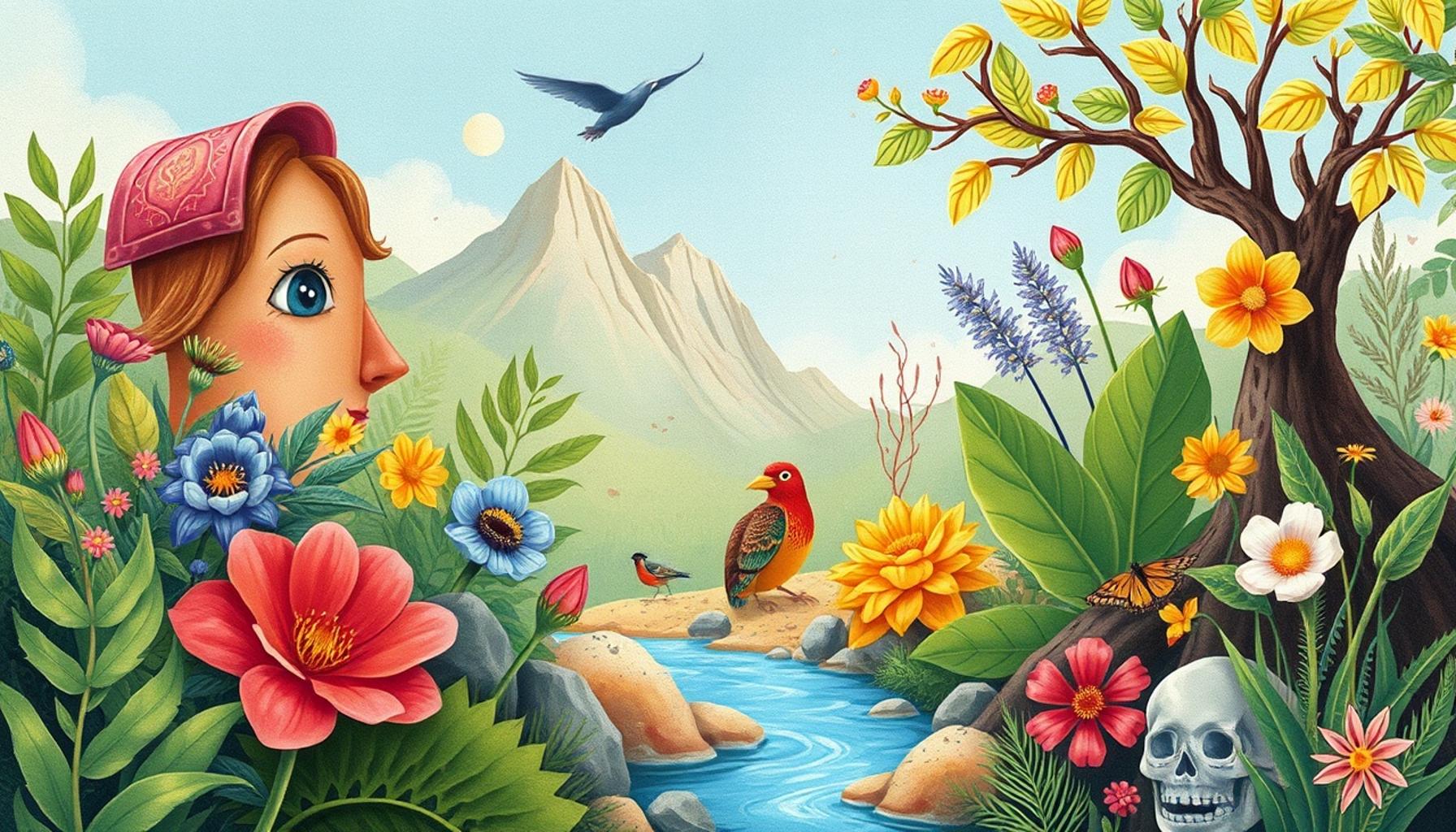
The Intersection of Nature and Art
The relationship between nature and art serves as a rich tapestry woven with inspiration, reflection, and a call to action. Over centuries, artists have not merely observed the natural world; they have engaged with it, transforming their experiences into expressions that capture both the aesthetic beauty and the environmental crises we face. This dialogue deepens our understanding of the world and fosters a sense of responsibility toward preserving it.
When examining the role of visual arts, one can find a range of interpretations that respond to nature’s architecture and fragility. Renowned artists such as Ansel Adams and Georgia O’Keeffe have immortalized landscapes that resonate with viewers while shining a light on the need for conservation. Adams’ black-and-white photographs of the American West not only celebrate the majestic scenery but also played a crucial role in the establishment of national parks. In stark contrast, contemporary artists like Olafur Eliasson use installations to confront the reality of climate change, creating immersive works that reflect the melting icecaps and rising sea levels.
Literature provides another avenue through which nature’s allure and vulnerabilities are explored. Writers like Rachel Carson, whose seminal book *Silent Spring* sparked the environmental movement, weave narratives that are both poetic and urgent. Through evocative prose, they illustrate the delicate balance of ecosystems and the dire consequences of human inaction. Furthermore, contemporary authors such as Margaret Atwood also delve into nature’s complexities, addressing themes of ecological destruction in dystopian settings, thereby challenging readers to envision the potential outcomes of our current trajectory.
The realm of performance art carries its own unique power, using the immediacy of the moment to engage audiences in pressing conversations around environmental stewardship. Artists like Marina Abramović have used their bodies in powerful performances to comment on human connection to the earth, urging viewers to reflect on their relationship with nature. Additionally, events like the “Climate Change Theatre Action” involve theater groups worldwide presenting plays that advocate for climate action, further bridging the gap between the arts and social responsibility.
Central to this artistic exploration are pressing environmental issues, such as pollution, which serve as poignant subjects for many creatives. Artists draw attention to the destructive impacts of waste and human activity on natural landscapes. For instance, installations featuring plastic waste not only evoke discomfort but also invite people to reconsider their consumption habits. Similarly, the alarming rate of biodiversity loss inspires artworks that urge protection for endangered species, compelling viewers to confront the tangible and intangible costs of human expansion.
Finally, the pervasive threat of climate change has necessitated a response from the art community. From poignant documentaries to interactive exhibitions, artists illustrate the catastrophic effects of climate disruption on various environments, emphasizing urgency in addressing this global crisis. The narrative woven through these methodologies goes beyond aesthetics; it ignites a conversation that aligns with planetary health and ethics.
As we increasingly recognize the interconnectedness of nature and art, it becomes clear that artists hold a potent ability to advocate for environmental awareness. Their creative expressions serve not only to illuminate the beauty of our planet but also challenge us to take action. By engaging with these reflections, we can foster a deeper appreciation for art while motivating progressive change aimed at achieving a more sustainable future.
EXPLORE MORE: Click here to discover the therapeutic benefits
Art as a Catalyst for Environmental Awareness
Art has always been a mirror reflecting the world around us, but in recent years, it has increasingly become a powerful catalyst for environmental awareness. Throughout history, artists have taken on the role of storytellers, capturing the beauty and intricacies of nature while also confronting its challenges. This evolving relationship between art and nature serves not only as a source of inspiration but also as a platform for advocacy, pushing the boundaries of how we perceive our environment.
In the realm of visual arts, many contemporary artists are tackling pressing environmental issues. Through their work, they illustrate the devastating effects of human activities on the planet. For example, installations by artists like Chris Jordan, which transform consumed materials into breathtaking yet harrowing visual representations, force viewers to confront the staggering extent of waste and consumption patterns. His piece, *Midway: Message from the Gyre*, depicts the tragic fate of seabirds consuming plastic, powerfully reminding us of our everyday choices and their long-term consequences.
Here are a few key areas where visual arts intersect with environmental themes:
- Natural Landscapes: Artists often focus on depicting the beauty of unspoiled landscapes to inspire admiration and appreciation for nature’s magnificence.
- Environmental Degradation: Art serves as a documentation of the effects of pollution, climate change, and habitat destruction, urging viewers to acknowledge urgent issues.
- Community Engagement: Participatory art projects can foster local stewardship by involving community members in environmental restoration and awareness initiatives.
Additionally, literature plays a critical role in shaping environmental consciousness. The prose of writers like Wendell Berry and Terry Tempest Williams excels at weaving narratives that reflect a profound connection to the earth. Their storytelling often emphasizes the necessity of sustainability and ethical interactions between humanity and nature, encouraging readers to recognize their vital role in mitigating environmental harm. Such literature not only entertains but also enlightens, fostering a deep awareness of the intricate systems that sustain life on Earth.
Moreover, the intersection of performance art and environmental themes offers an immediate and visceral experience that can profoundly impact audiences. For instance, the work of artist and activist Ai Weiwei often highlights human rights alongside environmental concerns, portraying how these issues are intrinsically linked. His performances and installations compel viewers to engage with the art physically, prompting a reflection on their role in pressing global issues.
In this dynamic intersection of nature and art, creative expression emerges as a vital avenue for advocacy and reflection. By showcasing both the beauty and fragility of our surroundings, artists challenge us to reconsider our relationship with the earth and take meaningful actions toward its preservation. As audiences engage with these multifaceted artworks, they are not merely passive observers but active participants in a broader dialogue about environmental responsibility.
The Intersection of Nature and Art: Exploring Environmental Themes in Creative Expression
As we delve into the intricate relationship between nature and art, it becomes evident that creative expression serves as a powerful medium for raising environmental awareness. Artists today are increasingly influenced by the natural world, drawing inspiration from its beauty and fragility. This synergy between nature and art creates a rich tapestry of work that speaks to pressing issues such as climate change, conservation, and sustainability. By utilizing their platforms, artists can evoke emotions in their audience, prompting them to reflect on their connection to the environment and the impact of human activity.
Moreover, various art forms, including installations, sculptures, and photography, often incorporate organic materials and themes that highlight ecological concerns. For example, installations using recycled materials not only showcase the potential for reuse but also challenge conventional notions of waste. This transformative approach to art emphasizes how creativity can bring awareness to environmental degradation and encourage dialogues about solutions.
Additionally, nature’s inherent ephemeral beauty, as seen in the changing seasons and biodiversity, becomes a source of wonder and inspiration for artists. Works that celebrate these transient moments serve as a reminder of what is at stake if we fail to protect our planet. By intertwining art and environmental themes, creatives set the stage for a broader conversation about respect for nature and the responsibilities we hold towards it.
| Category | Advantages |
|---|---|
| Environmental Awareness | Art raises consciousness about ecological issues. |
| Community Engagement | Promotes collaboration between artists and communities for environmental action. |
| Sustainable Practices | Encourages the use of eco-friendly materials in creative works. |
| Cultural Reflection | Art captures the essence of cultural relationships with nature. |
Through this exploration of the intersection of nature and art, we find that creative expression does not merely reflect our surroundings; it can actively participate in shaping our environmental landscape and preserving the planet for future generations. As we continue to engage with this theme, we open the door for innovative ideas and sustainable practices that can inspire change and foster a deeper appreciation for the environment.
DISCOVER MORE: Click here to learn about the therapeutic benefits
Activism Through Artistic Expression
As the climate crisis intensifies, artists are increasingly transforming their craft into a form of activism. This movement has given rise to a plethora of projects that not only celebrate nature but also advocate for its protection. Artists wield their talents to inspire change, urging audiences to consider their role in environmental preservation and sustainability.
One notable example is the “Earth Day” collaborations, where artists from diverse disciplines come together to create works focused on environmental themes. Events such as the National Earth Day Art Exhibition in Washington, D.C., showcase artworks that are directly influenced by ecological issues. These exhibitions not only enhance visibility for environmental concerns but also create community dialogue and inspire collective action among attendees.
However, activism is not limited to visual arts. In the realm of music, artists like Billie Eilish and Jack Johnson utilize their platforms to raise environmental awareness. Eilish’s songs often embody themes of personal and social responsibility towards our planet, while Johnson is known for both his environmentally-focused music and his foundation that supports sustainable food systems. Their lyrical activism further amplifies the connection between nature and creative expression, transforming a mere listening experience into powerful calls to action.
Theatre is another avenue through which environmental themes pierce through traditional narratives, engaging audiences in profound ways. Productions like “The Lion King” not only entertain but also highlight the importance of preserving wildlife and ecosystems. Eco-friendly initiatives in theatre, including utilizing recycled materials for set designs and actively promoting sustainable practices, reveal a commitment to the themes being portrayed on stage.
Public art installations also bring environmental issues to the forefront of urban landscapes. Projects such as Randy Johnson’s “The Ocean Cleanup” installation illuminate the plight of our oceans and grasp the public’s attention in busy environments. Such provocative art pieces invite passersby to reflect on the urgent need for change while simultaneously fostering community engagement to address these critical issues.
Moreover, digital platforms are expanding the reach and impact of art focused on environmental themes. Artists are now using social media as a canvas, creating campaigns that resonate with broader audiences. Hashtags like #ArtForTheEarth accumulate immense followings, connecting artists and activists globally, and amplifying their messages regarding climate change and environmental justice.
These multifaceted approaches highlight the importance of art as a medium for discussion and action in the fight for environmental integrity. By employing creativity as a tool for activism, artists are empowering individuals to rethink their daily habits, consider their impact on the planet, and adopt sustainable practices. Every brushstroke, lyric, and performance serves a purpose, particularly in a time where taking action for our environment is more critical than ever.
DIVE DEEPER: Click here to uncover the magic of storytelling in art
Conclusion: The Art of Environmental Advocacy
In conclusion, the intersection of nature and art is proving to be a powerful conduit for environmental advocacy and awareness. Artists across various disciplines are not merely observers of our planet’s beauty; they are active participants and passionate advocates for its preservation. From poignant visual art that captures the essence of endangered ecosystems to evocative music that resonates with the call for sustainability, creative expression serves as a vital medium for dialogue and action.
The growing trend of artistic activism underscores the ability to inspire and mobilize individuals across communities in the United States and beyond. Events like the National Earth Day Art Exhibition bridge art with activism, fostering connections among diverse audiences who may share differing views but unite in their appreciation for the environment. Similarly, initiatives within theatre and public installations create immersive experiences that educate and engage the public on pressing environmental issues.
Moreover, in this digital age, artists leverage social media as a collaborative platform, unifying voices and extending the reach of their messages through hashtags like #ArtForTheEarth. This connection not only enhances visibility for environmental campaigns but also empowers individuals to take personal responsibility for their ecological footprint.
As we face unprecedented environmental challenges, the roles of artists as communicators and change-makers have never been more crucial. Each artistic endeavor carries the potential to shift perspectives, spark conversations, and drive collective action. The fusion of nature and art invites us to reflect on our relationship with the environment and reminds us that creativity is an essential component in the fight for a more sustainable future.
Related posts:
Exploring the Evolution of Street Art: From Vandalism to Mainstream Acceptance in Creative Hobbies
The Role of Art in Cultural Identity: Celebrating Diversity Through Creative Expression
The Healing Power of Art: How Creative Expression Aids Mental Health
The Role of Humor in Artistic Expression: Finding Joy Through Creative Hobbies
Exploring Different Mediums: From Painting to Digital Art in Artistic Expression
The Influence of Music on Visual Arts: Harmonizing Creative Expression

Beatriz Johnson is a seasoned creative enthusiast and writer with a passion for simplifying the intricacies of artistic hobbies and DIY projects. With over a decade of experience exploring various creative fields, she specializes in topics like crafting, painting, and innovative DIY techniques. Through her work, Beatriz inspires readers to unleash their creativity, try new artistic endeavors, and stay inspired in the ever-evolving world of creative hobbies.