Exploring the Intersection of Technology and Crafting: Digital Tools for Traditional Skills
The Transformation in Crafting
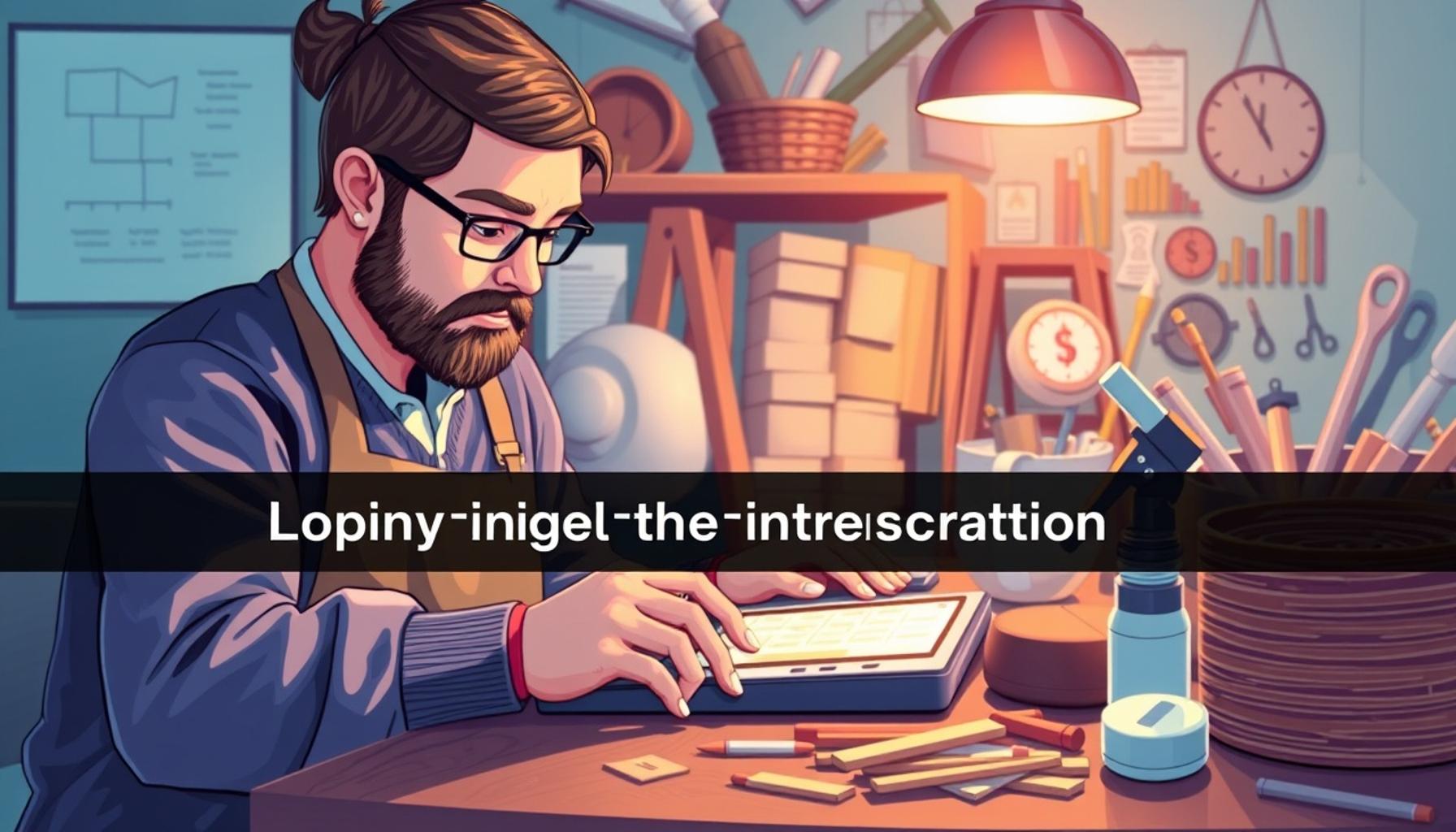
As digital innovations continuously reshape various aspects of life, the crafting community stands at a fascinating crossroads. This evolution melds traditional skills like woodworking, sewing, and pottery with cutting-edge technology, resulting in a symbiotic relationship that inspires artisans and hobbyists to explore new horizons.
Among the most revolutionary advancements in crafting is 3D printing. This technology empowers creators to produce highly intricate designs that would be nearly impossible to achieve using traditional methods. For instance, a sculptor can create complex geometric shapes or custom-fit components for a larger project, all within hours instead of weeks. In the realm of jewelry-making, artisans can prototype unique pieces without committing to expensive materials initially. By simply adjusting digital files, they can refine their designs until perfection is achieved.
Another significant aspect of modern crafting is the availability of design software. Tools such as Adobe Illustrator or specialized apps like Cricut Design Space allow users to push their creative boundaries. They offer limitless customization options, enabling crafters to visualize projects with precision. For example, a seamstress can draft clothing patterns, tweak dimensions, and experiment with various fabrics digitally before cutting any material. Such software not only streamlines the design process but also helps in experimenting without the associated costs of physical materials.
Community and Collaboration
In today’s interconnected world, online communities have emerged as vital hubs for crafters. Platforms like Reddit, Facebook groups, and dedicated crafting forums connect individuals from diverse backgrounds, fostering collaboration and resource-sharing. Engaging with these communities provides access to a treasure trove of tutorials, tips, and innovative techniques shared by fellow enthusiasts. This global network encourages a sense of belonging and support among crafters, whether they are beginners or seasoned professionals.
Integration of Digital Tools
Rather than rendering traditional crafting methods obsolete, these digital tools serve to enhance and refine them. The integration can result in:
- Skill enhancement: Through plentiful online courses, crafters can easily learn new techniques, be it in pottery glazing or advanced sewing patterns.
- Efficient workflows: Digital technology streamlines production processes, allowing both amateur and professional creators to focus more on creativity and less on logistics.
- Wider reach: The advent of e-commerce platforms and social media enables artisans to showcase and sell their handmade goods to a global audience, transcending geographical limitations.
As crafting evolves, the landscape is thriving with the promise of innovation and creativity. The melding of traditional skills with modern advancements is not only revitalizing the craft community in the United States but also creating a playground for endless exploration. With opportunities to learn, collaborate, and market their work, crafters today stand poised to push the boundaries of what’s possible in the world of handmade artistry.
DISCOVER MORE: Click here to dive into the evolution of DIY crafting
Embracing New Technologies in Crafting
As artisans delve into the world of combining traditional skills with digital technology, a remarkable transformation takes place. This intersection not only enhances creativity but also reinvents the entire crafting experience. The potential for innovation is vast, and makers are eagerly adopting tools that allow for greater precision, efficiency, and inspiration. Whether through automated machines or sophisticated software, crafting has transformed into a realm where technological capabilities can elevate the artistry involved.
One of the most popular tools that have gained traction among crafters is the laser cutter. This machine enables users to cut, engrave, and etch designs with remarkable accuracy. For instance, woodworkers can create intricate patterns that stack perfectly together, minimizing the need for extensive hand-finishing. Artists using acrylics can achieve elaborate customization with sensational detail that highlights the beauty of their work. This technology brings a level of finesse to crafting that was previously unattainable, allowing for the rapid creation of prototypes or unique pieces that capture the eye.
Moreover, digital fabrication does not stop at laser cutting. Alongside 3D printing, the use of CNC (Computer Numerical Control) machines is on the rise. These devices empower artisans to carve and shape materials with automated precision. In industries like furniture making, CNC machines can create complex designs from a variety of materials, including wood, metal, and plastic. This tech-driven approach fosters not only creativity but also a new standard of quality and consistency in products.
The Role of Online Platforms
With the emergence of digital tools, various online platforms have popped up, providing resources for crafters to expand their knowledge and skill set. Websites such as Skillshare and YouTube offer a plethora of instructional videos that cover everything from the basics of digital design to advanced crafting techniques. Crafters can immerse themselves in learning environments tailored specifically for making, thereby receiving insight from experienced professionals and fellow enthusiasts alike.
- Virtual Workshops: Many establishments now host online workshops that focus on integrating technology with crafting, offering hands-on experience right from the comfort of one’s home.
- Digital Libraries: Access to cloud-based libraries allows crafters to store digital patterns, tutorials, and templates for easy retrieval and use.
- Community Challenges: Craft-based online communities frequently host design challenges that encourage participants to experiment with different digital tools, pushing the boundaries of their creativity.
The integration of technology into crafting not only nurtures individual expression but also catalyzes the evolution of craftsmanship. As crafters embrace these new tools, they find themselves engaged in a dialogue between tradition and innovation—each influencing the other in ways that enrich the world of handmade artistry. The melding of digital solutions with time-honored techniques invites everyone, from novices to seasoned makers, to redefine their approach to crafting.
Exploring the Intersection of Technology and Crafting
As we delve deeper into the fusion of technology and traditional crafting methods, it becomes evident that digital tools have the potential to transform the way artisans work. These tools not only assist in enhancing the precision of handmade products but also open up avenues for creative expression that were previously unattainable. A significant aspect of this intersection is how software applications and digital platforms empower crafters to promote their art and reach a global audience.
Virtual reality and augmented reality, for instance, offer immersive experiences that allow users to visualize their projects before they materialize, paving the way for innovative designs. Furthermore, the availability of online tutorials and workshops makes learning new skills more accessible—potters, woodworkers, and textile artists can now integrate new techniques into their practice without the constraints of geographical limitations.
In addition, social media platforms serve as vibrant marketplaces where artisans can showcase their work, gather feedback, and even sell directly to consumers. This direct line to the audience fosters a community of like-minded creators, making it easier than ever to share ideas and collaborate across disciplines. The blending of technology and craftsmanship thus not only preserves traditional skills but also revitalizes them, ensuring that they adapt and thrive in a modern context.
| Category | Advantages |
|---|---|
| Digital Design Tools | Enhances precision and creativity in crafting. |
| Online Learning Resources | Provides access to a wealth of knowledge to improve skills. |
| Social Media Platforms | Facilitates global networking and sales opportunities. |
The digital age has ushered in an era where traditional crafting is not just preserved but is also redefined, encouraging a creative renaissance that embraces both the old and the new. As artisans navigate these changes, it is clear that the alliance between technology and craft offers exciting possibilities that are worth exploring further.
DISCOVER MORE: Click here to learn about the importance of craft skills
Enhancing Craftsmanship Through Software Integration
In addition to hardware innovations, software tools have become crucial in the crafting landscape, bridging the gap between analog skills and digital creativity. Programs like Adobe Illustrator and CorelDRAW have revolutionized the way artisans design their projects. With these sophisticated design platforms, crafters can create digital blueprints that are not only precise but visually striking—providing an essential foundation for subsequent fabrication processes. The ability to manipulate digital designs allows crafters to experiment with color, form, and structure before committing materials, thus minimizing waste and maximizing efficiency.
Furthermore, crafting software goes beyond basic design functions. For example, Inkscape, a free vector graphics editor, provides access to robust tools that enable design scalability without compromising quality. This is particularly beneficial for larger projects, where maintaining proportions and details is vital. By adopting such technologies, crafters not only elevate their artistic outcomes but also streamline production workflows significantly.
The Rise of Augmented Reality
Augmented Reality (AR) has also made strides in the world of craftsmanship, infusing a new dimension to the traditional crafting process. Crafters can utilize AR applications to visualize their projects in real-time, overlaying digital designs onto physical spaces before actual creation. This technology can be particularly advantageous for interior designers and furniture makers, who can simulate how a piece will look in a specific environment. Services like IKEA’s AR app allow consumers to place virtual furniture in their homes, giving them the chance to engage with products before making a purchase.
- Prototyping: AR facilitates rapid prototyping, allowing creators to identify design flaws and make adjustments promptly, which was previously time-consuming and costly.
- Client Engagement: Engaging clients through AR presentations offers an experiential dimension that enhances customer satisfaction and fosters better communication about ideas and expectations.
- Enhanced Learning: AR-enabled tutorials can also simplify learning for those new to crafting tools, guiding them step-by-step through processes in an interactive format.
Additionally, the ability to integrate cloud-based platforms has transformed project collaboration among crafters. Tools like Trello and Google Workspace allow teams to share designs, ideas, and progress seamlessly. This collaborative spirit cultivates an environment of shared knowledge, where artisans of all skill levels can contribute insights and techniques derived from their personal experiences.
The interplay between technology and crafting is creating new pathways for creativity and innovation. As artisans experiment with various digital tools, they redefine what is possible within traditional crafting domains. This digital revolution not only preserves the essence of handmade artistry but also encourages a broader audience to engage in crafting pursuits. As crafters pave their way into this new era, they continue to spark conversations around the value of skills that blend the tangible with the digital, shaping the future of craftsmanship.
DISCOVER: Click here to enhance your well-being through creativity
Conclusion: Embracing the Synergy of Crafting and Technology
The journey into the world of technology and crafting reveals a fascinating evolution that honors traditional skills while embracing modern innovation. The advancements in software tools and augmented reality not only enhance the creative process but also democratize access to crafting, allowing enthusiasts from all backgrounds to express their artistry with confidence. Today, crafters are no longer constrained by the limitations of their physical tools; instead, they wield digital mediums that foster experimentation and minimize waste—a crucial factor in sustainable practices.
The integration of cloud-based collaboration platforms further breaks down barriers, enabling artisans to connect, share, and inspire one another across geographic boundaries. This collaborative network enhances skill-sharing, promotes diverse methodologies, and cultivates an inclusivity that enriches the crafting community at large. As the crafting landscape continues to unfold, we are witnessing an exciting interplay between the tactile and the digital, resulting in innovative outcomes that reimagine the very essence of handmade artistry.
As we look ahead, it is essential to recognize that while technology can enhance traditional skills, it is the hands and hearts of the creators that ultimately breathe life into their projects. By embracing this intersection of technology and craftsmanship, we are not just preserving age-old techniques; we are actively shaping a future where creativity knows no bounds. The fusion of these worlds promises to inspire a new generation of crafters to boldly explore, innovate, and connect—the very heart of crafting redefined.
Related posts:
The Role of Craft Skills in Preserving Cultural Heritage
Reviving Forgotten Crafts: A Look at Historical Techniques in Modern Times
The Evolution of DIY Crafting: From Traditional Skills to Modern Innovations
Crafting for Mental Health: How Creative Hobbies Enhance Well-being
The Impact of Craft Skills on Personal Identity and Expression
Crafting Communities: The Social Benefits of Group Creative Hobbies

Beatriz Johnson is a seasoned creative enthusiast and writer with a passion for simplifying the intricacies of artistic hobbies and DIY projects. With over a decade of experience exploring various creative fields, she specializes in topics like crafting, painting, and innovative DIY techniques. Through her work, Beatriz inspires readers to unleash their creativity, try new artistic endeavors, and stay inspired in the ever-evolving world of creative hobbies.