The Magic of Ceramics: Creating Unique Pieces at Home
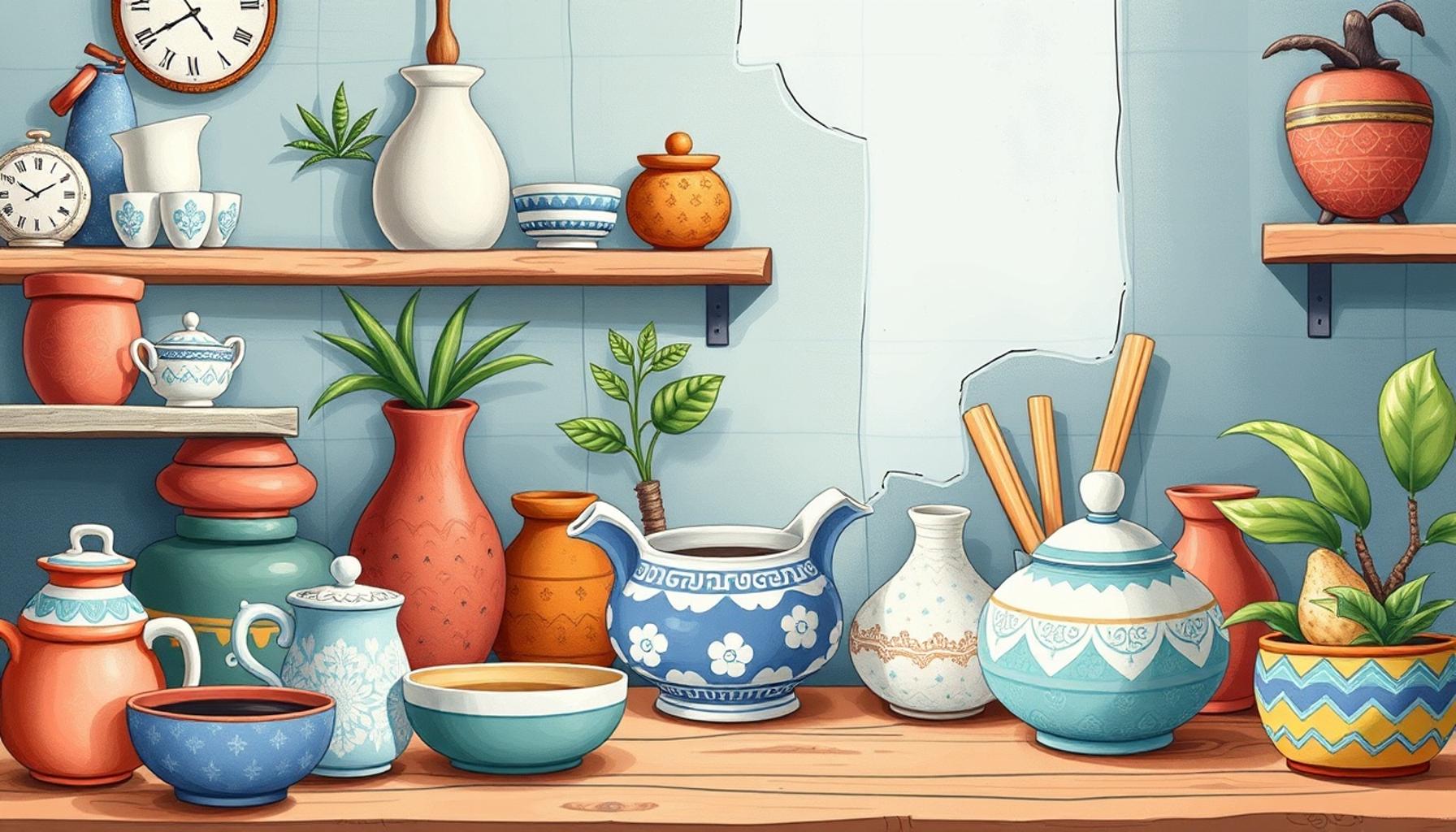
Unleashing Your Creativity with Ceramics
Exploring the world of ceramics can be a transformative experience. It allows you to combine artistic expression with functionality, creating pieces that reflect your personal style. The tactile nature of working with clay invites spontaneity and personal flair, making the process both enjoyable and rewarding. For those who may think of ceramics as merely a hobby, it can actually evolve into a profound artistic journey, enriching your life in unexpected ways. Whether you’re a novice or a seasoned artist, working with clay can offer a deep sense of accomplishment as you manipulate a malleable material into stunning, tangible forms.
As you dive into this craft, consider the various benefits:
- Therapeutic Benefits: Engaging with clay offers a soothing outlet, helping to reduce stress. Many artists find that the repetitive motions of kneading, shaping, and glazing can serve as a meditative practice, much like yoga or painting. This grounding activity allows you to focus your mind and escape daily life’s pressures, creating a space for reflection and inner peace.
- Personalization: Every creation is unique, allowing you to make gifts or home décor that truly represent your taste. From personalized mugs featuring quirky sayings to intricate vases designed for your favorite flowers, ceramics enables you to infuse your creations with personal stories and memories, making each piece special and irreplaceable.
- Community Connection: Joining local workshops or online groups can foster a sense of belonging. Interacting with other ceramic enthusiasts can open doors to better techniques, innovative ideas, and collaborative projects. Platforms like Instagram and Pinterest are brimming with inspiration, allowing for a global exchange of creativity, where even a beginner can learn from master potters.
With just a few basic tools and materials, you can embark on a journey to create stunning ceramic pieces right in your home. The essential tools usually include a pottery wheel, sculpting tools, and a kiln for firing your creations. From hand-building techniques like pinch pots or coil method to wheel-throwing, the possibilities are endless. It’s an artistic path filled with potential, where each molding of clay breathes life into your imagination.
So, whether you’re dreaming of crafting elegant dinnerware, decorative planters for your home, or unique art pieces to express your creativity, the journey of creating ceramics is both exciting and enriching. Techniques such as glazing can add texture and color, transforming simple pieces into eye-catching art. The world of ceramics holds a treasure trove of techniques and materials just waiting to be discovered. Join us as we uncover the tips and techniques that make this art form truly magical, and ignite your passion for this timeless craft.
DISCOVER MORE: Click here to learn about the mental health benefits of music
Essential Tools and Techniques for Home Ceramic Creation
Before you can embark on your ceramic-making journey, it’s crucial to understand the essential tools and techniques that will aid your creative process. Whether you envision crafting intricate sculptures or developing functional pottery, having the right equipment will set the foundation for your success.
Here’s a brief overview of the basic tools that every aspiring ceramic artist should consider:
- Pottery Wheel: A staple for many ceramicists, a pottery wheel allows you to shape clay while it spins, providing a unique experience for creating symmetrical pieces. It can be found in electric or manual versions, accommodating both complete novices and experienced potters.
- Hand Tools: A selection of hand tools is indispensable for shaping and refining your pieces. Essential tools include rib tools for smoothing surfaces, trimming tools for removing excess clay, and loop tools for intricate designs.
- Kiln: A kiln is essential for firing your clay, turning your soft creations into durable ceramic art. Whether you opt for an electric or gas kiln, understanding temperature control and firing schedules is crucial for achieving desired results.
- Clay: The choice of clay greatly influences your work. Earthenware, stoneware, and porcelain each offer distinct qualities, whether you’re looking for functionality or beauty. Each type has its own firing temperature and glazes, allowing for versatile options.
- Glazes: Glazing is where the magic happens. Different glazes can enhance your pieces with vibrant colors and textures. Experimenting with glazes can transform even the simplest shapes into exquisite showpieces.
Once you’ve amassed these tools, it’s time to experiment with various techniques to bring your vision to life. Here are a few popular methods to explore:
- Hand-building: This technique involves shaping clay without a pottery wheel. Pinch pots, coils, and slabs are foundational methods that allow for organic forms and creative shapes. Perfect for beginners, hand-building emphasizes creativity and personal touches.
- Wheel-throwing: As you progress, try wheel-throwing. This time-honored method allows for greater precision in creating uniform pottery items such as bowls, vases, and mugs. It takes time to master, but the satisfaction of producing perfectly thrown pieces will inspire you to keep practicing.
- Texturing: Adding texture to your ceramics can elevate their aesthetic appeal. Tools such as stamps, found objects, or even your fingers can create intricate patterns and designs, providing a personal touch to each piece.
Embarking on your ceramic journey can feel daunting, but it is also incredibly rewarding. With patience and practice, the ability to create alluring ceramic art at home is within reach. As you develop your skills, remember that each piece you create tells a story, not only of your artistic journey but also of your growth as a creator.
| Advantages of Home Ceramics | Key Features |
|---|---|
| Creativity Unleashed | Personalized Designs that reflect your unique style. |
| Stress Relief | Therapeutic Benefits of working with clay, reducing anxiety. |
| Cost Efficiency | Affordable Materials readily available for anyone to start. |
| Social Engagement | Community Building through classes and workshops. |
The enchanting world of ceramics opens a gateway to not just skilled artistry but also mental and emotional wellness. Engaging in this craft enhances self-expression as individuals mold and manipulate clay to create unique artworks, offering a canvas for their imaginations. Furthermore, studies have shown that the process can serve as a stress-reliever, allowing hobbyists to escape daily routines and find peace through tactile creation.In addition to personal fulfillment, home ceramics can also be a cost-effective hobby. Many materials are inexpensive and accessible, which makes it easier for newcomers to dive into this artistic venture without significant investment. As people gather in studios or workshops, they forge social connections, fostering friendships and community vibes. Such settings stimulate inspiration and collaboration, enriching the ceramic-making journey for enthusiasts of all levels. Explore the possibilities with ceramics, and discover how you can add your touch to this ever-evolving art form right at home!
DIVE DEEPER: Click here to learn more
Exploring Different Styles and Inspirations in Ceramics
Once you have a grasp of the essential tools and techniques, the next step in your ceramic journey is to explore various styles and draw inspiration from different sources. Ceramics is an ancient art form that spans multiple cultures and centuries, offering a vast canvas for creativity. Whether you wish to capture the timeless elegance of traditional designs or inject a modern twist into your work, there are countless styles to consider.
One popular source of inspiration stems from cultural traditions. For instance, Japanese ceramics, known for their minimalistic yet intricate aesthetic, often emphasize natural forms and textures. The concept of “wabi-sabi,” which celebrates imperfections and the beauty of transience, is fundamental to this style. To emulate this, you might focus on stoneware, experimenting with uneven surfaces and soft, muted glazes that reflect a sense of authenticity.
On the other hand, if you are drawn to vibrant colors and intricate patterns, consider exploring Mexican Talavera pottery. This folk art tradition is characterized by bold hues, featuring intricate hand-painted designs that evoke a sense of joy and personality. By incorporating bright, colorful glazes and stamping techniques into your work, you can create captivating pieces reminiscent of lively markets in Puebla.
Furthermore, another contemporary approach is embracing sculptural ceramics. Artists like Grayson Perry and Richard Notkin create works that blur the line between function and art, often touching on personal narratives or societal commentary. To tap into this style, you might explore abstract forms or thematic pieces that express your thoughts and emotions about current issues or personal experiences.
- Organic Forms: Allow your connection to nature to influence your work. Create pieces that mimic botanical shapes or rock formations, using natural elements like leaves or stones as stamps or molds.
- Functional vs. Non-functional: Experiment by straddling the line between utility and art. Craft functional items like mugs or bowls but incorporate artistic elements that challenge their traditional purposes.
- Mixed Media: Combine ceramic materials with other media such as wood, metal, or glass. This fusion can lead to unique pieces that showcase your ability to work across various forms and techniques.
As you explore different styles, you should also pay attention to the influences of modern design movements. Look to Scandinavian design with its clean lines and functionality, or Art Deco’s lavish aesthetic. Incorporating these philosophies into your ceramic work can provide fresh perspectives and result in unique pieces that resonate with contemporary tastes.
Moreover, don’t hesitate to draw inspiration from your surroundings. Nature, architecture, and even everyday life can spark new ideas. Take a walk through a park, visit a museum, or peruse local art fairs. Keeping a sketchbook handy to jot down thoughts, sketches, or color palettes can be a game-changer for generating ideas and refining your artistic vision.
The beauty of ceramics lies in its versatility, allowing you to blend traditional influences with personal flair. As you navigate through different styles and inspirations, remember that your artistic journey is unique. Each stroke of clay and every glaze you apply contribute to a narrative that reflects your artistry. Embrace the process and let your imagination guide you toward creating truly unique pieces at home.
DIVE DEEPER: Click here to discover the transformation of street art</
Embracing Your Ceramic Journey
In conclusion, the magic of ceramics lies not only in the crafting of unique pieces but also in the personal journey that unfolds as you explore this ancient art form. From experimenting with different styles and techniques to drawing inspiration from cultural traditions and modern design, each step is an opportunity for creativity and self-expression. By allowing your surroundings, emotions, and experiences to influence your work, you can create pieces that are truly one-of-a-kind.
As you embark on this satisfying adventure, don’t forget that making ceramics is a process filled with exploration and discovery. Embrace the imperfections that may arise, for they often lead to the most interesting outcomes. Each creation tells a story, reflecting not only your skills but also your unique perspective on life.
So, gather your clay, unleash your imagination, and dive into the dynamic world of ceramics. Whether you aim to design functional items or decorative sculptures, remember that there are no boundaries to your creativity. Continue to seek inspiration from the world around you and look for ways to incorporate new elements into your work. With time and practice, you will find that the pieces you create at home are more than mere objects; they embody the essence of your artistic journey. As you mold and shape the clay, you are also shaping a narrative that is distinctly your own.
Related posts:
The Impact of Craft Skills on Personal Identity and Expression
Reviving Forgotten Crafts: A Look at Historical Techniques in Modern Times
The Rise of Sustainable Crafting: Eco-Friendly Materials and Techniques
The Role of Craft Skills in Preserving Cultural Heritage
DIY: Transforming Recyclable Materials into Works of Art
Embroidery Techniques: Transforming Fabric into Art with Thread and Needle

Beatriz Johnson is a seasoned creative enthusiast and writer with a passion for simplifying the intricacies of artistic hobbies and DIY projects. With over a decade of experience exploring various creative fields, she specializes in topics like crafting, painting, and innovative DIY techniques. Through her work, Beatriz inspires readers to unleash their creativity, try new artistic endeavors, and stay inspired in the ever-evolving world of creative hobbies.