The evolution of street art: from vandalism to acceptance as a legitimate form of expression
Street Art: A Journey from Rebellion to Respect
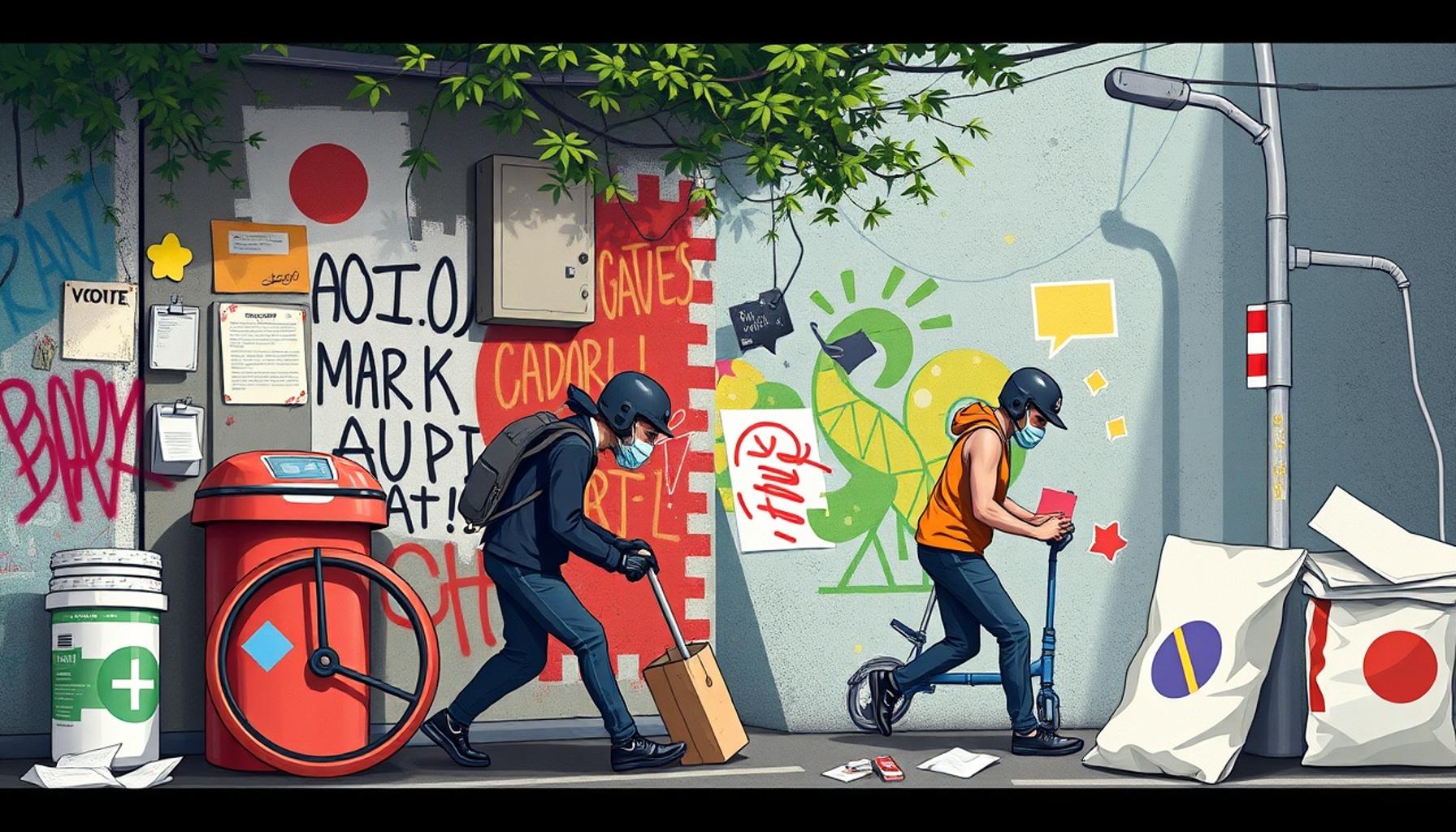
Over recent decades, the evolution of street art embodies a fascinating narrative that intertwines artistic expression with urban dynamics. Initially viewed as mere vandalism, this form of art has blossomed into a legitimate component of the contemporary art scene, captivating both critics and the general public.
Historical Context of Street Art
The roots of street art can be traced to the vibrant political climate of the 1960s and 1970s. During this era, artists began using the streets as their canvas, often to convey messages related to social justice, anti-war sentiments, and civil rights. Murals became powerful tools for marginalized communities, enabling them to voice their struggles and aspirations in a society that frequently overlooked their narratives. For instance, the rise of Chicano murals in Southern California during the civil rights movement illustrates how street art became a powerful vehicle for cultural expression and activism.
Influential Artists Shaping the Movement
Key figures have emerged in street art who have significantly influenced its trajectory and public perception. One of the most notable is Banksy, whose anonymous stencils have sparked intrigue and debate around the world. Banksy’s work often juxtaposes humor with poignant social commentary, challenging viewers to question societal norms. Similarly, Shepard Fairey, best known for his iconic “Hope” poster during the 2008 Obama campaign, has used his art to engage audiences on political issues, aligning street art closely with activism.
Changing Public Perception
The acceptance of murals and street art as valid forms of beautification has made significant strides in numerous U.S. cities. Community-led initiatives, such as mural festivals, have transformed urban landscapes and fostered a sense of pride among residents. Cities like Philadelphia, known as “The City of Murals,” showcase thousands of murals that pay homage to local culture and history, turning neighborhoods into open-air galleries.
Legal Framework and Official Recognition
As street art gains legitimacy, many municipalities have adapted their legal frameworks to accommodate artists. Permits and organized festivals now exist to showcase art legally, fostering creativity while respecting public spaces. Cities like New York have embraced this change, launching programs that support artists and allow for artistic expression in designated areas, turning formerly stigmatized acts of creation into community celebrations.
Ultimately, the journey of street art from the shadows of vandalism to a celebrated art form reflects broader societal shifts. It emphasizes the importance of public space as a canvas for dialogue and connection. As street art continues to evolve, it raises critical questions around ownership, the definition of art, and the role such expressions play within urban settings. By examining these layers, one can appreciate street art not just as decoration, but as a transformative force that captures the stories of cities and their people.
DIVE DEEPER: Click here to enhance your reading skills
The Transformation of Street Art: A Cultural Shift
As street art continued to evolve through the late 20th century, its transformation began to reflect broader cultural shifts within society. The initial perception of street art as a simple act of vandalism slowly began to dissipate, particularly as the artistic community and the public alike started to acknowledge the creativity and skill involved in this genre. Today, street art is recognized not only for its aesthetic appeal but also for its capacity to provoke thought, instigate conversations, and even catalyze change in communities.
The Role of Technology
The rise of digital technology and social media has also played a crucial role in reshaping the narrative of street art. Artists now have the ability to reach global audiences instantaneously. Platforms like Instagram allow creators to share their works beyond local boundaries, elevating them to a worldwide stage. This newfound exposure has not only attracted attention from art enthusiasts but has also encouraged new generations of artists to adopt street art as a viable form of expression.
- Increased Visibility: Artists can showcase their work to millions, gaining both recognition and opportunities that were once reserved for traditional galleries.
- Online Communities: Social media has enabled various online communities where street artists congregate, share techniques, and collaborate across long distances.
- Commercial Opportunities: Many street artists now find commercial success through merchandise, exhibitions, and collaborations with brands, demonstrating the economic potential of their art.
Street Art as a Form of Protest
Another significant facet of this cultural evolution is the role of street art as a form of protest. From the walls adorned with messages of dissent during the Civil Rights Movement to recent pieces commenting on the Black Lives Matter movement, street art has served as a visual representation of society’s grievances. It provides a platform for artists to address pressing social issues, catalyzing conversations about race, equality, and justice.
The visual language of street art often incorporates symbols and imagery that resonate with the collective experience of communities. For example, the iconic “I Can’t Breathe” mural that surfaced during the protests against police brutality became a powerful emblem of solidarity and pain for many. Such instances reveal how street art goes beyond traditional boundaries, solidifying its place in cultural dialogue and social commentary.
Challenges Ahead
Despite its increased acceptance, street art continues to navigate complex challenges. As it gains popularity, issues surrounding ownership and commercialization emerge. Questions arise about the commodification of art that was once embraced for its anti-establishment ethos. Furthermore, the relationship between street artists and authorities remains tenuous, with varying perspectives on legality and public space usage.
Ultimately, the evolution of street art from mere vandalism to a recognized form of legitimate expression highlights broader societal changes. This artistic movement serves as a reflection of urban landscapes, capturing the ever-changing narratives of communities. As street art continues to flourish and adapt, it remains an essential part of the conversation about art, identity, and the public’s relationship with their environment.
The Changing Perception of Street Art
Throughout the years, street art has experienced a substantial transformation in its perception, transcending its initial classification as mere vandalism. Historically viewed with skepticism, this art form has steadily gained recognition for its cultural and social value. Various cities around the world now embrace murals and graffiti as vital components of urban identity, showcasing the works of talented artists who transform neglected public spaces into vibrant canvases. Street art has burgeoned into a form of creative expression that tackles pressing social issues, challenges the status quo, and engages the community in dialogue. Artists like Banksy have become international icons, emphasizing the medium’s power to provoke thought and inspire change. The emergence of galleries dedicated to exhibiting street art has further validated this movement, blurring the lines between mainstream art and urban creativity.
The Role of Technology and Social Media
The growth of social media platforms has played a crucial role in the democratization of street art. Artists can now share their works with a global audience instantly, garnering recognition and support from fans and fellow creators alike. Social media has enabled talented individuals to build their brands independently, removing traditional barriers to entry within the art world. This newfound visibility allows street artists to connect with and inspire audiences in ways that were previously unattainable.Moreover, the use of digital tools has revolutionized the creation process, with many artists utilizing software to develop designs before spray painting them onto physical walls. This combination of old and new methodologies enhances the artistry within street art, allowing for intricate designs and innovative installations that captivate viewers.
| Cultural Significance | Community Engagement |
|---|---|
| Street art reflects cultural narratives and local histories. | Fosters a sense of community identity and pride. |
| Acts as a platform for social commentary, addressing issues such as inequality. | Encourages local involvement and collaboration among artists and residents. |
In light of its potential to merge artistic talent with social impact, street art’s transition from a criminalized act to a celebrated form of self-expression encapsulates broader societal movements and changes. As public spaces become galleries, the conversation surrounding street art continues to evolve, inviting further exploration into its implications and definitions.
DISCOVER MORE: Click here to find joy in creativity
The Intersection of Street Art and Mainstream Culture
As street art has transitioned into a more accepted form of expression, it has begun to intertwine with mainstream culture in various unexpected ways. Initially relegated to the fringes of society, street art has not only found its way into galleries and museums but has also influenced commercial branding and popular media. This shift raises essential questions about authenticity, ownership, and the future of street art as a cultural movement.
Street Art in Galleries and Museums
Once viewed as an act of rebellion, street art has gained significant legitimacy through its incorporation into the traditional art world. Renowned institutions like the Brooklyn Museum and the Los Angeles Museum of Contemporary Art have hosted exhibitions that highlight the evolution of street art, enabling artists to showcase their work in spaces typically reserved for more conventional forms of creativity. This acceptance not only validates the artistic merit of street art but also attracts a diverse audience that may not have engaged with these discussions otherwise.
Well-respected artists such as Banksy and Shepard Fairey have become household names, successfully blurring the lines between street art and fine art. Their works often carry profound social and political messages, reminding viewers that art can be both visually appealing and a powerful tool for change. This duality has made street art a valuable part of art history, reflecting the complexities of modern society.
Commercial Collaborations and Brand Partnerships
With acceptance comes commercialization, and this is a notable facet of the street art narrative. Various brands are now leveraging the aesthetic and social commentary of street art to connect with younger, more urban audiences. Collaborations between street artists and brands like Nike or Adidas serve as prime examples of this trend. While these partnerships provide artists with financial support and broader visibility, they also ignite debates about the potential dilution of street art’s raw and anti-establishment spirit.
These commercial endeavors raise essential inquiries: Does collaborating with corporations compromise an artist’s message? Or can these alliances amplify the reach of important societal discussions? For many artists, navigating this complex terrain involves a careful balance between authenticity and economic viability.
The Globalization of Street Art
The globalization of street art has further contributed to its transformation. Cities like Buenos Aires, Berlin, and Melbourne have emerged as vibrant hubs for street art, creating a cultural exchange that transcends borders. This exchange allows artists to draw inspirations from different cultures and styles, leading to the development of unique local expressions while fostering a collective identity that is both diverse and interconnected. Events like the International Street Art Festival in various cities exemplify this phenomenon, where artists converge to collaborate and share their cultural narratives.
Education and Future Generations
As the evolution of street art continues, educational initiatives are playing a key role in further solidifying its acceptance. Various art programs in schools are now incorporating street art as a form of contemporary expression, encouraging students to explore their creativity in engaging and socially relevant ways. By integrating street art into curricula, educators empower future generations to view this medium not just as a tool for self-expression but also as a vital commentary on societal issues.
This educational aspect is crucial in cultivating a new understanding of artistic expression among youth, reinforcing the legacy of street art as not only a personal outlet but as a legitimate voice in the dialogue surrounding culture, identity, and activism. As street art continues to thrive, it stands at the forefront of cultural innovation, addressing issues that resonate on both local and global levels.
DIVE DEEPER: Click here to discover more
Conclusion: The Future of Street Art
The remarkable evolution of street art, from its early stereotypes as mere vandalism to its current status as a celebrated form of artistic expression, highlights a profound cultural shift. Today, street art thrives not only on urban walls but also in prestigious galleries and popular media, demonstrating its undeniable impact on contemporary art and society. As it continues to gain traction, street artists are boldly asserting their voices, using their work to comment on pressing social issues while challenging conventional definitions of art.
However, this newfound acceptance comes with complexities. The interactions between street art and commercial interests prompt important discussions about the potential erosion of its original rebellious spirit. Artists must navigate the delicate balance between authenticity and the allure of commercial cooperation, with implications for how their messages are conveyed and received by the public.
The globalization of street art fosters an enriching exchange of ideas and styles, nurturing a creative landscape that is continuously evolving. As educational initiatives further integrate street art into curricula, future generations will likely carry this legacy forward, enhancing their understanding of art’s role in shaping culture and identity.
In this dynamic, the journey of street art serves as a poignant reminder of the power of expression in an ever-changing world. As walls transform into canvases and streets turn into galleries, the conversation surrounding street art will persist, driving us to consider not only its aesthetic value but also its capacity to inspire change and dialogue. This ongoing evolution invites individuals to explore the depths of this vibrant medium and its ability to resonate across communities and cultures.
Related posts:
Exploring Different Mediums: From Painting to Digital Art in Artistic Expression
Art as a Language: How Creative Hobbies Foster Communication Across Barriers
The Intersection of Nature and Art: Exploring Environmental Themes in Creative Expression
Artistic Expression as Activism: Using Creativity to Address Social Issues
Exploring Different Forms of Artistic Expression: From Graffiti to Abstract Painting
The role of art in sustainability: how artists are addressing environmental issues through their cre...

Beatriz Johnson is a seasoned creative enthusiast and writer with a passion for simplifying the intricacies of artistic hobbies and DIY projects. With over a decade of experience exploring various creative fields, she specializes in topics like crafting, painting, and innovative DIY techniques. Through her work, Beatriz inspires readers to unleash their creativity, try new artistic endeavors, and stay inspired in the ever-evolving world of creative hobbies.