Exploring Different Forms of Artistic Expression: From Graffiti to Abstract Painting
The Multifaceted World of Artistic Expression
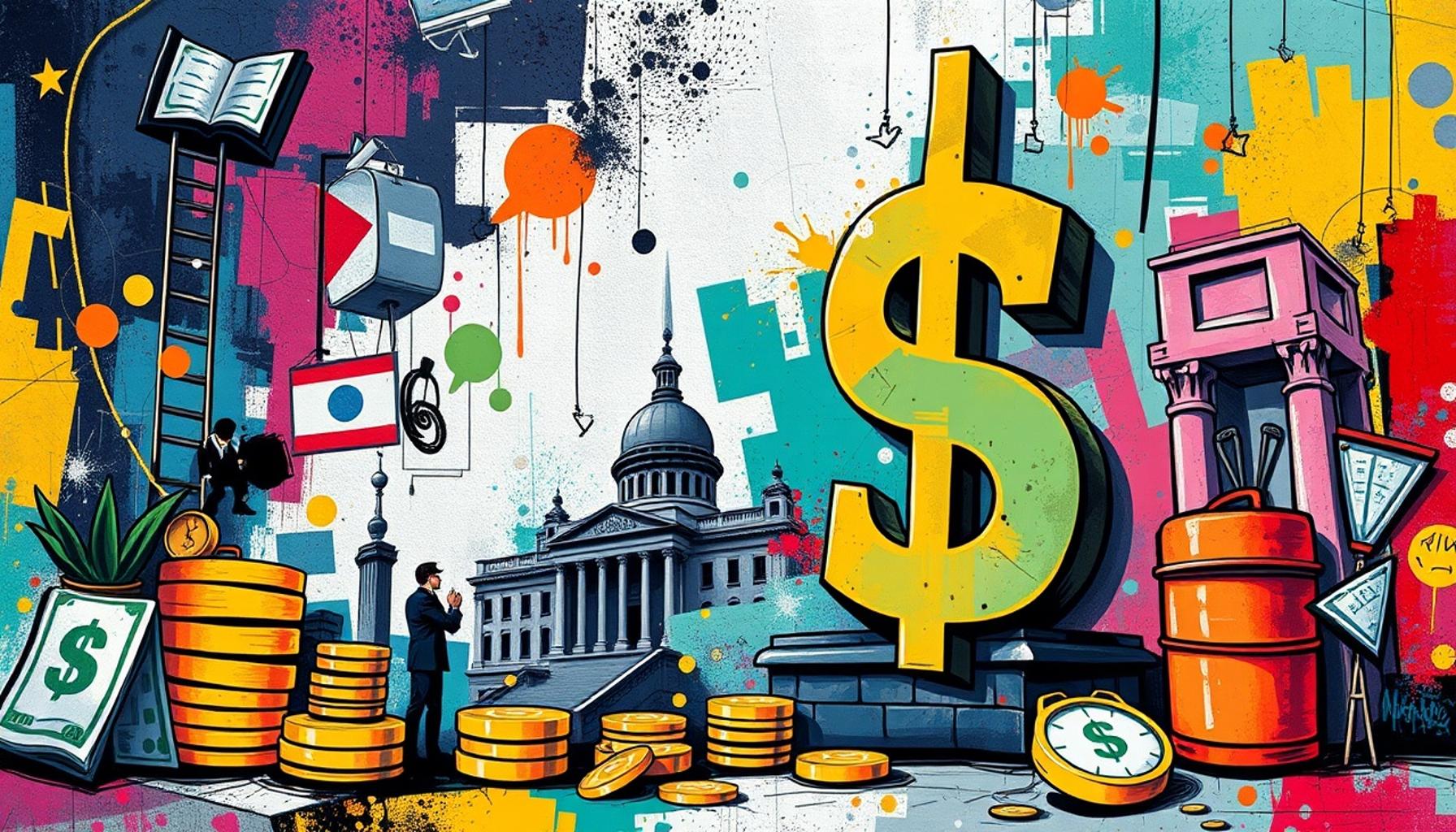
Art has always stood as a testament to human ingenuity, bridging gaps between different cultures and societal backgrounds. Through various forms of expression, it enables a dialogue that transcends spoken language, offering glimpses into the minds and hearts of its creators. Each artistic medium tells its own story, allowing us to delve into complex emotions, societal challenges, and the fundamental aspects of the human experience. For instance, the streets of cities like New York and Los Angeles are alive with graffiti, a vibrant art form that transforms otherwise mundane urban environments into dynamic canvases filled with social commentary, personal stories, and cultural references.
As we explore different modalities of artistic expression, we can observe their uniqueness through various examples:
- Graffiti: Often dismissed as vandalism, graffiti artists like Banksy and Jean-Michel Basquiat have elevated this style to an esteemed form of expression. It turns public spaces into open-air galleries where works reflect the zeitgeist, address political issues, or celebrate cultural heritage.
- Abstract Painting: Artists like Jackson Pollock and Mark Rothko challenge viewers to look beyond the literal. Their works stimulate a personal, often emotional response that differs for each observer, creating a unique experience with every glance.
- Photography: From the poignant work of Dorothea Lange during the Great Depression to modern-day photojournalism, photography captures slices of life that convey powerful narratives. It allows us to view the world through another’s lens, fostering empathy and understanding.
- Sculpture: Three-dimensional art can provoke thought and admiration. Artists like Henry Moore and Alexander Calder push the boundaries of form and material, creating pieces that invite touch, movement, and interaction, enriching the viewer’s experience.
- Digital Art: With the rise of technology, digital platforms have given birth to a new generation of artists. Software like Adobe Photoshop or Procreate enables creatives to explore complex visuals and new techniques. Artists such as Beeple have gained widespread acclaim, demonstrating that digital artistry can enthrall and engage audiences just as effectively as traditional methods.
As we immerse ourselves in this colorful tapestry of artistic expression, we uncover not just individual stories but also societal reflections. Each art form encapsulates a moment in time, echoing the emotions, struggles, and triumphs of its era. Whether through the defiant strokes of a spray can or the meticulous pixels on a screen, art offers profound insights into the human condition. It challenges perceptions, provokes thought, and ultimately shapes our understanding of the world. Join us on this enlightening journey as we investigate the myriad ways art influences our lives, enriching our shared narrative and fostering a deeper appreciation for creativity in all its forms.
DISCOVER MORE: Click here to delve into the fusion of music and technology</p
Graffiti: The Voice of the Streets
Across bustling metropolitan areas, graffiti serves as both an artistic form and a powerful vehicle for social commentary. In cities like New York and Los Angeles, murals and taggings breathe life into otherwise dull urban landscapes, telling stories that resonate with local communities. This art form, often misunderstood and categorized as vandalism, has evolved into a respected genre that reflects the cultural, political, and social climate of the times.
Notable graffiti artists have brought profound attention to their craft, combining skillful techniques with potent messages. Banksy, for instance, has gained international fame for his thought-provoking stencils that critique modern societal issues, from consumerism to war. His enigmatic identity has only added to his allure, leaving viewers to ponder not only the message but also the motives behind the art. Similarly, Jean-Michel Basquiat transformed the graffiti scene in the 1980s by integrating elements of his Afro-American heritage into his work, capturing the complexities of identity and race in America.
As we delve deeper into graffiti, it is evident that it offers more than mere decoration. Consider the following characteristics that highlight its significance as an art form:
- Accessibility: Graffiti is often created in public spaces, making it accessible to all. Anyone can experience the emotions conveyed without the need for a ticket or reservation, democratizing art in the process.
- Political Stance: Many graffiti artists utilize their work to challenge authority and provoke thought. It serves as a bold medium to voice dissent and spark discussions on pressing societal issues, ranging from inequality to climate change.
- Cultural Identity: Graffiti can serve as an embodiment of cultural identity, showcasing the rich tapestry of influences present in urban societies. Artists frequently draw from their backgrounds, celebrating diversity while fostering a sense of community among viewers.
Abstract Painting: Evoking Emotion Through Form and Color
Moving from the streets to the galleries, abstract painting presents a different yet equally compelling form of artistic expression. Rejecting the constraints of representational art, abstract artists prioritize emotion and thought over realistic portrayal. Paradigms of this art form have been shaped by avant-garde movements, with figures such as Jackson Pollock and Mark Rothko leading the charge into new artistic territories.
Pollock’s signature drip technique revolutionized the art world. By allowing paint to fall freely onto canvases laid flat on the ground, he created a visceral connection with the viewer, inviting them to experience the process of creation itself. Each splatter and swirl of color exudes a raw, unfiltered expression of emotion, often interpreted differently by each observer. Similarly, Rothko’s large-scale color fields invite contemplation and introspection, encouraging viewers to engage deeply with their own feelings as they navigate through the vibrant hues.
Abstract art challenges preconceived notions of what art should represent. It offers an open-ended experience, where viewers are encouraged to decipher meaning based on their personal experiences and emotions. This subjectivity is one of the reasons why abstract painting continues to captivate audiences around the globe.
In exploring both graffiti and abstract painting, we gain insights into two distinct yet interwoven paths of artistic communication. Each form articulates a narrative reflective of its surroundings, enabling a rich dialogue that continues to evolve as society changes. As we navigate further into these artistic realms, we will uncover more connections and contrasts that define the landscape of artistic expression today.
Exploring the Depths of Artistic Expression
As we delve deeper into the realm of artistic expression, it becomes evident that both graffiti and abstract painting are not merely forms of art but are profound reflections of culture, identity, and emotion. Graffiti, often born from the streets, serves as a voice for the marginalized, allowing artists to communicate their thoughts and feelings openly, challenging societal norms. It is an art form that thrives on rebellion and individuality, embodying the spirit of urban life. On the other hand, abstract painting offers a different avenue of expression. With its roots in the early 20th century, this style moves away from traditional representation, focusing instead on color, shape, and texture to convey emotions and experiences. Artists like Wassily Kandinsky and Jackson Pollock transformed the art scene, inviting viewers to interpret their work through personal lenses and emotional responses. The ambiguity of abstract painting encourages a more intimate connection, as every observer sees something unique reflected back at them.In addition to these distinct art forms, one must consider the broader impact of artistic expression on society. The varying styles encourage discussions about cultural identity, politics, and social justice, turning art into a powerful medium for change. For example, the rise of street art as a legitimate form of artistic expression challenges the stigma often associated with graffiti, pushing it into galleries and museums and leading to greater acceptance and appreciation.Moreover, the ever-evolving landscape of art allows for the fusion of styles, where graffiti techniques meet abstract methods, creating hybrid forms that defy categorization. Emerging artists are increasingly blending these two realms, utilizing spray paint and bold colors to craft visually striking pieces that resonate with a diverse audience. This cross-pollination of techniques showcases the dynamism of contemporary art and invites further exploration into how these expressions can convey complex narratives and emotions.To truly appreciate the significant role of these art forms, one must engage with them, not just as observers but as participants in a larger dialogue about what it means to create and to express. As we continue our exploration, let us uncover the stories behind the strokes and the layers that define not just the artwork but also the artists who dare to push boundaries and express their unique visions.
| Art Form | Significance |
|---|---|
| Graffiti | A voice of social commentary that challenges the status quo. |
| Abstract Painting | Encourages personal interpretation through color and form. |
As we unravel the immense potential of these forms of artistic expression, let us remain curious and engaged, ready to discover the complexities and beauty that lies within each stroke of the brush and each spray of paint.
DIVE DEEPER: Click here to discover more
The Intersection of Street Art and Modern Expression
As we consider the diverse realms of artistic expression, we must also explore street art, a broader umbrella under which graffiti finds its place. Street art often blends graffiti with elements of design, illustration, and sometimes even performance, creating a fusion that speaks to contemporary social issues. Artists like Shepard Fairey, famous for his “Hope” poster featuring Barack Obama, have bridged the gap between graffiti and more traditional forms of art. This movement leverages public space to challenge norms and inspire action, creating a dialogue that resonates well beyond the walls on which it is painted.
Street art performs a unique function in society as it actively engages communities. It has the power to transform neglected urban spaces into vibrant canvases for public discourse. In cities like Detroit and San Francisco, large-scale street murals tackle topics like mental health, equality, and environmentalism, further emphasizing the potential of art to influence social change. This democratization of art invites the public to interact with it, fostering an environment where art is not only observed but also experienced and debated.
Contemporary Movements in Abstract Expression
On the other end of the spectrum lies contemporary abstract art, which continues to evolve in response to cultural shifts. Modern artists are not only revisiting traditional techniques but also exploring innovative mediums that challenge perceptions. For instance, artists like Kara Walker and Yayoi Kusama confront societal issues through abstract forms, weaving narratives of race, gender, and identity into their work. Walker’s silhouettes confront historical narratives, while Kusama’s immersive installations encourage viewers to engage with notions of infinity and self-identity.
The marriage of technology and abstract art is reshaping the landscape, as seen through the rise of digital abstraction and generative art. Digital artists use algorithms to create works that can change each time they are viewed, making art accessible in a way that previous generations could not have imagined. Platforms like ArtStation and DeviantArt elevate emerging talent, inviting new voices to the global artistic conversation. This intersection not only democratizes the process of creation but also opens avenues for collaboration across disciplines.
Public Perception and Value
Despite their differences, both graffiti and abstract art face skepticism and varying degrees of acceptance within the art world. Traditionally, abstract painting has enjoyed a certain stature in galleries and museums, while street art often grapples with the stigma of being viewed as illegitimate or unworthy of critical acclaim. Yet, recent trends indicate a shift in public perception, as art institutions like the Brooklyn Museum and the SFMOMA curate exhibitions that celebrate the prowess of street artists and innovative abstract painters alike.
In academia and beyond, discussions around the definitions of art are burgeoning. What constitutes art, and who gets to decide? This ongoing conversation invites audiences to broaden their understanding of artistic expression and push against the confines of established norms. The convergence of graffiti and abstract painting challenges the art world to embrace a more inclusive perspective, one that reflects the complexities and nuances of contemporary society.
In essence, the exploration of street art and abstract painting reveals a rich tapestry of artistic expression, each form echoing the vibrancy of human experience. The ongoing dialogue between these artistic movements continues to shape the concept of art itself, nurturing a culture that thrives on innovation and the exchange of ideas. As we delve deeper into these captivating forms of expression, we uncover even more layers that reflect the multifaceted nature of creativity today.
DIVE DEEPER: Click here to uncover the fusion of music and technology</p
Conclusion: The Evolving Landscape of Artistic Expression
In conclusion, the journey through various forms of artistic expression—ranging from the vibrant world of graffiti to the thought-provoking realms of abstract painting—serves as a testament to the ever-evolving nature of creativity. Each genre, with its unique characteristics, provides insights into the cultural, social, and emotional landscapes of our time. By investigating street art, we uncover powerful narratives that resonate within communities, challenging norms and sparking critical conversations on pressing societal issues. At the same time, the realm of abstract expression invites us to confront our perceptions and foster a deeper understanding of identity and experience.
As we observe the growing acceptance of both street art and abstract painting within established art institutions, it is clear that public perception is shifting to embrace a more inclusive view of artistic legitimacy. This ongoing discourse underscores a fundamental principle: art is a reflection of the human experience, constantly engaging, evolving, and inspiring. Whether found on the streets of urban landscapes or within the walls of prestigious galleries, both forms of expression serve to echo our collective journeys toward understanding and self-discovery.
Ultimately, exploring these diverse art forms encourages us to question our definitions of creativity and beauty. With each stroke of a spray can or brush, artists today continue to enrich our cultural tapestry, inviting everyone to engage with the dialogue of art. As we move forward, the future promises even more exciting intersections of artistic expression, beckoning us to remain open to new ideas, perspectives, and forms that challenge, delight, and unite us all.
Related posts:
The evolution of street art: from vandalism to acceptance as a legitimate form of expression
Artistic Expression as Activism: Using Creativity to Address Social Issues
The Influence of Music on Visual Arts: Harmonizing Creative Expression
Exploring Different Mediums: From Painting to Digital Art in Artistic Expression
Art as Language: How Different Cultures Use Artistic Expression to Tell Their Stories
Exploring the Evolution of Street Art: From Vandalism to Mainstream Acceptance in Creative Hobbies

Beatriz Johnson is a seasoned creative enthusiast and writer with a passion for simplifying the intricacies of artistic hobbies and DIY projects. With over a decade of experience exploring various creative fields, she specializes in topics like crafting, painting, and innovative DIY techniques. Through her work, Beatriz inspires readers to unleash their creativity, try new artistic endeavors, and stay inspired in the ever-evolving world of creative hobbies.