The Intersection of Musical Talents and Digital Content Creation
The Revolution of Music and Digital Media
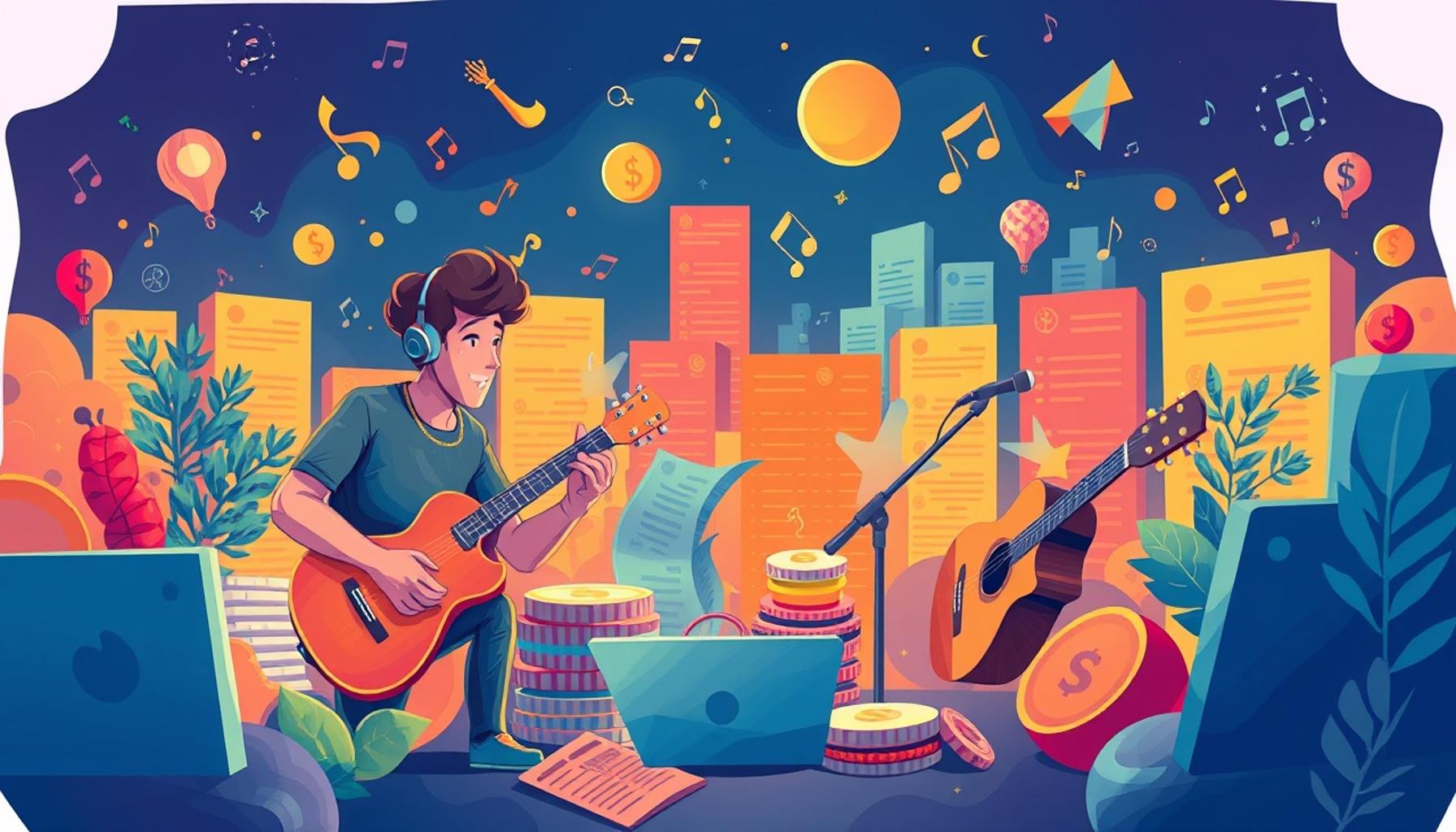
The emergence of digital content creation has brought about a radical transformation in the way artists express their musical talents and connect with audiences. In the past, musicians typically relied on traditional venues, such as clubs, concert halls, and radio stations, to share their work. Today, however, these boundaries have dissolved, enabling artists to reach global audiences with just a few clicks. This transition is not merely an evolution; it signifies the dawn of a new era in music.
This convergence of music and digital platforms opens up a plethora of opportunities for artists. Here are some ways this transformation is manifesting:
- Social Media Platforms: Artists are taking advantage of platforms like Instagram, TikTok, and YouTube to showcase their music and foster direct interactions with fans. For instance, TikTok has birthed viral music trends, where songs can gain popularity overnight due to creative user-generated content, as seen with Lil Nas X’s “Old Town Road.”
- Live Streaming: With live streaming technologies, artists can perform from their living rooms, creating interactive experiences with their fans. During the pandemic, many musicians hosted virtual concerts on platforms like Twitch and Facebook Live, proving that distance doesn’t have to limit engagement.
- Collaboration Tools: Musicians can now collaborate with fellow artists worldwide effortlessly. Software like Splice permits seamless sharing of music files and ideas, leading to the creation of diverse sounds that blend different cultures, like K-Pop’s increasing influence on American pop.
Moreover, digital content creation has introduced innovative formats that enrich storytelling within music. Consider the impact of:
- Music Videos: The surge in platforms like Vevo has made music videos an integral part of an artist’s promotional strategy, with many becoming art pieces in their own right, such as Childish Gambino’s “This is America.” These visuals can deepen the connection to the song’s theme.
- Podcasts: With podcasts gaining traction, artists discuss their creative processes, share personal stories, and delve into industry insights. These platforms offer fans an intimate look into the lives of their favorite musicians, fostering a deeper connection.
- Online Courses: Many talented artists are now sharing their expertise with aspiring musicians through platforms like MasterClass. Such courses, hosted by renowned figures like Usher or Alicia Keys, provide invaluable knowledge and inspire the next generation of artists.
As the landscape of music continues to evolve, it is essential for artists and fans alike to understand the dynamics at play. How does the accessibility provided by these digital platforms shape the future of music? The intersections between musical talents and the expansive realm of digital content creation invite further exploration, hinting at an exciting future for musicians and enthusiasts in the United States and beyond.
DISCOVER MORE: Click here to learn about the benefits of musical talents
Harnessing Digital Tools for Creative Expression
In this digital age, the intersection of musical talents and digital content creation has transformed how artists produce, distribute, and promote their music. The tools available today not only simplify the creation process but also enhance the artist’s ability to present their unique vision to the world. Musicians are finding that tapping into technology fuels their creativity and opens doors to previously unimaginable opportunities.
One of the most significant developments in this space is the rise of digital audio workstations (DAWs), which have revolutionized music production. Software such as Ableton Live, FL Studio, and Logic Pro X empowers musicians to create professional-quality recordings from the comfort of their own homes. This accessibility eliminates the need for expensive studio time, allowing a new generation of artists to experiment and innovate without traditional barriers. Furthermore, artists can produce and distribute their work independently, retaining more control over their creative output.
The democratization of music production has also given rise to various genres and fusion styles. With the global music landscape more interconnected than ever, artists can seamlessly blend diverse musical influences, enriching their sound. This trend is particularly evident in the collaboration between artists from different backgrounds, leading to the emergence of new genres such as Latin trap and Afrobeats, which have found massive traction in U.S. music charts.
Additionally, the proliferation of tutorial videos on platforms like YouTube has made learning music production accessible for everyone. Aspiring musicians can follow step-by-step guides to improve their technical skills or explore new genres, broadening the horizons of creativity. This educational content not only inspires individuals to create but also fosters a community of musicians who share insights and collaborations.
The way musicians showcase their creativity has also been reshaped by the digital realm. The popularity of user-generated content has encouraged artists to experiment with their branding and marketing strategies. Collaborations with influencers and content creators on platforms like TikTok and Instagram allow artists to seamlessly integrate their music into various lifestyle contexts, making it relatable and shareable. For example, the viral success of trends around specific songs can catapult lesser-known artists into the mainstream, demonstrating how the digital landscape serves as a launchpad for musical careers today.
As artists navigate these dynamic tools and platforms, they must also grapple with the complexities of digital copyright and ownership. Educating themselves about these issues ensures that their creative rights are protected, allowing them to reap the full benefits of their artistic endeavors. The intersection of musical talents and digital content creation not only shapes the present and future of music but also invites ongoing discussions about originality, collaboration, and innovation in this vibrant landscape.
| Advantage | Description |
|---|---|
| Diverse Revenue Streams | Digital content creation allows musicians to monetize their skills through streaming, merchandise sales, and fan subscriptions. |
| Global Reach | Harnessing platforms like YouTube and Spotify broadens audience access beyond geographical limitations. |
| Creative Collaboration | Digital tools facilitate collaboration across borders, enabling musicians to create transcendent works together. |
| Marketing Flexibility | Personalized marketing strategies through social media enhance artist visibility and foster fan loyalty. |
As musicians navigate the digital landscape, they encounter unprecedented opportunities to blend creativity with technology. This convergence transforms how talent is showcased and consumed. For instance, artists utilize platforms such as TikTok for virality, allowing snippets of their work to reach billions worldwide. In addition, the music creator economy is thriving, with ample resources available to help emerging artists learn the ropes of creating compelling content that captivates audiences.Moreover, the phenomenon of content creation goes beyond traditional music production; it extends to storytelling, visual arts, and interactive experiences. This holistic approach attracts diverse audiences, fostering rich engagement and making music more accessible than ever. As this digital content ecosystem expands, it invites musicians, producers, and creators alike to explore the fusion of their talents in new and innovative ways.
DIVE DEEPER: Click here to discover the benefits of music for mental health</p
Engaging Audiences Through Innovative Platforms
In the evolving landscape of the music industry, the ability to connect with audiences has become just as crucial as the creation of music itself. The intersection of musical talents and digital content creation has given rise to innovative platforms that facilitate deep engagement between artists and their fans. Musicians today are not just entertainers; they are content creators who utilize various mediums to foster a sense of community and belonging.
Social media platforms such as Instagram, TikTok, and Facebook provide musicians with the opportunity to share their creative processes, behind-the-scenes moments, and personal stories, building a more intimate connection with their audience. For instance, artists like Doja Cat have successfully utilized TikTok to launch viral challenges linked to their songs, effectively turning followers into active participants in their music journey. This phenomenon demonstrates the power of digital content to amplify an artist’s reach and foster a loyal fan base.
Moreover, live streaming has become a significant trend for artists looking to promote their work. Platforms like Twitch and YouTube Live enable musicians to host virtual concerts, engage with fans in real-time, and support causes through fundraising initiatives. This evolution was especially pronounced during the COVID-19 pandemic when live performances were largely halted. Artists like John Legend and Coldplay quickly adapted, hosting online concerts that attracted millions and showcased the potential of streaming as not just a temporary solution, but as a lasting method of artistic expression.
The integration of augmented reality (AR) and virtual reality (VR) technologies in music is another facet of digital content creation that is reshaping how audiences experience music. AR applications enable fans to interact with their favorite artists in innovative ways, while VR takes concert experiences to a whole new level. Companies like Wave have pioneered virtual concerts that allow fans to step into a fully immersive environment, creating memorable experiences that traditional performances may not replicate.
Podcasting, too, has emerged as a viable platform for musicians to discuss their artistic journeys, share insights, and connect with listeners on a personal level. Musicians like Marc Maron have built successful podcasts that not only feature interviews with various artists but also reveal the intricate workings of the music industry. This openness transforms the way listeners perceive their favorite musicians—peeling back the layers to find common ground through shared experiences.
The impact of streaming services such as Spotify and Apple Music on the music industry cannot be overstated. These platforms have changed how music is consumed while allowing artists to monetize their work. Playlists that often serve as curations for specific moods or activities have become crucial for discovery, elevating emerging musicians and enriching the listening experience. Additionally, data analytics from these platforms enable artists to understand their audience better, tailoring content to meet listener preferences and drive engagement.
As artists continue to navigate this ever-evolving digital landscape, the convergence of their musical talents with digital content creation poses exciting possibilities. This unprecedented access to creative tools and platforms fosters an environment ripe for exploration, innovation, and collaboration, ensuring that the future of music remains vibrant and dynamic.
DISCOVER MORE: Click here to delve deeper
Conclusion: A New Era of Musical Expression
As we stand at the convergence of musical talents and digital content creation, it is clear that the future of music is not just about the sounds produced, but also about the shared experiences and connections forged online. The transformative power of digital platforms has reshaped the traditional music landscape, allowing artists to engage with their audiences in unprecedented ways. From viral moments on TikTok to immersive virtual experiences provided by VR technologies, the potential for creativity and innovation knows no bounds.
This digital revolution empowers artists, granting them the tools to tell their stories, share their journeys, and foster a deeper sense of community with fans. Platforms like Spotify and YouTube not only provide avenues for economic sustainability but also democratize music discovery, enabling emerging talents to gain visibility among a global audience. Furthermore, podcasting continues to serve as a powerful medium for artists to dive deep into their artistic processes, further bridging the gap between creators and audiences.
As this intersection continues to evolve, it prompts compelling questions about the future of music: How will emerging technologies influence artistic expression? What new forms of engagement will shape listener experiences? For both established musicians and aspiring artists, embracing this synergy of music and digital content is essential. As we look ahead, one thing is certain: the marriage of musical creativity and digital innovation will continue to redefine what it means to be an artist in this vibrant and dynamic era. Keeping pace with these developments will not only enrich the musical experience but will also pave the way for the next generation of creators and fans.
Related posts:
Developing Creativity Through Composition: Techniques for New Composers
The Influence of Music on Improving Artistic Skills in Young Creators
Exploring the Impact of Musical Talents on Personal Development
How to Find and Develop Your Personal Musical Style: Tips for Emerging Artists
The Influence of Different Musical Genres on the Formation of Individual Artistic Identities
The Intersection of Music and Technology: How Digital Tools Are Transforming Musical Talents

Beatriz Johnson is a seasoned creative enthusiast and writer with a passion for simplifying the intricacies of artistic hobbies and DIY projects. With over a decade of experience exploring various creative fields, she specializes in topics like crafting, painting, and innovative DIY techniques. Through her work, Beatriz inspires readers to unleash their creativity, try new artistic endeavors, and stay inspired in the ever-evolving world of creative hobbies.